Why Floaters Accompanied By Dizziness Might Be A Serious Warning
It was a regular afternoon. I was walking out of the grocery store, arms full of bags, when I suddenly noticed those tiny shadowy spots floating across my vision—again. But this time, something was different. A strange lightheaded feeling crept in, and for a moment, I had to stop and steady myself. Floaters accompanied by dizziness—two symptoms I’d brushed off before—were now hitting me together. If you’ve experienced something similar, you’re definitely not alone. And yeah, it can feel weirdly unsettling.
What Are Floaters, and Why Do They Happen?
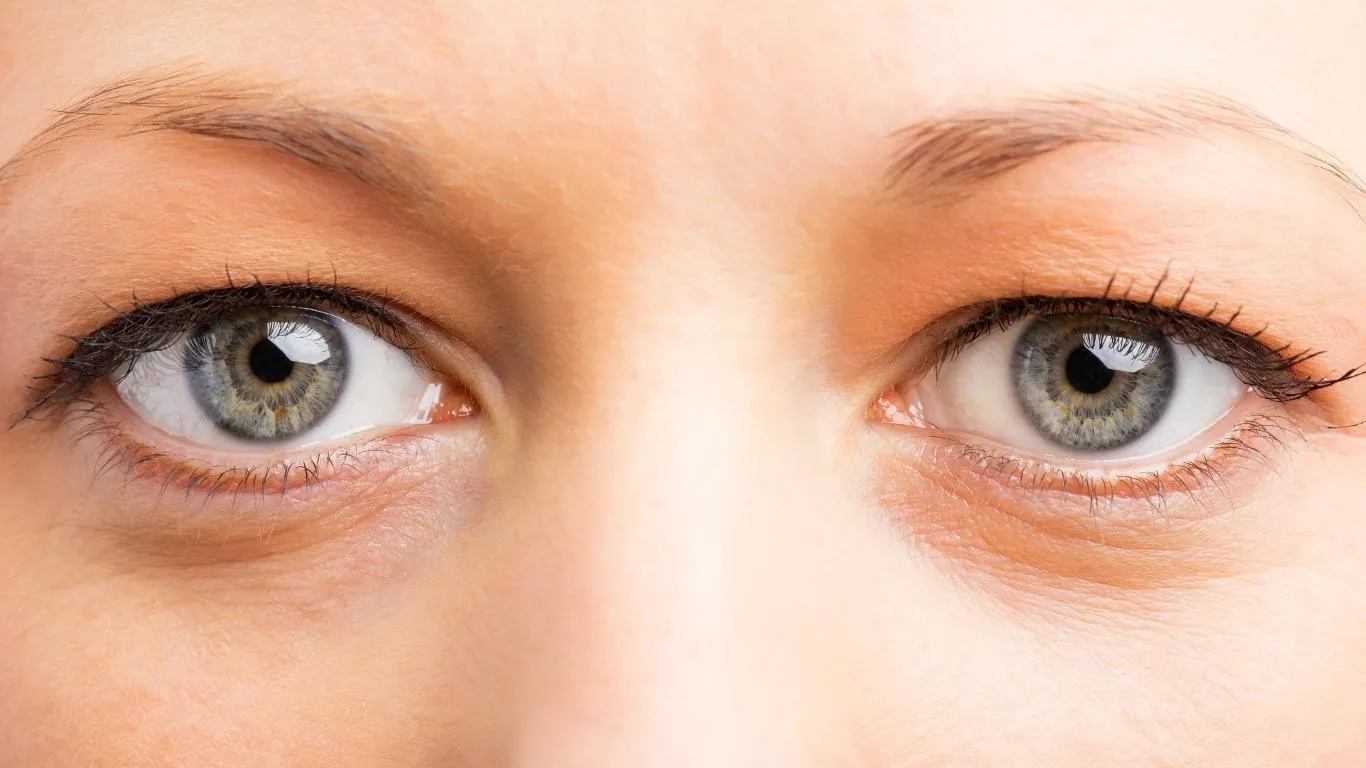
Floaters are those little dots, threads, or cobweb-like squiggles that drift across your vision. They’re caused by tiny clumps of gel or cells inside the vitreous—the jelly-like substance in your eye—casting shadows on the retina. Most people will deal with floaters at some point, especially as they age. I first noticed mine when I turned 35. At the time, I thought it was just eye strain from all the screen time. But there’s more to the story when dizziness enters the picture.
Floaters and Dizziness: When Two Symptoms Collide
It’s not uncommon to get the occasional dizzy spell—maybe when you stand up too fast or skip lunch—but when it shows up alongside floaters, things get a little more complicated. These two together might point to more than just harmless eye strain or aging. They could be tied to underlying medical conditions, or in some cases, serve as warning signs you shouldn’t ignore.
Possible Causes of Floaters and Dizziness Together
- Posterior Vitreous Detachment (PVD): A natural part of aging where the vitreous gel pulls away from the retina. PVD alone might cause floaters, but if you get dizziness too, that could signal retinal involvement. Learn more here.
- Ocular Migraines: Ever had those dazzling zig-zags in your vision followed by dizziness? Ocular migraines can mimic eye issues and confuse the heck out of you. Here’s a resource that dives into whether migraines cause floaters.
- High Blood Pressure: It’s a sneaky one. When your blood pressure spikes, it can impact the retina and cause floaters. At the same time, dizziness might kick in. It could be your body’s not-so-gentle nudge to get checked. Here’s more on the connection between floaters and high blood pressure.
- Eye Infections: Some infections not only cloud your vision with floaters but also mess with your equilibrium, leaving you dizzy and disoriented. Check out this detailed breakdown on eye infections and floaters.
My Personal Wake-Up Call
I’ll be honest. I ignored it the first few times. “Just tired,” I’d tell myself. But after a particularly sharp dizzy episode during a meeting—and those floaters dancing like they had a mind of their own—I booked an eye exam. That appointment was the start of understanding that floaters aren’t always “nothing.” They might be the only signal your body gives you before a bigger issue unfolds. I learned that some symptoms are worth listening to, especially when they gang up on you.
When You Should Be Concerned
Here’s the thing: not all floaters and dizziness combos are scary, but some are. If you notice any of the following, please don’t wait it out:
- Sudden onset of many new floaters
- Flashes of light in your peripheral vision
- Dark shadows or a curtain effect over part of your vision
- Persistent or worsening dizziness
- Blurred vision or nausea
These can be signs of retinal tears, detachments, or neurological concerns. One of the most insightful breakdowns on this comes from this article about floaters before a retinal tear. Trust your gut, and definitely trust your symptoms.
What Conditions Are Linked to Both?
There’s a surprising range of health issues that tie these two symptoms together:
- Autoimmune Disorders: Like lupus or multiple sclerosis. They can affect the central nervous system and eyes simultaneously. Learn more about the connection between autoimmune issues and floaters.
- Diabetes: Diabetic retinopathy can sneak up slowly but show floaters and vision changes before you notice anything else. Here’s a solid overview on how diabetes and floaters are linked.
- Eye Trauma: A blow to the head or eye could lead to both symptoms. Even something that felt minor—like bumping your head on a cabinet—might cause a vitreous hemorrhage. This injury-focused guide is worth a read.
It’s Not All in Your Head (Even if It Feels Like It)

The tricky part about symptoms like floaters and dizziness is that they can make you second-guess yourself. Are you just tired? Is it stress? Maybe dehydration? All possible, sure. But when these symptoms show up together and stick around, that’s your cue to dig deeper—not just wait it out. I’ve learned the hard way that vision health can be sneaky—subtle symptoms, big consequences.
For a more comprehensive guide on differentiating floaters from other visual disturbances, check out this visual breakdown that clears up the confusion (no pun intended).
And if you’re ready to understand what might really be going on, the full explainer on common causes of floaters from our pillar content is a great place to start. For an even deeper dive into the whole floater topic, including symptoms and treatment options, the main guide on eye floaters pulls it all together in one place.
#LNF

Camellia Wulansari is a dedicated Medical Assistant at a local clinic and a passionate health writer at Healthusias.com. With years of hands-on experience in patient care and a deep interest in preventive medicine, she bridges the gap between clinical knowledge and accessible health information. Camellia specializes in writing about digestive health, chronic conditions like GERD and hypertension, respiratory issues, and autoimmune diseases, aiming to empower readers with practical, easy-to-understand insights. When she’s not assisting patients or writing, you’ll find her enjoying quiet mornings with coffee and a medical journal in hand—or jamming to her favorite metal band, Lamb of God.