Coping With Anxiety After Layoffs When Life Feels Unstable
Getting laid off feels like getting the wind knocked out of you. I still remember the sharp panic the moment I read that email—subject line: “Organizational Restructuring.” You can brace yourself all you want, but when that kind of change blindsides you, it rattles your confidence and ignites an anxiety you didn’t know could sit so heavy in your chest.
Why Layoffs Trigger Such Intense Anxiety
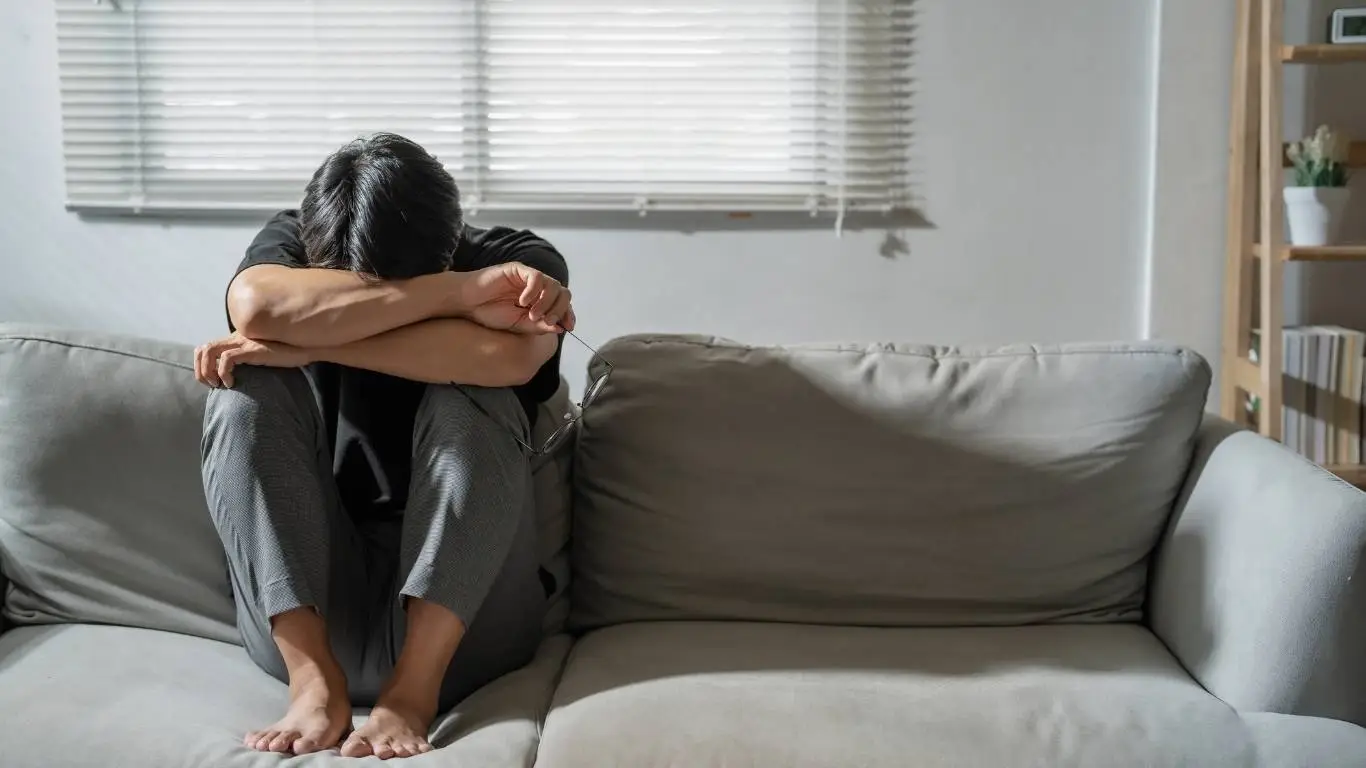
Layoffs don’t just take away a paycheck—they hijack your sense of identity, control, and safety. It’s not just about money, it’s the unraveling of routine, purpose, and your place in a structure that gave you meaning. And when that disappears overnight, your brain rushes in to fill the void—with fear.
The Brain on Layoff Mode
Psychologically, it’s not a mild setback—it’s a form of trauma. Your brain interprets a job loss as a survival threat. Cortisol levels spike. Heart rate climbs. You may feel hyper-alert, or weirdly disconnected. That’s not just your imagination. Anxiety after layoffs often mimics symptoms of Generalized Anxiety Disorder, and can lead to insomnia, panic attacks, or even physical pain like chest tightness or nausea.
One of the most insightful breakdowns I found on the topic comes from this piece on why anxiety-related chest pain feels so real. It helped me understand I wasn’t having a heart attack—I was just terrified.
Signs You Might Be Struggling with Post-Layoff Anxiety

- Inability to focus on tasks or job applications
- Constant worry about financial instability
- Feeling emotionally numb or “shut down”
- Increased irritability or tension in relationships
- Intrusive thoughts about what you could’ve done differently
If any of these feel familiar, you’re not alone. These symptoms often get ignored because they masquerade as “normal” reactions. But over time, they can quietly erode your ability to bounce back.
Strategies That Help You Regain Control (Even If You Don’t Feel Ready)

1. Acknowledge the Emotional Gut Punch
I gave myself a couple of days to be miserable. Cried, paced around the apartment, stress-ate leftover pizza. That release? Weirdly healing. It’s okay not to go straight into problem-solving mode. Sit with the discomfort briefly—it clears space for clarity.
2. Use Breathing to Stop the Spiral
It’s not just wellness hype. Simple breathing techniques, like those described in this guide on anxiety-relief breathing exercises, can actually lower your heart rate and give your brain a moment to recalibrate.
3. Control What You Can (Ignore the Rest)
Create small, do-able routines: wake up at a set time, tidy one room, update one part of your resume. That sense of control helps regulate stress chemistry. I also kept a daily “control log”—just three bullet points of what I did manage that day. It’s surprisingly validating.
4. Talk It Out, Don’t Bottle It Up
Even if you’re not ready for therapy, don’t isolate yourself. Friends may not have the answers, but they can help you stop spiraling. That said, if you feel stuck in a loop, seeking professional help isn’t weakness—it’s wisdom. For me, CBT made a noticeable difference. No journaling clichés—just clear patterns and tools that helped me see my fear in a new light.
5. Get Your Body Involved
Movement isn’t just distraction—it’s medicine. Even a short walk gets endorphins flowing. Some people swear by yoga or swimming; I just danced around the kitchen to angry music. Doesn’t matter what it is—your body needs a signal that it’s safe now. Need ideas? This breakdown of yoga’s anxiety benefits helped me find a good rhythm.
Rebuilding a New Normal

Redefining Productivity
Productivity looks different after a layoff. It’s not measured by emails sent or hours logged. It’s getting through the day without a breakdown. Or finally sending that one job application. Or showering. Celebrate that. You’re not lazy—you’re healing.
Rethink the Narrative
One thing that stuck with me from this fantastic piece on daily-life anxiety is how anxiety twists narratives. My brain told me, “You’ll never get hired again.” But just because that thought felt loud didn’t make it true. With practice (and a few breakdowns), I learned to replace it with something gentler: “You’re in transition, not failure.”
Sleep Is Survival, Not Luxury
I used to lie awake for hours, looping through worst-case scenarios. Sleep felt impossible. But after reading about the sleep-anxiety connection, I took it seriously. Started with sleep hygiene basics: no caffeine after 2PM, nighttime stretches, and screen dimming. It didn’t fix everything—but it helped me function again.
And for anyone feeling overwhelmed by it all, you don’t have to figure everything out at once. Start with small wins. Let your body and mind catch up. Explore more on anxiety coping strategies here in our lifestyle-based pillar guide and get a full understanding of how anxiety disorders quietly shape your everyday life.
#LNF

Camellia Wulansari is a dedicated Medical Assistant at a local clinic and a passionate health writer at Healthusias.com. With years of hands-on experience in patient care and a deep interest in preventive medicine, she bridges the gap between clinical knowledge and accessible health information. Camellia specializes in writing about digestive health, chronic conditions like GERD and hypertension, respiratory issues, and autoimmune diseases, aiming to empower readers with practical, easy-to-understand insights. When she’s not assisting patients or writing, you’ll find her enjoying quiet mornings with coffee and a medical journal in hand—or jamming to her favorite metal band, Lamb of God.