How Anxiety During Major Life Changes Quietly Disrupts Life
Life’s full of curveballs, right? Whether it’s starting a new job, moving across the country, having a baby, or navigating a breakup, major life changes have this sneaky way of throwing our emotions into a blender. For some of us, that blender is on high speed — and that’s what anxiety during major life changes feels like. I’ve been there, white-knuckling my way through big transitions, smiling on the outside while my insides were doing somersaults. The worst part? You don’t always see it coming — anxiety just kind of settles in and overstays its welcome.
Why Big Life Transitions Can Be Anxiety Magnets

Our brains are wired to crave certainty. So when something big shifts — whether it’s exciting or scary — our mind flips into “what if” mode. And let’s be honest, the unknown can feel downright terrifying.
Loss of Control Feeds the Fire
One of the toughest parts of major life changes is how much is out of your hands. I remember when I left a stable job to start my own business — I was excited, sure, but also terrified. What if I failed? What if I made the wrong choice? That loss of control, that free fall feeling, is fertile ground for anxiety to grow.
- Uncertainty about the future creates mental unrest
- New responsibilities add pressure to perform
- Social expectations — from family, friends, or society — can feel overwhelming
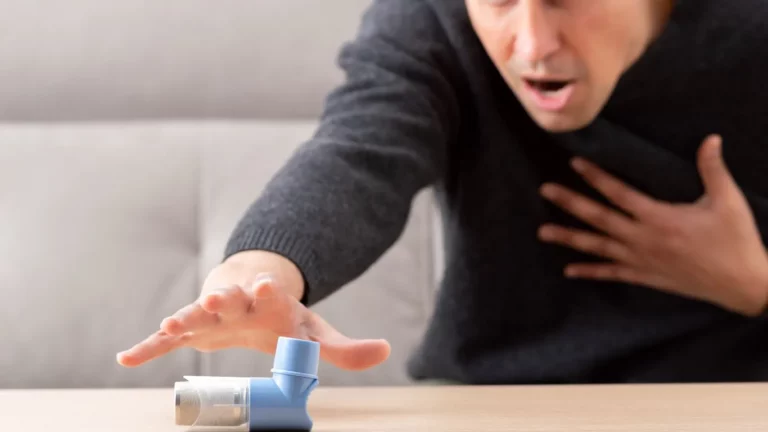
It’s not just emotional; anxiety during transitions can physically affect you, too. Chest tightness, racing heart, foggy thinking — it’s all part of the package. According to NIMH, these symptoms are the body’s natural stress response, but when they linger or worsen, it’s a sign you might need support.
Common Major Life Changes That Trigger Anxiety

Anxiety doesn’t discriminate. Whether the change is positive, like a promotion, or devastating, like a divorce, your nervous system reacts the same way: by hitting the panic button.
- Career changes: A promotion, job loss, or even retirement can trigger identity questions and stress.
- Relocation: Uprooting your life — especially to a new city or country — can bring both excitement and isolation.
- Relationships: Marriages, breakups, or becoming a parent all come with emotional weight.
- Health changes: Chronic illness or recovery from serious conditions often brings mental distress.
- Loss and grief: Death of a loved one can stir intense emotional and existential anxiety.
When I moved to a new city after a breakup, I thought I’d feel free. Instead, I woke up each morning with tightness in my chest. I felt lost, and I didn’t know how to tell anyone. That’s the thing about anxiety — it loves to isolate you. If this sounds familiar, you’re not alone. You might find this helpful: how anxiety and workplace performance quietly collide.
Signs You Might Be Experiencing Anxiety (and Not Just Stress)

Not all stress is bad, but anxiety — that lingering, overbearing sense of doom — deserves special attention. Here’s how to tell the difference:
- Restlessness that doesn’t fade, even when the pressure eases
- Intrusive thoughts about worst-case scenarios
- Sleep disturbances — trouble falling or staying asleep
- Irritability or snapping at loved ones for no real reason
- Physical symptoms: tight chest, headaches, stomach issues
If you’re nodding along, it’s worth looking into tools like the GAD-7 questionnaire, which helped me realize I wasn’t just “stressed” — I was dealing with a real, manageable condition.
How to Cope With Anxiety During Big Changes (What Actually Helps)

Here’s what helped me, and what many professionals suggest:
1. Name It to Tame It
Identifying your anxiety makes it more manageable. Saying “I’m feeling anxious about this move” takes away some of its power. It doesn’t fix the problem, but it starts the process of control.
2. Build Micro-Routines
When everything else feels chaotic, small rituals help. I started making the same breakfast every morning when my life felt upside-down — not because it was healthy, but because it was familiar. Predictability calms the brain.
3. Lean on Professional Tools
You don’t have to tough it out. Therapy works. So do evidence-based tools like Cognitive Behavioral Therapy (CBT), which I personally credit for helping me reframe the mental doom spiral.
Also worth exploring: SSRIs for anxiety — they aren’t for everyone, but when used wisely, they can take the edge off enough for other tools to work better.
4. Don’t Sleep on Lifestyle Changes
I underestimated how much my daily habits were feeding my anxiety. Things like breathing exercises and dietary tweaks might sound simple, but they helped more than I expected.
5. Know You’re Not Alone
Sometimes it just takes hearing, “Me too.” Joining a group or even reading others’ stories, like how anxiety impacts relationships, can break that sense of isolation.
For a more comprehensive guide on managing anxiety naturally and medically, check out this pillar article on lifestyle and self-help for anxiety disorders and don’t miss our main anxiety disorders overview.
#LNF

Camellia Wulansari is a dedicated Medical Assistant at a local clinic and a passionate health writer at Healthusias.com. With years of hands-on experience in patient care and a deep interest in preventive medicine, she bridges the gap between clinical knowledge and accessible health information. Camellia specializes in writing about digestive health, chronic conditions like GERD and hypertension, respiratory issues, and autoimmune diseases, aiming to empower readers with practical, easy-to-understand insights. When she’s not assisting patients or writing, you’ll find her enjoying quiet mornings with coffee and a medical journal in hand—or jamming to her favorite metal band, Lamb of God.