High Cholesterol May Trigger Eye Floaters and Harm Vision
Last year, during a particularly stressful quarter at work, I started noticing these odd little specks and squiggly lines drifting across my vision—especially when staring at my monitor or a bright sky. I figured it was just fatigue, maybe too much screen time. But after a conversation with a friend (who’s also an optometrist), I was told to look into something I never associated with vision problems: high cholesterol. Turns out, there’s more of a connection than most people realize. If you’ve been battling elevated cholesterol levels and recently started seeing floaters, this is something you’re going to want to know.
How High Cholesterol Affects Eye Health
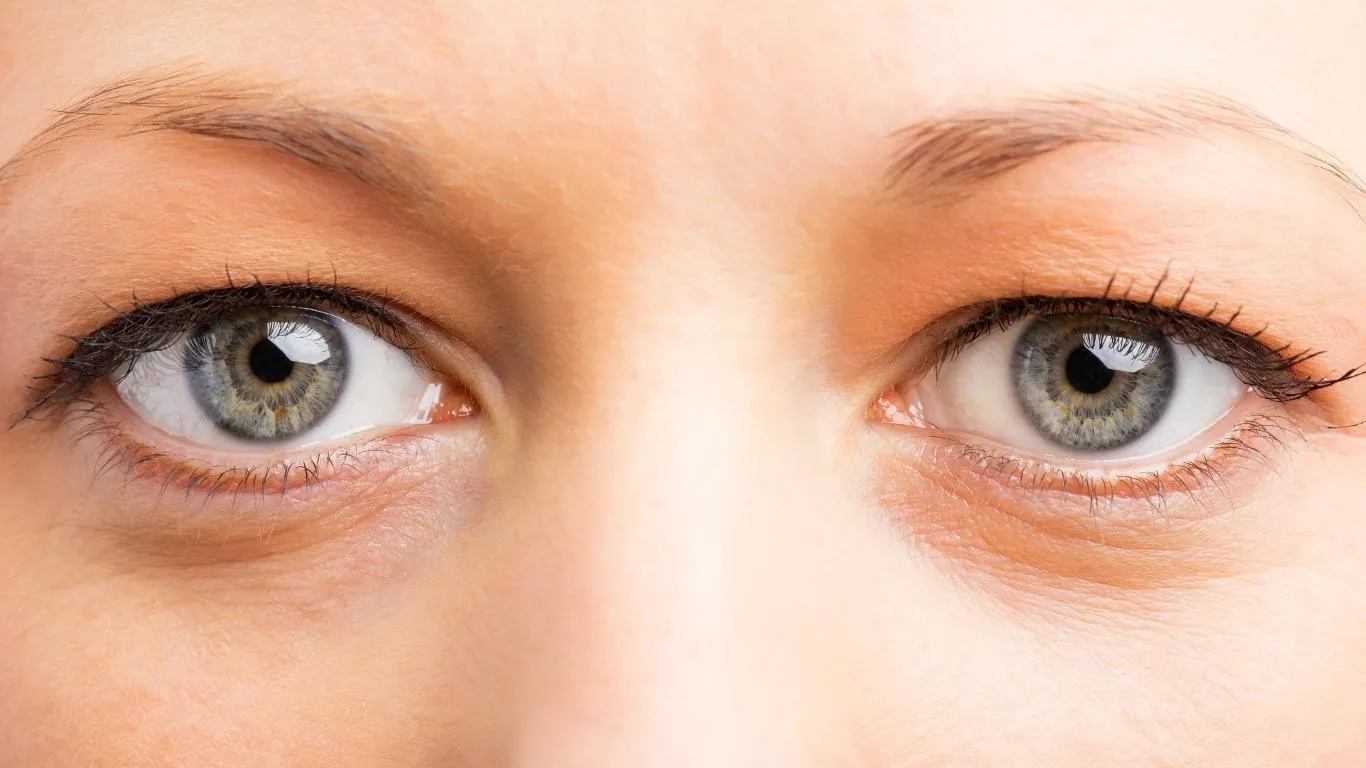
When we think about cholesterol, we often focus on clogged arteries and heart problems. But the eyes have tiny, intricate blood vessels that are just as vulnerable. When LDL (the “bad” cholesterol) is elevated, it doesn’t just sit in your arteries—it can also start impacting the delicate vessels in your eyes.
Retinal Blood Flow and Fat Buildup
High cholesterol thickens blood and increases plaque formation. This not only elevates your blood pressure but also causes blockages in the tiny capillaries in the retina. Over time, that can lead to tissue damage and inflammation, increasing the risk of floaters.
Linking Cholesterol to Vitreous Changes
What really caught me off guard is how cholesterol levels can also affect the vitreous—the gel-like substance in the center of your eye. According to this explanation of vitreous changes, when the consistency of the vitreous shifts due to aging or health imbalances like high cholesterol, microscopic particles or collagen fibers can clump together, leading to floaters.
Recognizing the Early Signs of Trouble
Not all floaters are caused by cholesterol, of course, but the relationship between cardiovascular health and eye symptoms is undeniable. And cholesterol is a core player. So what should you watch for?
- Sudden appearance of more floaters than usual
- Floaters accompanied by light flashes or blurred vision
- Changes in vision clarity, especially in one eye
My floaters came on gradually, but they started becoming more noticeable under stress and after meals—likely due to the rise in my triglycerides. I later found out I had borderline high LDL. Coincidence? Possibly. But a growing body of evidence suggests otherwise.
The Cholesterol-Vision Feedback Loop
This might sound a bit wild, but there’s increasing speculation that vision changes like floaters may actually serve as early indicators for systemic health issues. It’s like your eyes are whispering a warning before your arteries scream it. According to Johns Hopkins Medicine and National Eye Institute, monitoring visual anomalies can be as critical as tracking blood pressure or blood sugar.
Common Mechanisms Linking the Two
So how exactly do high cholesterol and eye floaters connect? Here are a few well-established mechanisms:
- Microvascular Blockages: Cholesterol buildup restricts retinal blood flow, increasing risks of hemorrhages and inflammation.
- Vitreous Oxidation: Poor lipid balance may trigger oxidative stress, breaking down the vitreous gel structure.
- Cholesterol Emboli: Fatty deposits (Hollenhorst plaques) can lodge in the eye’s vasculature, often detected by an eye doctor before a cardiac issue surfaces.
If you’ve ever been told you have arcus senilis—a grayish ring around the cornea—it might be another clue. While it can be normal with age, in younger adults, it’s often associated with lipid disorders.
When Eye Floaters Signal Something Bigger
Floaters can be harmless. Many times, they’re just a sign of aging. But when you pair them with systemic issues like high cholesterol, the stakes go up. One case I read about described a patient who developed retinal bleeding with floaters, only to discover an underlying cholesterol-induced vascular condition. That’s not something you want to wait on.
When to Seek Help
Here’s when I’d definitely suggest a professional check-up:
- Floaters suddenly increase or appear alongside vision loss
- You have a known history of high cholesterol or high blood pressure
- There’s a family history of heart disease or stroke
If you haven’t already, get familiar with these common causes of eye floaters to understand how lifestyle choices, including diet and cholesterol control, fit into the picture. You might also want to read the main guide on floaters to get a full overview of this surprisingly complex symptom.
Natural and Medical Ways to Lower Cholesterol and Reduce Floater Risk
Once I got serious about lowering my cholesterol, I noticed something interesting: my floaters didn’t necessarily disappear, but they definitely became less noticeable. Whether that’s from reduced inflammation, improved circulation, or simply less strain on the eye tissues—I’ll take the win. The point is, addressing cholesterol isn’t just good for your heart. It could make your eyes a lot happier too.
Effective Lifestyle Tweaks
Nothing fancy here. Just real, actionable stuff that actually worked for me and tons of others trying to reduce floaters connected to poor cardiovascular health:
- Fiber-Heavy Diet: Oats, chia seeds, lentils—your new best friends.
- Cut Processed Fats: Ditch the fried snacks and margarine. Go for avocado and olive oil instead.
- Stay Hydrated: Dehydration can worsen floaters. I carry a reusable water bottle everywhere now.
- Movement Matters: Even brisk walking 20–30 minutes daily keeps your blood flowing clean.
- Less Sugar, More Greens: Sugar can elevate triglycerides, so I swapped my dessert habit with green smoothies.
Not to mention, research shows dehydration may intensify floater symptoms, especially when paired with high lipid levels. Drinking water won’t magically cure cholesterol, but it’s a piece of the puzzle you can’t skip.
Supplements That Actually Help
Let’s be real—most of us can’t get everything from food. Here are some eye- and heart-friendly options I’ve personally tested (after running them by my doctor, of course):
- Omega-3 Fatty Acids: Known to lower triglycerides and reduce retinal inflammation.
- Magnesium: Surprising, but helps with cholesterol absorption and may ease floater intensity.
- CoQ10: Supports cellular energy and cardiovascular health.
- Astaxanthin: A powerful antioxidant that supports retinal integrity.
If you’re curious about eye-specific support, check out this list of supplements that improve collagen in the eye—the same collagen that breaks down to form many floaters in the first place.
When Medical Help Becomes Necessary
Even if you’re doing all the right things—clean eating, cardio, supplements—there are cases where the floaters aren’t just annoying, they’re dangerous. I always recommend seeing an eye doctor if you’re dealing with high cholesterol and:
- Your floaters increase suddenly or change shape dramatically
- You see flashes of light or lose peripheral vision
- You have a history of diabetes, hypertension, or smoking
These could be warning signs of something more serious like retinal tears or detachment. And if you’ve recently had any sort of trauma, even minor, don’t ignore it. According to research on traumatic vitreous hemorrhages, early intervention can make all the difference.
Are You a Candidate for Medical Procedures?
Sometimes, people opt for laser treatments or even vitrectomy if floaters are unbearable. I haven’t personally gone that route, but some of my readers have written in with stories about how a retinal laser procedure changed their day-to-day vision quality.
However, these treatments should never be the first step—especially if your cholesterol is still out of control. Get that under control first, and then evaluate options with your ophthalmologist.
Vision Changes as a Wake-Up Call

Floaters are annoying, sure. But they can also be the nudge that makes you finally take your health seriously. I didn’t truly overhaul my habits until my vision started changing. And I’m thankful for that wake-up call. Today, I keep my LDL in check, my blood pressure steady, and my eyes a lot clearer.
If your vision has been changing and you’re living with high cholesterol, don’t wait until it becomes an emergency. Review this essential guide on how floaters compare to other vision problems, especially if you’ve been unsure what exactly you’re seeing. You’d be surprised how often people confuse early signs of retinal damage with benign floaters.
And for a comprehensive deep dive into the origins, risks, and treatment of floaters, bookmark the complete resource on eye floaters here. It’s where I started—and where a lot of answers clicked into place for me.

Camellia Wulansari is a dedicated Medical Assistant at a local clinic and a passionate health writer at Healthusias.com. With years of hands-on experience in patient care and a deep interest in preventive medicine, she bridges the gap between clinical knowledge and accessible health information. Camellia specializes in writing about digestive health, chronic conditions like GERD and hypertension, respiratory issues, and autoimmune diseases, aiming to empower readers with practical, easy-to-understand insights. When she’s not assisting patients or writing, you’ll find her enjoying quiet mornings with coffee and a medical journal in hand—or jamming to her favorite metal band, Lamb of God.