
Best Sleeping Positions for Back Pain That Actually Help
If you’ve ever tossed and turned all night because your back just won’t let up, you’re not alone. I’ve been there — trying everything from switching mattresses to stacking pillows like architectural marvels. Finding the best sleeping position for back pain isn’t just about comfort; it can genuinely make or break your day. And while there’s no universal fix, there are strategies backed by experience and expert insight that can help.
Why Your Sleeping Position Matters More Than You Think
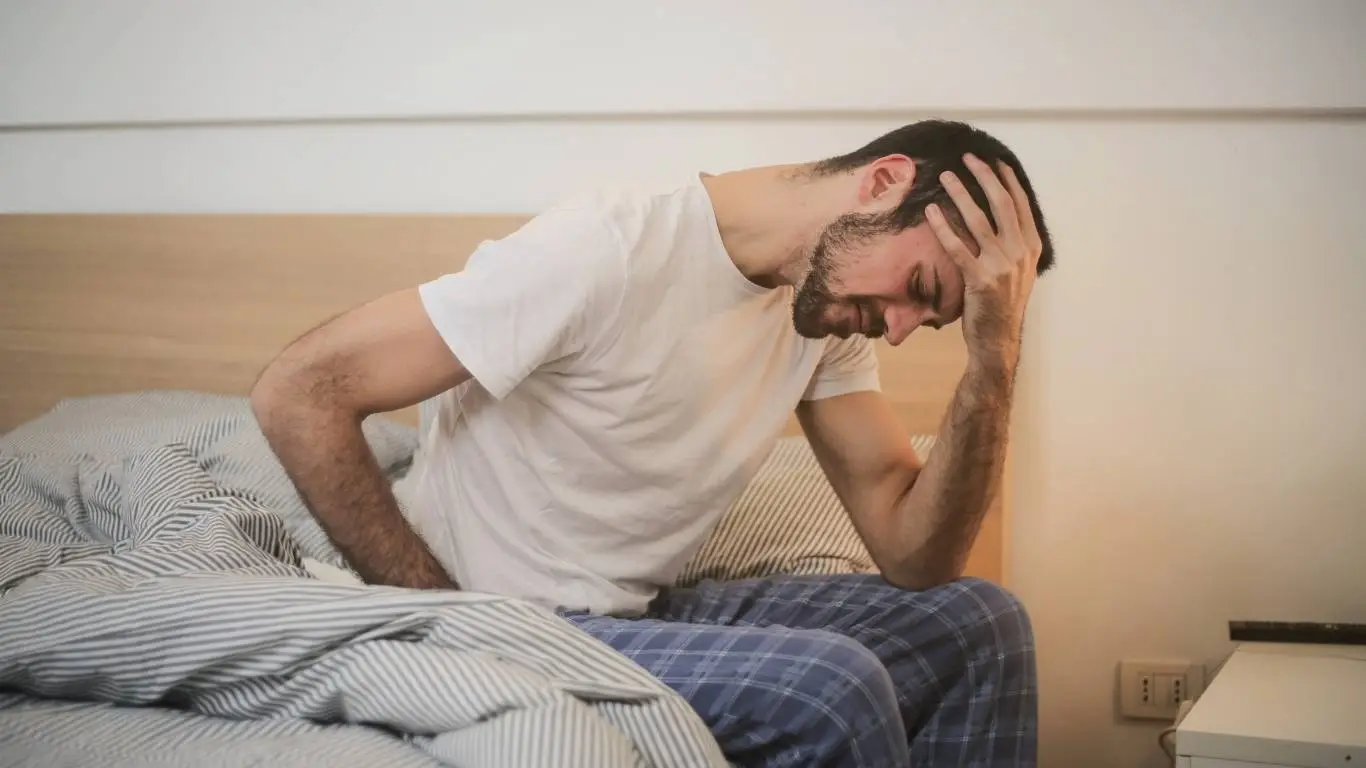
When you sleep, your spine should be in a neutral position — not twisted or strained. But if you’re a habitual stomach sleeper or curl up like a shrimp, you’re probably making things worse without realizing it. I used to wake up with that familiar dull ache in my lower back, thinking it was just part of life. Turns out, my sleep posture was sabotaging my recovery.
Poor sleeping posture can:
- Put excessive pressure on spinal discs
- Strain muscles and ligaments overnight
- Aggravate existing conditions like herniated discs or sciatica
Improving how you sleep is often one of the simplest lifestyle changes to ease chronic back issues.
Best Sleeping Positions for Lower Back Pain

1. Sleeping on Your Back with a Pillow Under Your Knees
This is my go-to. It distributes weight evenly and keeps the spine aligned. Placing a small pillow or rolled-up towel under your knees reduces stress on your lower back by flattening the lumbar curve. It’s surprisingly effective — I noticed improvement within days.
Bonus tip: combine it with a medium-firm mattress for better support.
2. Side Sleeping with a Pillow Between the Knees
For many people, especially pregnant women, this is the sweet spot. Lying on your side with a pillow between your knees prevents the top leg from pulling your spine out of alignment. It helps relieve pressure on the hips and lower back — a lifesaver during my second trimester.
3. Fetal Position (with Modifications)
Curling up in a loose fetal position can help open up space between vertebrae, which may ease pressure on discs, especially if you have bulging disc issues. Keep your back slightly curled and don’t clench too tightly — gentle is the key here.
Sleeping Positions to Avoid (Unless You Like Waking Up Sore)

1. On Your Stomach
This is arguably the worst if you’re dealing with back pain. It forces your neck into a twisted position and puts strain on your lower spine. Honestly, I had to train myself to quit — not easy, but worth it. If you’re stuck on your belly, try placing a pillow under your pelvis to reduce back strain.
2. Without Proper Pillow Support
It’s not just the mattress — your pillow matters too. Using one that’s too thick or too flat can throw your cervical spine out of whack. For side sleepers, a firm, supportive pillow that fills the gap between your head and shoulder is best. If you’re a back sleeper, go for something thinner to keep your head from tilting too far forward.
Simple Adjustments That Make a Big Impact

- Switch to memory foam or latex mattresses for better spine support and pressure relief
- Use body pillows if you’re a side sleeper who tosses and turns
- Maintain sleep hygiene — go to bed and wake up at the same time daily
- Stretch lightly before bed to loosen tight muscles
Making just one or two of these tweaks led to a significant improvement in my sleep quality — and my mornings. Now I wake up without that nagging tightness that used to follow me into the shower.
And if your back pain is related to specific conditions like scoliosis or fibromyalgia, personalized adjustments matter even more. In those cases, don’t just Google a solution — talk to a physical therapist who understands spinal biomechanics.
Additional support and insights on managing back discomfort and daily function can be found in our conservative treatment guide and the main back pain pillar.
Also, for a broader understanding of causes and how posture and daily habits affect your spine, visit our back pain causes section.
For clinical reference and additional reading, check out sources from Mayo Clinic, Spine-health, and NCBI.
Real-Life Strategies That Help You Sleep Pain-Free
Okay, so you’ve figured out your sleeping position — now what? Getting the alignment right is just the beginning. What made a real difference for me was pairing that with other small, realistic tweaks. It wasn’t about overhauling everything; it was about smarter habits and helpful tools.
1. Lumbar Rolls and Knee Pillows
I used to think these were gimmicks. They’re not. A simple lumbar roll tucked at the lower back when lying on your back gives just enough support to prevent sinking into the mattress. And those knee pillows? Game changers for side sleepers. They keep the pelvis aligned and reduce the morning hip pain I thought was just aging.
2. Temperature and Bedding Adjustments
Don’t underestimate your bedroom setup. Overheating can cause you to toss, twist, and ruin your position. Try breathable cotton sheets and maybe even a cooling mattress pad. I swapped out my heavy duvet for layers I could easily adjust, and my sleep became so much more consistent.
What to Do If You Wake Up With Pain Anyway

Even with the right posture, some mornings are rough. That’s just reality. But the key is how you respond.
- Don’t spring out of bed — roll onto your side, use your arms to push up, and swing your legs out together
- Stretch gently — think knees-to-chest or cat-cow instead of aggressive forward bends
- Heat packs — I keep a microwaveable one next to my bed. Five minutes can ease tightness fast.
If you’re consistently waking with pain, it might signal something deeper — like chronic vs acute inflammation. In those cases, don’t just adjust your pillow — look into your full daily movement patterns.
When to Consider Professional Help

We love our DIY solutions — I’m all about self-care — but sometimes, a sleep issue is a sign of a deeper condition that won’t fix itself. If your pain:
- Lasts more than a few weeks without improvement
- Wakes you up in the middle of the night
- Spreads to your legs, causes numbness, or affects your bladder/bowel control
… then it’s time to bring in backup. A good chiropractor, physical therapist, or spine specialist can help identify posture habits or imbalances you can’t see on your own.
In my case, what felt like “regular lower back pain” was actually being worsened by a mild SI joint dysfunction. Once I knew that, everything — from how I slept to how I stretched — had to be adjusted.
Tailoring Your Sleep Based on Specific Back Issues

Not all back pain is created equal, and neither are the solutions. Let’s break it down by condition:
Herniated Disc
Back sleeping with a cushion under the knees often helps, as does a reclined position. You want to reduce disc compression while keeping the spine relaxed.
Sciatica
Side sleeping with a pillow between the knees, or fetal position, often reduces nerve pressure. Avoid sleeping on your back with straight legs — that can pull the nerve taut.
Osteoarthritis or Facet Joint Pain
Try sleeping with slight spine flexion — like with the fetal position or with a wedge pillow under your knees. It can open up joint space and reduce that bone-on-bone ache you get first thing in the morning.
And if your condition is more rare — like ankylosing spondylitis — talk to your specialist about whether extension-based sleeping postures might help.
Good Sleep Hygiene Supports Great Sleep Posture
No matter how dialed-in your posture is, if your sleep hygiene is garbage, your results will be too. I found that creating a proper wind-down routine and environment was what helped me consistently stay in the right position all night.
- Set a regular bedtime — your body needs rhythm
- Cut screens 30–60 minutes before bed
- Try gentle stretching routines or a hot shower
- Keep your room cool, dark, and quiet
These little tweaks helped me stop flipping all night and kept my spine where it needed to be — aligned and relaxed.
And if you’re serious about long-term back health, consider reviewing our full guide on ergonomic and rehab strategies that go hand-in-hand with good sleep habits.
Bottom Line: Sleep Is Your Superpower

Once I stopped treating sleep as just “rest” and started seeing it as a vital part of my healing strategy, everything shifted. My pain lessened, my energy improved, and I started feeling like myself again.
It’s not about perfection — just intention. Align your spine, tweak your habits, and give your body the rest it deserves. And for deeper insight into back pain management, I highly recommend exploring our main back pain resource hub and checking out the comprehensive breakdown on back pain symptoms and diagnosis.
If you’re stuck in the loop of restless nights and achy mornings, don’t settle. Better sleep is one good habit away.
And you’ve totally got this.
Sources: Sleep Foundation, Cleveland Clinic, Harvard Health

Camellia Wulansari is a dedicated Medical Assistant at a local clinic and a passionate health writer at Healthusias.com. With years of hands-on experience in patient care and a deep interest in preventive medicine, she bridges the gap between clinical knowledge and accessible health information. Camellia specializes in writing about digestive health, chronic conditions like GERD and hypertension, respiratory issues, and autoimmune diseases, aiming to empower readers with practical, easy-to-understand insights. When she’s not assisting patients or writing, you’ll find her enjoying quiet mornings with coffee and a medical journal in hand—or jamming to her favorite metal band, Lamb of God.