Why Anxiety About Climate Change Feels Overwhelming Yet Fixable
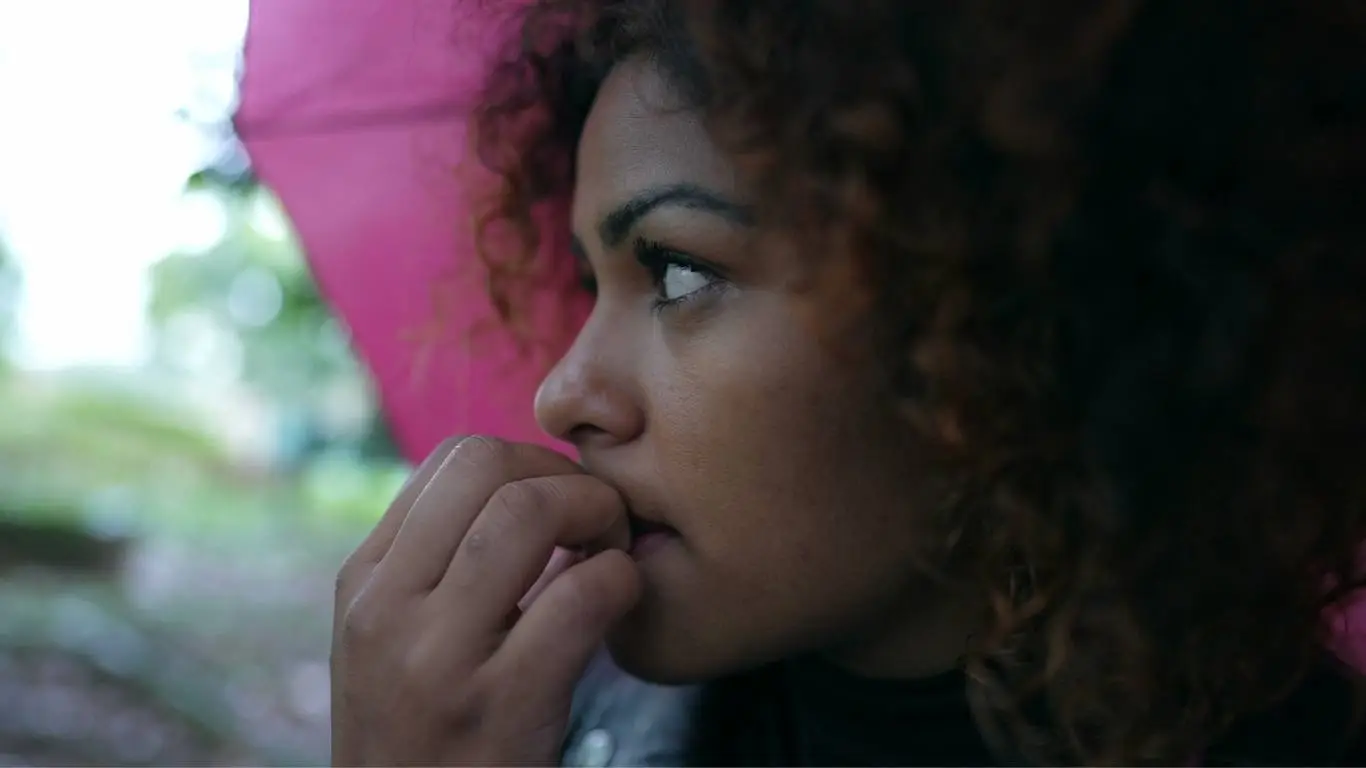
It’s weird how some mornings I wake up feeling this strange, low-key panic — and I can’t immediately trace it back to anything. But when I start scrolling the news and see another headline about rising sea levels or record-breaking wildfires, it clicks: it’s the climate again. And I know I’m not alone. A lot of people are quietly carrying around this heavy feeling, a kind of background noise of fear and helplessness about where our planet is heading. If you’ve been feeling that too — racing thoughts about the environment, difficulty focusing, this vague sense of doom creeping in — then you might be dealing with something more specific than general stress: anxiety about climate change.
Understanding What Climate Anxiety Really Feels Like

Climate anxiety isn’t some abstract concept. It’s a real psychological response to environmental threats — and it’s growing. Whether it’s waking up in a sweat after watching a documentary on glacial melting or obsessively calculating your carbon footprint, this isn’t just eco-guilt. It’s anxiety. And for many of us, it’s becoming part of our daily mental landscape.
It’s More Than Just Worry
For me, it goes beyond concern. It’s that tightness in the chest, the spiraling what-ifs, the feeling of being overwhelmed by the sheer scale of the problem. And according to the American Psychological Association, this type of anxiety is on the rise — especially in younger generations.
- Feeling helpless or hopeless about the future
- Experiencing sleep disturbances after reading environmental news
- Avoiding certain activities due to environmental guilt
- Constant ruminating over climate-related disasters
It’s not surprising. Studies from apa.org and nih.gov show a strong connection between environmental concerns and rising levels of generalized anxiety, particularly in communities already affected by natural disasters.
Who Is Most Affected by Climate Anxiety?

You might assume this kind of anxiety is reserved for environmentalists or scientists, but that’s not the case. I’ve spoken to people in cities, suburbs, even folks in rural areas who feel this creeping dread. There are some groups, though, that seem to carry the weight more heavily.
Younger Generations
Teens and twenty-somethings are especially vulnerable. Many feel betrayed by older generations and overwhelmed by the responsibility to “fix” things. It’s no wonder social anxiety in teens is often compounded by eco-anxiety.
Parents and Caregivers
There’s this guilt I’ve heard from other parents — wondering if bringing kids into this world was the right choice, or how to prepare them for an uncertain future. Climate anxiety intersects with parenting with anxiety in painful, subtle ways.
People with Preexisting Anxiety Disorders
If you already deal with generalized anxiety disorder (GAD), climate anxiety can add another layer of dread. It’s like a second track playing behind the usual mental noise — except this one’s harder to turn off.
How Anxiety About Climate Change Affects Daily Life

It’s easy to dismiss this kind of anxiety as something you can “just ignore.” But for many of us, it bleeds into the way we think, work, and connect with others. I’ve found myself zoning out during meetings, losing sleep, or even snapping at friends — all after a doomscrolling session about the next climate deadline.
Decision Paralysis
Should I stop flying altogether? Is it ethical to buy anything new? These aren’t just lifestyle questions — they become anxiety triggers. There’s a constant inner monologue of guilt and second-guessing.
Social Disconnection
Sometimes I feel like the only one in my circle who actually *feels* this deeply about the climate crisis. That isolation can make things worse. Not everyone wants to talk about rising sea temperatures at brunch — and it leaves you feeling alone in your fear.
Health Impacts
According to a recent piece on shortness of breath in anxiety, many people with climate anxiety experience very real physical symptoms: chest tightness, headaches, nausea. The brain doesn’t always distinguish between imminent personal threat and long-term environmental catastrophe.
Is There a Way to Cope With This Type of Anxiety?
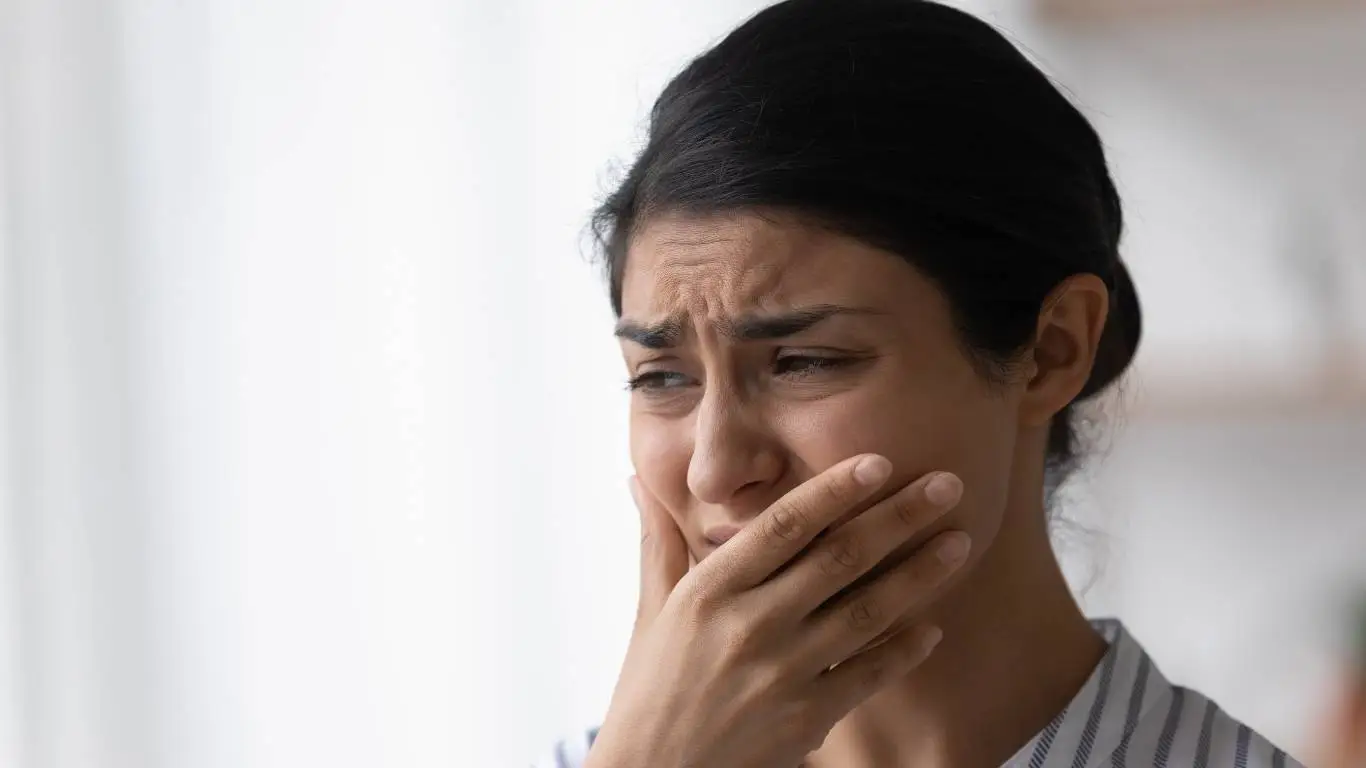
Honestly, what helped me wasn’t pretending the climate crisis doesn’t exist. It was learning how to live with the discomfort — without letting it consume me. Here are a few things that made a difference:
- Mindfulness practices: I found breathing exercises from this guide surprisingly grounding during panic episodes.
- Journaling: Getting thoughts out of my head and onto paper helps make the anxiety feel less chaotic. This list of journal prompts really helped on restless nights.
- Joining local climate groups: Action reduces helplessness. When I connect with others who care, I stop spiraling and start feeling more empowered.
There’s also no shame in seeking professional support. Cognitive behavioral therapy (CBT) has a solid record in anxiety treatment, including eco-specific worries. This guide on CBT for anxiety is a great place to start if therapy feels intimidating.
For a more complete understanding of anxiety’s roots and treatment pathways, the article on hidden causes of anxiety disorders offers surprising insights. It also ties into how layered this issue really is — climate anxiety doesn’t happen in a vacuum.
And if you want to understand how anxiety disorders as a whole sneak into your everyday routine — often without you realizing — I recommend starting with this main pillar guide that breaks it down in plain language.
Turning Climate Anxiety Into Meaningful Action

So here’s the thing that really shifted something for me: realizing I don’t have to fix everything. I just have to do something. When you’re dealing with anxiety about climate change, taking action — even if it’s small — gives your brain something to anchor to. It’s not about solving the whole crisis; it’s about building a sense of agency again.
Get Involved Without Burning Out
I used to think if I wasn’t chaining myself to a tree or giving up electricity, I wasn’t doing enough. That mindset? Total anxiety fuel. What helped instead was finding ways to contribute that fit *my* life, without burning out.
- Supporting local climate organizations through donations or social sharing
- Attending online town halls about community sustainability plans
- Switching to plant-based meals just a few times a week
- Choosing sustainable brands — but not stressing if I can’t every time
That shift made a huge difference. It reminded me that being part of a movement doesn’t have to mean sacrificing your mental health. Building resilience is about endurance, not perfection.
Rewiring How You Think About the Future
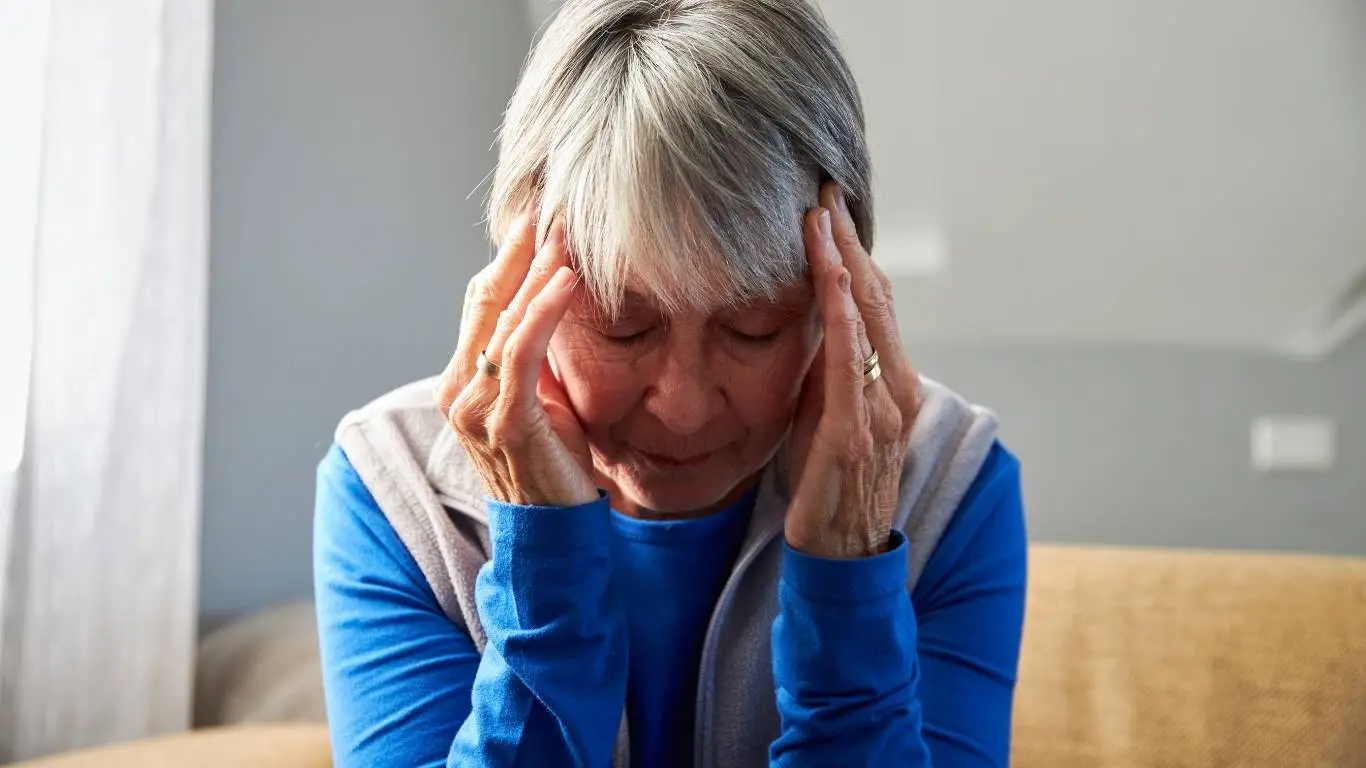
One of the hardest parts of climate anxiety? That dread of what’s coming. I used to feel paralyzed just thinking about what the world might look like in 10, 20, 50 years. That kind of catastrophic thinking is a symptom of anxiety — and while the concerns are valid, the way our brains spiral is what really wrecks us.
Try Grounding Techniques
Whenever I get caught in a mental storm of “what ifs,” grounding techniques help reel me back in. One of the easiest I use is the 5-4-3-2-1 method:
- 5 things I can see
- 4 things I can touch
- 3 things I can hear
- 2 things I can smell
- 1 thing I can taste
It sounds simple, but I promise — it helps snap your brain out of that spiral. And if you want more ways to physically calm yourself down, check out how progressive muscle relaxation can ease anxiety naturally.
Balance Awareness With Boundaries
This one’s hard, especially if you care deeply. But there’s a fine line between staying informed and emotionally drowning. I started setting a limit on my climate-related content each day. No more than 15 minutes of reading — and never right before bed.
Instead, I replaced some of that doomscrolling with more calming evening rituals. Herbal tea. Journaling. Reading something *not* about the end of the world. Wild idea, I know.
Reconnecting With the Natural World

One thing that’s helped me more than I expected? Getting outside — not just for exercise, but for perspective. When I take walks through local trails or sit under a tree and actually listen to the wind, it reminds me that the world is still here. Still beautiful. Still worth showing up for.
Nature as Therapy
Turns out, there’s actual science behind that. Ecotherapy is gaining traction for treating eco-anxiety, and it’s no wonder. When you’re surrounded by the very thing you’re afraid of losing, it motivates you — but it also soothes something deep in your nervous system.
It’s like the environment is quietly saying: “You’re not separate from me. We’re in this together.”
When Climate Anxiety Becomes Too Much

If your anxiety is interfering with your ability to live your life — to sleep, work, connect — it’s okay to seek help. Seriously. Therapy isn’t weakness. It’s strategy. And there are practitioners who specialize in this kind of stress.
Therapies That Work
Some of the most effective approaches for climate anxiety include:
- Cognitive Behavioral Therapy (CBT) – helps reframe spiraling thoughts
- Acceptance and Commitment Therapy (ACT) – encourages you to take meaningful action despite fear
- Group therapy or climate cafes – lets you connect with others feeling the same way
If you’re curious how other treatments stack up, check out the guide on anxiety-focused psychotherapy. There’s no one-size-fits-all, but there are options — and that’s what matters.
Small Joys Are Still Allowed

Here’s something I had to remind myself of (more than once): feeling joy doesn’t mean you’re ignoring the crisis. Smiling, laughing, celebrating things — those aren’t betrayals of the planet. They’re fuel for the fight. You don’t have to carry the weight of the world every second to prove you care.
Making room for joy, love, connection — it keeps your spirit intact. And the world needs more people who are mentally, emotionally, and physically strong enough to help shape what comes next.
To better understand how anxiety touches every corner of daily life, especially in subtle ways, visit this pillar guide on daily disruptions caused by anxiety.

Camellia Wulansari is a dedicated Medical Assistant at a local clinic and a passionate health writer at Healthusias.com. With years of hands-on experience in patient care and a deep interest in preventive medicine, she bridges the gap between clinical knowledge and accessible health information. Camellia specializes in writing about digestive health, chronic conditions like GERD and hypertension, respiratory issues, and autoimmune diseases, aiming to empower readers with practical, easy-to-understand insights. When she’s not assisting patients or writing, you’ll find her enjoying quiet mornings with coffee and a medical journal in hand—or jamming to her favorite metal band, Lamb of God.