
Managing Senior Migraines With Safe Relief That Works
When I first noticed my grandmother frequently retreating to a dark room in the afternoons, I thought it was just fatigue. It wasn’t until she started describing a strange throbbing on one side of her head, sensitivity to light, and occasional nausea that the word “migraine” even crossed our minds. It turns out, senior migraines are more common—and more complex—than we often realize.
Understanding Migraines in Older Adults
Migraines don’t just disappear as we age—in fact, for many seniors, the experience evolves. While some individuals who suffered from migraines in their youth may notice a decrease in frequency, others experience migraines for the first time after 60. According to Mayo Clinic, migraines in seniors often present differently and may go undiagnosed or misdiagnosed due to overlapping symptoms with other age-related conditions.
How Senior Migraines Differ
- Atypical Pain Locations: Seniors may experience pain that’s more diffuse or located at the back of the head rather than one side.
- Shorter Duration: Episodes tend to be briefer, but can still disrupt daily life significantly.
- Fewer Aura Symptoms: Visual disturbances and sensory changes are less common compared to younger adults.
These nuances often lead doctors to initially rule out migraine and suspect conditions like tension headaches, medication side effects, or even mini-strokes. That’s why proper evaluation is essential.
Common Triggers of Senior Migraines

Unlike teenagers or working adults, seniors face unique triggers. While migraine triggers vary widely across age groups, certain patterns show up more frequently among older adults.
Medication Interactions
Polypharmacy is common in seniors. Some blood pressure drugs, hormone treatments, or vasodilators may trigger migraines as side effects. Reviewing current prescriptions with a healthcare provider is a wise step.
Weather Sensitivity
I remember one day during a rapid drop in barometric pressure, my grandmother developed a migraine that mimicked vertigo. Sudden weather shifts, especially high humidity or storm fronts, are established culprits—an issue explored more in-depth in our article on weather-triggered migraines.
Sleep Disruptions
Sleep fragmentation or early waking, often tied to age-related changes in melatonin and circadian rhythm, can prime the brain for a migraine. To understand how sleep quality interplays with migraines, visit our guide to migraine and sleep habits.
Diagnosing Migraines in Seniors

Diagnosis can be tricky. Many seniors present with overlapping symptoms of other neurological conditions, including strokes and transient ischemic attacks (TIAs). Migraines with aura—especially those featuring speech disturbances or numbness—may be mistaken for something far more severe.
Proper diagnosis involves careful history taking, ruling out secondary causes, and possibly imaging tests. Our breakdown on how migraines are diagnosed explains the process and why it’s particularly critical for older adults.
Tracking Symptoms Can Help
Encouraging older family members to keep a migraine diary can provide vital clues for physicians—especially when visits are short and memory may be unreliable. I created one for my grandmother using simple checkboxes, and within a few weeks, a clearer pattern emerged.
How Migraine Symptoms Manifest in Seniors
In older adults, symptoms may mimic or overlap with tension-type headaches or neuralgia. Common migraine symptoms such as nausea, light sensitivity, and sound aversion may still be present, but often with reduced intensity or frequency.
In some cases, seniors might not report the pain as intense but rather describe it as a dull heaviness. There may also be more neurological symptoms like numbness, speech issues, or even confusion, which warrants further medical evaluation.
Migraine or Something Else?
Because stroke and migraine symptoms can overlap, especially in the presence of aura, distinguishing between the two becomes a matter of urgency. Seniors presenting with sudden headaches accompanied by neurological symptoms should always be evaluated for stroke first, as advised by sources like National Institute of Neurological Disorders and Stroke.
Cross-Linked Migraine Considerations for Seniors

Senior migraine management doesn’t exist in a vacuum. Conditions like fibromyalgia and depression often coexist. It’s important to recognize how these comorbidities can influence treatment plans and outcomes.
Moreover, many seniors seek complementary treatments. From acupuncture to magnesium supplements, non-pharmaceutical strategies often play a supporting role. It’s also worth exploring options discussed in our natural migraine remedies cluster.
To explore how migraines are addressed across all age groups and causes, our main migraine hub offers a comprehensive dive into triggers, prevention, and more.
Safe and Effective Treatments for Seniors
For older adults, treating migraines isn’t just about relief—it’s about safety. Many standard migraine medications, especially triptans, can pose cardiovascular risks. That’s why treatment plans for seniors must be carefully tailored, with attention to medical history and drug interactions.
Medications to Consider—And Avoid
- Acetaminophen: Generally safe when used correctly, especially for mild-to-moderate pain.
- NSAIDs: Useful but must be used with caution due to potential risks to kidneys and gastrointestinal lining.
- Triptans: Often avoided in seniors with heart disease, though newer options may be considered under supervision.
- CGRP inhibitors: Emerging therapies like those discussed in our CGRP inhibitors guide may offer safer long-term management without vasoconstrictive effects.
Many of the older patients I’ve spoken with share a common fear: medication overload. That’s why some lean toward complementary options—especially when conventional routes fall short or cause side effects.
Non-Pharmaceutical Approaches
From my family’s experience, cognitive behavioral therapy (CBT) was a game-changer. For my grandmother, it helped her reframe the anxiety she felt before migraines hit, often reducing their intensity. Other helpful strategies include biofeedback and temperature therapy.
Lifestyle Adjustments That Make a Difference
Sometimes, the most effective migraine defense is woven into daily routines. Seniors often have more flexible schedules—an advantage when it comes to creating consistency and reducing triggers.
Nutrition and Hydration
Skipping meals is a surprisingly common issue in seniors, whether due to lack of appetite or forgetfulness. But irregular eating is a top trigger. Consider working with a nutritionist to create stable, migraine-friendly meal plans. Staying hydrated is equally essential, and you can read more on that in our article on the dehydration–migraine link.
Movement and Gentle Exercise
Exercise can be intimidating for older adults, especially those with arthritis or mobility concerns. But even light activities—like walking, tai chi, or yoga—may help lower migraine frequency by reducing stress and improving circulation.
Sleep Hygiene
Maintaining a consistent bedtime and minimizing screen time before sleep can make a measurable difference. If sleep remains a challenge, explore our piece on optimal sleep positions for migraine relief.
Devices and Tools Designed with Seniors in Mind

Technology is evolving to meet migraine sufferers where they are—especially helpful for those who are hesitant about medication or managing multiple health issues.
Wearable Relief Options
- Cefaly: An FDA-approved neuromodulation device worn on the forehead, ideal for drug-free prevention. Learn more in our Cefaly review.
- Nerivio: A wearable that uses remote electrical neuromodulation. Seniors can control it via smartphone—surprisingly easy, even for my tech-averse uncle. More details in our Nerivio wearable review.
Environmental Aids
Many older migraine sufferers are sensitive to light and sound. We recommend tools like blue light glasses and the best earplugs to minimize sensory overload. The right pillow can also reduce neck strain and improve sleep posture, particularly for back or side sleepers.
Support, Awareness, and Advocacy
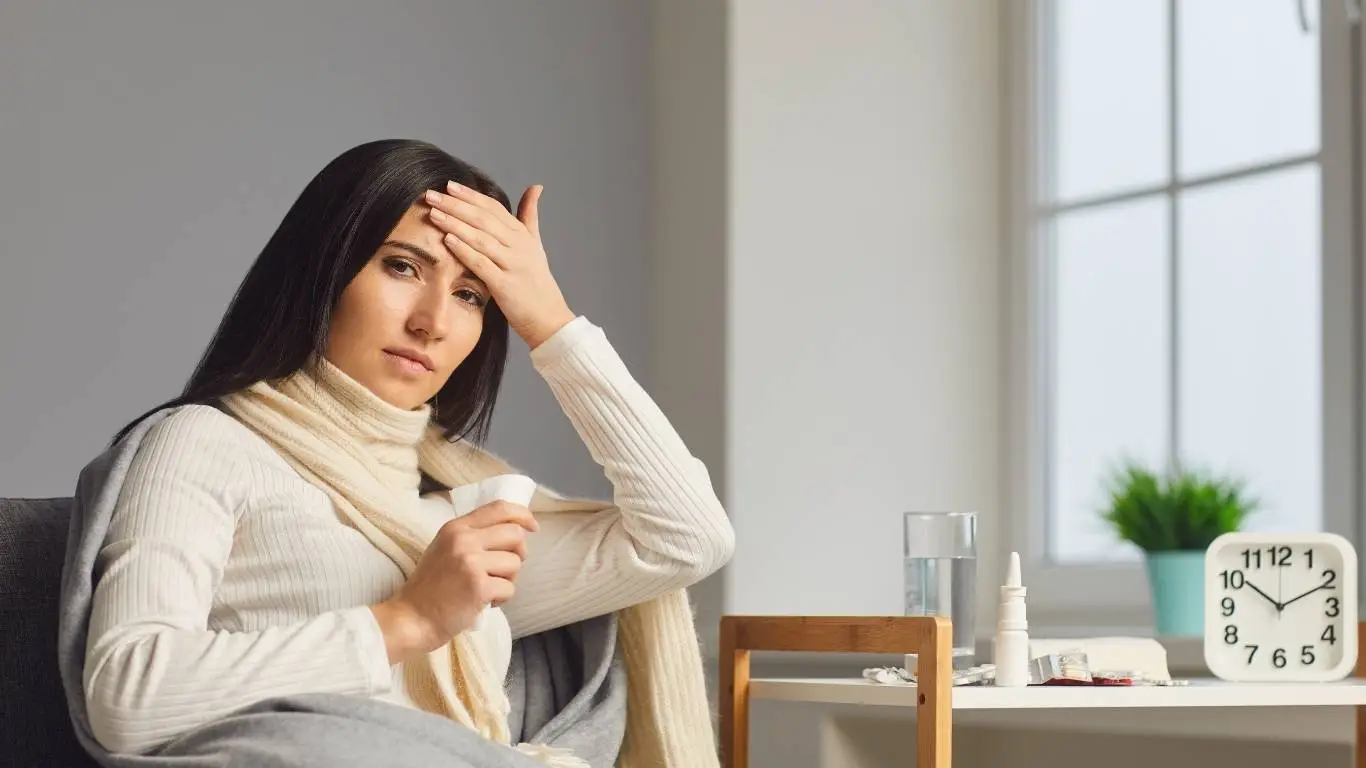
Migraine is still misunderstood, especially in the senior community. Many brush off their symptoms as “just aging,” not realizing that validation and proper treatment are within reach.
Professional and Community Support
Geriatric neurologists and headache specialists can provide more nuanced treatment approaches. To find out when it’s time to see a specialist, check our guide on seeing a neurologist for migraines.
Support groups—whether local or online—can reduce isolation and encourage consistency in treatment. We’ve compiled a list of migraine influencers who offer senior-specific tips, including lifestyle hacks and mental health resources.
Living Fully, Even With Migraines
My grandmother still gets the occasional migraine. But with a tailored treatment plan, proper rest, hydration, and wearable devices she trusts, she’s regained the confidence to attend church, travel, and enjoy her garden. That’s the goal—not just symptom relief, but a return to meaningful living.
To explore more resources across all migraine-related topics—from prevention to treatment—return to our main migraines hub.