Why Flat Feet Can Secretly Trigger Lower Back Pain Issues
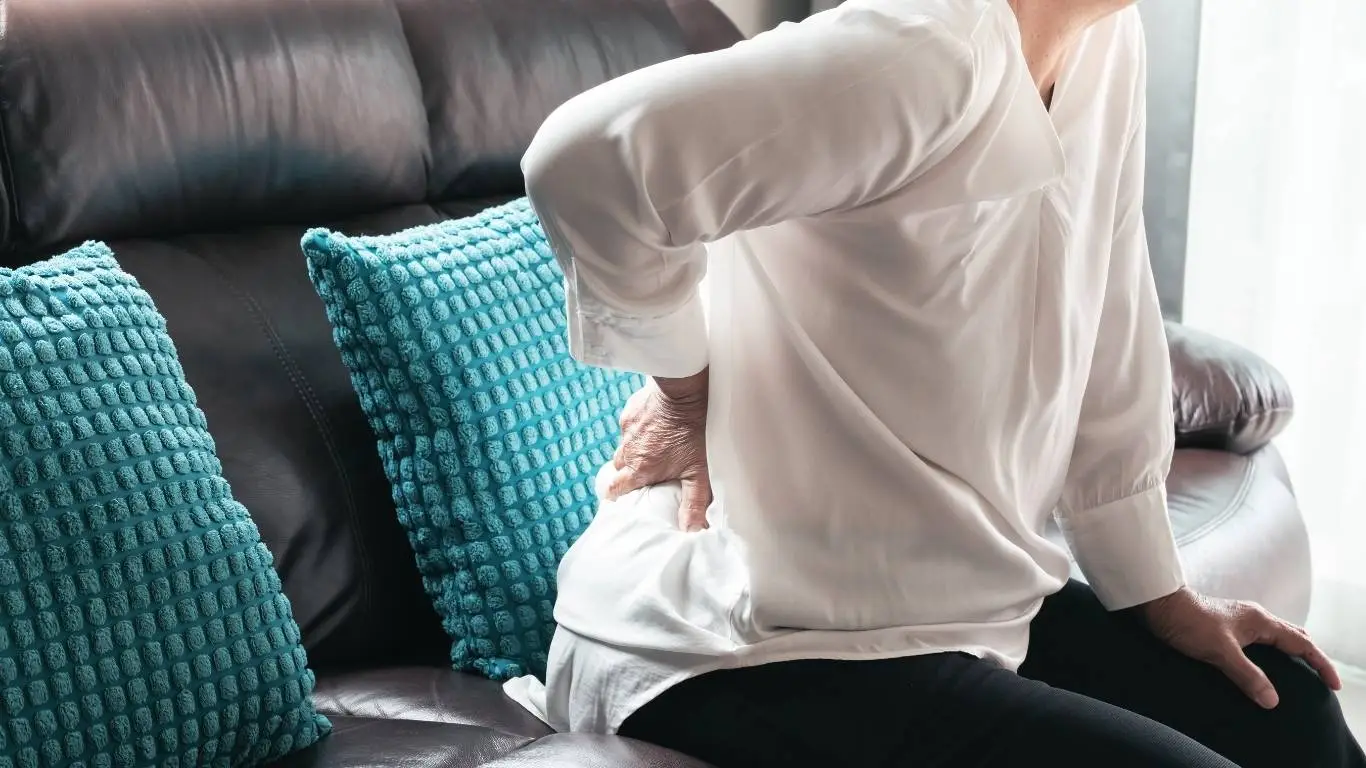
I used to think my persistent lower back pain came from bad posture or sitting too long — you know, the usual culprits. Turns out, my flat feet had a lot more to do with it than I ever imagined. If you’ve ever had that dull ache in your lower back that refuses to go away, especially after walking or standing for a while, it might be time to look at what’s going on beneath your ankles.
How Flat Feet Quietly Contribute to Lower Back Pain

Most people don’t connect their foot structure with back problems. I didn’t either, not until a podiatrist showed me how my collapsed arches were silently pulling my entire body out of alignment. Flat feet, or fallen arches, disrupt the chain of motion that starts at your feet and moves up through your ankles, knees, hips — and yes, your spine.
Why It Matters More Than You Think
Every time you walk or run, your feet absorb impact and distribute it evenly across your body. When that system breaks down due to flat arches, it throws off your natural gait. That imbalance causes chronic posture changes that force your lower back muscles to compensate, working overtime to keep you upright.
- Overpronation (inward foot roll) leads to pelvic tilt
- Pelvic tilt strains lumbar spine muscles
- Uneven weight distribution stresses joints and discs
And if you already have an underlying issue like herniated discs or spondylolisthesis, this makes things a whole lot worse.
The Posture Domino Effect: When Feet Fail, the Spine Pays

Ever watched someone walk and noticed their knees knocking in slightly, hips off-center, and a forward tilt in their upper body? That’s the classic chain reaction from untreated flat feet. When your arch collapses, your legs rotate inward, your hips tilt, and your back ends up carrying all that strain. Over time, this misalignment can result in both acute and chronic pain.
According to the National Library of Medicine, there’s a strong correlation between lower limb biomechanics and spinal health. It’s not about if flat feet cause pain — it’s how long you go untreated before it really disrupts your life.
Common Symptoms You Might Be Ignoring
- Aching or burning in your lower back after walking or standing
- Tight hips and hamstrings that don’t seem to loosen
- Knee pain or stiffness unrelated to injury
- One shoe sole wearing out faster than the other
In my case, it wasn’t until I got fitted for orthotics that I realized just how much strain I was putting on my back daily. A week into wearing them, the constant tightness I felt while driving or standing in line dropped by half.
Who’s Most at Risk?

Flat feet aren’t just a kids’ thing. While it’s often diagnosed during childhood, many adults develop it due to aging, pregnancy, obesity, or injuries. It becomes particularly problematic if you’re on your feet all day or do high-impact activities.
Certain groups may also experience compounded effects:
- Pregnant women – added weight and hormonal changes flatten the arches
- Older adults – natural wear and tear weakens foot ligaments
- Runners – repetitive impact without arch support
- People with sedentary jobs – prolonged sitting leads to tight hip flexors and worsens misalignment
I remember one nurse I spoke to who had flat feet but ignored them for years. She started experiencing intense sciatica-like symptoms, and it turned out her foot alignment had contributed to nerve compression. Sciatic nerve irritation is surprisingly common in people with severe overpronation.
Diagnosis and Treatment: What Helped Me

Diagnosing flat feet is surprisingly straightforward — a simple footprint test or a podiatric gait analysis can reveal a lot. What worked for me wasn’t just getting insoles, but pairing them with consistent lower body mobility exercises.
Start With These Steps
- Custom orthotics: Not the over-the-counter kind. Real support starts with personalized arch correction.
- Foot strengthening exercises: Things like towel scrunches, toe yoga, and heel raises go a long way.
- Back-focused yoga: These poses helped me regain flexibility and correct posture imbalances.
- Stretching hamstrings and calves: Because tightness here makes everything worse.
A lot of folks also find relief through ergonomic rehabilitation routines, which help reset movement patterns from the feet upward.
Building a Routine That Actually Works

What finally worked for me was building small habits — daily calf stretches, rolling my foot on a lacrosse ball during meetings, choosing shoes with good heel counters, and never walking barefoot on hard floors.
Consistency is key. You don’t have to flip your whole life around, but addressing the root cause (your feet!) will make a night-and-day difference in your back health. For more insights on common underlying factors, check out this guide on back pain causes and this detailed resource on back pain.
How Flat Feet Can Worsen Existing Back Issues

Here’s something that caught me off guard: flat feet don’t just *cause* back pain — they magnify every existing issue. If you’ve got something like chronic lower back pain, scoliosis, disc problems, or even arthritis, the instability from your arches only throws fuel on the fire.
I learned this the hard way. I already had some mild lumbar disc compression. Once my podiatrist explained how the lack of foot support was increasing the load on my lumbar vertebrae, it finally made sense why my flare-ups came after long walks or errands.
It’s Not Just About Pain
Flat feet can shift the way you move entirely. You might start limping slightly or leaning forward to compensate. That affects your hips, knees, and spine. According to NIH research, gait abnormalities significantly contribute to long-term spinal degeneration — especially in people over 40.
- Increased joint wear in knees and hips
- Pelvic rotation from uneven leg movement
- Disruption of lumbar spine curvature (lordosis)
It’s a vicious cycle — bad feet lead to bad posture, which leads to worse spine issues, and so on.
What Doctors and Physical Therapists Actually Recommend

Over the years, I’ve spoken with multiple PTs and orthopedists. Here’s what consistently came up: early correction makes a huge difference. The longer you wait, the more compensation your body does, and the harder it is to undo.
Typical Flat Feet Protocols for Back Pain Relief
- Custom orthotics: Especially ones that support your medial arch and stabilize your heel.
- Manual therapy: Mobilization of the hips, lower back, and even the plantar fascia helps realign the whole chain.
- Foot and glute strengthening: Weak glutes often come with flat arches. Bridges, clamshells, and toe-curling drills can help stabilize your pelvis.
- Movement retraining: Practicing neutral spine positioning and walking patterns with proper foot placement.
You can also add simple mobility drills into your routine. Here’s a great guide I followed for back pain rehab exercises that work hand-in-hand with foot correction.
Daily Habits That Make a Long-Term Difference

Here’s what worked for me. After years of struggling, these little shifts became my go-to habits:
- Minimalist footwear at home: Helps strengthen the intrinsic foot muscles naturally.
- Calf and soleus stretches daily: Loosens the lower chain to reduce pulling on the lower back.
- Lacrosse ball foot massage: A lifesaver after long days on my feet.
- Posture checks: Especially during desk work. I keep a sticky note on my monitor as a reminder to stack my spine.
If your job involves standing or sitting for long hours, ergonomic changes matter. Using a footrest, standing desk, or even swapping out your shoes regularly can make a surprising impact. This article on sitting-related back pain breaks it down well.
When Flat Feet Become a Medical Concern

It’s not always just an annoyance. Flat feet can sometimes be linked with conditions that require more than inserts and stretches:
- Tarsal coalition: When bones in your foot fuse abnormally, limiting motion
- Posterior tibial tendon dysfunction: The tendon that supports your arch weakens
- Severe arthritis: Where inflammation causes the arch to collapse
If you have significant pain even with rest, difficulty walking, or visible deformity, it’s worth seeing a specialist. A podiatrist or orthopedist may recommend advanced imaging or even surgical options. One case I heard involved a friend needing a minor corrective surgery, and within months their lower back pain was nearly gone.
If you’re already dealing with degenerative issues, take a look at how disc degeneration interacts with foot misalignment.
Supporting a Healthy Spine From the Ground Up

Your feet are your foundation. And like any structure, a shaky foundation means instability all the way to the top. I used to brush this off, thinking it was just another thing to manage. But correcting my foot alignment shifted everything — posture, pain, even energy levels.
So if you’ve been chasing solutions for lower back pain and keep hitting dead ends, take a look at your feet. Strengthen them. Support them. Move better from the ground up. It’s not a quick fix, but it’s one of the most lasting ones.
You can dive deeper into natural and lifestyle-focused back pain relief strategies that work well alongside foot correction. And for the complete back pain journey, start at the main resource here: Back Pain Overview.

Camellia Wulansari is a dedicated Medical Assistant at a local clinic and a passionate health writer at Healthusias.com. With years of hands-on experience in patient care and a deep interest in preventive medicine, she bridges the gap between clinical knowledge and accessible health information. Camellia specializes in writing about digestive health, chronic conditions like GERD and hypertension, respiratory issues, and autoimmune diseases, aiming to empower readers with practical, easy-to-understand insights. When she’s not assisting patients or writing, you’ll find her enjoying quiet mornings with coffee and a medical journal in hand—or jamming to her favorite metal band, Lamb of God.