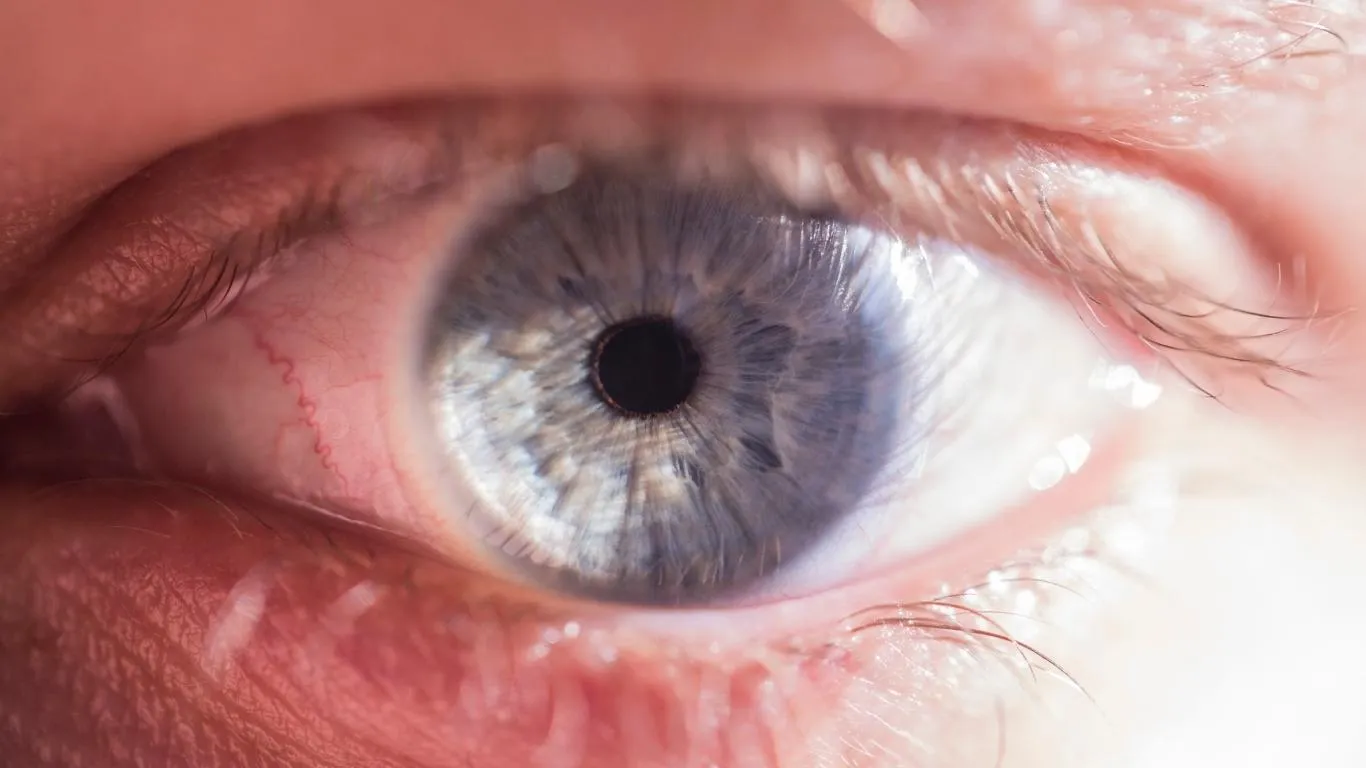
Why Floaters After Emotional Trauma Feel So Persistent
The first time I noticed a flurry of tiny specks floating in my field of vision, I was going through one of the most emotionally draining times of my life. I assumed it was just eye strain from stress or crying too much. But the floaters stayed, and they were persistent. If you’re seeing floaters after an emotional trauma and wondering if the two could be connected, you’re not alone—and no, it’s not all in your head.
Can Emotional Trauma Trigger Eye Floaters?
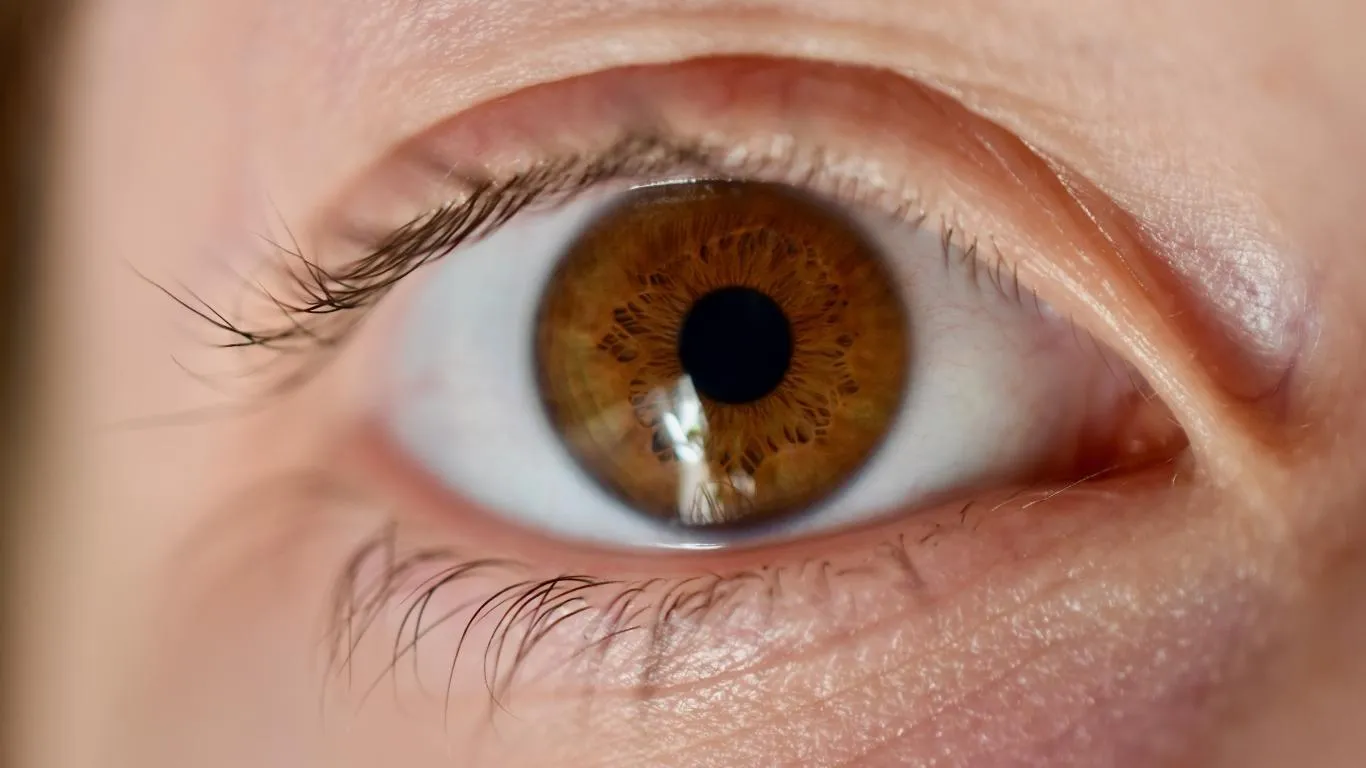
While emotional trauma may not directly *cause* floaters in the traditional medical sense, it plays a huge role in *triggering*, *amplifying*, or even making you more aware of them. When we experience acute stress, our body releases a surge of cortisol and adrenaline—two hormones that affect everything from blood circulation to visual perception. And guess what? That includes your eyes.
In my case, I had just gone through a major loss, and with it came sleepless nights, high anxiety, and endless hours staring at nothing while trying to process what had just happened. That’s when I started noticing these shadowy shapes drifting around like ghostly cobwebs. Turns out, I wasn’t alone.
According to several clinical studies, heightened psychological stress may worsen visual symptoms, especially in people already predisposed to eye floaters. Emotional trauma affects the nervous system—and yes, that includes the visual system.
Understanding the Science Behind It
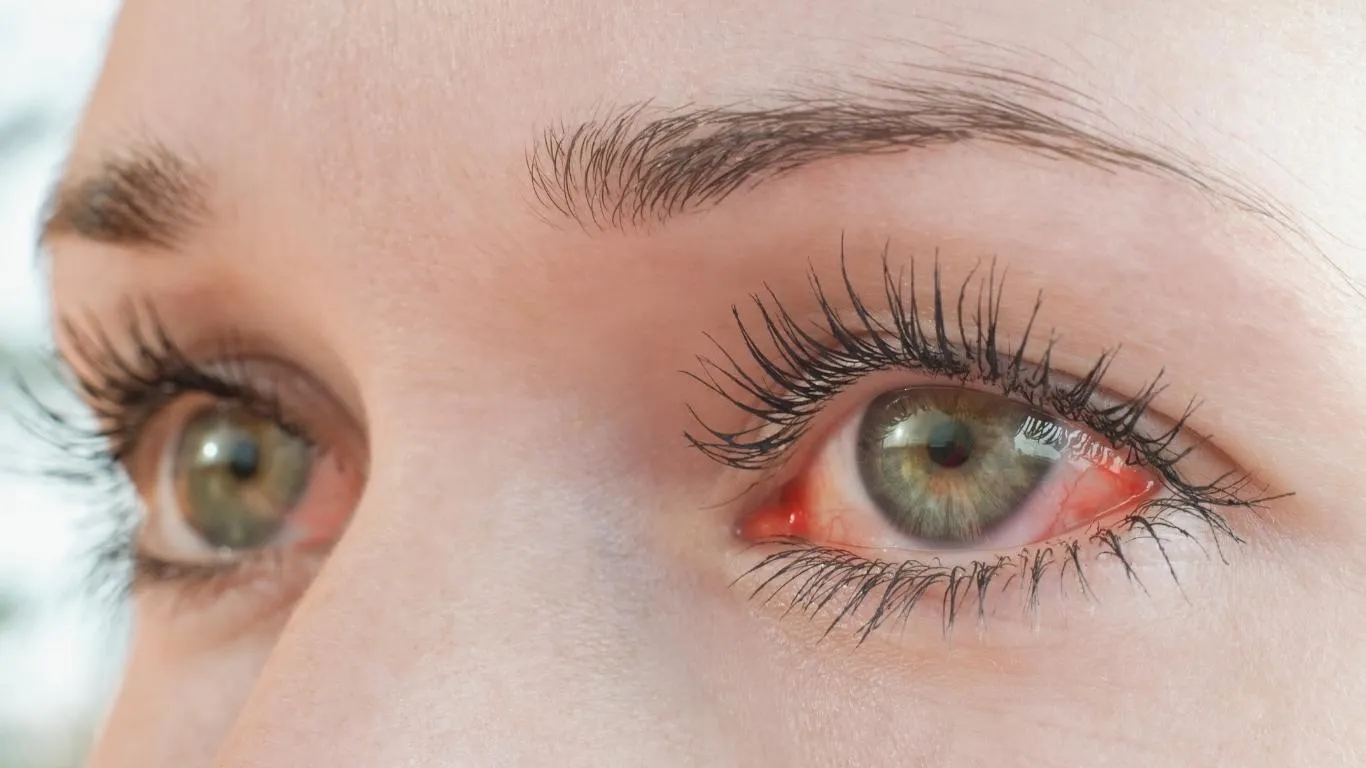
Floaters are typically caused by age-related changes in the vitreous—the gel-like substance that fills the inside of your eye. Over time, the vitreous can liquefy, shrink, and pull away from the retina, forming small clumps or strands. These cast shadows on the retina, appearing as floaters in your vision.
So where does emotional trauma come in?
It doesn’t change the anatomy of your eye, but it changes your physiology and perception. Trauma may lead to:
- Increased cortisol that contributes to oxidative stress in ocular tissues
- Reduced sleep and eye fatigue, making floaters more noticeable
- Changes in blood pressure and intraocular pressure
- Hyper-awareness of visual stimuli due to anxious states
Some researchers even link floaters with psychosomatic responses in trauma survivors. Floaters can appear more intense or intrusive when someone is dealing with post-traumatic stress. This may explain why people often report a *sudden burst of floaters* after emotionally intense events.
If you’ve ever asked yourself why floaters suddenly increased after emotional upheaval, this physiological cocktail of stress, perception, and eye strain could be your answer.
Personal Accounts and Pattern Recognition
You don’t need to be an ophthalmologist to notice patterns. Scroll through any health forum or social group and you’ll find people sharing eerily similar stories:
- “I noticed my floaters the day after a panic attack.”
- “They got worse after my divorce.”
- “I thought I was going blind after a stressful week.”
These aren’t just coincidences. They’re lived experiences that the medical field is slowly starting to validate. One possible explanation is that trauma sensitizes the brain’s visual processing center, making any changes in vision—like floaters—feel more pronounced.
And let’s not ignore how screen time overload during periods of emotional trauma (like binging Netflix in bed for days) can further contribute to visual disturbances. You’re not just emotionally wrecked—your eyes are too.
Medical Conditions That Might Be Overlooked
Floaters caused by trauma—whether emotional or physical—aren’t always benign. There are actual conditions that can piggyback off intense psychological states:
- Posterior Vitreous Detachment (PVD) – often triggered by stress-related spikes in blood pressure or intraocular changes
- Eye strain-induced microtrauma – yes, rubbing your eyes while crying or during anxiety can cause or worsen floaters
- Hypertension-linked vitreous changes – cortisol can elevate blood pressure, which may impact the microvasculature of your eye
In fact, a detailed explanation of PVD and its signs can be found in this helpful breakdown on posterior vitreous detachment.
If floaters came on suddenly after emotional trauma, don’t brush it off. While emotional triggers may not be the root cause, they could be the tipping point revealing an underlying issue.
What Helped Me (and Might Help You)
Everyone’s journey is different, but here’s what genuinely helped me lessen the floaters’ impact post-trauma:
- Guided breathing and eye relaxation exercises — game changer
- Blue light filters to reduce digital eye strain
- Supplements that support vitreous health (check with your doc first)
- Learning to shift focus — not mentally, but literally looking at different backgrounds
Surprisingly, floaters got more tolerable once I addressed the emotional stress head-on. Therapy helped. So did sleep. And taking a break from doomscrolling every night.
You might also find this main article on eye floaters causes and treatment options super helpful if you’re trying to understand all possible factors.
Also, don’t miss the deeper look at related conditions and symptoms in the pillar resource When Are Eye Floaters Dangerous?. It covers warning signs you shouldn’t ignore.
So, Are Floaters Here to Stay After Emotional Trauma?
One of the toughest pills to swallow? Some floaters stick around. After the emotional dust settles, they might still linger—like a not-so-gentle reminder of everything you’ve been through. But here’s the good news: they usually become less noticeable over time. That’s not just anecdotal; it’s actually how the brain adapts.
Your visual cortex can “tune out” floaters gradually, especially when you’re no longer in fight-or-flight mode. That happened to me months after therapy and when life felt… manageable again. Still, there are cases where floaters stay intrusive, particularly if triggered by something more structural like vitreous degeneration or pressure shifts during intense emotional episodes.
When Should You See a Specialist?
Here’s where you draw the line between “annoying but manageable” and “you need to get checked out.” Floaters following trauma can be harmless—but not always. Look out for:
- Flashes of light accompanying floaters (may indicate retinal issues)
- A sudden increase in floaters, especially cloud-like ones
- Loss of peripheral vision or a curtain-like shadow
These could be warning signs of a more serious problem like retinal detachment. It’s rare, but it happens—especially when emotional trauma is compounded by eye strain or underlying conditions. This piece on floaters before retinal tears dives into what to watch out for.
Expert-Backed Relief Methods Worth Trying
Now let’s talk about what actually helps—and I’m not talking about miracle cures. I’ve personally tried most of these under the guidance of an ophthalmologist and mental health counselor. These won’t “cure” floaters, but they can ease the visual and emotional burden.
1. Address the Emotional Wound First
You can’t ignore the root. The trauma that set things off needs care, too. Floaters were a visual symptom of a deeper emotional overload in my case. Talking to a trauma-informed therapist brought more relief than I expected—not just mentally, but even visually.
2. Get Your Eyes Professionally Examined
A simple dilated eye exam can rule out retinal tears, hemorrhages, or inflammation like uveitis. Don’t let fear stop you from seeking clarity (pun intended).
3. Explore Nutritional Support
Some research and ophthalmologists suggest antioxidants may support vitreous health. Supplements like Lutein, Zeaxanthin, and Vitamin C have shown promise in slowing floaters’ progression. Dive into this supplement guide if you’re curious about that route.
4. Reduce Digital Strain
If emotional trauma had you scrolling or doom-watching on screens for hours, you’re not alone. But that adds a new layer of stress to your eyes. Try screen filters, eye breaks, and ambient lighting. Here’s a helpful breakdown on dry eye and floaters that connects the dots surprisingly well.
Alternative Treatments: Are They Worth It?
You’ve probably seen ads for laser vitreolysis or even vitrectomy as “solutions” for floaters. Personally? I wasn’t ready to jump into procedures unless floaters impacted my daily functioning—which they didn’t, thankfully.
However, if floaters are severely impairing your vision, these options might be worth exploring with a retinal specialist. But be cautious—some procedures can carry risk. Read this detailed article on eye floater treatment options before making a decision.
Real-Life Habits That Helped Me Regain Visual Comfort
- Yoga & breathing work — reduced my anxiety and eye tension
- Eye-friendly nutrition — leafy greens, omega-3s, citrus
- Lighting control — softer ambient lights minimized floater distractions
- Daily outdoor walks — natural light and greenery = huge relief
Most importantly, I learned to stop fighting them. Once I stopped obsessing and accepted them as temporary guests, they faded into the background—both visually and emotionally. And that shift changed everything.
For a deep dive into understanding how floaters show up in your 40s and beyond, check out this age-specific breakdown. It offers clarity if you’re in that age range.
Giving Yourself Grace During Recovery
Here’s something no article or doctor told me: the mental recovery from trauma and the visual adaptation to floaters can feel intertwined. If you’re grieving, anxious, or processing pain—and you’re also distracted by new floaters—it’s okay to feel overwhelmed.
You’re not being dramatic. You’re experiencing the aftershocks of emotional trauma on every level, including visual perception. And just like emotional wounds, floaters take time to fade—or at least become less intrusive.
Want a broader perspective on how floaters compare with other eye problems? This pillar article on floaters vs other eye issues lays it out clearly.
And of course, for an all-encompassing resource on causes, symptoms, and proven treatments, don’t miss the master article: What Are Eye Floaters?

Camellia Wulansari is a dedicated Medical Assistant at a local clinic and a passionate health writer at Healthusias.com. With years of hands-on experience in patient care and a deep interest in preventive medicine, she bridges the gap between clinical knowledge and accessible health information. Camellia specializes in writing about digestive health, chronic conditions like GERD and hypertension, respiratory issues, and autoimmune diseases, aiming to empower readers with practical, easy-to-understand insights. When she’s not assisting patients or writing, you’ll find her enjoying quiet mornings with coffee and a medical journal in hand—or jamming to her favorite metal band, Lamb of God.