Simple Sensory Overload Anxiety Solutions That Actually Work
Some days, it hits me out of nowhere. One minute I’m fine, and the next, a sudden blast of sound, bright lights, or even a cluttered space sends my heart racing. That’s sensory overload. It’s not just “being sensitive”—it’s a real and often overwhelming anxiety response. And if you’ve ever felt this kind of spiraling tension from everyday sights and sounds, you’re definitely not alone.
What Exactly Is Sensory Overload Anxiety?

Sensory overload happens when your brain struggles to process too much input at once. It could be loud noises, chaotic visuals, strong smells, even scratchy clothing. And when you live with anxiety, your nervous system’s already on edge, making this input feel unbearable.
It’s Not Just in Your Head
I used to brush it off, thinking maybe I was just “being dramatic.” But the truth? There’s a real neurological response behind it. Sensory overload can push your fight-or-flight system into overdrive, leading to full-blown anxiety symptoms—tight chest, rapid heartbeat, the urge to escape.
Researchers from ncbi.nlm.nih.gov have found strong links between heightened sensory processing and generalized anxiety disorder (GAD), particularly in people who feel flooded by environmental stimuli. That’s not weakness—that’s biology.
Why You Might Be More Vulnerable Than Others

If your anxiety feels worse in crowds, noisy offices, or even grocery stores with flickering fluorescent lights, you’re likely dealing with sensory processing sensitivity. This doesn’t mean you’re broken—it just means your nervous system registers and reacts to stimuli more intensely.
Family History Plays a Role
Turns out, I’m not the only one in my family who flinches at sudden loud noises. There’s a genetic component to how we process sensory input. You can dive deeper into that connection here.
Coexisting Conditions Make It Worse
- ADHD and sensory processing disorder often overlap
- PTSD can increase reactivity to noise or touch
- Autism spectrum conditions include sensory hypersensitivity
This isn’t about labels—it’s about recognizing your triggers and getting the tools to manage them.
Everyday Triggers That Sneak Up On You

I once left a shopping mall in the middle of the afternoon, sunglasses on and hoodie up, just to shut out the noise and brightness. That wasn’t a meltdown—it was a survival instinct.
Common Overload Triggers Include:
- Noise: Sudden loud sounds or constant background chatter
- Light: Flashing lights, fluorescent bulbs, high-contrast settings
- Touch: Itchy fabrics, unexpected contact, tight clothing
- Smell: Perfumes, cleaning products, food courts
Even scrolling through social media can trigger visual and emotional overload. Learn how digital environments quietly worsen anxiety.
Sensory Overload Anxiety Solutions That Actually Work

Here’s the good news: there are concrete, science-backed, real-world solutions that can reduce sensory overload and calm your anxiety.
1. Create Sensory-Safe Spaces
Start with your home. I keep a corner with low lighting, a soft blanket, and noise-canceling headphones. It’s my escape zone—no shame in that. In fact, having a decompression area is something occupational therapists now actively recommend.
2. Try Progressive Muscle Relaxation
This technique isn’t just fluff. It teaches your body to respond to overload differently by releasing tension before anxiety spirals. Here’s a practical breakdown of how it works step-by-step.
3. Use Noise-Canceling Tools
- Loop earplugs (great in crowds)
- White noise apps
- Over-ear headphones for travel or offices
I use mine in the grocery store, and it’s a game-changer—like hitting mute on the chaos.
4. Support Through Nutrition
Surprisingly, dietary choices matter. Magnesium-rich foods can improve nervous system resilience. See which ones actually help here. And don’t overlook the impact of hydration or gut health.
5. Sensory-Friendly Routines
Instead of powering through, I now give myself a buffer. Quiet mornings, low-stim lighting at night, and avoiding peak times when running errands. This is part of a sustainable rhythm—not avoidance, just protection.
Don’t Wait Until Burnout Hits

I learned the hard way that pushing through sensory overload makes anxiety worse over time. Now, I try to catch the early signs: clenched jaw, brain fog, irritability. If I act early, I can prevent the full spiral.
Professional therapy can help too. Cognitive-behavioral techniques aren’t just for thoughts—they also retrain how your brain responds to overwhelming input. If you’re curious how CBT can address this, this article breaks it down.
And for a broader understanding of what might be feeding your overload patterns, explore the hidden causes of anxiety disorders.
To get a better overview of how anxiety infiltrates your daily routines—often through subtle patterns you never noticed before—see the main anxiety disorders guide. It’s eye-opening, and honestly, a huge relief to realize it’s not just you.
When the World Feels Too Loud: Daily Coping Habits That Actually Help
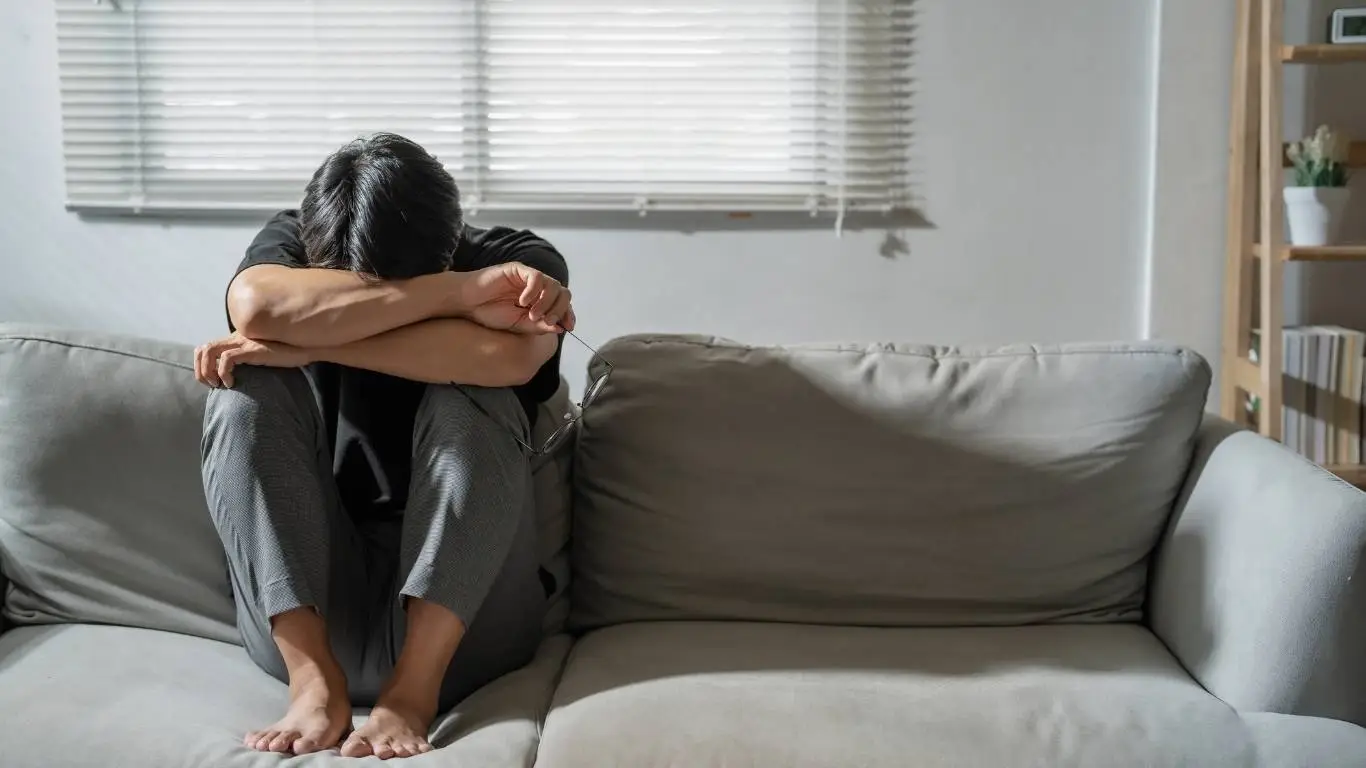
Before I truly understood my anxiety, I used to muscle through sensory overload and pretend I was fine. Spoiler: it never worked. The breakthrough came when I started building daily habits that kept my system calm before the chaos hit.
Start with Morning Control
Rushing out of bed into a blaring world used to spike my anxiety before breakfast. Now, I set the tone with:
- Warm lighting (no harsh LEDs)
- Soothing music or silence
- A quick 2-minute grounding exercise
I can’t tell you how much of a difference it makes to begin the day without mental static. Need extra support? This nighttime routine guide helps the morning feel less like a recovery mission.
Move Your Body—But Gently
When your nerves are on high alert, you don’t need a bootcamp workout. You need movement that grounds you. For me, it’s been yoga (nothing fancy—just breathing and stretches). Explore a few poses that can bring calm right here.
Therapies That Target the Root of Overload

Therapy changed everything for me—but not in the way I expected. It wasn’t just about “talking things out.” The right therapy helped retrain my brain’s entire relationship with stimuli.
CBT Isn’t Just for Negative Thoughts
Cognitive Behavioral Therapy taught me to reframe the panic I felt when walking into noisy spaces. Instead of bracing for disaster, I started noticing what I could control—and accepting what I couldn’t. It was subtle at first, but incredibly empowering.
Don’t Overlook EMDR
I used to think Eye Movement Desensitization and Reprocessing (EMDR) was just for trauma survivors. But when my therapist introduced it, I realized past experiences were intensifying my sensory sensitivity. The results? Genuinely surprising. Curious about it? Here’s a closer look.
Exposure Therapy—But Smarter
This one took me a while to embrace. I hated the idea of leaning into my overwhelm. But with the right guidance, exposure therapy helped me gradually reclaim noisy, crowded environments without panicking. Read how smart exposure works here.
Tech Tools That Support Calm in the Chaos

Let’s be real: I’m on my phone a lot. So I figured, why not make it part of my recovery instead of the problem?
My Go-To Apps Include:
- Insight Timer – for short meditations that aren’t boring
- Rootd – tracks anxiety spikes and offers real-time help
- Ambience apps – I use rain sounds in traffic, and it’s a lifesaver
There are even apps that help you assess your symptoms more clearly, like the Beck Anxiety Inventory, which gave me a reality check on my progress.
When Overload Feels Physical

One of the scariest moments I had was when I couldn’t catch my breath in a crowded café. I thought it was a heart issue—but it turned out to be sensory-triggered anxiety. That moment changed how I saw the connection between body and brain.
Somatic Solutions That Work
- Breathwork – especially slow exhale techniques
- Vagus nerve stimulation – humming or cold splash to reset
- Weighted blankets – yes, they work
If you’ve ever confused anxiety with something more serious, this read may help: Panic vs. Heart Attack.
How Lifestyle Habits Make a Lasting Difference

These days, I don’t just wait for overload to strike—I build my daily life around keeping things calm. And it’s not about becoming a monk. It’s about tiny shifts with big returns.
Habits That Stabilize My Nervous System:
- Drinking herbal teas (I swear by chamomile and lemon balm)
- Limiting blue light at night
- Cutting back on caffeine and sugar—especially together
- Spending time in nature—no headphones, just air and trees
If your diet could use a nervous system upgrade, check out this practical anxiety-nutrition guide.
Keep Exploring the Bigger Picture

Sensory overload anxiety is just one piece of the puzzle. The more I learned about the patterns behind my reactions, the more empowered I felt to change them. Sometimes that meant journaling, sometimes therapy, and other times—honestly—just giving myself a break without guilt.
If you want to go deeper into understanding how symptoms evolve and how subtle cues may point to overload, I highly recommend starting here: anxiety symptoms you should never ignore.
And if you’re ready to take a broader look at how anxiety silently shapes your routine (from the way you grocery shop to how you answer emails), don’t miss this powerful breakdown: how anxiety disorders quietly control your daily life.

Camellia Wulansari is a dedicated Medical Assistant at a local clinic and a passionate health writer at Healthusias.com. With years of hands-on experience in patient care and a deep interest in preventive medicine, she bridges the gap between clinical knowledge and accessible health information. Camellia specializes in writing about digestive health, chronic conditions like GERD and hypertension, respiratory issues, and autoimmune diseases, aiming to empower readers with practical, easy-to-understand insights. When she’s not assisting patients or writing, you’ll find her enjoying quiet mornings with coffee and a medical journal in hand—or jamming to her favorite metal band, Lamb of God.