Does Aspirin Use Increase Floater Risk or Make Vision Worse?
I’ve always been one of those people who paid close attention to my vision. Blame it on too many hours spent in front of a screen, or maybe just being a bit too health-conscious. But when I started seeing those tiny squiggly shadows drifting across my field of vision, I did what most of us do—I turned to the internet and then spiraled into worst-case scenarios. One question kept surfacing over and over: does aspirin use increase floater risk? It sounded odd at first, but the more I read, the more it started to make sense.
Understanding Eye Floaters and How They Happen
Eye floaters are those annoying little specs, strings, or cobweb-like shapes that drift across your vision. They’re usually most noticeable when you’re staring at something bright, like a clear sky or a white wall. And although they’re often harmless, they can be downright distracting—especially if they show up out of nowhere or suddenly increase in number.
Floaters are typically caused by changes in the vitreous, the gel-like substance inside your eye. As we age, the vitreous can shrink and become stringy, casting shadows on the retina. But aging isn’t the only culprit—injury, inflammation, and certain medical conditions can play a role too.
Where Does Aspirin Fit into This?
This is where things get interesting. Aspirin, known for its blood-thinning properties, is commonly used to manage heart disease, reduce inflammation, and ease pain. But here’s the catch—it can also affect the tiny blood vessels in your eyes.
According to ncbi.nlm.nih.gov and mayoclinic.org, regular aspirin use has been linked to an increased risk of retinal hemorrhage in some patients, especially those with pre-existing eye conditions or systemic issues like diabetes or hypertension. When those blood vessels leak or burst, it can contribute to floaters—or even more serious issues like vitreous hemorrhage.
I’ve had relatives who were on daily aspirin therapy after heart surgery. One of them mentioned that after just a few months, they noticed more floaters in one eye. Coincidence? Maybe. But research points to a possible connection, particularly when aspirin is taken in high doses or combined with other medications like anticoagulants or corticosteroids.
Who’s Most at Risk?

If you’re taking aspirin regularly—especially if you’re over 50—you might want to pay attention. Here’s a quick breakdown of who may face higher risk:
- Older adults: Natural degeneration of the vitreous makes the eyes more vulnerable to floaters and hemorrhages.
- People with diabetes or hypertension: These conditions can weaken retinal blood vessels, and aspirin could worsen the situation.
- Individuals on blood thinners: Aspirin combined with warfarin, clopidogrel, or similar meds can dramatically increase the chance of bleeding in the eye.
This article on floaters and high blood pressure dives into how vascular health plays a big role in eye symptoms like floaters. It’s not just about vision—it’s about what those floaters might be trying to tell you.
Symptoms That Could Signal Something More Serious
Here’s something I didn’t know until I spoke with an ophthalmologist: not all floaters are created equal. Some are harmless and fade over time, but others are big red flags. If you’re seeing the following signs while taking aspirin, it’s worth getting checked out ASAP:
- Sudden increase in the number or size of floaters
- Flashes of light in your peripheral vision
- Dark curtain or shadow moving across your field of view
- Blurred or distorted vision
These symptoms can indicate a potential retinal tear or detachment, and aspirin’s blood-thinning effect might accelerate internal bleeding, making matters worse.
What You Can Do About It

So, what if you’re taking aspirin and noticing more floaters? It doesn’t necessarily mean you should quit the medication—but it does mean you should talk to your doctor. Let them know about your symptoms and ask about alternatives or dosing changes if necessary.
Other helpful steps include:
- Regular eye exams: These are crucial if you’re over 40 or on long-term medications.
- Managing blood sugar and blood pressure: This reduces strain on your retinal vessels.
- Eye protection: Injuries can increase floater risk, especially if aspirin is in your system.
This piece on eye floaters after sports injuries highlights how trauma—even minor—can lead to floater formation, particularly if your blood can’t clot as quickly due to medications.
Other Medications May Also Play a Role
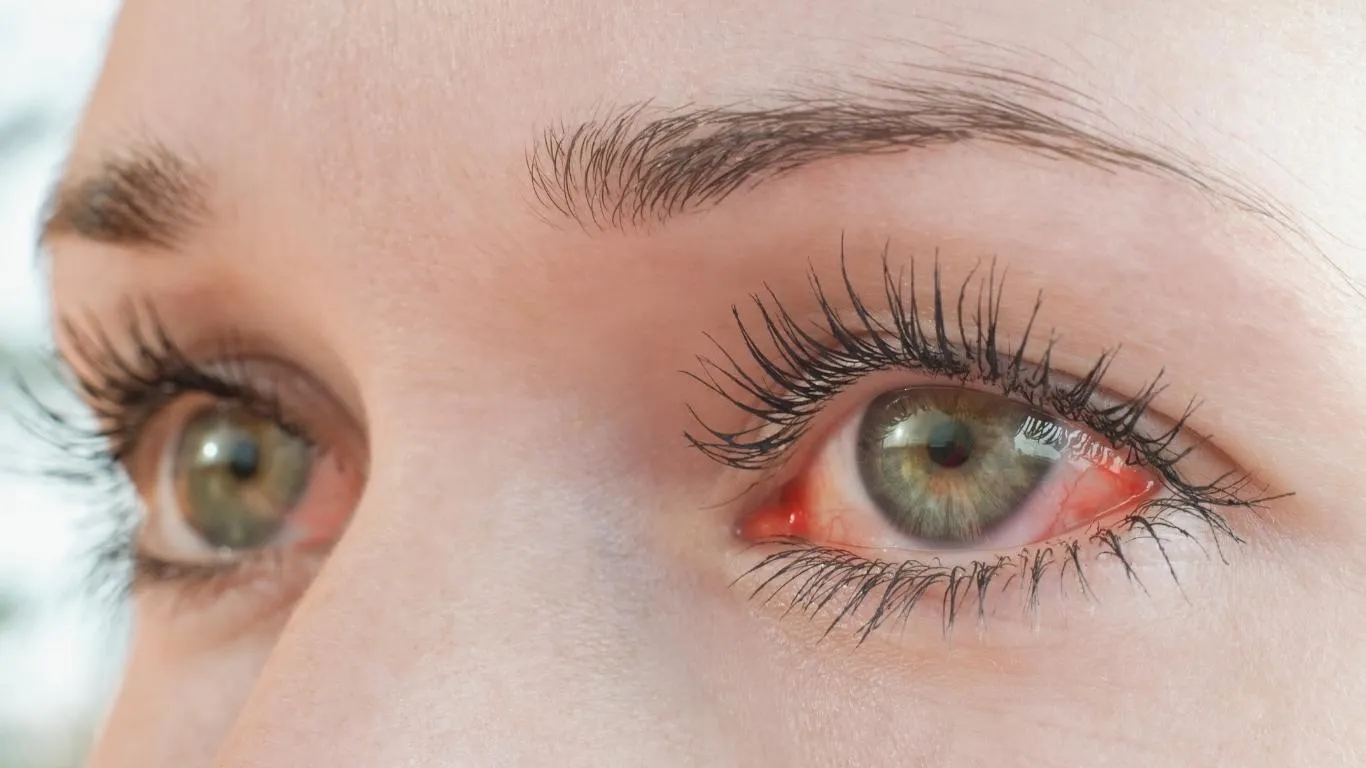
Aspirin isn’t the only medication under scrutiny. Steroid eye drops, antibiotics, NSAIDs, and certain supplements have also been linked to vitreous changes. I learned this the hard way after a round of antibiotics triggered the worst flare-up of floaters I’ve ever had. It took weeks to settle—and let me tell you, those first few days were anxiety-inducing.
That’s why it’s so important to monitor new symptoms and not dismiss them as “just aging.” The eye is a delicate organ, and any medication affecting circulation or inflammation can have unexpected side effects.
If you want to dig deeper into the different causes of floaters—beyond medications—this pillar article on common causes of eye floaters offers a comprehensive look. And for a broader understanding of symptoms, causes, and treatments, the main floater resource here is a great place to start.
When Aspirin Might Be Necessary—But Caution Still Matters
Now, I’m not here to scare anyone off aspirin. It’s been a lifesaver for countless people—including my uncle, who takes a daily low-dose to prevent strokes. But the key is understanding that even medications with major benefits can have side effects, and being informed is your best protection. If you’re dealing with heart disease, a clotting disorder, or have had a stroke, stopping aspirin on your own is a bad idea. Always talk to your doctor first.
But that doesn’t mean you should ignore changes in your vision. Floaters that appear suddenly after you begin an aspirin regimen, or a sudden surge in their number, should raise a flag. It might not be dangerous—but it deserves attention.
And if you’re combining aspirin with other medications, like blood thinners or anti-inflammatory drugs, the risk might be even higher. The eyes are incredibly sensitive to changes in blood flow and clotting. Minor leaks inside the eye can take a long time to heal—and during that time, floaters may continue to interfere with your daily life.
Monitoring and Managing Floaters Over Time
Personally, I’ve learned that keeping track of my floaters helps reduce anxiety. When you see new ones, jot it down. Note the size, shape, and whether they move or stay in the same place. This kind of self-monitoring can help you and your doctor make more informed decisions.
Here’s what’s helped me:
- Keep a floater journal: I log any new ones I notice, what I was doing at the time, and whether they faded or stayed.
- Use sunglasses outdoors: Bright light makes floaters more visible. Good-quality sunglasses make a huge difference.
- Hydrate and eat clean: Dehydration can affect vitreous fluid consistency. I’ve noticed fewer flare-ups when I stay hydrated and reduce caffeine.
While some floaters eventually settle or become less noticeable, others may hang around indefinitely. If they’re persistent and disruptive, treatment options range from laser vitreolysis to vitrectomy, though each comes with its own risks and considerations. That’s why most doctors take a “watch and wait” approach unless symptoms escalate.
What Eye Doctors Really Think About Aspirin and Floaters
I asked two different ophthalmologists about aspirin and floaters, and they both had similar answers. While there isn’t absolute consensus that aspirin directly causes floaters, they agreed it could increase the likelihood of complications that result in floaters—especially in aging eyes or those with pre-existing retinal issues.
One specialist pointed out how even minor bleeding in the vitreous—something that might go unnoticed in younger, healthy individuals—could be amplified in someone taking daily aspirin. That really stuck with me. It’s not just about what aspirin does in isolation, but how it interacts with the unique state of your eyes and overall health.
Want a Second Opinion?
If you’re dealing with new floaters and unsure if aspirin might be contributing, consider seeing a retina specialist—not just a general optometrist. They can perform detailed scans that identify micro-bleeds or early signs of retinal damage. That peace of mind alone was worth it for me.
Also, don’t dismiss other underlying causes. Many people forget that conditions like diabetes, autoimmune disease, or even physical trauma can contribute. If you’ve had any of these, your doctor may want to weigh in on whether aspirin is the best choice for you.
Supporting Eye Health When You’re on Long-Term Medications
One thing that’s really helped me feel proactive is taking better care of my eyes day-to-day. I’ve started eating more foods rich in lutein and omega-3s, and I’ve cut back on refined sugars and salty snacks. I also started taking a vision supplement (after checking with my doctor), and I swear it’s helped.
There’s no magic bullet, but supporting your body’s natural ability to repair itself can’t hurt. This guide on diet changes for floaters gave me some great ideas on what to add to my meals. And surprisingly, my energy improved too.
Some people also swear by exercises and techniques like eye movement routines to “move” floaters out of the line of sight. While the evidence is mixed, I’ve found a few tricks that help minimize their interference—especially when I’m working on screens all day.
Keep Asking Questions. Your Eyes Are Worth It.
Vision is something we often take for granted—until something like floaters makes us realize how delicate and complex our eyes really are. If you’re taking aspirin and starting to notice changes, don’t ignore them. It doesn’t always mean something dangerous is happening, but your eyes are talking. Listen to them.
Learning how to track, understand, and manage my floaters gave me a sense of control. And being able to have informed conversations with my doctor made a world of difference. There’s no one-size-fits-all solution—but there’s a lot you can do to make your eyes feel better and your vision clearer.
For more insights into how floaters evolve over time and what to watch for, the in-depth piece on when floaters signal serious conditions is one of the most useful resources I’ve found. And of course, the comprehensive guide to floaters remains a trusted starting point for understanding everything from causes to treatments.

Camellia Wulansari is a dedicated Medical Assistant at a local clinic and a passionate health writer at Healthusias.com. With years of hands-on experience in patient care and a deep interest in preventive medicine, she bridges the gap between clinical knowledge and accessible health information. Camellia specializes in writing about digestive health, chronic conditions like GERD and hypertension, respiratory issues, and autoimmune diseases, aiming to empower readers with practical, easy-to-understand insights. When she’s not assisting patients or writing, you’ll find her enjoying quiet mornings with coffee and a medical journal in hand—or jamming to her favorite metal band, Lamb of God.