Why Performance Anxiety in Athletes Silently Sabotages Success
Let me be straight with you — as someone who’s choked at the free throw line during a high school championship game, I know exactly what performance anxiety in athletes feels like. It’s not just “nerves.” It’s that sinking sensation in your gut, your heart pounding out of rhythm, and your mind racing with what-ifs and worst-case scenarios. While many athletes dismiss it as part of the game, the truth is, performance anxiety can quietly sabotage even the most talented individuals. And no, it’s not just in your head — it affects your entire body and performance in ways you might not realize.
What Exactly Is Performance Anxiety in Athletes?

Performance anxiety, often dubbed “choking,” is a form of social or situational anxiety that kicks in when an athlete is expected to perform at their best — and their brain decides to do the exact opposite. It’s a physiological and psychological response to high-pressure situations, and it can show up in training, games, interviews, and even in practice drills.
Whether you’re sprinting a 100m dash, shooting a penalty kick, or stepping onto a balance beam, your body doesn’t distinguish between a real threat and a perceived one. The result? A cascade of stress hormones like cortisol and adrenaline that can make your muscles tense, coordination clumsy, and mind blank.
How Performance Anxiety Affects Physical and Mental Game

It’s Not Just Mental
Here’s something I wish more coaches understood: this isn’t about mental weakness. Athletes experiencing performance anxiety often face real physiological effects, such as:
- Shaky hands or legs
- Increased heart rate
- Rapid, shallow breathing
- Muscle tightness or cramps
- Upset stomach or nausea
When this happens repeatedly, athletes start associating their sport with stress rather than joy or adrenaline. That’s when burnout kicks in.
The Mental Loop of Doubt
Ever tried to calm yourself down by telling yourself not to screw up? Yeah, that never works. The harder we try to control anxiety, the worse it often gets. It becomes a feedback loop: fear of failure → anxiety → poor performance → self-blame → more anxiety.
I’ve found myself caught in this loop many times. You want to impress your coach, your team, or even just live up to your own standards. The weight of expectation becomes a mental cage — and the worst part is, it’s invisible.
According to research from the National Library of Medicine, cognitive anxiety — such as worrying about your performance or overanalyzing — is strongly linked to decreased physical execution in competitive athletes.
Common Triggers That Spark Performance Anxiety
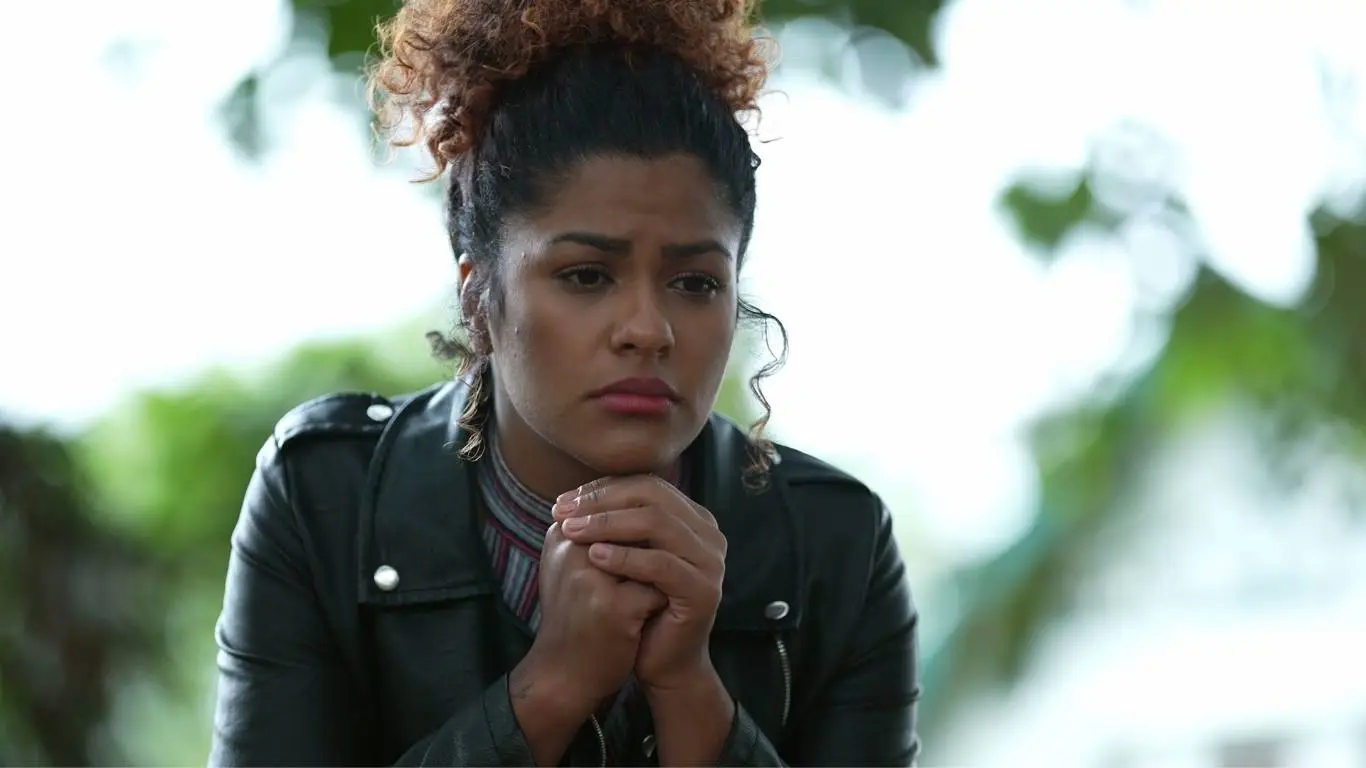
High-Stakes Events
Championship games. Scouting tryouts. Matches where your scholarship is on the line. These are pressure cookers. Even if you’re physically ready, the mental pressure can throw you off.
Fear of Judgment
This is a big one — especially with today’s social media culture. A single clip of a failed routine can go viral. Athletes don’t just fear losing anymore — they fear being mocked, misunderstood, or shamed. I’ve seen teammates spiral after reading just one negative comment.
Perfectionism and Unrealistic Expectations
Striving for excellence is admirable — but perfectionism is a trap. It turns every minor error into a catastrophe. It’s something I battled for years, until I realized that perfectionism and anxiety often go hand-in-hand and quietly erode confidence over time.
Practical Coping Strategies That Actually Work

Breathing Techniques
Before my last race, I sat on the track, closed my eyes, and did a simple 4-7-8 breathing pattern. It wasn’t magic — but it calmed my mind enough to get through the start line without shaking. Controlled breathing can lower cortisol levels and center your focus. Try these breathing exercises for anxiety — they’re surprisingly effective, especially before competition.
Reframing the Narrative
Instead of seeing anxiety as a sign of failure, what if we saw it as readiness? A heightened state that signals your body is preparing for battle? This mental reframe helped me stop fearing anxiety and start working with it.
Visualization
Guided imagery isn’t just new-age fluff. Elite athletes use it to walk through successful routines mentally. It programs the brain for success and helps prevent blanking out during the real thing.
Therapy and Mindset Coaching
Talking to a sports psychologist changed the game for me. Sometimes, it’s not about mental tricks — it’s about healing the deeper fear underneath. Approaches like CBT for performance anxiety or EMDR therapy can uncover hidden blocks and turn anxiety into focus.
When It Goes Beyond the Game

Here’s the hard truth: for some athletes, performance anxiety doesn’t stop when the game ends. It spills into daily life, affecting sleep, confidence, and relationships. That’s when it’s time to look deeper into what’s really going on. You may be dealing with something broader — like underlying anxiety disorder symptoms or GAD.
I’d highly recommend checking out this deep dive on psychotherapy for anxiety for athletes who feel their anxiety is creeping beyond the court, field, or track. And to understand how anxiety quietly controls everyday life without us noticing, don’t miss this main overview: why anxiety disorders can secretly control your daily life.
Advanced Strategies That Take You From Surviving to Thriving
Building Mental Resilience
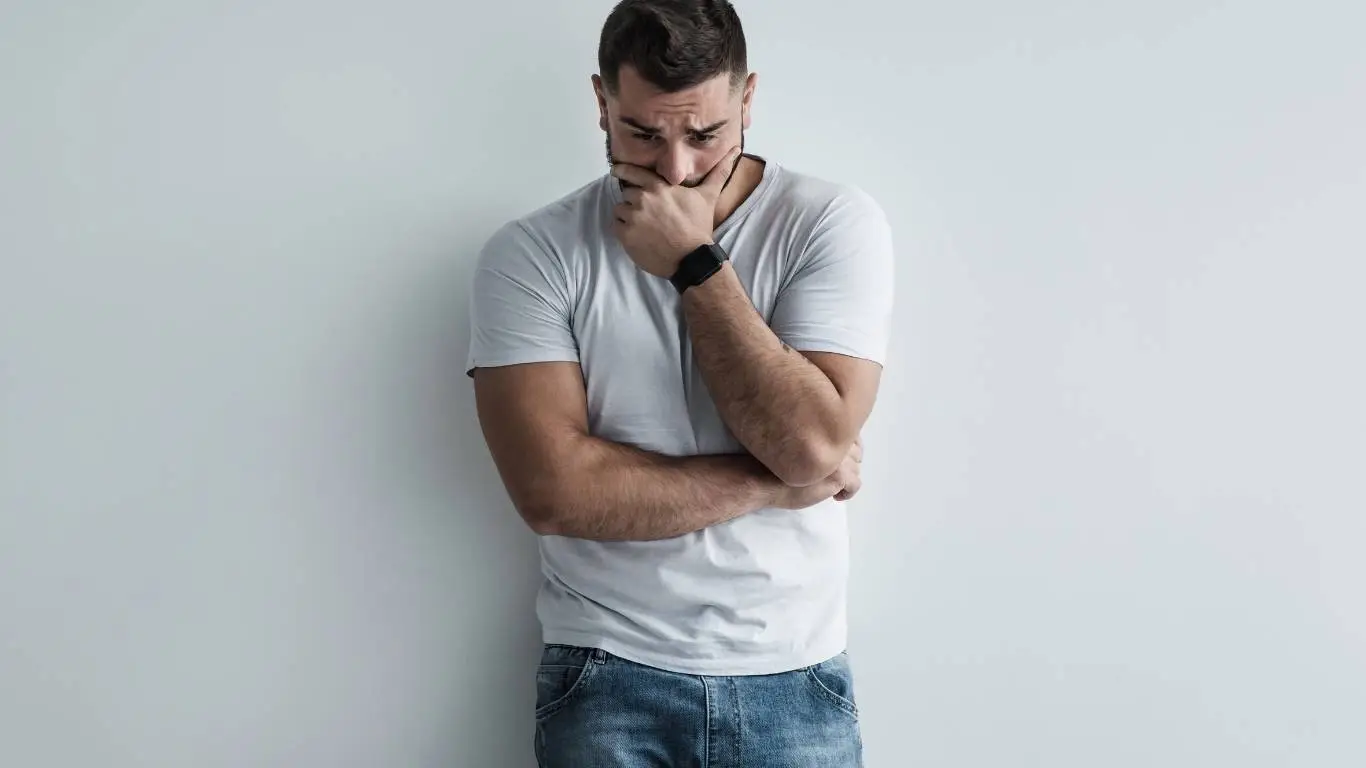
If there’s one thing that separates top performers from the rest, it’s mental resilience. And no, it’s not about being “tough.” It’s about bouncing back after mistakes, staying focused under pressure, and learning to sit with discomfort without panicking. It took me years to stop equating failure with weakness — now I see it as part of training, just like strength drills or endurance runs.
Strategies like mindfulness meditation can improve focus and reduce rumination. Here’s a great read on why mindfulness works especially well for anxiety and how you can start small with just a few minutes a day.
Recovery and Rest Aren’t Optional
Let me say this louder for the athletes in the back: overtraining can mimic anxiety symptoms. I learned this the hard way. When I started skipping recovery days, my anxiety went through the roof. Rest isn’t a luxury — it’s a necessity. Poor sleep, chronic soreness, and mental fatigue all make anxiety worse. And if you’re waking up with dread before practice, it’s time to evaluate how your body’s recovering.
This resource on sleep and anxiety really hit home for me. Prioritizing sleep hygiene — cool room, low lights, and zero late-night scrolling — made a noticeable difference within a week.
Fueling Your Brain Like You Fuel Your Body
Most athletes know how to carb-load or calculate macros. But fueling for mental performance is often overlooked. Your brain needs specific nutrients to regulate mood and stress. I started paying attention to foods that reduce anxiety — and honestly, it felt like flipping a switch. Magnesium-rich foods, omega-3s, and probiotics changed how I felt during training blocks.
Try checking out this nutrition-based approach to easing anxiety. It’s packed with practical, non-extreme advice that’s actually sustainable.
When It’s Time to Ask for Help

There’s no shame in reaching out — and frankly, it’s one of the strongest moves you can make. Whether it’s a coach, therapist, or even a teammate, sharing what you’re going through is powerful. I used to think I had to figure it out alone. But when I started therapy, I realized I wasn’t broken — I was just stuck in survival mode.
Some athletes benefit from short-term medication, especially if anxiety starts interfering with daily function. If that’s something you’ve been curious (or nervous) about, read up on SSRIs and their role in anxiety treatment — especially how they differ from older meds like benzodiazepines.
Other powerful modalities include:
- CBT (Cognitive Behavioral Therapy) – retrains your response to triggers
- Exposure Therapy – helps you unlearn fear by facing it in safe steps
- EMDR – ideal for athletes with trauma-based anxiety or high-pressure event triggers
Here’s a solid breakdown of psychotherapy options for anxiety if you’re ready to explore beyond surface-level tools.
Preventing Performance Anxiety from Derailing Your Future

I wish someone told me earlier that anxiety doesn’t mean I’m weak. It means I care. And learning to manage that emotion — instead of fighting it — has helped me not only perform better but enjoy my sport again.
Coaches, if you’re reading this — please create space for conversations around anxiety. Normalize it. Teach techniques. Offer referrals. Performance anxiety in athletes isn’t rare — it’s just rarely talked about the right way.
For a deeper dive into how lifestyle shifts can build long-term resilience, don’t miss this guide to self-help and lifestyle tools for anxiety. And if you’re looking to understand how anxiety quietly embeds itself into everyday life — not just game day — take a look at this powerful main pillar overview.
Performance anxiety is beatable. Not by ignoring it, but by working with it — rep by rep, breath by breath.

Camellia Wulansari is a dedicated Medical Assistant at a local clinic and a passionate health writer at Healthusias.com. With years of hands-on experience in patient care and a deep interest in preventive medicine, she bridges the gap between clinical knowledge and accessible health information. Camellia specializes in writing about digestive health, chronic conditions like GERD and hypertension, respiratory issues, and autoimmune diseases, aiming to empower readers with practical, easy-to-understand insights. When she’s not assisting patients or writing, you’ll find her enjoying quiet mornings with coffee and a medical journal in hand—or jamming to her favorite metal band, Lamb of God.