Breakthrough Neuropathic Back Pain Management That Actually Works
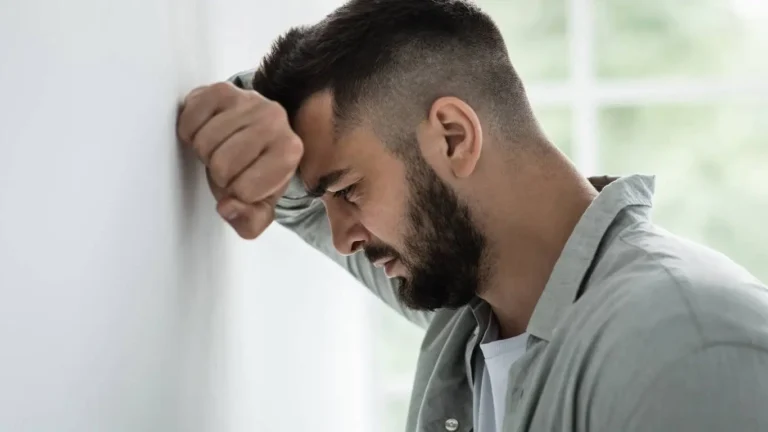
Ever woken up with that deep, searing pain in your lower back that seems to wrap around like a belt made of fire? I remember once thinking I’d just slept weird—but when it didn’t fade for weeks, I knew something deeper was going on. That, it turns out, was my first real encounter with neuropathic back pain. It’s not your usual backache. This kind of pain feels electric, sharp, unpredictable—and managing it takes more than a heating pad and hope. Let’s get into what really works and why your approach needs to be smarter if you’re dealing with nerve-related pain in your back.
Understanding Neuropathic Back Pain

Unlike mechanical pain that results from muscle strain or misalignment, neuropathic back pain stems from damage or dysfunction in the nervous system itself. This can happen due to a herniated disc pressing on spinal nerves, spinal stenosis, or conditions like diabetes or shingles that affect nerve health directly.
Common Signs You’re Dealing with Nerve Pain
- Burning or shooting sensations that travel down your legs
- Persistent numbness or tingling
- Pain that worsens with specific movements—but doesn’t fade with rest
- Electric-shock-like jolts when you stretch or bend
One of the first things I noticed was how unpredictable the pain felt. Sometimes just tying my shoes felt like lightning ran through my spine. If this sounds familiar, you’re probably dealing with more than just a tight muscle.
Why Typical Back Pain Remedies Often Fail

Here’s the frustrating part—many people treat neuropathic pain like mechanical pain. So they do stretches, take over-the-counter meds, even see chiropractors. But neuropathic pain doesn’t respond the same way. I tried massage therapy for weeks before realizing it barely scratched the surface. In fact, understanding the root of the pain is the only way to stop wasting time and money.
What Makes It So Resistant?
Neuropathic pain is tricky because the nerves themselves are sending false danger signals to the brain. So even after an injury heals, the pain may remain. This is known as central sensitization. It’s why nerve-targeted treatments are essential in your plan.
Medication Options That Actually Work

Let me be honest—painkillers didn’t do much for me. And they’re not designed to. Neuropathic pain often requires more targeted pharmaceuticals:
- Gabapentin and Pregabalin: These anticonvulsants help calm overactive nerve signals.
- Tricyclic Antidepressants (like amitriptyline): Surprisingly effective for nerve pain, even at low doses.
- SNRIs (e.g., duloxetine): These also work by modulating pain signals in the brain.
Don’t expect immediate results—many of these meds take a few weeks to show full effects. But for me, starting low and slow made all the difference without overwhelming side effects.
Also, studies from NIH and Mayo Clinic back up these choices, so it’s not just anecdotal.
Non-Drug Therapies You Shouldn’t Ignore

If meds alone were enough, I wouldn’t have needed a physical therapist. But combining approaches is where the magic happens. Here’s what helped:
Targeted Physical Therapy
Forget generic back stretches. Working with someone who understands nerve-specific movements like nerve glides and sciatic mobilization can release pressure without triggering more pain.
Transcutaneous Electrical Nerve Stimulation (TENS)
I was skeptical, but a few sessions convinced me. These devices use mild electrical impulses to disrupt the pain signaling loop. It’s not a cure, but research shows it helps lower daily discomfort.
Acupuncture
Yup, I went there. And I was surprised how effective it was—especially when paired with stretching. This isn’t just woo; it’s clinically supported in multiple trials.
Lifestyle Changes That Can Lower Nerve Pain Over Time

Your habits matter more than you think. For example, I learned the hard way that sitting for hours on an unsupportive chair at work was making everything worse. These changes made a difference:
- Anti-inflammatory diet: Think omega-3s, turmeric, leafy greens, berries. Here’s what really helps: this guide.
- Posture correction: A good lumbar cushion and proper desk setup reduced my flare-ups by half.
- Mind-body practices: Chronic pain rewires your brain. I started practicing short daily meditations and noticed less pain sensitivity after just a week or two.
If you’re spending most of your day in front of a screen, standing desks and ergonomic chairs aren’t just luxuries—they’re investments in long-term nerve health.
For a more detailed overview of broader causes and how different people experience back pain, I recommend checking this excellent pillar on back pain causes. You can also explore the main hub for back pain management which breaks down dozens of scenarios based on condition, age, and lifestyle.
When Conservative Approaches Aren’t Enough

I tried everything before finally meeting with a spine specialist. That was a game-changer. If your pain has lingered for months and limits your daily function, it might be time to look beyond basic solutions.
Nerve Blocks and Injections
One of the first things my doctor recommended was an epidural steroid injection. It helped reduce inflammation around the nerve root enough for me to re-engage in physical therapy. In some cases, they may even recommend a medial branch block or radiofrequency ablation—which literally disables the nerve’s ability to send pain signals.
While these aren’t permanent fixes, they can offer critical windows of relief to help you regain momentum and build strength.
Spinal Cord Stimulation
This one sounds intense, and I was hesitant too. But if nothing else is working, a spinal cord stimulator may be worth considering. It’s a small device implanted under the skin that disrupts nerve signals before they reach the brain. Sounds sci-fi, but real-world data shows it offers relief when meds and therapy fail.
Surgical Options—Only When Truly Necessary

Let’s be real: nobody wants surgery. But if your nerve pain is caused by something like a herniated disc, spondylolisthesis, or spinal stenosis that’s compressing your nerves, surgery may be the only path to lasting relief.
Microdiscectomy or Laminectomy
These procedures remove the portion of a disc or bone pressing on the nerve. Recovery isn’t as awful as I feared—especially with modern post-op care and focused rehab. Many people return to normal activity in a matter of weeks.
Artificial Disc Replacement
If you’re younger and looking to preserve mobility, disc replacement may be an alternative to fusion. It restores spacing between vertebrae and relieves nerve pressure without permanently locking your spine in place.
Of course, surgery isn’t for everyone. But if conservative methods have failed and your MRI shows clear compression, it’s something worth evaluating with a spine specialist.
Daily Self-Management—Where Long-Term Victory Lives

Managing neuropathic back pain is a marathon, not a sprint. One of the best habits I picked up was journaling—just jotting down what made pain worse, what helped, how I slept, what I ate. It gave me insight I couldn’t get from any scan.
Daily Practices That Make a Difference
- Stretch strategically: 5 minutes of nerve-friendly stretches each morning helps reduce stiffness.
- Stay active—but not too much: Overdoing it can flare pain. I stick to short walks, light yoga, and adjust based on the day.
- Sleep smarter: The right mattress changed everything. No more tossing all night.
- Track triggers: Stress, poor sleep, even certain foods made my symptoms spike. Once you recognize patterns, you can actually get ahead of flare-ups.
When to Reassess Your Plan

If your pain hasn’t improved after 12 weeks of consistent effort—whether through PT, medication, lifestyle, or injections—it’s time to reassess. This is where imaging like MRI or nerve conduction tests become essential to identify deeper issues.
Also, don’t underestimate the role of psychological factors. Chronic pain rewires your brain. If it’s affecting your mood, sleep, or relationships, working with a pain psychologist can reduce the emotional weight of living with persistent discomfort.
Resources That Helped Me Stay on Track

I spent hours sifting through blogs, forums, even YouTube rabbit holes. Here’s what actually helped:
- Interactive guides: I often revisited this page on conservative back pain treatments for exercises and tools that didn’t feel overwhelming.
- Specialist directories: Sites like spine-health.com and clevelandclinic.org helped me find reputable experts when it was time to escalate care.
- Community: Don’t underestimate the power of online groups for emotional support and real-time feedback on what worked for others.
You Don’t Have to Settle for Pain

What helped me most wasn’t just the tools—it was the mindset shift. Instead of expecting a one-size-fits-all cure, I built a personalized toolkit. Some things helped a little, some a lot. But together, they gave me back control of my life.
If you’re struggling with nerve-related back pain, keep trying. Keep tweaking. And don’t go it alone. Start with the basics, but know that there are real answers and real hope—no matter how long you’ve been dealing with this.

Camellia Wulansari is a dedicated Medical Assistant at a local clinic and a passionate health writer at Healthusias.com. With years of hands-on experience in patient care and a deep interest in preventive medicine, she bridges the gap between clinical knowledge and accessible health information. Camellia specializes in writing about digestive health, chronic conditions like GERD and hypertension, respiratory issues, and autoimmune diseases, aiming to empower readers with practical, easy-to-understand insights. When she’s not assisting patients or writing, you’ll find her enjoying quiet mornings with coffee and a medical journal in hand—or jamming to her favorite metal band, Lamb of God.