Best Nutrition Plans for Vitreous Clarity That Actually Work
I used to think my vision was just “getting older”—a few blurry spots here and there, like dust particles drifting across my field of view. But when they started multiplying, floating like invisible jellyfish that never blinked away, I realized something deeper was going on. Turns out, those annoying little shadows were called eye floaters, and they were tied to the health of the vitreous—the gel-like substance that fills our eyeballs. So I did what any health nerd would do: I went deep into the research, consulted my eye specialist, and overhauled my diet. What I found was that nutrition isn’t just about looking good or feeling energized—it can literally help keep your eyes clear, especially that often-ignored vitreous. Here’s what you need to know about crafting the best nutrition plans for vitreous clarity.
Why Your Vitreous Needs a Nutrition Strategy
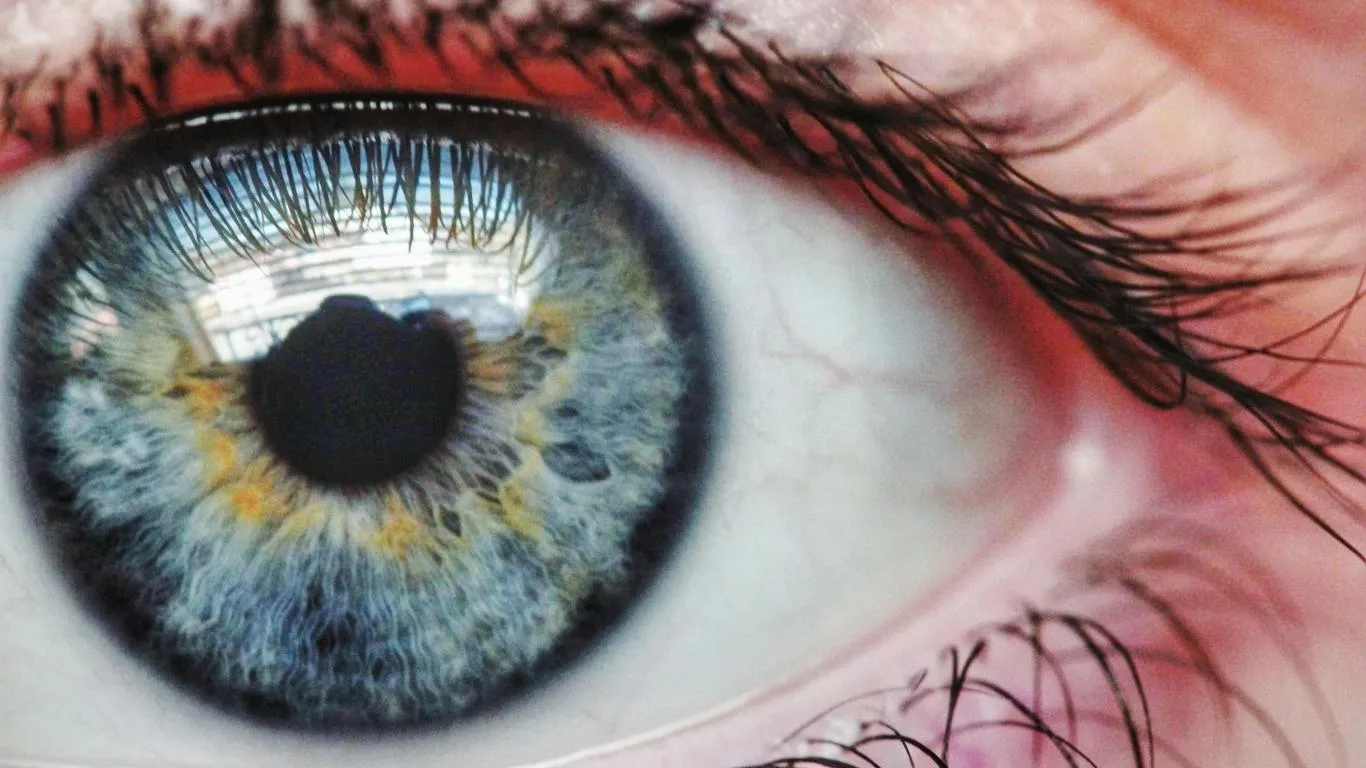
Most people don’t even think about their vitreous until something goes wrong. It’s not a sexy topic—no one’s posting about collagen stability or hyaluronic acid on social media. But if you’re starting to notice floaters or that subtle haze when you stare at a blank wall or the sky, your vitreous might be silently asking for help.
The vitreous is mostly water (about 98%) but is held together by a delicate matrix of collagen fibers and hyaluronic acid. Over time, that structure can break down, leading to floaters, light flashes, and visual disruptions. And while aging is the most common culprit, dehydration, oxidative stress, poor diet, and even systemic inflammation can accelerate this decline.
The Vitreous-Friendly Nutrients You Need
1. Collagen Builders
Since the vitreous relies on a stable collagen network, supporting your body’s collagen production is a no-brainer. Here’s what works:
- Vitamin C: A powerful antioxidant that’s essential for collagen synthesis. Citrus fruits, strawberries, and bell peppers are gold here.
- Lysine: An amino acid that plays a role in collagen cross-linking. Get it from eggs, cheese, and lean meats.
- Proline: Found in cabbage, mushrooms, and gelatin-rich bone broth.
If you’re serious about long-term eye clarity, include collagen-rich bone broths or consider a high-quality collagen supplement—but check with your eye doc first.
2. Antioxidants That Actually Reach Your Eyes
Here’s something I learned the hard way: not all antioxidants are created equal. You want the ones that specifically support ocular tissue and reduce oxidative stress inside the eye.
- Lutein and Zeaxanthin: These carotenoids concentrate in the retina but also provide indirect support for the vitreous by filtering blue light. Found in kale, spinach, and corn.
- Astaxanthin: A super antioxidant found in wild salmon and krill oil. This one’s a game-changer.
- Vitamin E: Helps prevent oxidative damage to fat-soluble tissues. Almonds and sunflower seeds are great sources.
Interestingly, research suggests that oxidative stress is a major factor in diabetic floaters, so prevention here goes a long way.
What to Eat for Daily Vitreous Support
I know it sounds like a tall order, but designing a meal plan around your eye health isn’t complicated. In fact, you probably already eat many of the foods you need—just not consistently or in the right combinations.
- Start your day with a lutein-rich green smoothie. I blend spinach, avocado, mango, flaxseed, and a dash of lemon juice. It’s refreshing and hits the antioxidant mark.
- Lunch = balance. Think grilled salmon on a bed of quinoa with roasted carrots and red bell peppers. Add a squeeze of citrus for that vitamin C boost.
- Snack smart: Walnuts, pumpkin seeds, or even dark chocolate with 70%+ cacao (yes, it contains flavonoids).
- Dinner idea: Chicken stir fry with broccoli, mushrooms, and cabbage over brown rice. Follow it with a cup of turmeric tea for its anti-inflammatory benefits.
I personally noticed that after a few weeks of sticking with this kind of plan, those annoying floaters weren’t gone, but they stopped getting worse—and my vision felt less strained at the end of the day.
Hidden Enemies: Foods That May Hurt Vitreous Clarity
This part hurts, but we’ve got to talk about it. Just as some foods heal, others inflame—and if your vitreous is already compromised, you don’t want to add fuel to the fire.
- Excessive sugar: Leads to glycation, which damages collagen fibers in your body and your eyes.
- Refined oils: Think corn, soybean, or canola. These trigger systemic inflammation.
- Processed meats: High in sodium and preservatives—bad news for ocular blood flow.
Also, if you’re dealing with sudden floaters and you’re over 40, consider whether dehydration or blood pressure could be involved. This piece on high blood pressure and floaters dives into that connection in more detail.
Supporting Science and Resources
The science around eye nutrition is more robust than most people think. Studies have consistently shown that nutrients like lutein, zeaxanthin, omega-3s, and vitamin C play essential roles in ocular health (nei.nih.gov, aao.org). If you want a deep-dive into how these interact with floaters, check out the Healthusias Eye Floater Treatment Guide, or go to our comprehensive main pillar article on floaters.
And for a broader look at the factors affecting floaters, the causes of floaters page is packed with practical information.
Do Supplements Help with Vitreous Clarity?
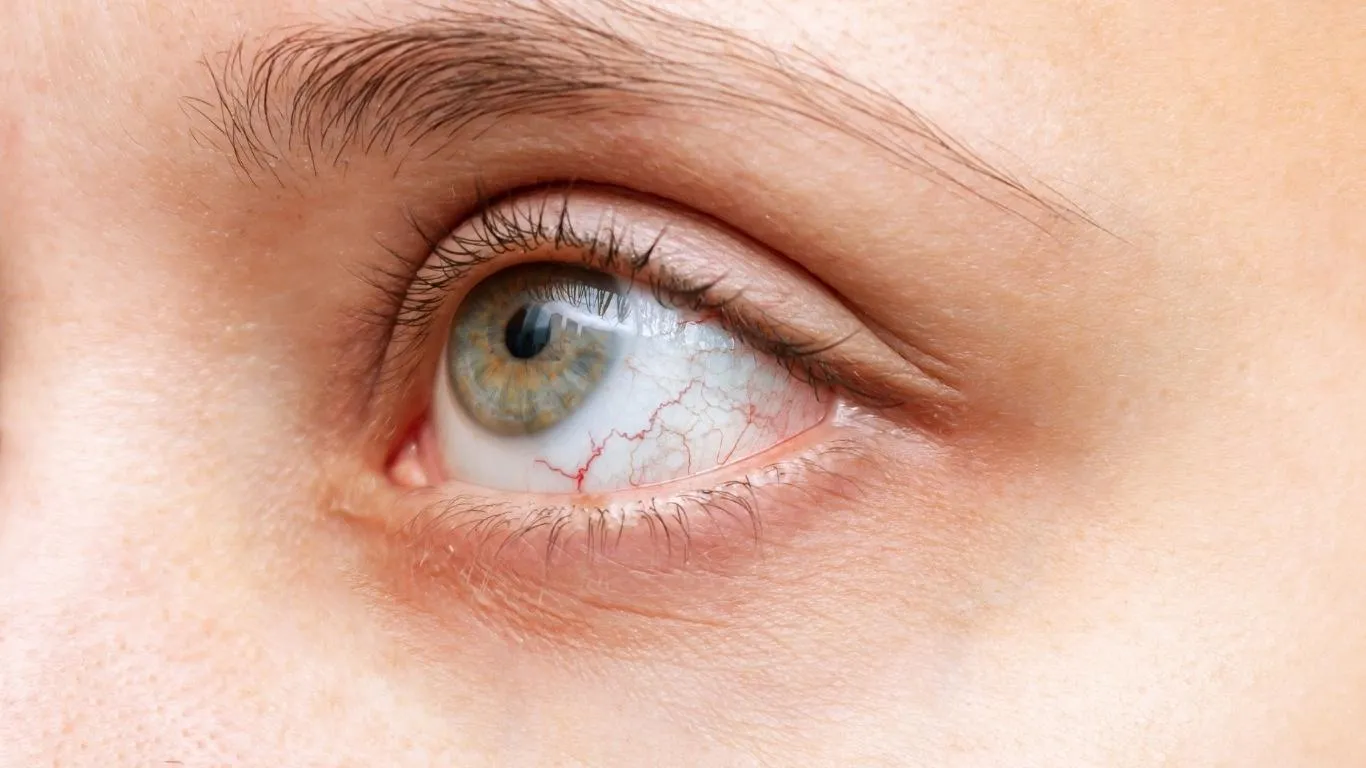
If you’re like me, at some point you’ve stood in the supplement aisle completely overwhelmed. I’ve tried my fair share—from fish oil to bilberry to obscure Amazonian extracts. The truth? Not all eye supplements are created equal, and the ones that actually support vitreous clarity work best when paired with a solid nutrition base.
Here’s what my optometrist and research pointed me toward:
- Omega-3 fatty acids (especially DHA): Essential for maintaining healthy cell membranes in the eye. A clinical go-to for dry eyes but also helps with floaters by reducing inflammation. Go for triglyceride form, not ethyl ester.
- Hyaluronic acid: Often underrated for eye health. It’s naturally present in the vitreous and helps maintain its gel-like consistency. Taken orally, it supports hydration from the inside out.
- Vitamin C & E combo: I started stacking these after reading a study linking the pair to decreased oxidative stress in vitreous degeneration.
- Magnesium: A sleeper nutrient that supports blood flow to the retina and may ease stress-induced eye strain. Try this read on magnesium and floaters.
And yes, I do take a curated supplement stack now. I log it, rotate it seasonally, and always discuss it at my annual eye exam. Your mileage may vary, so always consult a vision care pro before adding anything new.
Hydration and Your Vitreous: It’s Not Just About Drinking Water
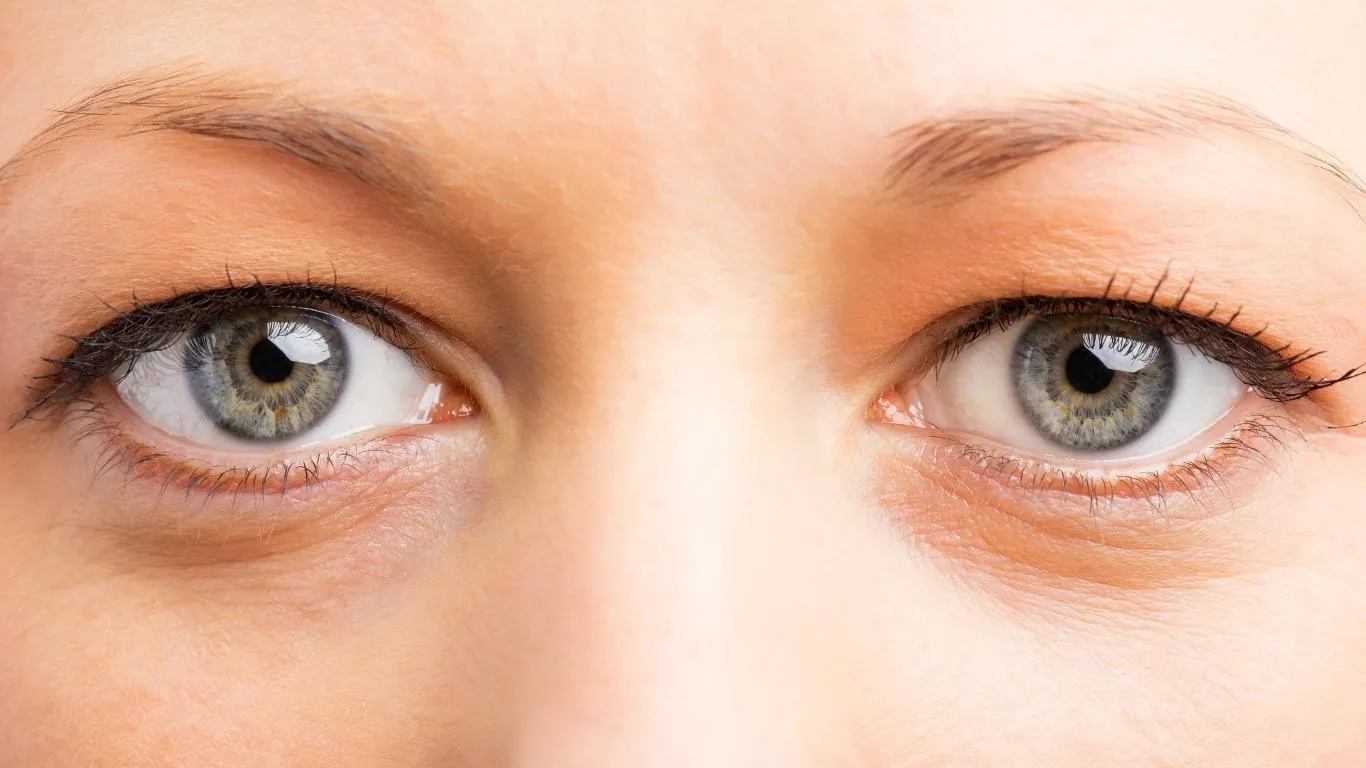
This one caught me off guard. I thought I was drinking plenty of water—carrying my stainless bottle like a badge of wellness. But as it turns out, just drinking water isn’t enough if your electrolytes are off or if you’re not absorbing it well.
Your vitreous humor is 98% water. So even mild dehydration can make floaters more noticeable or increase that annoying visual static. Here’s how I fine-tuned my hydration for eye health:
- Start the day with a pinch of sea salt and lemon in warm water. Old-school, but effective for kickstarting absorption.
- Use coconut water or electrolyte tabs post-exercise, especially if sweating heavily. The loss of sodium and potassium can mess with intraocular fluid balance.
- Cut back on dehydrators like caffeine and alcohol. I love coffee, but two cups max per day now. And I’ve noticed how caffeine impacts floaters.
Bonus: I track my water intake through an app now, aiming for steady hydration rather than chugging at night, which did nothing except send me to the bathroom at 2 AM.
Daily Maintenance Plan for Long-Term Eye Clarity
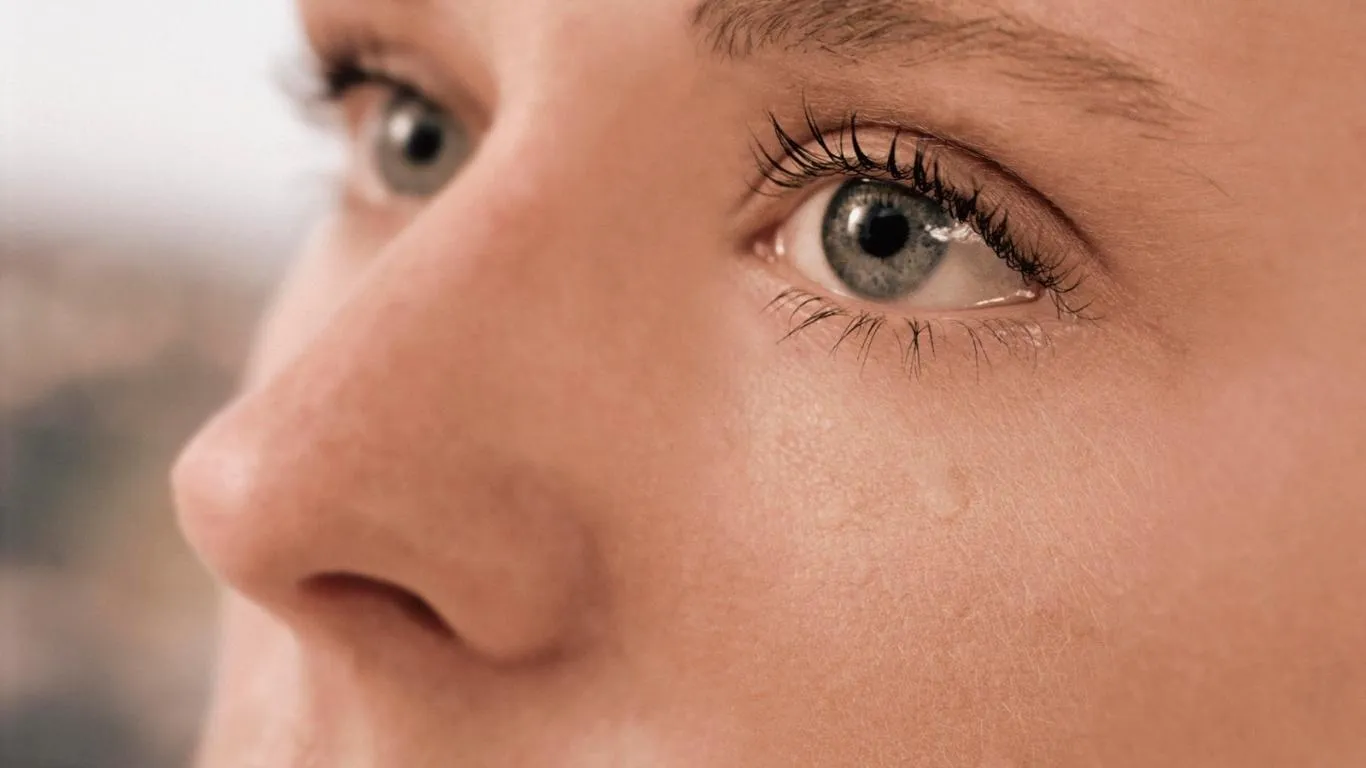
Once I cleaned up my diet and fine-tuned supplements, I realized consistency was everything. So I built a flexible, non-fussy plan that supports my vision every single day. Here’s what a typical flow looks like:
- Morning: Green smoothie with spinach, avocado, collagen powder, and chia seeds. Vitamin D & Omega-3 supplement with breakfast.
- Midday: Light movement—walking outdoors, even just 20 minutes. Sunlight helps regulate eye blood flow and supports circadian alignment.
- Afternoon: Eye rest breaks. I follow the 20-20-20 rule (every 20 mins, look 20 feet away for 20 seconds). Game changer.
- Evening: Hydrating dinner—think stir-fried veggies and fatty fish. Herbal tea with turmeric or ginger. No screens 30 mins before bed (most days, at least).
Even my optometrist noticed the shift. My latest check-up showed fewer complaints, and my vitreous looked more stable on the imaging scan. Not bad for small daily tweaks.
Other Lifestyle Factors That Quietly Affect the Vitreous

When I first started dealing with floaters, I didn’t connect stress, poor sleep, and screen fatigue to my eye health. Now I know better. Turns out, the vitreous is very sensitive to lifestyle imbalances.
These are the sneaky saboteurs I’ve seen affect people (and felt myself):
- Chronic stress: Can constrict blood vessels and worsen floaters. I found simple breathing exercises helped calm things fast.
- Sleep deprivation: Floaters were more noticeable after nights I stayed up late. Eye repair happens during deep sleep. Don’t skip it.
- Too much screen time: Blue light and digital fatigue dry out your eyes, especially the vitreous. Try these screen relief tips to make a difference.
Honestly, adding meditation and evening walks did more for my floaters than expensive eye drops. Lifestyle matters.
What the Experts Say
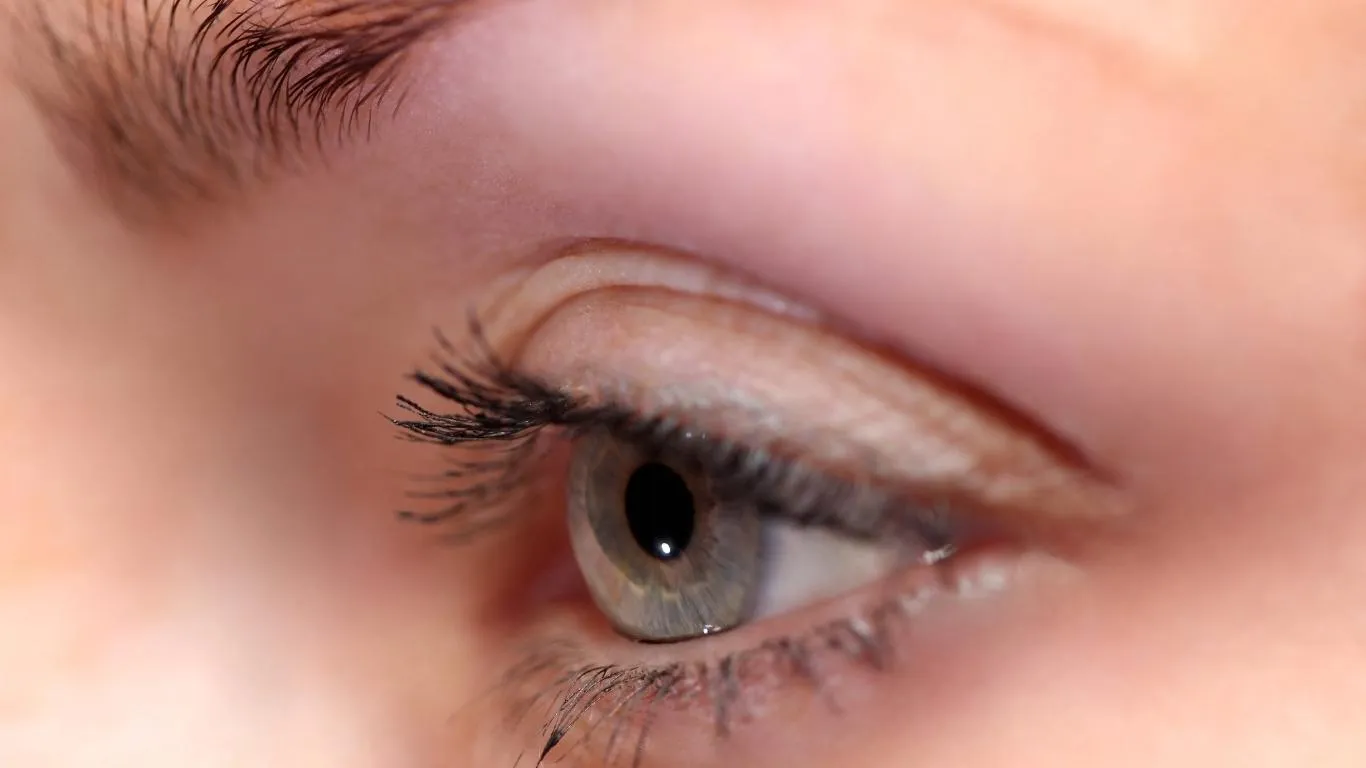
I reached out to an ophthalmologist I trust—someone who combines traditional and nutritional approaches to vision health. Her take? “Floaters aren’t always preventable, but we now know that dietary antioxidants, hydration, and anti-inflammatory nutrients can slow their progression and improve patient comfort.”
She also warned about assuming every supplement works. “Look for clinical backing. Focus on whole foods first. If you’re eating well, sleeping well, and still seeing rapid onset floaters, it’s time for a professional evaluation.” Smart words.
Where to Go Next

There’s still a lot we don’t know about the vitreous, but what’s clear is that it responds to how we treat our bodies—especially when it comes to what we eat, how we hydrate, and how we live.
If you want a deeper dive into how to manage or even improve floaters through various treatments, read the floaters treatment guide for next steps. And don’t miss the ultimate guide to eye floaters to tie it all together.

Camellia Wulansari is a dedicated Medical Assistant at a local clinic and a passionate health writer at Healthusias.com. With years of hands-on experience in patient care and a deep interest in preventive medicine, she bridges the gap between clinical knowledge and accessible health information. Camellia specializes in writing about digestive health, chronic conditions like GERD and hypertension, respiratory issues, and autoimmune diseases, aiming to empower readers with practical, easy-to-understand insights. When she’s not assisting patients or writing, you’ll find her enjoying quiet mornings with coffee and a medical journal in hand—or jamming to her favorite metal band, Lamb of God.