Why Migraine After Vaccine Shot Might Hit Harder Than Expected
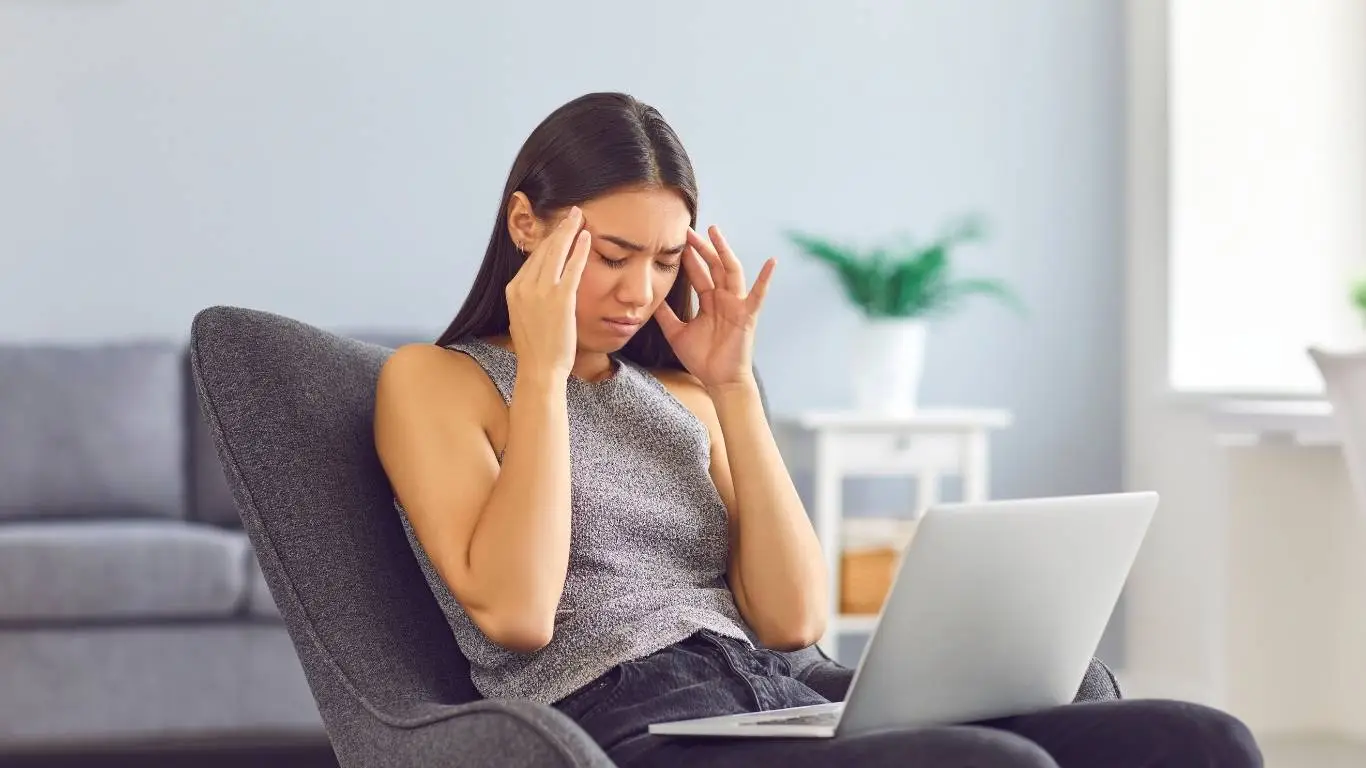
Last year, after my second vaccine dose, I remember waking up the next morning with a pounding sensation behind my eyes. At first, I brushed it off as dehydration or lack of sleep. But as the hours passed and the throbbing only intensified—accompanied by nausea and a weird sensitivity to light—I realized it wasn’t just a typical headache. It was a migraine, and it hit hard. Turns out, I wasn’t the only one. Many people have reported migraines after getting a vaccine shot, especially COVID-19 vaccines, and if you’ve been through it, you know just how rough that ride can be.
Why Do Migraines Sometimes Occur After a Vaccine Shot?

Migraines are more than just headaches—they’re complex neurological events. When they show up after a vaccine shot, it doesn’t necessarily mean something’s gone wrong. Your body’s immune system is reacting, and that reaction can sometimes stir up a storm in your nervous system, especially if you’re already migraine-prone.
Understanding the Immune Response
Vaccines are designed to stimulate your immune system. This process involves the release of various inflammatory molecules like cytokines and prostaglandins. For some of us, those chemical messengers are enough to tip the balance and ignite a migraine. Especially if you already have a history with migraines, your threshold for triggers might be lower.
Stress and Anticipation
Let’s not forget the mental toll. Anticipating side effects, stressing over the shot, or even just messing with your routine that day can lead to tension and contribute to what’s often misinterpreted as a migraine trigger. It’s not always the vaccine itself, but the surrounding situation.
Common Patterns in Vaccine-Related Migraines

After scanning through discussions and listening to dozens of personal stories—mine included—some recurring patterns have emerged. Most post-vaccine migraines seem to pop up within 24–48 hours. They often resemble tension headaches at first but evolve into full-blown migraines in susceptible individuals.
Typical Characteristics
- Throbbing or pulsating pain, often one-sided
- Sensitivity to light or sound
- Nausea or queasiness
- Neck stiffness or eye pressure
In many ways, it mirrors stress-induced migraines, which might explain why they feel more intense after something like a vaccine experience.
Are Certain Vaccines More Likely to Trigger Migraines?
While the science is still unfolding, anecdotal evidence suggests that mRNA vaccines (like Pfizer and Moderna) are more often associated with post-shot migraines than traditional vaccines. This could be linked to the stronger immune response they generate. Still, there’s no conclusive evidence that one vaccine is universally more migraine-triggering than another.
What we do know is this: your personal migraine history plays a significant role. If you’ve dealt with migraine with aura or are sensitive to changes in hormone levels, stress, or sleep patterns, you’re more likely to experience vaccine-triggered migraines.
Prevention Tips That Actually Help

Now that I know what to expect, I’ve started taking simple steps before any vaccine or booster. These might help you too:
- Hydrate Well: Dehydration is a sneaky migraine trigger. I now drink a liter of water before and after my shot.
- Rest and Reset: Clear your schedule. Give your body time to rest, especially the night before.
- Skip the Triggers: Avoid caffeine overload, alcohol, or missed meals leading up to the appointment.
- Use Preventatives: If your neurologist has prescribed a preventive med or supplement, consider taking it as advised before the vaccine.
Also, logging your symptoms can help in the long term. Try using a migraine diary, like this helpful guide to tracking migraines.
When Should You Be Concerned?

While most post-vaccine migraines resolve on their own in a day or two, there are times when it’s smart to check in with your doctor:
- The pain is the worst you’ve ever had
- It lasts longer than 72 hours without improvement
- You experience visual disturbances that don’t fade
- You have accompanying neurological symptoms, like trouble speaking or moving
In these rare cases, it might not be a simple migraine. Conditions like hemiplegic migraine or other neurological reactions could be involved, so it’s best not to take chances.
Supporting Your Recovery the Smart Way

Once the migraine hits, you’re in survival mode. I usually dim the lights, silence everything, and apply a cold compress to the back of my neck. Here’s what’s helped me and others get through it faster:
- Magnesium: Either through food or supplement—many swear by it. See why magnesium matters.
- Sleep: Quality rest can be a game-changer.
- Natural Remedies: Peppermint oil, ginger tea, or gentle acupressure often help take the edge off.
- OTC Options: Ibuprofen or acetaminophen can help if taken early, but avoid overuse.
If you’re into a more holistic approach, natural migraine remedies are worth exploring. I keep a roller bottle of lavender oil nearby for moments like these.
For a deeper dive into understanding triggers and treatment options, I highly recommend checking out this guide on migraine triggers and the main migraines and headaches resource hub.
Also, don’t skip this detailed breakdown of what really happens during a migraine — knowing the mechanics helps you feel more in control.
By recognizing the patterns, prepping ahead, and listening to your body, it becomes easier to navigate vaccine-related migraines with confidence and less fear.
When Migraine After Vaccine Becomes a Recurring Pattern

After my third vaccine booster, I started noticing a pattern. Within 24 hours of the shot—boom, migraine. It was frustrating, especially since I thought I had it figured out. But here’s the thing: some of us are more sensitive to immune triggers. If you’ve had repeated migraines after vaccines, it’s not in your head (pun intended). There’s a physiological connection, and you’re not alone.
Some individuals experience migraines after every flu shot, COVID booster, or even shingles vaccine. While most healthcare providers may shrug it off as a common side effect, it’s important to advocate for yourself. Keeping a detailed record, including the type of vaccine, timing, and symptoms, can help you have a more productive conversation with your doctor.
In cases like this, considering preventive strategies before each shot can really make a difference. I personally started discussing pre-treatment options with my neurologist. A little planning ahead made my fourth dose far more tolerable.
Could It Be Something Else?
It’s worth ruling out other types of headaches or conditions that mimic migraines. Sometimes what we think is a migraine could be a silent migraine, a sinus headache, or even vaccine-related tension headaches. Knowing the difference matters—because treatment varies significantly.
Need a quick refresher on the differences? This migraine vs tension headache guide lays it out really clearly.
Professional Strategies to Manage Post-Vaccine Migraines

If you’re stuck in a loop of migraines after every shot, it’s time to bring in professional strategies. While OTC meds are fine occasionally, relying on them too often can backfire—hello rebound headaches. Instead, consider more structured, long-term approaches.
Talk to a Neurologist
A specialist might recommend short-term prophylactic treatments. These can include:
- Low-dose corticosteroids around vaccination time
- A single dose of triptans (if you’ve used them before)
- Supplements like Vitamin B2 or B6
Many providers also recommend journaling symptoms and trying an app to track migraine episodes—this helped me spot patterns I hadn’t seen before.
Devices That Can Help
Wearable tech is changing the game. After reading countless reviews, I tried the Cefaly device (a friend swore by it). It wasn’t a miracle cure, but it definitely shortened the length of my post-vaccine migraine episodes. Other options like Nerivio and smartwatches with migraine features are gaining popularity too.
You can find a rundown of the top-rated tools in this device comparison guide.
Supporting Migraine-Prone Individuals During Public Health Campaigns

We don’t talk enough about the emotional side of dealing with migraines—especially when they’re linked to something that’s supposed to help you stay healthy. I’ve had friends say, “Maybe I’ll just skip the booster,” and I get it. But the risk of avoiding vaccines usually outweighs the discomfort.
What we need is more education, support, and individualized care. Healthcare providers should acknowledge vaccine-related migraines and offer guidance, not dismissal. Whether it’s educating patients on possible side effects or offering actionable prevention tips, that shift could really reduce anxiety and improve compliance.
Looking for a good resource to understand your personal prevention plan? That guide breaks it down based on age, lifestyle, and triggers.
Real Talk: What’s Worked for Me (and Others)

After trial, error, and lots of journaling, here’s what’s personally helped reduce my vaccine-related migraines:
- Taking magnesium & riboflavin daily (3 months leading up to booster)
- Avoiding alcohol, caffeine, and high-sodium foods for 48 hours post-shot
- Scheduling the vaccine in the morning and blocking out the rest of the day
- Having my triptan prescription ready and taking it at the first sign of aura
- Using cold compresses, aromatherapy, and dim lighting at the onset
If you’re still trying to figure out what works best for your body, I strongly recommend this page on chronic vs episodic migraine—it helped me understand my risk profile better and tailor my care routine accordingly.
How Lifestyle Choices Make a Difference

Managing migraines—whether after a vaccine or just in general—is rarely about one magic solution. It’s usually the little things added together. Sleep quality, hydration, nutrition, and stress control all play massive roles. Even switching my pillow and using blue light glasses helped reduce my migraine days.
If you’re navigating the balance between vaccination and migraine management, try pairing medical support with healthy lifestyle shifts. This resource on exercise and migraine offers a good intro to getting started safely.
Don’t miss the main migraine guide for a comprehensive understanding of how all these elements work together. You can also explore the full pillar content here to build your personal strategy.
Lastly, for a well-rounded migraine plan that includes tips beyond vaccines, I’d suggest checking out authority-backed resources like CDC, Mayo Clinic, or NIH as well. These often cover broader health considerations for migraine-prone individuals during vaccination campaigns.

Bianca Nala is a compassionate Nurse Practitioner with a strong background in primary and respiratory care. As a health writer for Healthusias.com, she combines her clinical expertise with a talent for clear, relatable storytelling to help readers better understand their health. Bianca focuses on topics like asthma, COPD, chronic cough, and overall lung health, aiming to simplify complex medical topics without losing accuracy. Whether she’s treating patients or writing articles, Bianca is driven by a single goal: making quality healthcare knowledge accessible to everyone.