Why White Floaters vs Black Floaters Matter More Than You Think
Ever caught yourself staring at a white wall or a bright sky and suddenly noticed weird specks or strands floating around your vision? If you’re anything like me, the first time it happened, I blinked like crazy, thinking something was on my contact lens. Spoiler alert: it wasn’t. Turns out, those little spots can actually reveal quite a bit about what’s happening inside your eye. Especially when they vary in color — like black floaters vs white floaters. Most people don’t realize there’s a difference. But trust me, there is — and it matters.
Understanding the Basics: What Are Floaters, Really?
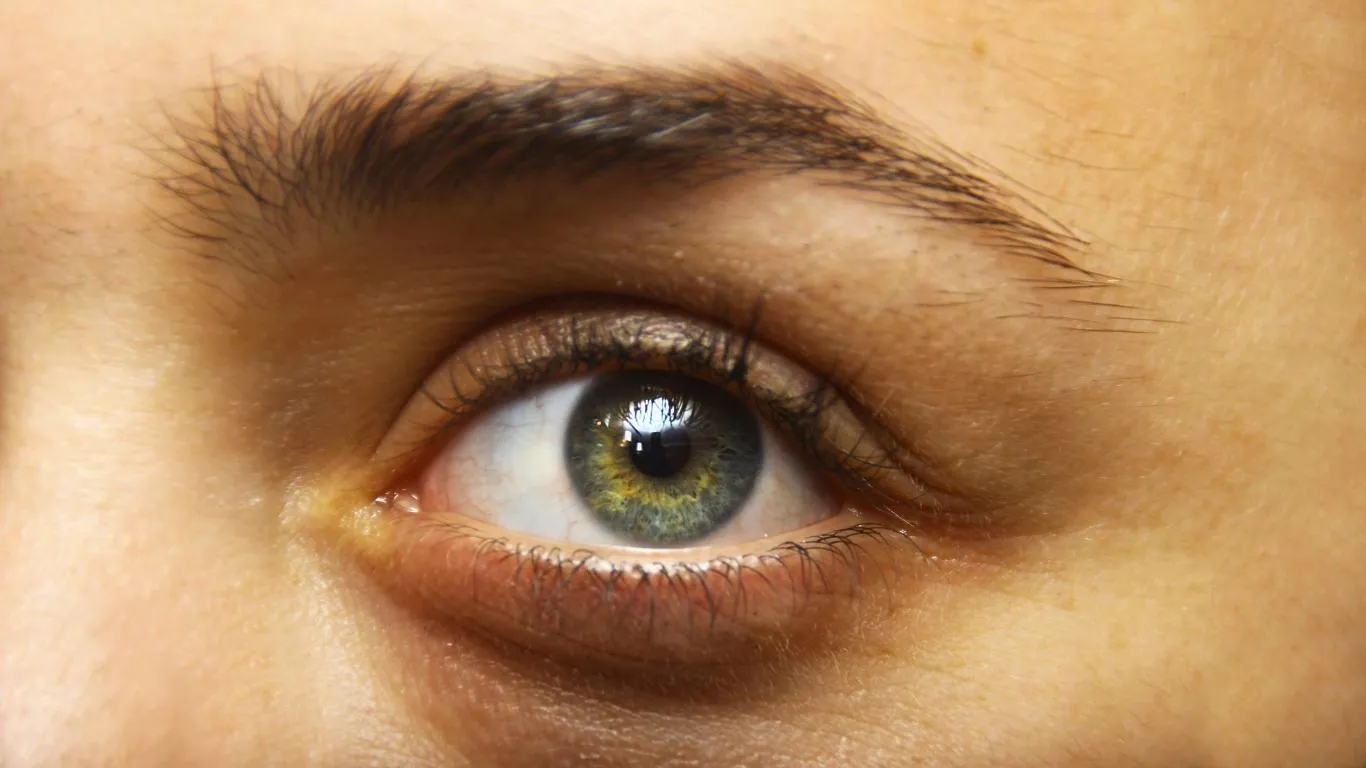
Floaters are tiny bits of debris or clumps in the vitreous humor — the gel-like substance that fills the space between your lens and retina. When light enters the eye, it passes through this gel, and any particles floating in there cast shadows on the retina, which is what you “see” as floaters.
Not All Floaters Are Equal
The floaters we notice most commonly are black or gray — they move as our eyes move and often drift away if we try to look right at them. But here’s where it gets interesting: not all floaters are dark. Some people report seeing white or translucent floaters. So, what’s the deal with that?
White Floaters vs Black Floaters: What’s the Difference?
Let’s break this down. The color difference between white and black floaters usually points to different causes or characteristics. I didn’t realize that myself until I experienced both types during my own eye issues post-LASIK.
Black Floaters: The Common Culprit
These are the most talked about. They’re usually caused by normal age-related changes in the vitreous gel. As we age, the gel begins to liquefy and shrink, pulling away from the retina — this is called a posterior vitreous detachment (PVD). Small pieces of collagen inside the eye can clump together, casting shadows. And boom — you’ve got floaters.
- Typically dark, gray, or black
- Can look like cobwebs, squiggly lines, or dots
- Often more visible against bright backgrounds
Want a deep dive into why this happens with age? This article explains it beautifully.
White or Translucent Floaters: Less Common, But Real
White floaters tend to be subtler and harder to notice. Some describe them as shimmering or glowing specs. I first saw mine during a bout of eye strain while working late on my laptop. At first, I thought I was just tired. Turns out, it wasn’t all in my head.
Possible causes include:
- Light diffraction: Changes in the vitreous might refract light differently, especially in bright lighting conditions.
- Inflammation: White blood cells floating in the eye due to inflammation can appear as white floaters. Conditions like uveitis are known to cause this.
- Vitreous debris post-surgery or trauma, which might scatter light without casting deep shadows.
If you’ve had LASIK or cataract surgery, you might notice these more. This LASIK-related guide helped me make sense of what I was seeing.
Why Understanding the Color Matters for Your Eye Health

Most floaters are harmless — annoying, yes — but not dangerous. However, their color and sudden appearance can indicate underlying issues. I’ll never forget the rush to the eye doctor when a sudden burst of black floaters clouded my vision. It turned out to be a small retinal tear, not something you want to ignore.
When to See an Eye Doctor
If you notice any of the following, please don’t brush it off:
- Sudden increase in the number of floaters (especially black ones)
- Flashes of light along with floaters
- White floaters that look cloudy or foggy — could be inflammation
- Any floaters following trauma or eye surgery
White floaters can sometimes point to serious issues like systemic infections or autoimmune flare-ups. So yes, even those faint translucent ones are worth attention if they’re new or increasing.
White Backgrounds Make Both More Noticeable
You might notice your floaters more when reading documents, scrolling on your phone, or walking outside on a bright day. That’s normal. Bright backgrounds amplify contrast, making both white and black floaters more visible. I actually started using darker phone themes to make mine less noticeable — sounds silly, but it helped.
Also, eye fatigue can increase awareness. If you’re tired, dehydrated, or staring at screens for too long, even the smallest floaters can feel like they’re dancing around. Try taking more breaks — and track any changes over time to help your optometrist spot problems early.
Eye Floaters vs Other Vision Issues
A huge reason I wanted to write this is because I used to confuse floaters with migraine aura — especially white ones. If you’re seeing shimmering white lines or flashes, it could be something else entirely. Here’s a guide that helped me tell the difference.
For a broader understanding of how floaters compare to other eye symptoms, this breakdown from Healthusias can be a game-changer: Eye Floaters vs Other Eye Problems.
Still Curious About Treatment and Management?
If you’re dealing with persistent floaters — whether white or black — you’re not alone. From monitoring to laser therapy and even surgery, there are treatment paths worth exploring. You can dive into the primary floater overview on this main floater resource and also check out the in-depth pillar article about dangerous signs to watch for.
What Causes White and Black Floaters to Appear Differently?
So why do some floaters look white or translucent while others are dark or black? It’s not about your imagination — it often comes down to density, depth, and light diffusion. Black floaters tend to be more solid or denser clumps of collagen, which block more light and cast sharper shadows on the retina. White or translucent floaters? They’re often lighter, or scatter light rather than fully block it — kind of like foggy glass versus a thick curtain.
I actually had an eye specialist explain this to me during a routine checkup. He used the analogy of dust particles floating in the sunlight — some are barely noticeable unless the angle is right. Others? You can’t unsee them. The ones that really annoyed me were the slow, drifting white ones that showed up when I was trying to relax with a book by the window. Classic timing.
What Makes Floaters More Visible?
- Lighting: The brighter the background, the more contrast you’ll see — especially with black floaters.
- Eye movement: Rapid movements stir the vitreous and shift floaters into your line of sight.
- Fatigue: When you’re exhausted, your visual tolerance drops — floaters become more irritating.
- Hydration: Dehydration thickens the vitreous fluid, possibly making floaters more pronounced. Yes, it matters more than you’d think.
White Floaters and Eye Inflammation: A Red Flag?

One important but overlooked cause of white floaters is intraocular inflammation. Conditions like uveitis, autoimmune reactions, and post-infection debris can lead to clusters of white blood cells in the vitreous, causing a cloudy or mist-like appearance. I remember a weeklong scare when I was misdiagnosed with eye allergies — turns out it was low-grade uveitis, something I had never even heard of before.
If you’ve experienced something similar — especially if your eyes feel sore, red, or unusually sensitive to light — this might be worth a deeper look. Floaters aren’t always “just floaters.”
Floaters After Eye Surgery
I had LASIK a few years back, and while the results were amazing overall, the floaters didn’t exactly wait for an invitation. Some came months after the procedure. That’s not uncommon — surgery or trauma can disrupt the vitreous structure and lead to both white and black floaters depending on the type of tissue affected.
Helpful read if you’ve been through something similar: Post-surgery floater symptoms.
Are Certain People More Prone to White or Black Floaters?
Yes — and I’m one of them. High myopes (a fancy term for people with serious nearsightedness) tend to develop floaters earlier and more intensely. My prescription’s pretty wild (-7.25 in one eye), and by my late 20s, floaters were my daily reality. On top of that, people who’ve experienced diabetes, chronic stress, or even nutrient deficiencies can be more sensitive to floaters or develop them more rapidly.
- Older adults — due to natural vitreous degeneration
- People with autoimmune conditions
- Post-surgery patients — especially cataract or retinal repair
- High myopia patients (👋 hi, fellow squinters!)
It’s also worth pointing out that while black floaters are more associated with aging, white ones can show up earlier, especially in inflammatory or vascular conditions.
What Can You Actually Do About These Floaters?
There’s no magic eye drop — trust me, I’ve tried. But some people do find relief with professional treatments like laser vitreolysis or vitrectomy. Both have risks and aren’t usually recommended unless floaters seriously impact vision.
Other approaches I’ve personally tried:
- Hydration & Diet: Upping my water intake and getting more antioxidants (think lutein-rich foods like spinach) made things slightly better.
- Lighting Adjustments: Switched to warm-tone bulbs in my office — floaters are way less noticeable now.
- Eye exercises: I started a few basic ones I found in this guide: Best Eye Exercises.
If you’re looking for natural approaches (that don’t waste your time), this breakdown helps separate science from fluff.
So, Is One More Serious Than the Other?
Not necessarily. But black floaters are often more likely to signal structural eye issues — especially if they appear suddenly or come with flashes. White floaters, on the other hand, can be subtler signs of internal inflammation or cell debris, and they deserve just as much attention — especially if you’re dealing with autoimmune symptoms or a recent infection.
As someone who has experienced both types, I’ve learned not to dismiss either. And honestly, having the right information can really change how you approach your eye health day-to-day.
When to Be Concerned — and What to Do Next
If you’re noticing any of the following, it’s time to call your optometrist — and I mean ASAP:
- A sudden shower of black floaters, especially with flashing lights
- White floaters that appear cloudy, milky, or come with eye pain
- Changes in your peripheral vision (like a curtain or shadow)
This could be your retina waving a giant red flag. Retinal detachment, vitreous hemorrhage, or inflammation-related damage might be behind those changes. Get checked, even if you’re not sure. I did — and it saved my vision.
And remember, for a more complete breakdown of when floaters can actually be dangerous, this guide is a must-read. For a foundational understanding of floaters — including how they’re formed, treated, and tracked — start here: Main Eye Floater Pillar.

Camellia Wulansari is a dedicated Medical Assistant at a local clinic and a passionate health writer at Healthusias.com. With years of hands-on experience in patient care and a deep interest in preventive medicine, she bridges the gap between clinical knowledge and accessible health information. Camellia specializes in writing about digestive health, chronic conditions like GERD and hypertension, respiratory issues, and autoimmune diseases, aiming to empower readers with practical, easy-to-understand insights. When she’s not assisting patients or writing, you’ll find her enjoying quiet mornings with coffee and a medical journal in hand—or jamming to her favorite metal band, Lamb of God.