Why Floaters From Allergies Can Make Eye Spots Feel Worse
Every spring, my eyes go through the same cycle — itchy, watery, and filled with those weird, shifting little specks that dance across my vision. I used to chalk it all up to allergies until I noticed those “eye spots” stuck around long after the pollen disappeared. If you’ve ever found yourself wondering whether those floaters are just part of seasonal allergies or something else entirely, you’re not alone. Let’s unpack this — minus the medical jargon overload — and get into what these floaters or allergy-related eye spots really mean.
What Are Floaters, Really?
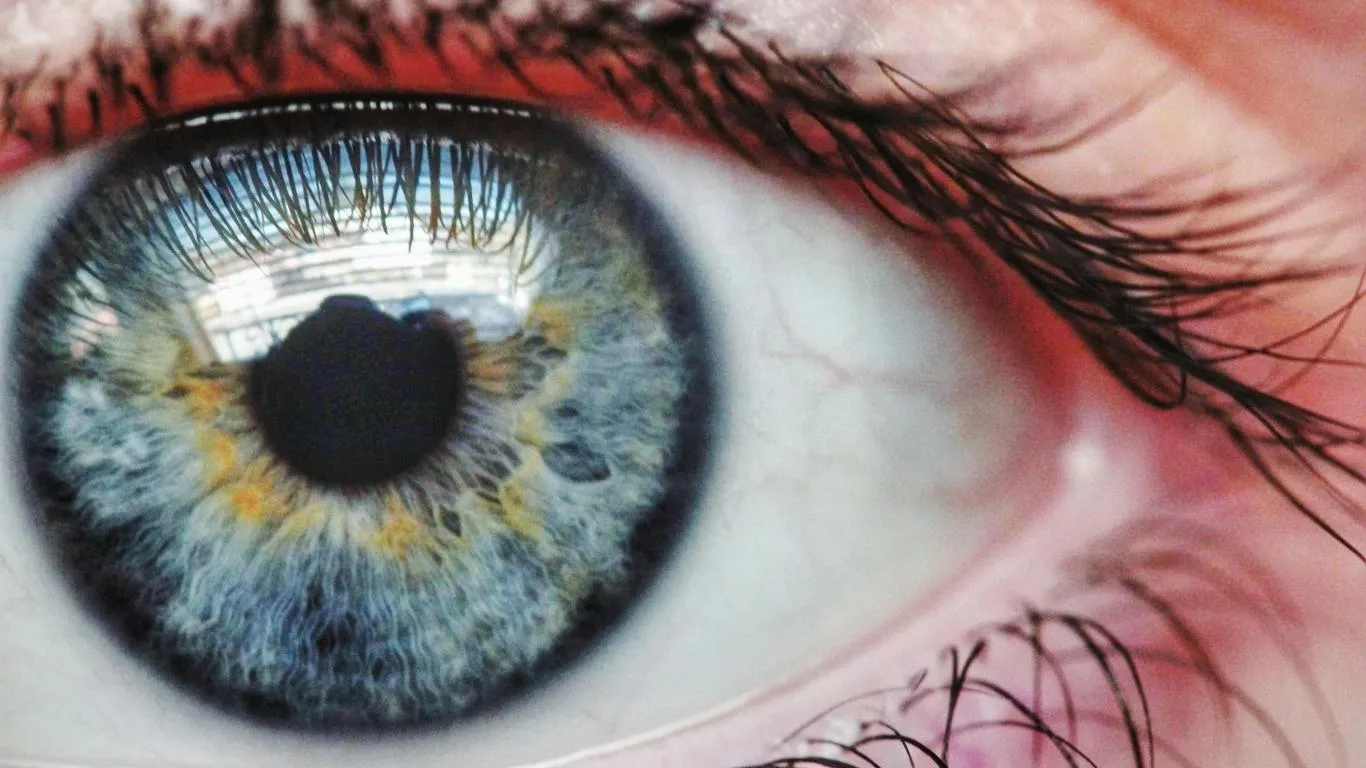
Floaters are those shadowy shapes or specks that drift through your field of vision. They can look like cobwebs, strings, or translucent blobs — super annoying when you’re trying to read or enjoy a clear view. They’re caused by tiny fibers clumping together in the vitreous, the jelly-like substance inside your eye.
Most people notice floaters when staring at a bright sky or a white wall. For me, it was while driving with the sun glaring off the dashboard — those little shapes became impossible to ignore. Turns out, for many of us with seasonal allergies, floaters can feel more prominent during flare-ups. But are the allergies to blame, or is it something else?
Can Allergies Cause Floaters?
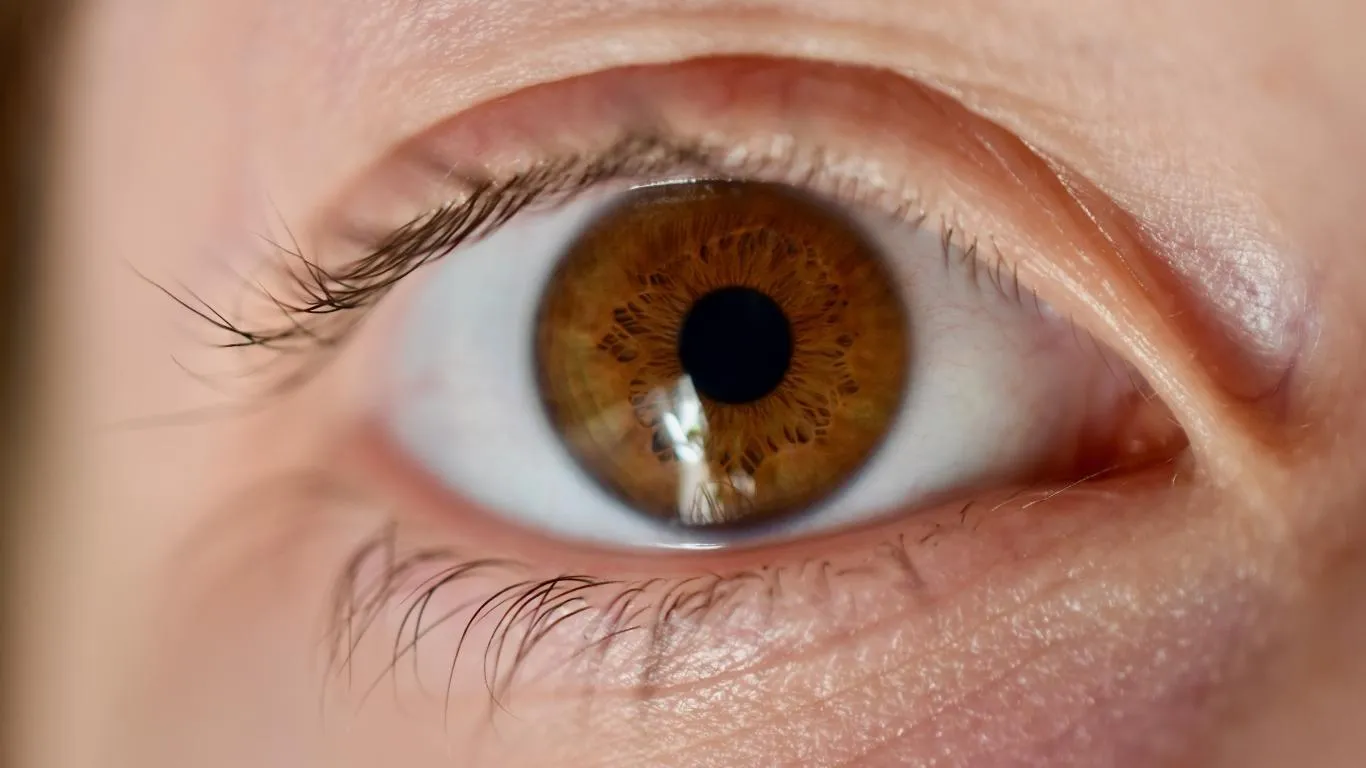
Here’s the thing — allergies themselves don’t directly cause floaters. But they *can* make you more aware of them. When your eyes are irritated, inflamed, and constantly watering or itching, you’re more likely to notice those floaters that were already there in the background. And let’s be real: all that eye rubbing? Not helping at all.
Excessive rubbing can stress the vitreous and retina, potentially aggravating existing floaters or, in rare cases, contributing to more serious issues. This piece explains how eye rubbing may worsen floaters over time. If you’re doing the same thing I used to — constantly massaging your eyes during allergy season — it might be time to break the habit.
Inflammation and Eye Floaters
Seasonal allergies can cause *conjunctival inflammation* — red, itchy, watery eyes — but in some cases, the inflammation might go deeper. Inflammation of the eye’s internal structures (like uveitis) can increase your risk of floaters. Learn more about how uveitis may be involved.
While allergic conjunctivitis is usually harmless, if you’re noticing floaters alongside eye pain or light flashes, that could be a red flag for something more serious. The key here is not to panic — but don’t ignore persistent symptoms either.
Common Triggers That Make Floaters Worse
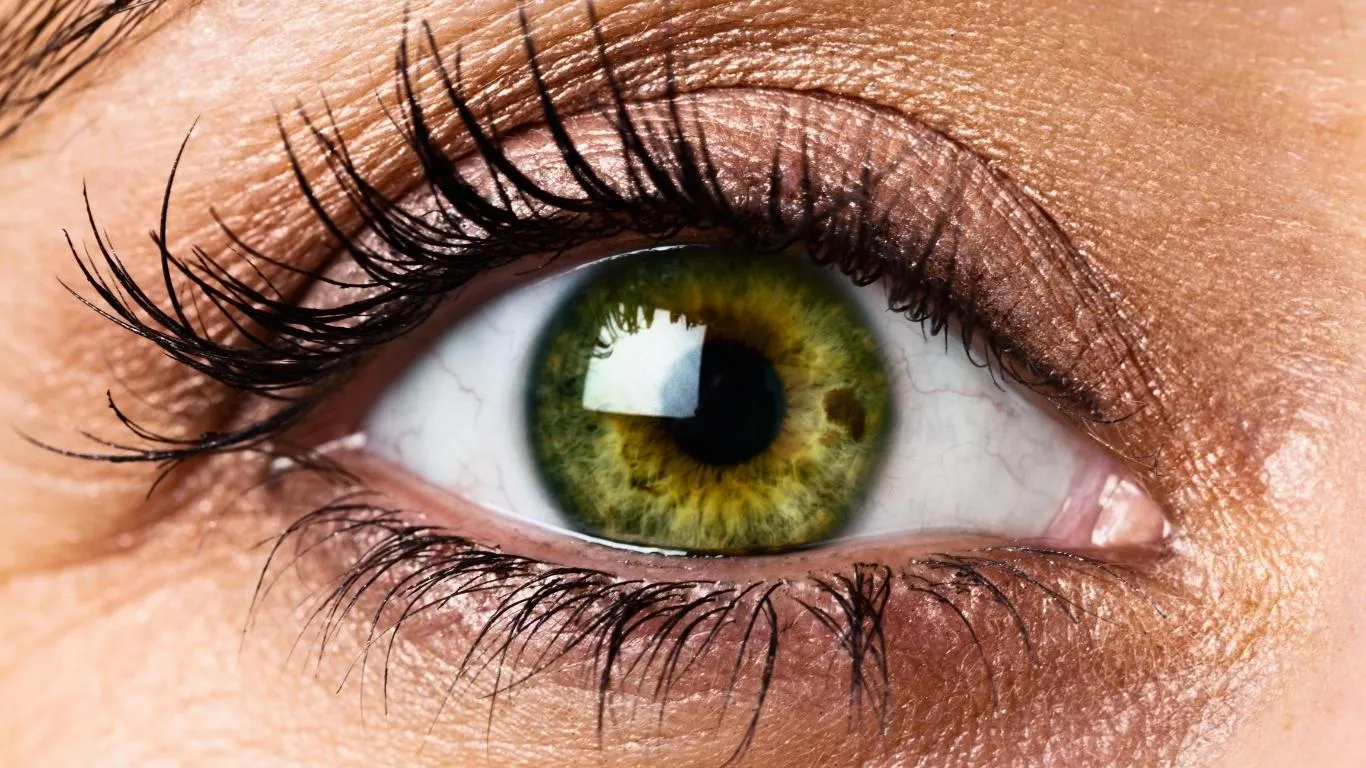
- Bright Light: Sunlight and blue light can make floaters more visible. Think afternoon glare or your phone screen at midnight. This guide on floaters and light sensitivity dives deeper.
- Lack of Sleep: When you’re tired, floaters often seem to increase — maybe because the eye’s focusing muscles are fatigued. Guilty here, too.
- Allergy Medications: Some meds can dry out your eyes, which might make floaters feel more pronounced. This article explores the link between antihistamines and floaters.
- Dehydration: Dry eyes and poor hydration can affect the vitreous. Here’s how dehydration makes floaters more noticeable.
So… Is It Just Allergies or Something Bigger?
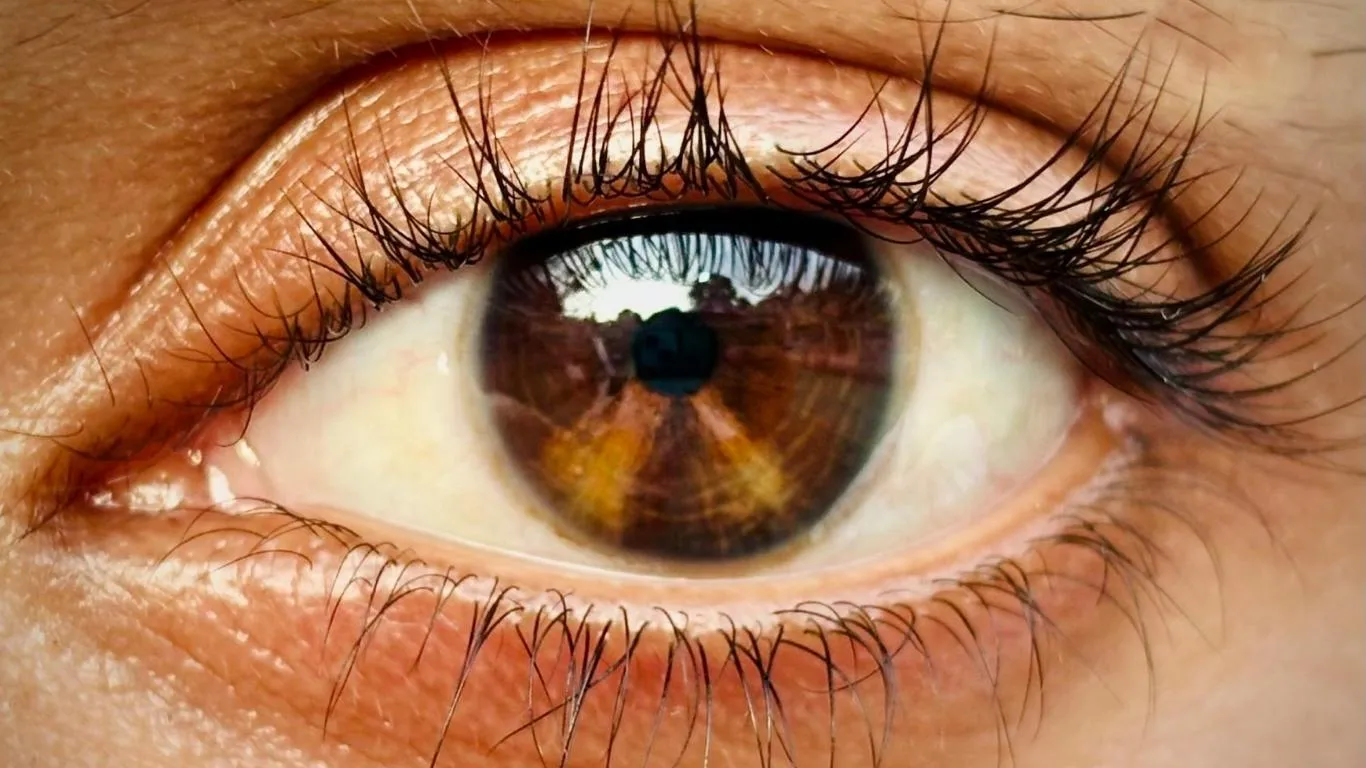
Sometimes, floaters are just floaters — annoying but harmless. But when they’re paired with things like flashing lights, vision loss, or severe eye discomfort, it might not be your allergies at all. Conditions like posterior vitreous detachment or retinal tears need a doctor’s attention, fast.
And then there’s autoimmune disease. People with autoimmune conditions often experience eye inflammation that can trigger or worsen floaters. This article covers autoimmune links to eye floaters.
When Should You See an Eye Specialist?
- If you suddenly see a *shower* of floaters
- If floaters come with light flashes or vision loss
- If you’ve had recent head trauma or eye surgery
- If floaters appear only in one eye and get worse
Any of the above should be a sign to check in with an optometrist or ophthalmologist. I ignored my symptoms for a while thinking it was “just allergies” — until it wasn’t.
Can Lifestyle and Diet Help Reduce Floaters?
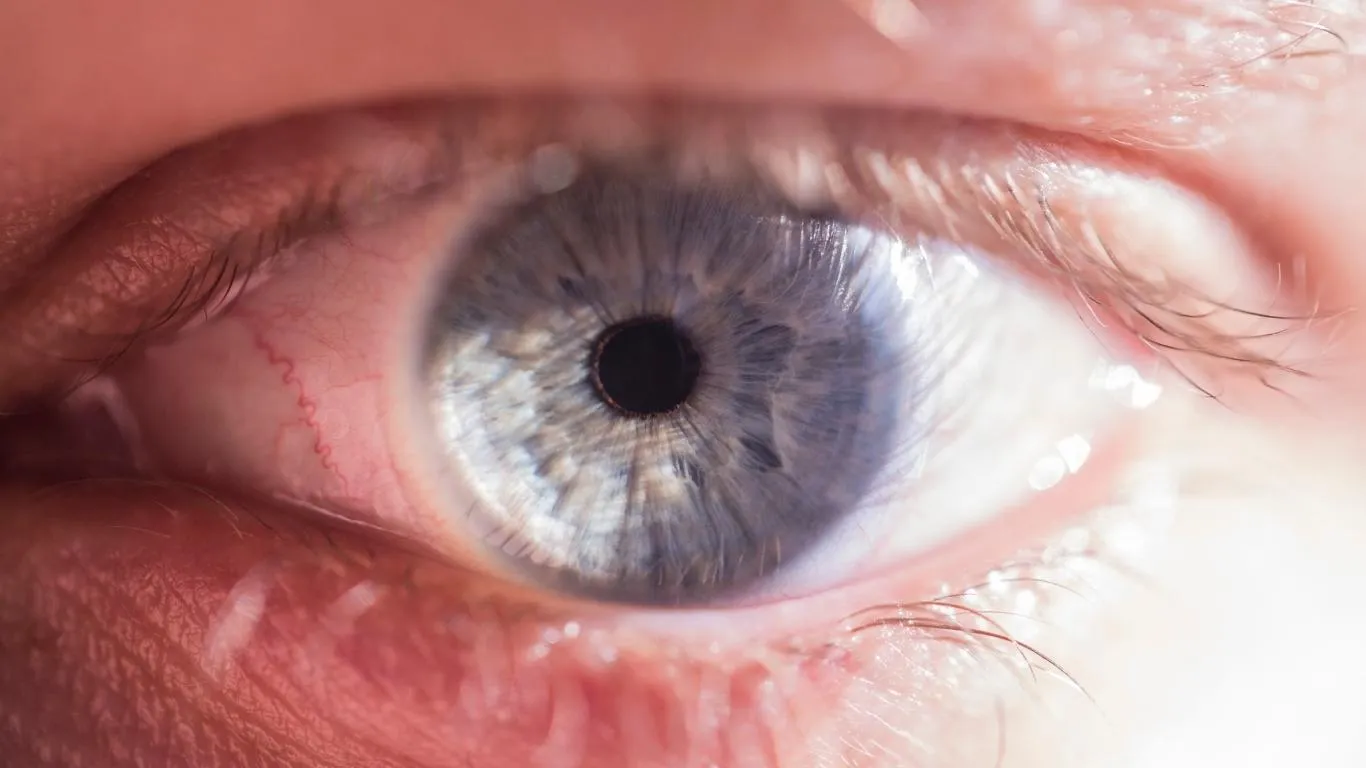
While you can’t completely eliminate floaters without medical intervention (like laser therapy or vitrectomy), a healthy lifestyle can support eye health and make floaters less bothersome. Some tips that helped me:
- Hydrate consistently — not just when you’re thirsty
- Reduce screen time or use blue light filters
- Consider adding antioxidant-rich foods — like spinach, citrus, and fish oil
- Use allergy-safe eye drops to avoid excessive rubbing
You might find value in this write-up on diet changes that may reduce floaters or check out natural methods to manage eye floaters.
For a deeper dive into how floaters form and why they stick around, check out our main guide: What Are Eye Floaters?. If you’re more curious about how floaters differ from other eye issues, this comparison article lays it out clearly.
And don’t overlook trusted medical sources like https://www.aao.org (American Academy of Ophthalmology) or https://www.ncbi.nlm.nih.gov for research-backed insights.
When Floaters Disrupt Daily Life
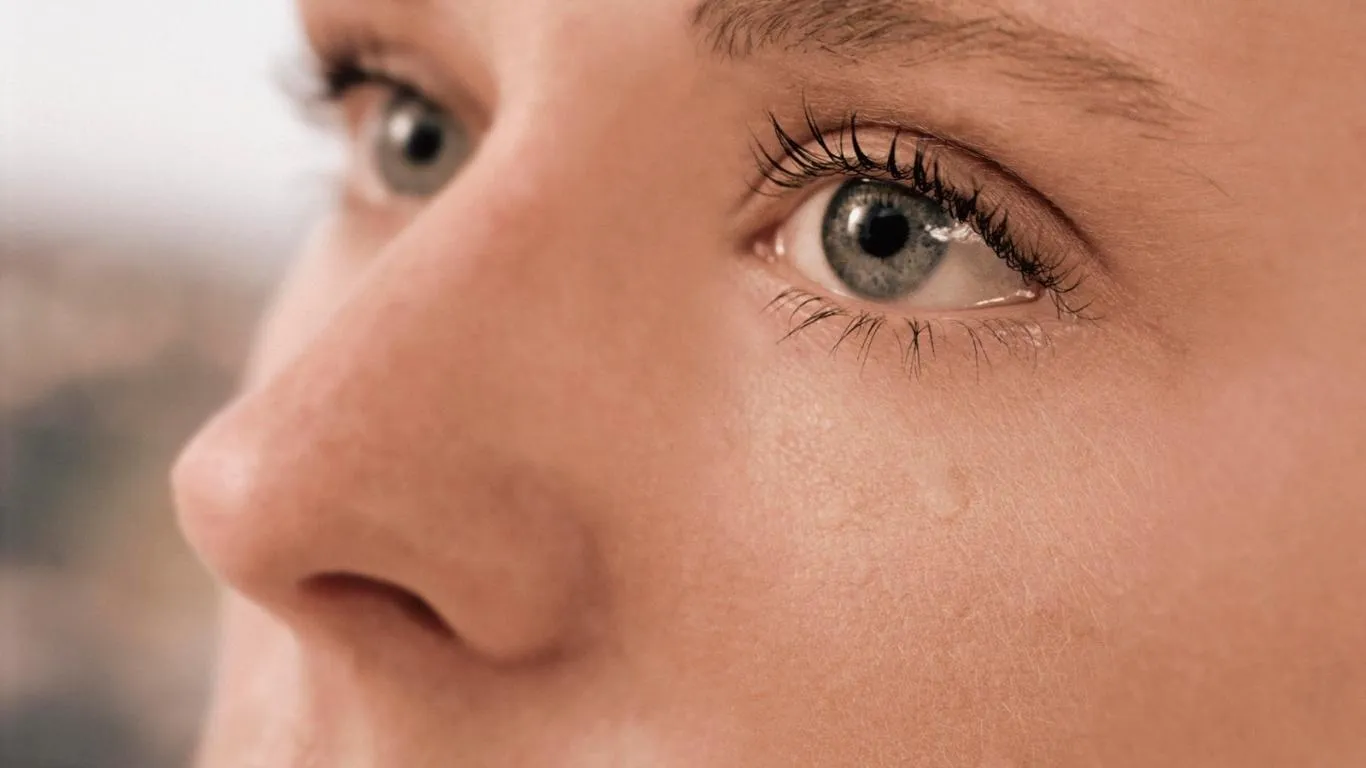
I used to think floaters were just a minor annoyance — something you lived with and got used to. But for some of us, especially during allergy season or when we’re sleep-deprived, they can get downright disruptive. Reading, working on a screen, or even just driving can become a visual challenge. It’s not always easy to explain to others why you’re squinting at nothing or blinking like crazy just to get a clearer view.
For people who already have high myopia or eye inflammation, floaters can sometimes snowball into something more serious. Here’s how floaters affect life for those with high myopia.
The Mental Side of Dealing with Floaters
What rarely gets talked about is the emotional toll. There were days when the floaters gave me legit anxiety. Every flicker felt like something worse. Turns out, that’s common — and it’s valid. Constantly spotting moving shapes can make you hyper-aware of your vision, which can lead to fatigue, stress, and even sleep issues. This article covers how floaters can affect mental health.
What Are the Treatment Options for Floaters?
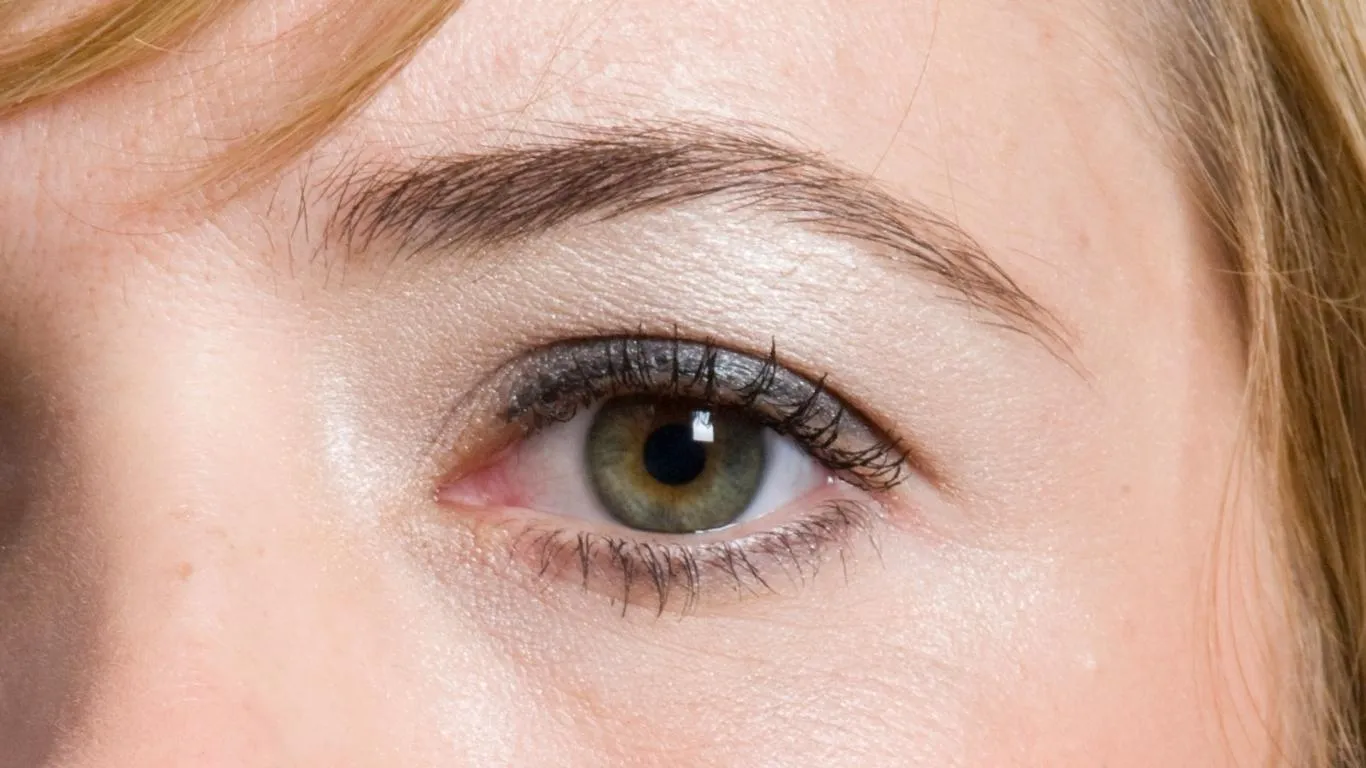
Here’s the honest truth: in most cases, floaters fade over time and don’t need treatment. But if they’re truly impacting your daily life, or you’ve got underlying issues like inflammation, surgery or laser options might be worth exploring.
- Observation: The most common approach — watch and wait. Floaters tend to sink and settle out of your line of vision naturally.
- Laser Vitreolysis: A non-invasive procedure that uses lasers to break up floaters. It’s not for everyone, but this guide explains who’s a candidate.
- Vitrectomy: A surgical option where the vitreous gel is removed and replaced. More effective, but comes with risks, so it’s usually a last resort.
While some clinics offer “miracle” eye drops, most don’t have solid science behind them. Be skeptical of anything that promises overnight floater relief. Even the American Academy of Ophthalmology notes there’s no FDA-approved medication proven to dissolve floaters effectively. (https://www.aao.org)
Can Supplements or Diet Changes Help?
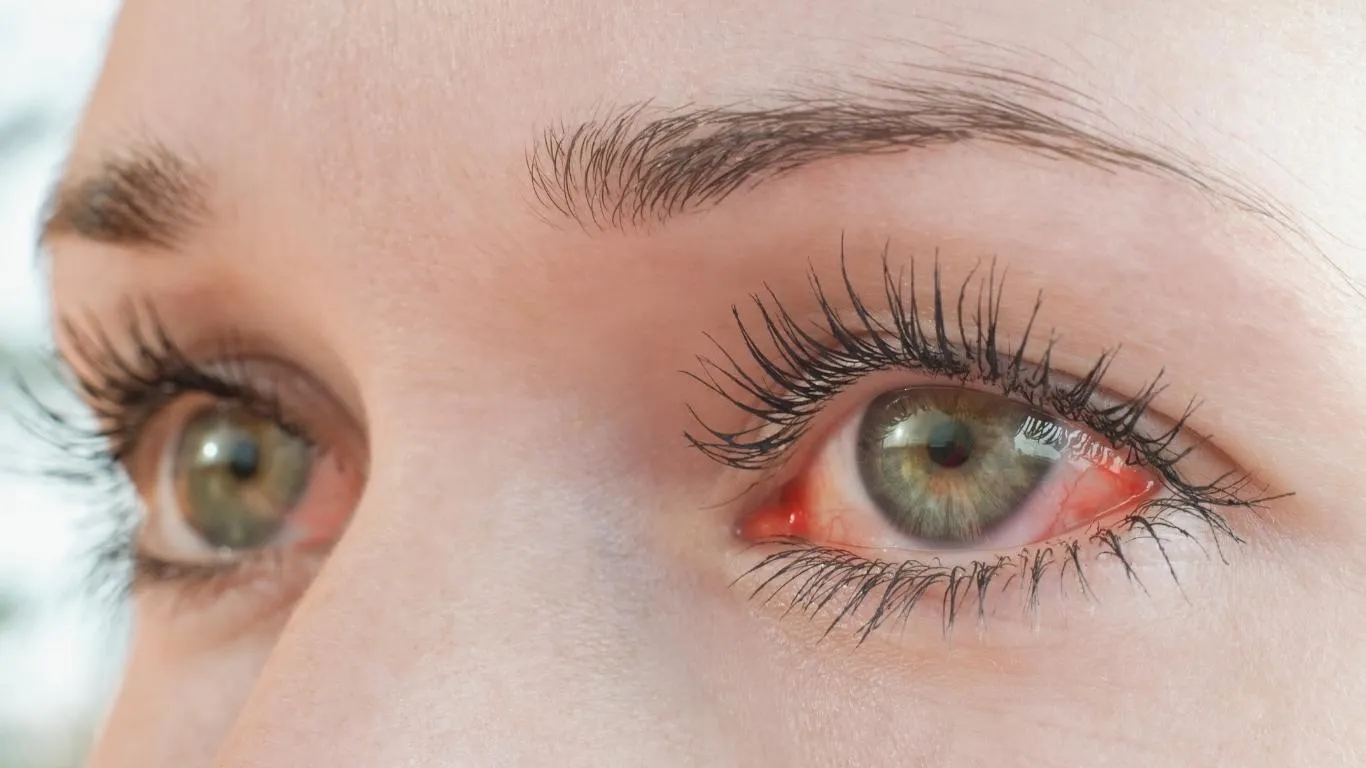
This is where things get interesting. While no supplement can “cure” floaters, many people (myself included) have seen subtle improvements with consistent nutrition. Supplements rich in lutein, zeaxanthin, zinc, and omega-3s can support overall eye health. If your floaters are tied to inflammation or oxidative stress, these nutrients might help minimize symptoms.
Here’s a helpful overview of supplements that actually support vision health, and diet changes that could reduce floaters naturally.
Foods That May Support Vitreous Clarity
- Dark leafy greens (spinach, kale)
- Cold-water fish (salmon, sardines)
- Citrus fruits
- Carrots and sweet potatoes (for beta-carotene)
Personally, I started adding a daily smoothie packed with spinach, chia seeds, and blueberries — not saying it cured me, but it’s definitely helped reduce the frequency of those harsh visual disturbances.
Are There Eye Exercises That Work?
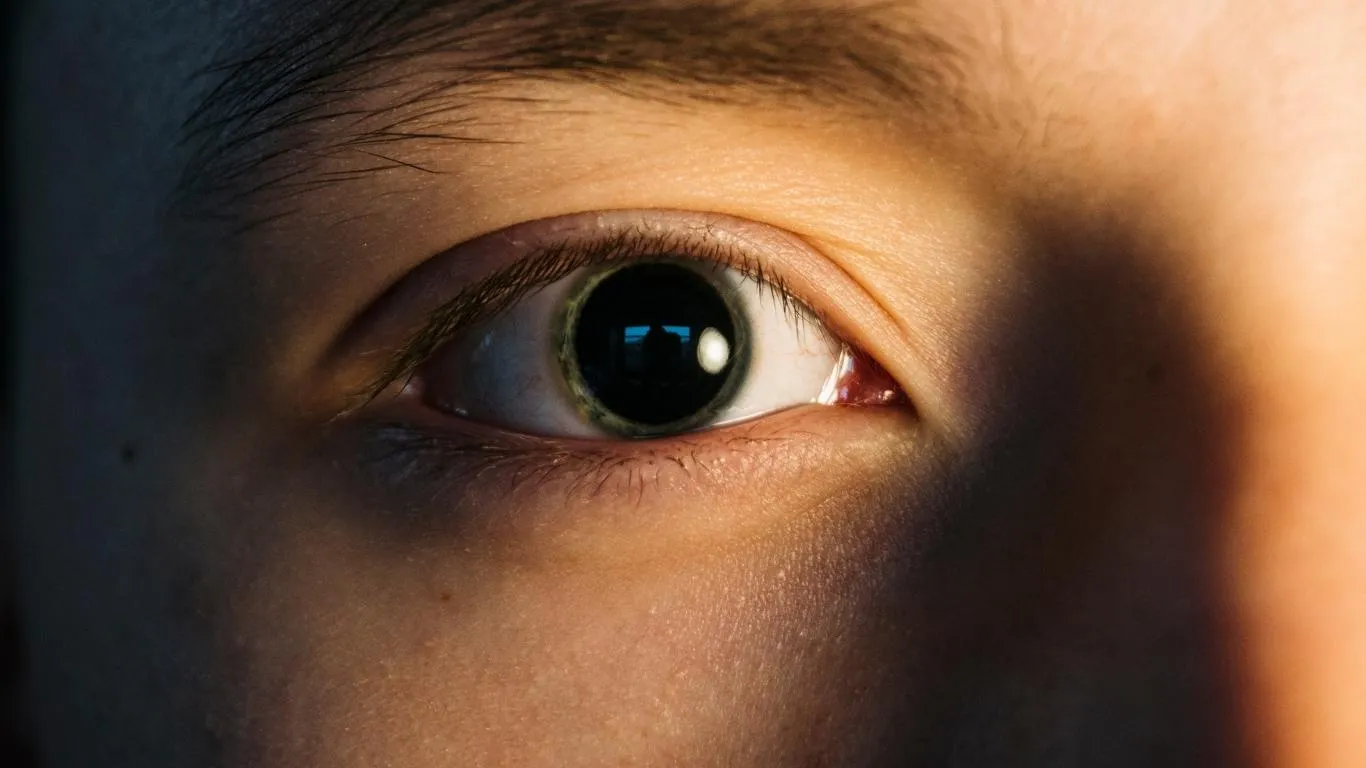
This is one area with mixed opinions. Some claim guided eye movements can help reorient how floaters float (pun intended). While the science isn’t conclusive, gentle eye exercises, combined with proper hydration and lighting adjustments, might ease discomfort.
Want to give it a shot? Here’s a step-by-step eye exercise guide that’s surprisingly helpful.
When You Should Stop Waiting and Get Checked
Here’s the golden rule I learned the hard way — if something changes quickly, *get it checked out*. You don’t want to assume it’s allergies when it might be retinal detachment or worse. Key signs include:
- Sudden increase in floaters, especially after an injury
- Flashing lights in your vision
- Dark curtain or shadow creeping over your sight
- Pain along with visual changes
If you’re dealing with floaters after an eye infection, or you’ve had any kind of trauma (even a bad allergy flare that left your eyes swollen and inflamed), don’t guess — get that expert opinion. Even pregnancy-related floaters deserve attention if they show up suddenly.
What Actually Helped Me
Not every tip will work for everyone, but here’s what worked for me:
- Swapping to blue light filter glasses — helped with screen glare a lot
- Drinking more water (boring, but effective)
- Limiting caffeine, which oddly made floaters worse for me
- Pausing during allergy flare-ups to avoid eye strain
It took some trial and error, but after years of chasing down answers and trying every possible remedy, I’ve finally got floaters that don’t ruin my focus or my day. If you’re just starting your journey, know that there’s hope — and tons of science-backed help out there.
For everything floaters — whether caused by age, inflammation, or allergies — you’ll find a comprehensive overview in our Main Floater Guide. You can also check out our focused piece on natural ways to manage eye floaters.
If in doubt, don’t hesitate to explore trusted research from https://www.ncbi.nlm.nih.gov or expert associations like https://www.mayoclinic.org. Your vision’s worth it.

Camellia Wulansari is a dedicated Medical Assistant at a local clinic and a passionate health writer at Healthusias.com. With years of hands-on experience in patient care and a deep interest in preventive medicine, she bridges the gap between clinical knowledge and accessible health information. Camellia specializes in writing about digestive health, chronic conditions like GERD and hypertension, respiratory issues, and autoimmune diseases, aiming to empower readers with practical, easy-to-understand insights. When she’s not assisting patients or writing, you’ll find her enjoying quiet mornings with coffee and a medical journal in hand—or jamming to her favorite metal band, Lamb of God.