Why Floaters Are Worse In Your Right Or Left Eye And What It Means
One morning, I noticed something strange: the floaters in my right eye had suddenly become more noticeable than in my left. At first, I brushed it off—maybe it was the lighting, or I just didn’t sleep well. But after days of squinting and waving away those ghostly threads dancing across my vision, I started to wonder… is it actually common for floaters to be worse in one eye? If you’re wondering the same thing, you’re not alone. Let’s dive into what might be going on—and why one eye might seem worse than the other.
Why Are Floaters More Noticeable in One Eye?
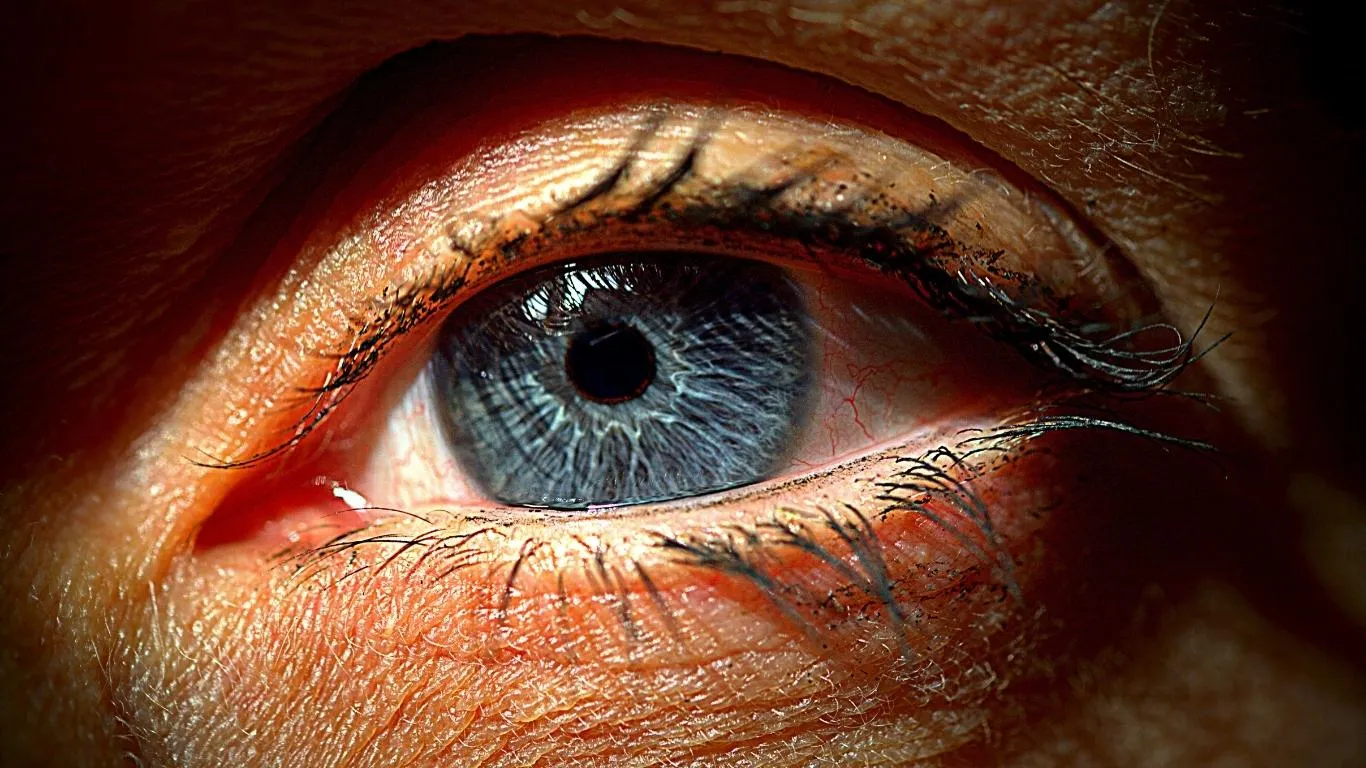
Most people will experience eye floaters at some point, especially as they age. But what catches people off guard is when floaters seem more prominent in one eye than the other. It feels lopsided, distracting, and honestly a bit alarming.
There are a few key reasons why floaters might be worse in your right or left eye, and they range from totally benign to potentially serious. Understanding these can give you peace of mind—or a reason to book that eye exam.
1. Dominant Eye Fatigue and Visual Load
We tend to rely more heavily on one eye—the dominant eye—without even realizing it. If your dominant eye is the one seeing more floaters, it could be due to increased visual processing, especially after screen time or intense focus. It’s like using one hand more than the other—over time, strain builds up.
2. Differences in Vitreous Detachment
Posterior vitreous detachment (PVD) often occurs in one eye before the other. This natural aging process involves the gel-like substance in your eye (the vitreous) pulling away from the retina. The process isn’t always synchronized between both eyes, so one may develop floaters sooner or more severely.
Learn more about how PVD causes floaters.
3. Underlying Conditions Affecting One Eye
Conditions like uveitis, past infections, or even trauma can affect one eye differently. I had a mild eye injury years ago from sports, and guess which eye the floaters showed up in first? Yep—the injured one. Floaters can be your eyes’ way of reminding you of old battles.
There’s also the possibility of blunt trauma contributing to unilateral floaters.
Are Floaters in One Eye a Sign of Something Serious?

Not always—but sometimes, yes. Floaters that suddenly worsen or are accompanied by light flashes, a dark shadow, or peripheral vision loss can signal a retinal tear or detachment, which requires immediate medical attention. If the floaters in your right or left eye are new, dense, or increase rapidly, don’t wait it out—get checked.
Serious causes to be aware of include:
- Retinal tear or detachment – especially with flashing lights or vision loss
- Vitreous hemorrhage – sometimes related to diabetes or trauma
- Infection or inflammation – like endophthalmitis or uveitis
Consider this guide on floaters as a warning sign for retinal damage.
Floaters Are Worse in the Morning or After Screen Time
If you’re like me, mornings are floaters’ favorite time to make an entrance. Why? When you wake up, your eyes shift from low-light rest to high-light function, and the contrast between the floater and your visual field is sharper. Same goes for looking at screens or bright white backgrounds—the contrast makes those floaters pop like confetti in your line of sight.
Here’s something that helped me: adjusting my monitor brightness and increasing ambient light reduced how distracting the floaters felt. It’s worth trying if you’re stuck at a desk all day like I am.
You might also want to read about the impact of screen time on floater intensity.
Risk Factors That Make One Eye Worse Than the Other
Let’s break down some things that can skew floaters toward one eye:
- History of trauma or injury – even minor hits can disturb the vitreous in one eye
- Eye surgeries – like LASIK, PRK, or cataract surgery, often affect one eye at a time
- Vascular differences – subtle asymmetries in blood supply or pressure between eyes
- Degenerative diseases – like lattice degeneration or Stickler syndrome, often progress unevenly
For instance, after cataract surgery, it’s common for floaters to show up more clearly due to the clearer lens implant. That sharp vision ironically makes floaters easier to see—especially if only one eye was treated. Explore more in this in-depth post-cataract floater guide.
When to See a Doctor (And Why You Shouldn’t Wait)
I hesitated for a week before seeing my optometrist—and honestly, I wish I had gone sooner. Even though it turned out to be harmless, the peace of mind was worth it. If your floaters:
- Appear suddenly in large numbers
- Are only in one eye and worsening
- Come with light flashes or vision dimming
…then stop Googling and make that appointment. The risk of waiting can be vision-threatening.
Also worth a deeper look: when floaters might indicate something serious.
Helpful Resources to Understand Your Floaters Better
And if you’re looking to understand the full picture of how floaters start, worsen, and affect daily life, I strongly recommend starting with the main pillar article on eye floaters and this guide on danger signs.
Authoritative sources like AAO, NCBI, and Mayo Clinic also have reliable insight into eye health and vitreous issues.
How to Cope When Floaters Are Worse in One Eye
Living with floaters in one eye can honestly mess with your focus, especially if you’re trying to read, drive, or even enjoy a sunset without distractions. Trust me, I’ve tilted my head, closed one eye, and done every trick in the book to minimize that one rogue floater. While we can’t eliminate them instantly, there are ways to manage the annoyance.
1. Use Your Environment to Your Advantage
Floaters are more visible against bright, uniform backgrounds. If you’re indoors, avoid white walls or super-bright lighting. I switched my phone and browser to dark mode, and the difference was immediate. Lowering brightness and using warm tones helps reduce visual contrast with floaters.
2. Keep Your Eyes Moving
It sounds silly, but sometimes just looking up and down, or side to side, can shift the floater out of your central vision. It’s not a cure, but it gives temporary relief. Some people swear by circular eye motions—worth trying when floaters drift right into your reading path.
3. Hydration and Eye Health
One underrated fix? Drink more water. I didn’t realize how much dehydration impacted my vision until I started tracking it. A few days of consistent hydration, and the floaters were way less noticeable. Also, focusing on nutrients like vitamin C, lutein, and omega-3s helps support your vitreous health.
4. Supplements and Herbal Support
Some research—and a lot of anecdotal support—suggests that specific supplements can help reduce floaters. I’ve personally tried a combo of lutein, zeaxanthin, and bilberry extract. While the change wasn’t overnight, I did notice a softening in floater intensity over a few weeks.
You might want to look at this roundup of effective eye floater supplements.
What If the Floaters Are Getting Worse?
If you’ve been dealing with a couple floaters for years and suddenly things look like a snow globe—pay attention. A rapid increase in floaters in just one eye is not something to ignore. It might be as simple as benign vitreous changes, but it can also signal a tear or detachment.
These scenarios often come with other symptoms, like:
- Sudden flashes of light in peripheral vision
- A “curtain” or shadow creeping across your sight
- Wavy or distorted central vision
Any of those, especially in one eye only? Time to head to the eye doctor, ASAP. You can dig deeper into warning signs by checking out this article about sudden floater bursts.
Floaters After Surgery: Why One Eye Might Be Affected
Another common scenario: you’ve had LASIK or cataract surgery—and now floaters are haunting one eye. I’ve heard this story dozens of times. Sometimes it’s just that clearer vision makes floaters more noticeable, but in some cases, the surgery may have triggered vitreous changes.
Post-surgery floaters often appear:
- After LASIK due to sudden intraocular pressure fluctuations
- Following cataract surgery, especially if the posterior capsule is disturbed
- From inflammation or minor hemorrhage during recovery
Get the details in this deep dive on LASIK and floaters.
YAG Capsulotomy and Secondary Floaters
Here’s one that surprised even me: some people experience new floaters after YAG laser treatment for posterior capsule opacification. It’s not super common, but it happens—especially if debris is displaced during the procedure.
Learn more from this YAG-related floater article.
Natural Remedies That Actually Help
I’m all for modern medicine, but there’s something comforting about natural remedies—especially when you’re trying to avoid unnecessary procedures. While no herb or oil can magically erase floaters, a few options can support overall eye clarity:
- Bilberry extract – supports capillary health in the retina
- Ginkgo biloba – improves microcirculation in the eyes
- Taurine – an amino acid essential for retinal support
Also worth exploring: herbal remedies for vitreous clarity.
When Treatment Is Necessary
When floaters in one eye become truly disruptive, some people look into treatment. I’ve never personally done it, but I know folks who’ve tried laser vitreolysis—and a few who opted for vitrectomy. These procedures aren’t for everyone, but they exist for a reason.
Here’s a quick breakdown:
- Laser vitreolysis – uses a laser to break up dense floaters; minimal recovery time
- Vitrectomy – surgical removal of the vitreous gel; more invasive, but effective
Explore your options in this full treatment guide.
Final Words: Trust Your Eyes

Here’s the bottom line: if the floaters in your right or left eye are worse, there’s usually a reason—and it’s not always something to panic over. Still, it’s your vision we’re talking about. It deserves attention, care, and sometimes, a bit of investigation.
Floaters are weird. They float, they change, they vanish, then come back. But you don’t have to be in the dark about them—especially when they decide to be extra annoying in just one eye. Be curious, be cautious, and don’t hesitate to get that second opinion if something feels off. Trust me, your future self will thank you.
If you’re new to the topic or just starting to make sense of it all, I recommend checking out the main article on causes, symptoms, and treatment. And for more context around danger signs, don’t miss this crucial guide: When Eye Floaters Signal Something Serious.
Stay well—and keep those eyes happy.

Camellia Wulansari is a dedicated Medical Assistant at a local clinic and a passionate health writer at Healthusias.com. With years of hands-on experience in patient care and a deep interest in preventive medicine, she bridges the gap between clinical knowledge and accessible health information. Camellia specializes in writing about digestive health, chronic conditions like GERD and hypertension, respiratory issues, and autoimmune diseases, aiming to empower readers with practical, easy-to-understand insights. When she’s not assisting patients or writing, you’ll find her enjoying quiet mornings with coffee and a medical journal in hand—or jamming to her favorite metal band, Lamb of God.