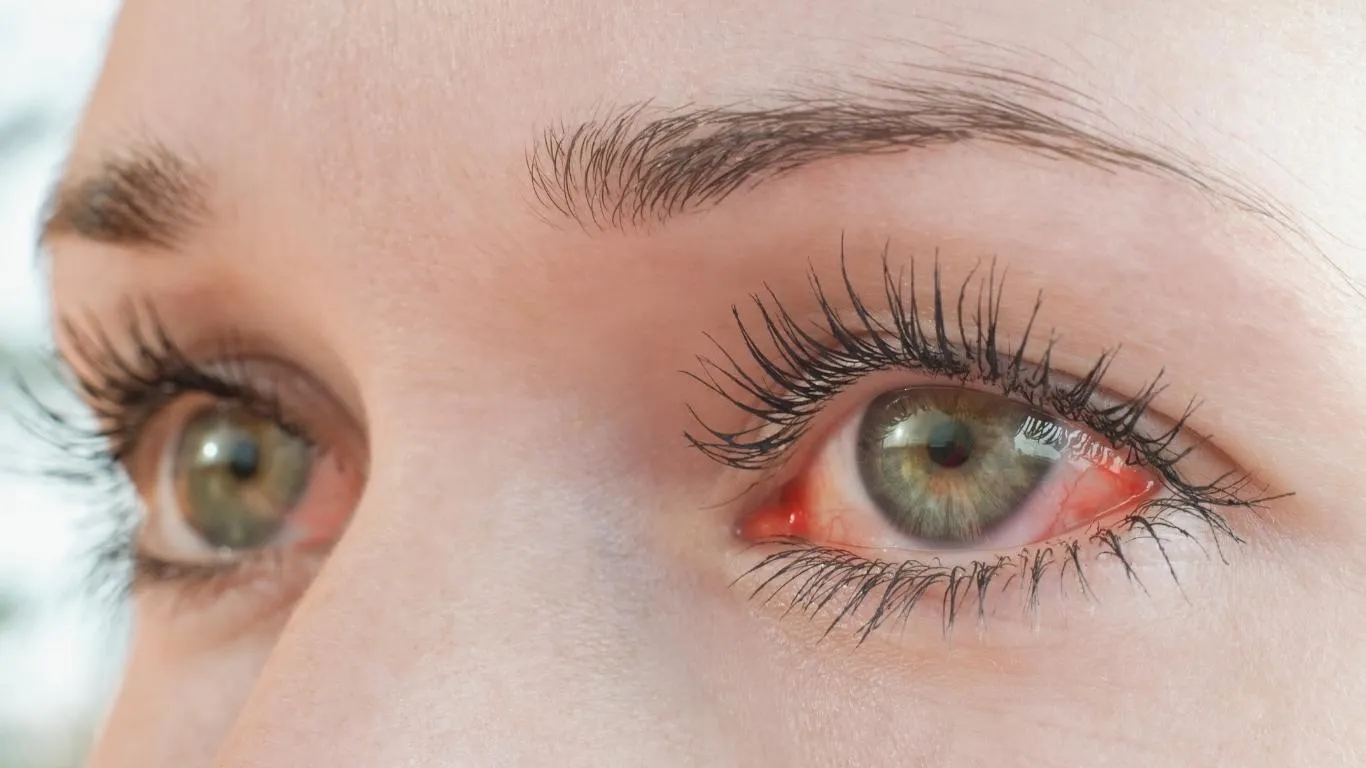
Why Eye Floaters From Sinus Infections Shouldn’t Be Ignored
It started on a random Tuesday — this odd speck that danced across my vision whenever I looked at a screen or glanced toward the window. At first, I brushed it off. Maybe just a piece of dust? But as the days passed, the little squiggly line refused to go away. Around the same time, I had a stubborn sinus infection that made my face feel like it had been punched by a fog. I didn’t think the two were related… until I kept digging.
Can Sinus Infections Really Trigger Eye Floaters?
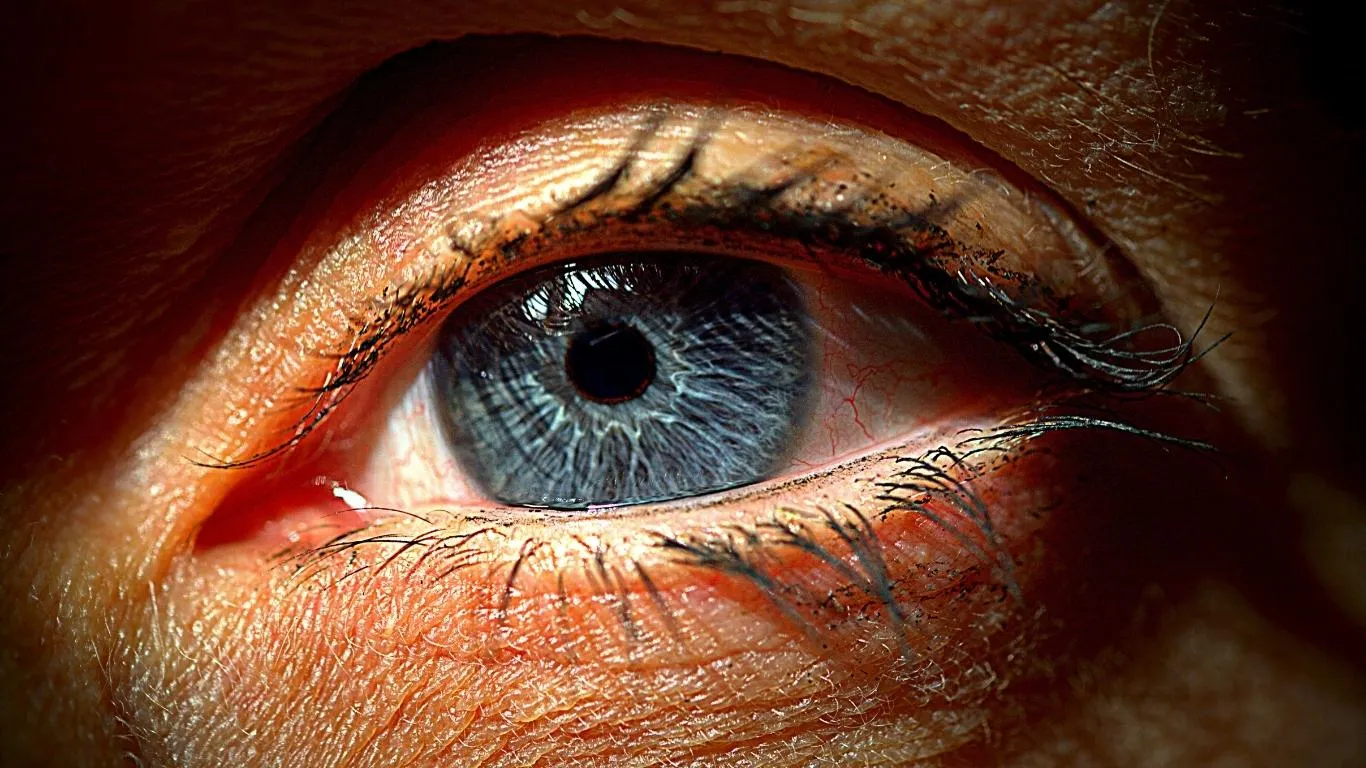
Let’s get one thing straight — eye floaters are typically caused by changes in the vitreous gel inside your eye. As it shrinks or clumps, it casts shadows on your retina, appearing as tiny shapes that drift when you move your eyes. They’re common as you age, but when they show up during or after a sinus infection, it’s not something to shrug off.
So how do clogged sinuses affect your vision?
The Sinus-Eye Connection
The sinuses sit just above and behind your eyes. When they become inflamed, especially the ethmoid and sphenoid sinuses, the pressure can impact surrounding nerves and ocular structures. While most sinus infections won’t reach your eye sockets, severe or untreated ones might cause orbital complications that lead to floaters or other visual disturbances.
- Increased intracranial or sinus pressure can disrupt blood flow or cause inflammation in nearby tissues.
- Chronic infections might contribute to persistent inflammation, affecting vision quality.
- Some people develop eye pain or floaters when sinus-related inflammation spreads to the optic nerve region.
What Do These Floaters Look Like?
They’re often described as:
- Spots
- Spider web-like strings
- Wavy lines
- Transparent blobs
Mine looked like a blurry comma that darted out of the way every time I tried to stare at it. At first, I thought I was imagining it. But nope — it was real and oddly persistent. Turns out, rubbing your eyes when they feel irritated from sinus congestion can actually worsen floaters. Learned that the hard way.
When Eye Floaters During a Sinus Infection May Be Dangerous
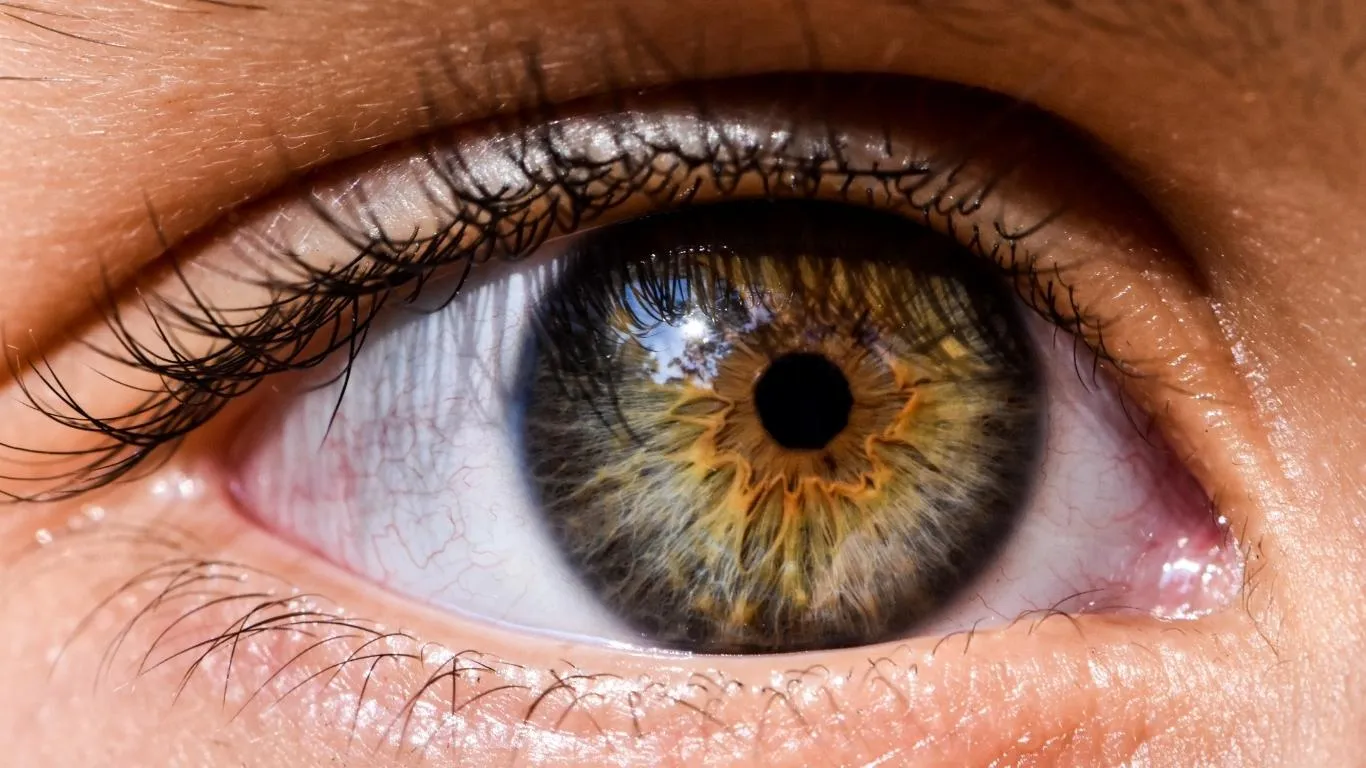
Here’s where you need to pay attention. While most floaters are harmless, if you’re experiencing any of the following, it’s time to get checked immediately:
- Sudden burst of floaters all at once
- Flashes of light in your peripheral vision
- Dark curtain or shadow coming over your vision
- Accompanied eye pain or swelling
These could signal more than just sinus-related inflammation. Conditions like retinal tears, optic neuritis, or even orbital cellulitis can stem from infections gone rogue. And let’s be real, waiting it out just isn’t worth the risk.
Why Some People Are More Prone to Floaters During Sinus Infections

Ever notice how some people breeze through sinus infections while others end up with a visual light show? There’s a reason for that.
Here are a few risk factors:
- Pre-existing eye conditions – like high myopia or past eye trauma
- Weakened immune systems (thanks to stress, autoimmune diseases, etc.)
- Those who experience vision issues during infections
- Frequent sinus infections or sinus surgeries in the past
It’s also worth noting that some antibiotics or medications prescribed for sinus infections may have side effects that trigger or worsen floaters. Always read those labels.
Tips to Handle Sinus-Triggered Eye Floaters
Here’s what personally helped me get through it — and what some eye care pros recommend:
- Steam inhalation to ease sinus pressure and reduce inflammation around the eyes
- Cold compresses for eye relief when floaters feel intense
- Hydrate like it’s your job — dehydration can make floaters worse
- Limit screen time (yeah, tough — but necessary)
- Sleep with your head elevated to ease sinus drainage and pressure on ocular nerves
For recurring cases, some even look into herbal remedies and diet changes. While natural solutions aren’t miracle fixes, I’ve found easing up on salty food and increasing antioxidant intake actually helped — might be worth a try.
Related Reads That Go Deeper
If you’re noticing patterns between your sinus flare-ups and sudden floater spikes, you’re not alone. Check out this deep-dive on how eye infections can contribute to floaters or browse through the full guide on eye floater treatment options.
For a more complete understanding of causes, check out our main article on what eye floaters are and how to treat them. You’ll also want to dive into our detailed breakdown of common causes of floaters beyond just sinus issues — it’s surprisingly helpful.
Could Sinus Medications Be Making Your Floaters Worse?

This one caught me off guard. I was taking over-the-counter antihistamines to manage sinus swelling, and suddenly my floaters felt more active — more visible, more annoying. Turns out I wasn’t imagining it. Some sinus and allergy meds, especially those with drying effects, can reduce tear production and thicken the vitreous, making floaters more noticeable.
- Decongestants constrict blood vessels, possibly reducing oxygen to delicate eye tissues.
- Antihistamines can cause dry eye symptoms, exacerbating floaters.
- Some nasal sprays include steroids, which in rare cases have been linked to increased floater activity.
That doesn’t mean you should stop taking your meds — just talk to your doc if your vision shifts noticeably while you’re on them.
Are Eye Floaters After a Sinus Infection a Sign of Something Worse?
Most of the time, eye floaters linked to sinus pressure are temporary and harmless. But in rare cases, they can be early signs of something bigger.
Watch out for:
- Persistent blurry vision in one eye
- Severe sinus infection not improving with treatment
- Swelling around the eye or movement pain
- Discharge or fever alongside visual symptoms
Those could point to viral or bacterial eye infections, or in rarer cases, orbital cellulitis — an infection of the tissues around the eye. Quick treatment here is non-negotiable.
Are There Long-Term Effects on Vision?
This was one of my biggest concerns. Even after my sinus infection cleared up, I still saw those floaters months later. I started to wonder — is this permanent?
The answer is: not always. Floaters can become less noticeable over time as the brain learns to ignore them. This process is called neuroadaptation. But if they’re caused by structural eye changes, like posterior vitreous detachment (PVD), they might stick around longer — especially if you’re over 40, when age-related changes are more common.
If floaters increase or are accompanied by new visual symptoms, a retina check-up is a good idea. And honestly, peace of mind is worth the copay.
How to Minimize the Impact on Daily Life
Let’s be real — eye floaters can be maddening, especially when you’re working on a laptop all day or reading under bright lights. I’ve tested a bunch of hacks over the last year, and here’s what actually helps:
- Use soft, indirect lighting — natural light with blinds partially closed works wonders
- Switch to dark mode on screens to reduce floaters visibility
- Blue light filtering glasses made a huge difference for me during work hours
- Use lubricating eye drops if dryness is part of the picture
- Stay off screens after dark whenever possible (I know — easier said than done)
Honestly, just shifting how I light my workspace helped reduce the amount of time I spent thinking about those floating specks. Which is half the battle, right?
What Treatments Are Available If They Don’t Go Away?
If you’ve tried all the lifestyle stuff and your floaters are still running the show, there are treatment options. They’re not for everyone, but in specific cases, they can be life-changing.
Popular options include:
- YAG laser vitreolysis – breaks up floaters with targeted lasers
- Pars plana vitrectomy – surgical removal of the vitreous gel (for extreme cases)
- Supplements like lutein, omega-3s, and collagen may help maintain eye health over time
Laser treatment is minimally invasive and gaining popularity, though not every eye care provider offers it. Be sure to talk to a retina specialist about risks and benefits. You’ll find more in-depth treatment insight here: Eye Floater Treatments.
Keeping Your Eyes and Sinuses in Sync
Most people don’t realize how closely linked sinus health and eye function really are. Keeping your nasal passages healthy can reduce inflammation that spills into ocular territory.
Here’s what’s worked for me long-term:
- Use a saline rinse or neti pot daily during allergy season
- Invest in a humidifier — dry air is your enemy
- Eat more anti-inflammatory foods (think turmeric, leafy greens, berries)
- Reduce screen time when sick — your eyes will thank you
- Be proactive about sinus infections — don’t let them linger
There’s more to it, of course. For a full look at the interplay between aging, sinus changes, and floaters, don’t miss this eye-opener: What Are Eye Floaters? It dives into the science without overwhelming you. And if you want to understand how these floaters evolve over time or from various triggers, definitely check out our coverage on common floater causes.

Camellia Wulansari is a dedicated Medical Assistant at a local clinic and a passionate health writer at Healthusias.com. With years of hands-on experience in patient care and a deep interest in preventive medicine, she bridges the gap between clinical knowledge and accessible health information. Camellia specializes in writing about digestive health, chronic conditions like GERD and hypertension, respiratory issues, and autoimmune diseases, aiming to empower readers with practical, easy-to-understand insights. When she’s not assisting patients or writing, you’ll find her enjoying quiet mornings with coffee and a medical journal in hand—or jamming to her favorite metal band, Lamb of God.