Why Floaters Get Worse During Menstruation And How To Handle It
I’ll never forget the first time I saw those strange little specs and threads drifting across my vision. I was in my early 30s, and oddly enough, it happened during my menstrual cycle. At first, I brushed it off—maybe I didn’t get enough sleep, or I had just stared at my phone too long. But the floaters didn’t just vanish like I expected. They lingered. That’s when I started to dig deeper and learned that, yes, hormonal fluctuations during menstruation might just be the sneaky culprit behind those sudden floaters.
Can Hormones Really Mess with Your Vision?
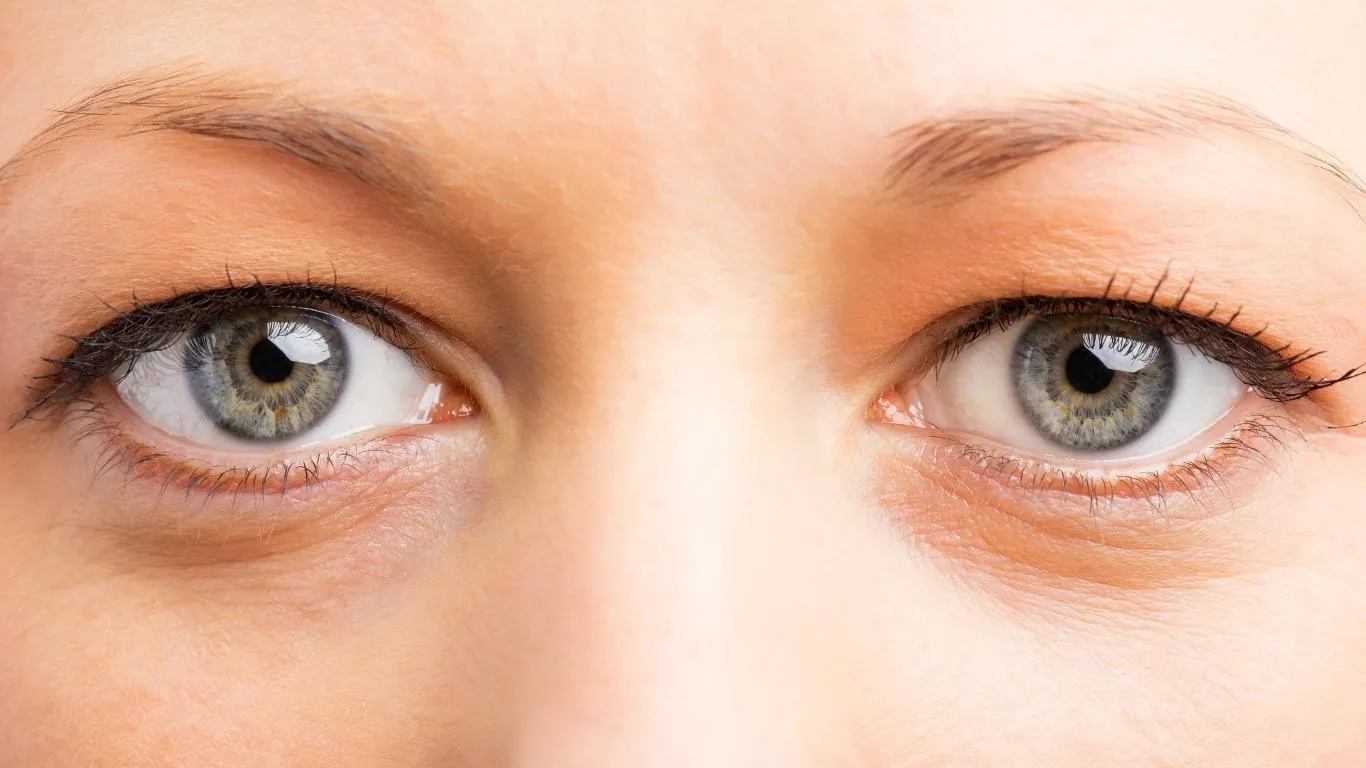
Believe it or not, estrogen and progesterone do a lot more than just regulate your cycle—they affect nearly every system in your body, including your eyes. When estrogen levels drop, as they often do before and during menstruation, the composition of the vitreous (the gel-like substance in your eye) can shift.
This change can lead to a more noticeable appearance of floaters—those little wisps and blobs that drift into view when you least expect them. You might notice them more against bright backgrounds or when scrolling on your phone. This isn’t in your head—there’s actually a biological reason floaters feel more obvious around your period.
The Estrogen Drop-Off: A Prime Time for Floaters
One of the most commonly overlooked effects of menstruation is ocular sensitivity. As estrogen dips, your body retains less fluid, and this can impact eye pressure and vitreous consistency. For some, that means floaters become more defined or start appearing suddenly.
- Lower estrogen can thin the vitreous humor, making existing floaters more mobile
- Dehydration during periods can exacerbate the visual disruption
- Headaches and migraines, also linked to hormone shifts, make you more aware of floaters
For deeper insight into how hormonal changes affect your eye health, here’s a useful article that breaks down why floaters after menopause can sometimes become more intense—a similar hormonal landscape, just at a different life stage.
Why You Might Notice Floaters More When You’re On Your Period
Sometimes, it’s not that new floaters are forming—but rather, you just become more visually sensitive during your cycle. Tiredness, hormonal stress, and changes in blood sugar levels can heighten awareness of what’s already there.
- Eye strain increases due to lower sleep quality during PMS
- Light sensitivity gets worse with hormonal migraines
- Screen time becomes more taxing due to mood or work-related stress
It’s all interconnected. If you’re curious about how eye floaters behave under different physiological changes, check out this guide to age-related vitreous changes and how they affect floaters.
When It’s More Than Just Hormones
While most floaters that show up during your period are harmless, they can also signal something more serious. It’s important to rule out:
- Posterior vitreous detachment (PVD) – a condition where the vitreous gel pulls away from the retina
- Retinal tears or holes – especially if floaters are accompanied by flashes of light
- Autoimmune flares – conditions like lupus or rheumatoid arthritis that can spike during menstruation
Here’s an excellent resource about floaters that may signal a retinal tear—a must-read if you’re experiencing sudden changes in your vision.
Practical Tips: Managing Floaters During Your Period
I’ve tried a few things over the years to reduce floater discomfort around my cycle, and while there’s no magic cure, these definitely help:
- Hydrate, hydrate, hydrate – The less dehydrated you are, the better your vitreous gel maintains shape
- Cut screen time – Especially at night. Give your eyes breaks when possible
- Eye-friendly nutrition – Lutein and zeaxanthin-rich foods like spinach, kale, and eggs support overall eye health
- Blue light filters – They don’t erase floaters, but they can make them less irritating
Need proof? This piece on diet changes for floaters covers some of the key nutrients I personally include in my rotation.
One Thing That Helped Me See Improvement
After chatting with my ophthalmologist, I learned that dry eye syndrome—something I also experience during my period—can amplify the appearance of floaters. Keeping my eyes well-lubricated with preservative-free drops was a game-changer. If you’re noticing floaters along with dry or burning eyes, it may be worth checking out this comprehensive dry eye and floaters guide.
For a broader look at what eye floaters are, what causes them, and how they might be treated over time, this main eye floaters resource is an excellent starting point.
You may also want to explore this core guide on common causes of eye floaters to see how menstruation may just be one piece of the puzzle.
When Should You See an Eye Specialist?
Let’s be honest—most of us wait until something feels really wrong before seeing an eye doctor. I used to be the same. But when floaters show up more frequently or change during your cycle, it’s worth having a pro take a look, especially if:
- You suddenly see a shower of floaters during your period
- They’re accompanied by flashes of light or vision loss
- You notice a dark curtain creeping over your vision
These might be signs of something serious like a retinal tear or even a detachment. A good breakdown of symptoms that demand urgent attention is in this guide about floaters with curtain vision.
What Your Eye Doctor Might Check
During your visit, the doctor will likely dilate your pupils and examine your retina. If they find that floaters are linked to hormonal effects, they’ll usually just monitor the situation. But if there are signs of something deeper, they might recommend imaging or even minor procedures.
Conditions like posterior vitreous detachment (PVD) often appear with age but can be triggered or worsened by hormonal fluctuations too, especially in women with naturally thinner vitreous gel.
Floaters and Migraines: Double Trouble During Periods
Ever had that brutal one-two punch where your period kicks in and—bam!—here comes a migraine and floaters at the same time? It’s more common than you think. Hormonal migraines can bring on light sensitivity, visual aura, and intensified perception of floaters.
Even when the floaters are unrelated to the migraine itself, your brain is more alert to visual disturbances when you’re in pain or fatigued. Here’s a helpful look at how migraines and floaters intersect.
Can You Reduce Floaters for Good?
While floaters aren’t usually something that can be “cured” outright, there are smart ways to minimize their impact—especially around your cycle. After years of trial and error, here’s what’s actually helped me:
- Omega-3 and Vitamin C – Both support collagen integrity in the vitreous gel. You can dive deeper into this in this review of vitamin C and floaters.
- Gentle eye exercises – These may help circulation and reduce tension. This list of eye exercises that actually work is a surprisingly good starting point.
- Consistent sleep – This might sound basic, but hormonal balance and visual clarity are tied to rest. Missing sleep before your cycle? Expect more floaters.
Medical Options: When Lifestyle Isn’t Enough
If floaters interfere with daily tasks or cause anxiety, you’re not out of options. Some people explore laser vitreolysis or vitrectomy—but both come with risks. These procedures are typically reserved for extreme cases.
Before going that route, I recommend looking at treatment options for floaters to understand your choices thoroughly.
Underlying Conditions That May Flare with Your Cycle
For some women, floaters become more noticeable during menstruation not because of the period itself, but because of underlying issues that worsen at the same time. These include:
- Autoimmune conditions – Like lupus or rheumatoid arthritis, which flare cyclically
- Blood pressure fluctuations – Hormones can increase vascular instability, which affects the eye
- Uveitis or retinal inflammation – Inflammatory eye diseases that get worse with hormonal imbalance
There’s a great write-up on autoimmune-related floaters and how they might sync with your hormonal cycle.
Does Stress Make It Worse?
Absolutely. And stress during your cycle tends to go under the radar. Increased cortisol and anxiety can make your brain hyper-aware of every visual glitch. Even if nothing new is happening physiologically, the perception of floaters becomes more intense.
If this sounds like your experience, here’s a good piece that explores stress-induced floaters and practical ways to cope.
Still Wondering If It’s Just Hormones?
You’re not imagining things. If floaters seem to appear or become more obvious during your menstrual cycle, there’s likely a connection. Hormonal dips, dehydration, sleep disruption, and even emotional stress—all of it adds up.
For a clear foundation on the overall floaters landscape, the main pillar article what are eye floaters is packed with helpful context.
You may also want to explore the red flags that make floaters more than just annoying—especially if they persist or worsen after every cycle.
Floaters during menstruation may be temporary or recurring, but either way, you’ve got options—and understanding the “why” is the first step toward peace of mind.

Camellia Wulansari is a dedicated Medical Assistant at a local clinic and a passionate health writer at Healthusias.com. With years of hands-on experience in patient care and a deep interest in preventive medicine, she bridges the gap between clinical knowledge and accessible health information. Camellia specializes in writing about digestive health, chronic conditions like GERD and hypertension, respiratory issues, and autoimmune diseases, aiming to empower readers with practical, easy-to-understand insights. When she’s not assisting patients or writing, you’ll find her enjoying quiet mornings with coffee and a medical journal in hand—or jamming to her favorite metal band, Lamb of God.