Why Floaters During Or After Eye Twitching Could Be A Red Flag
So there I was, sitting in front of my laptop late at night, typing away, when my right eye started twitching like it was tapping out Morse code. Harmless, I thought—just stress or caffeine, right? But then, just as the twitching eased up, I noticed something odd floating in my vision, like translucent cobwebs that drifted every time I moved my eyes. If you’ve been through something similar, you’re not alone. Many people experience floaters during or after eye twitching, and while most dismiss it, there might be more to it than you think.
What Causes Floaters to Show Up After Eye Twitching?
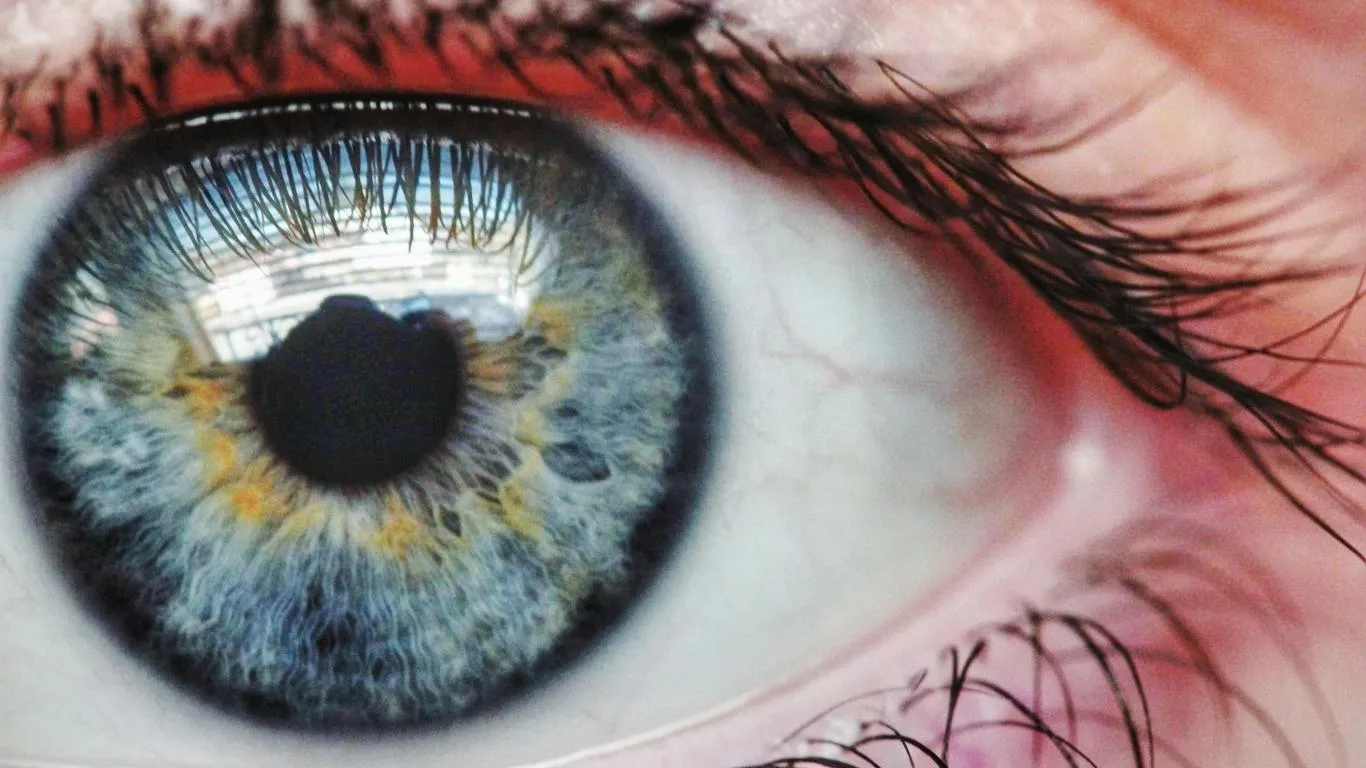
Eye floaters, those squiggly or shadowy shapes that seem to drift across your vision, usually come from changes in the vitreous—the gel-like substance inside your eye. But when they show up right after a twitching episode, there’s often an underlying trigger worth exploring.
Muscle Strain and Vitreous Movement
When your eye twitches repeatedly—especially if it’s intense or prolonged—it can create enough localized pressure to slightly shift or stress the vitreous. This may cause pre-existing floaters to become more noticeable or, in some cases, even dislodge new debris.
Is It Just Stress or Something Else?
We tend to chalk eye twitches up to stress, lack of sleep, or too much coffee. And fair enough, those are the usual suspects. But what many overlook is that the same stressors can mess with eye hydration, blood flow, and even make floaters worse over time.
- Dehydration can reduce the fluidity of the vitreous.
- Lack of rest can strain ocular muscles, increasing twitching and floater visibility.
- Screen time overload is another biggie. Your eyes fatigue faster, especially with dry environments.
What Your Eye Is Really Telling You
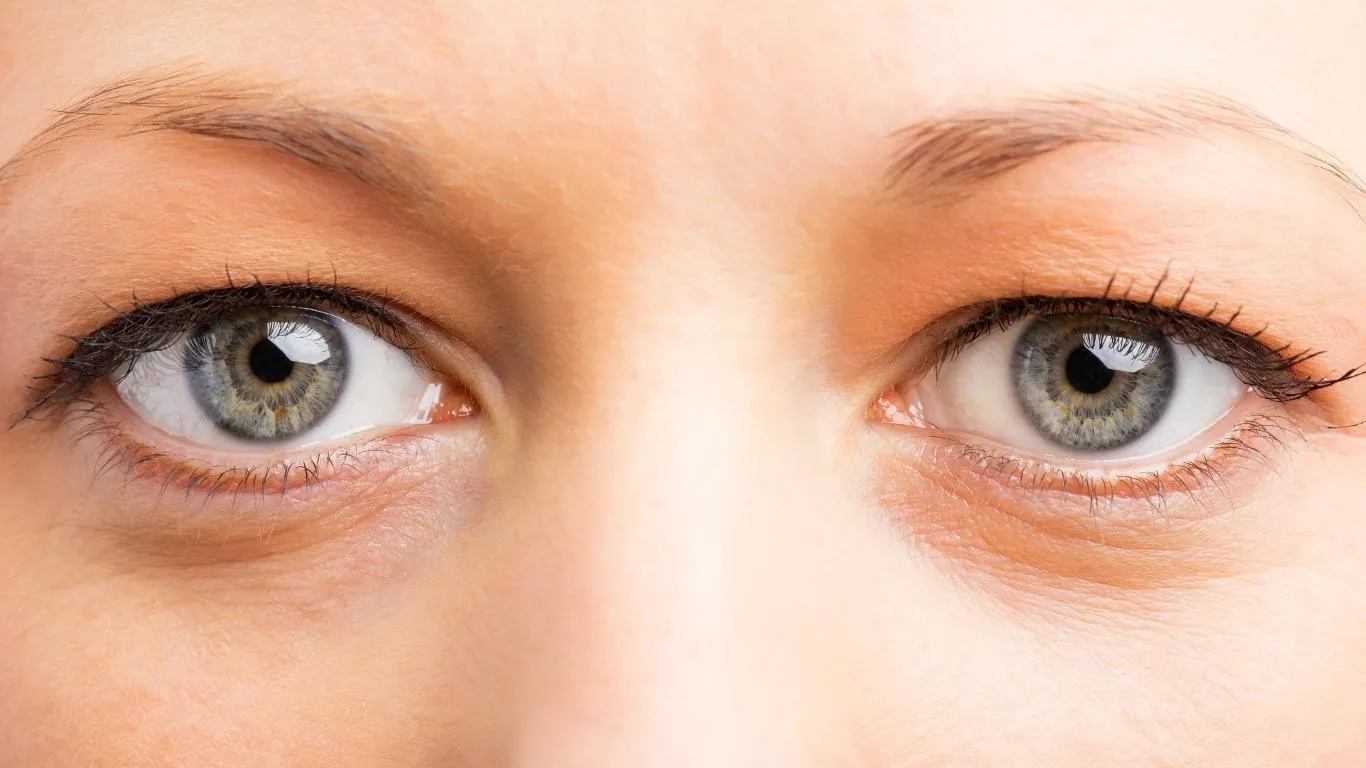
If you’re consistently seeing floaters after twitching, it’s more than a quirky coincidence. Your eye might be waving a red flag. In fact, post-infection inflammation or nerve fatigue could be making everything inside the eye more sensitive and reactive.
When It’s Worth Worrying
One or two floaters here and there? Usually no big deal. But if you start to notice:
- A sudden burst of new floaters
- Flashes of light or reduced side vision
- Floaters moving unusually fast or increasing in number after twitching
…then it’s time to call your eye doctor. These could signal retinal issues like detachment or holes—especially if you’re prone to high myopia, or if you’ve had recent eye trauma or surgery.
For more on those kinds of concerns, check out this thorough guide on retinal tear-related floaters.
Can Floaters Be Caused by How You Twitch?
Here’s a fun fact from my own experience: I used to get these rapid-fire twitches under the lower eyelid after long editing sessions. I always assumed it was harmless—until I began noticing floaters dancing around especially when I blinked hard. Apparently, how you twitch can affect things too.
Forceful Blinking or Eye Squeezing
Ever try to “squish out” a twitch? Yeah, I did too. But that forceful blink can jolt the gel inside your eye, especially if it’s already liquefying with age. It might explain why I noticed new floaters after these squeezing episodes.
Eye Rubbing Makes It Worse
If you’re guilty of rubbing your eyes after twitching—thinking it might help—please stop. Rubbing your eyes can worsen floaters, especially if there’s already minor detachment happening. Healthusias covers this in detail here: floaters from excessive eye rubbing.
Natural Remedies That Help (But Don’t Expect Miracles)
Let’s get one thing straight: you can’t just zap floaters away with a smoothie or magic eye drop. But certain lifestyle changes may help them become less noticeable, especially if the floaters appeared during or after muscle twitching.
- Stay well-hydrated
- Use warm compresses during twitching spells
- Take screen breaks every 20 minutes
- Try focusing exercises or eye yoga to stabilize ocular movement
If you’re looking for some effective home strategies, check out this curated resource from Healthusias on stress-induced eye floater relief.
How Eye Floaters During Twitching Differ From Other Eye Floaters
This is something not many people talk about: not all floaters are the same. When they show up after twitching, they may look sharper or more mobile—kind of like they’re reacting in real time to your blinks. That’s because they’re often more superficial and mobile within the vitreous, unlike older, slower floaters that drift like jellyfish.
To really understand how these differ from more serious eye issues, this comparison is gold: Eye floaters vs. other eye problems.
And for a solid foundation about floaters in general—what they are, why they happen, and how they relate to aging—make sure to check the main pillar guide here: Eye Floaters: Causes, Symptoms, and Treatment Options. It complements this topic perfectly and provides that wider lens we all need when diving into eye health.
For a deeper understanding of floaters in high-stress or twitch-prone situations, this pillar is also helpful: When Are Eye Floaters Dangerous?
Why These Floaters Seem Worse at Night or on Screens
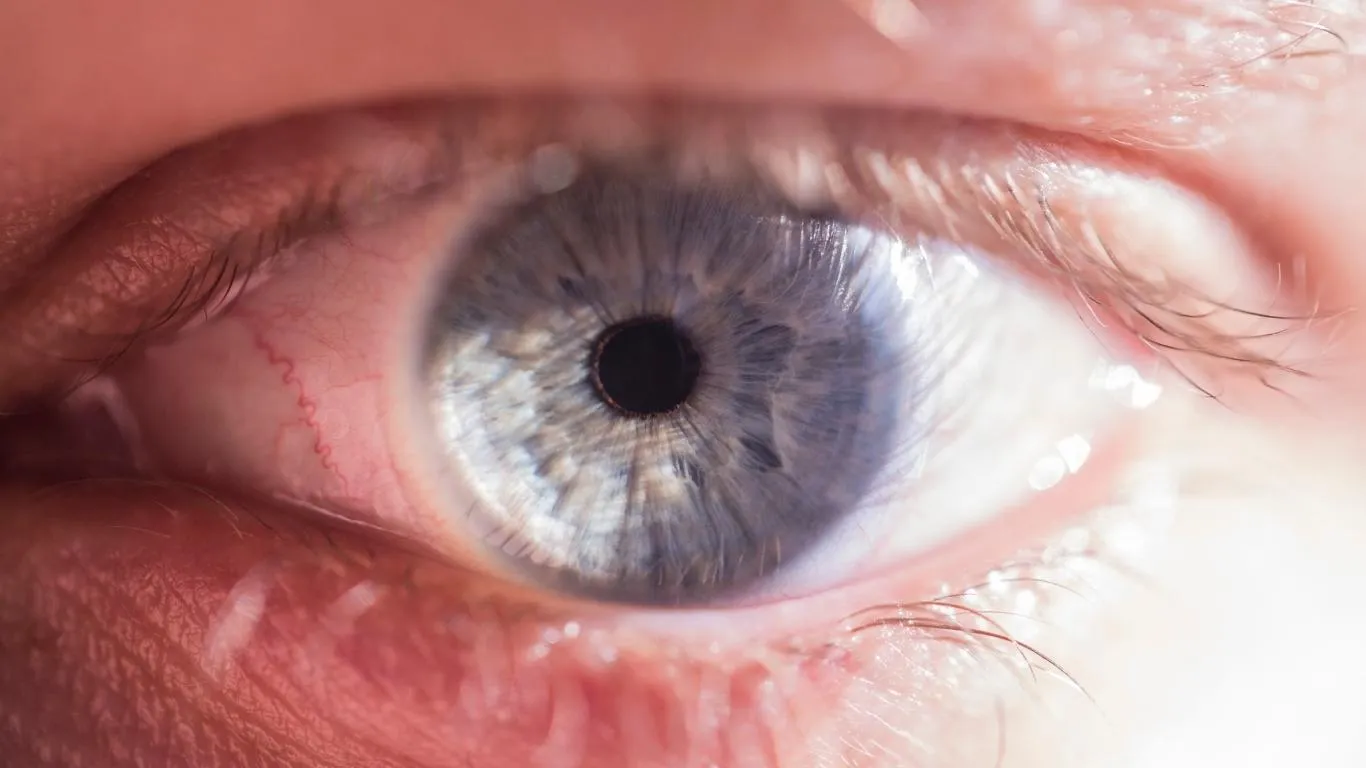
Let’s talk lighting. If you’ve noticed that floaters appear more aggressive when you’re working late, staring at a screen, or driving at night—you’re not imagining things. Floaters are more visible against bright, uniform backgrounds like your laptop screen or a white wall.
This is especially true after twitching episodes, where the sudden contrast shift in your vision makes them pop out even more. I used to think my floaters were multiplying at night. Turns out, I was just noticing them more—especially when my eyes were strained from too much screen time or blue light exposure.
Some people swear by blue light glasses, and I’ve tried them. While they didn’t erase floaters, they definitely made screen time feel easier. If you’re curious about this connection, check this detailed read on blue light filters and floaters.
How Environment Plays a Role
- Harsh lighting makes floaters look darker and more defined.
- Low humidity (common in air-conditioned rooms) dries your eyes faster—amplifying twitching and floater perception.
- Improper screen settings increase eye fatigue and can trigger twitching bouts more often.
When You Should See an Eye Specialist
Now, I’m not one to rush to a doctor for every blink or blur. But even I had to schedule an eye exam when floaters started showing up after every single twitch episode. And it was worth it. Turned out, there was minor vitreous detachment beginning in one eye—not serious, but it explained everything.
If you’re dealing with persistent twitching and new floaters, especially if they appear in clusters or alongside other symptoms, don’t wait it out. Some red flags include:
- Sudden increase in floaters following a sharp twitch
- Blurry vision or light sensitivity
- Changes in peripheral vision
- Seeing “curtains” or “flashes”
These might indicate vitreous tugging or even early signs of retinal tear. To learn more, check out when floaters with vision loss signal eye danger.
Diagnostic Tools Your Eye Doctor Might Use
- Slit-lamp exam to inspect the vitreous and retina.
- OCT scan (Optical Coherence Tomography) to look deeper into retinal layers.
- Ultrasound imaging in case of media opacities or suspected hemorrhage.
Honestly, the scans were quick and painless. The peace of mind? Worth every minute.
What Treatments Actually Work for Twitch-Induced Floaters?
Let’s clear the air: there is no magic pill to make floaters vanish overnight—especially if they were triggered by twitching. But I’ve found that managing the cause of the twitching (stress, screens, caffeine) reduces how often floaters appear for me. So treating the root can sometimes ease the symptom.
Common Options to Discuss with Your Doctor
- Eye floaters laser treatment (YAG vitreolysis) – effective for clustered or bothersome floaters.
- Vitrectomy – considered for severe floaters affecting daily life, though more invasive.
- Nutritional support – I started taking omega-3s and lutein daily. Can’t prove it helped, but my eyes feel less fatigued overall.
Read up on clinic treatments that actually work to see which option might make sense for you.
What About Supplements or Natural Remedies?
I know a lot of folks swear by herbs and vitamins. I gave it a try too—added more leafy greens, blueberries, and collagen-rich bone broth into my meals. Do floaters still show up after twitching? Occasionally. But they seem less annoying, and I’m blinking less aggressively overall.
If you’re curious about natural ways to reduce symptoms, this guide on diet changes that help floaters is a great start.
Some Vitamins That Show Promise
- Lutein and Zeaxanthin – protect the retina and filter blue light.
- Vitamin C – supports collagen, which helps stabilize the vitreous.
- Magnesium – not just for muscles; it helps reduce twitching episodes too.
How to Track Floaters Before They Become a Problem
If floaters show up after twitching spells, keep a simple log. I started jotting down when I noticed them, what I was doing before, and how long they lasted. Over time, patterns started to emerge—most were tied to screen fatigue, dehydration, and late-night coffee. Surprise, surprise.
Healthusias actually has a great guide on how to do this without overthinking it: track floater changes easily.
Tips for Keeping an Eye Log
- Record the time of day
- Note what activity preceded the twitch/floater
- Mention any caffeine or stress level factors
- Keep it consistent for a few weeks
This info can be super helpful if you decide to visit an eye specialist down the line.
Don’t Ignore That Gut Feeling
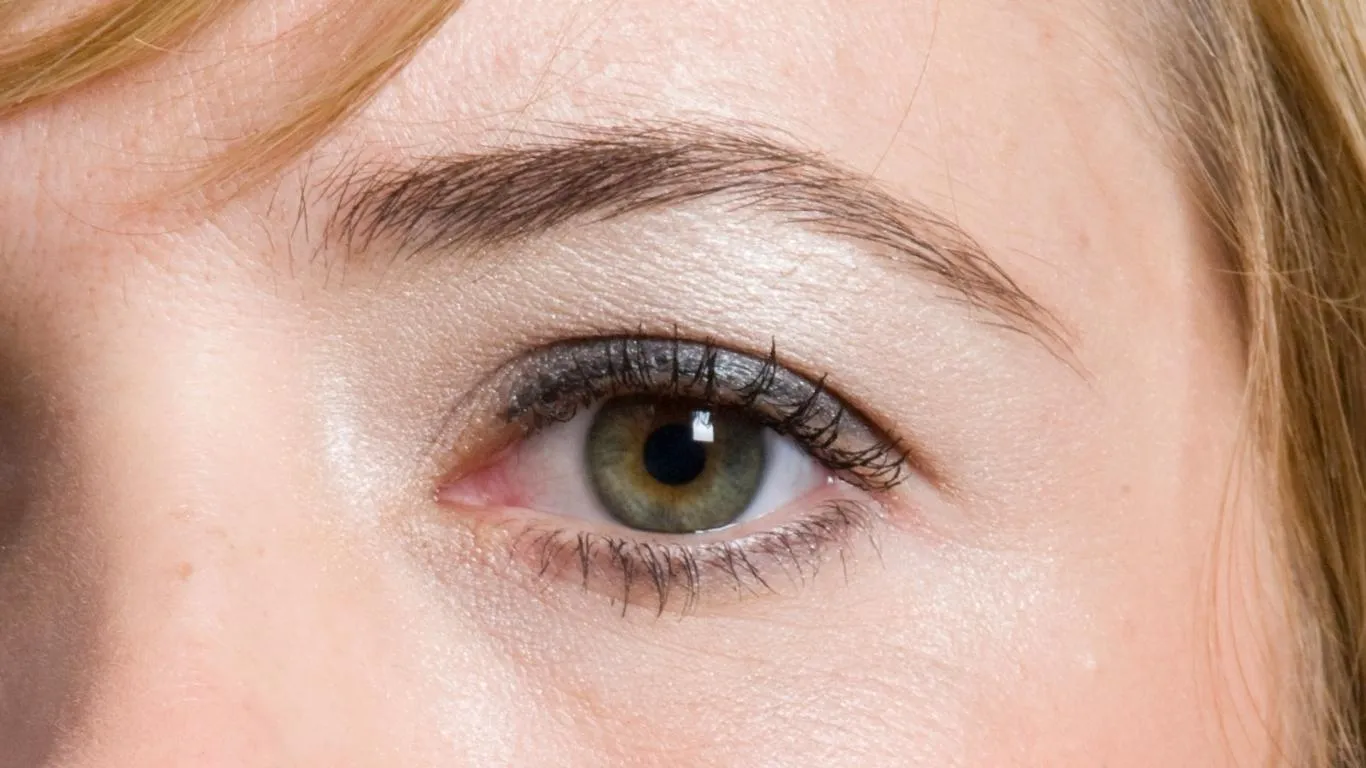
If something feels off with your eyes—trust that instinct. Floaters during or after eye twitching might seem minor, but your body’s giving you signals. I brushed it off for weeks until it became a daily issue, and only then did I get it checked out.
The good news? Most twitching-related floaters are harmless and fade into the background with time and care. But if they don’t—or get worse—you now know exactly what to do and where to look.
And remember, there’s a full breakdown of the fundamentals of eye floaters—causes, symptoms, and treatments—right here: Eye Floaters: Causes, Symptoms, and Treatment Options.
Want to go deeper into when floaters signal something more serious? This Healthusias pillar lays it out clearly: When Are Eye Floaters Dangerous?

Camellia Wulansari is a dedicated Medical Assistant at a local clinic and a passionate health writer at Healthusias.com. With years of hands-on experience in patient care and a deep interest in preventive medicine, she bridges the gap between clinical knowledge and accessible health information. Camellia specializes in writing about digestive health, chronic conditions like GERD and hypertension, respiratory issues, and autoimmune diseases, aiming to empower readers with practical, easy-to-understand insights. When she’s not assisting patients or writing, you’ll find her enjoying quiet mornings with coffee and a medical journal in hand—or jamming to her favorite metal band, Lamb of God.