
Why Eye Floaters Often Start in Your 30s and How to Spot Them Early
So, the first time I noticed those tiny squiggly shadows drifting across my vision, I genuinely thought I had something on my glasses. Turns out, it wasn’t smudges—it was eye floaters. If you’re wondering *what age do floaters usually begin*, you’re definitely not alone. I wasn’t prepared, and honestly, most people aren’t. The truth is, these odd little visual disturbances can show up earlier than you think, and they don’t always mean something’s wrong… but sometimes, they do.
When Do Eye Floaters Typically Start Appearing?
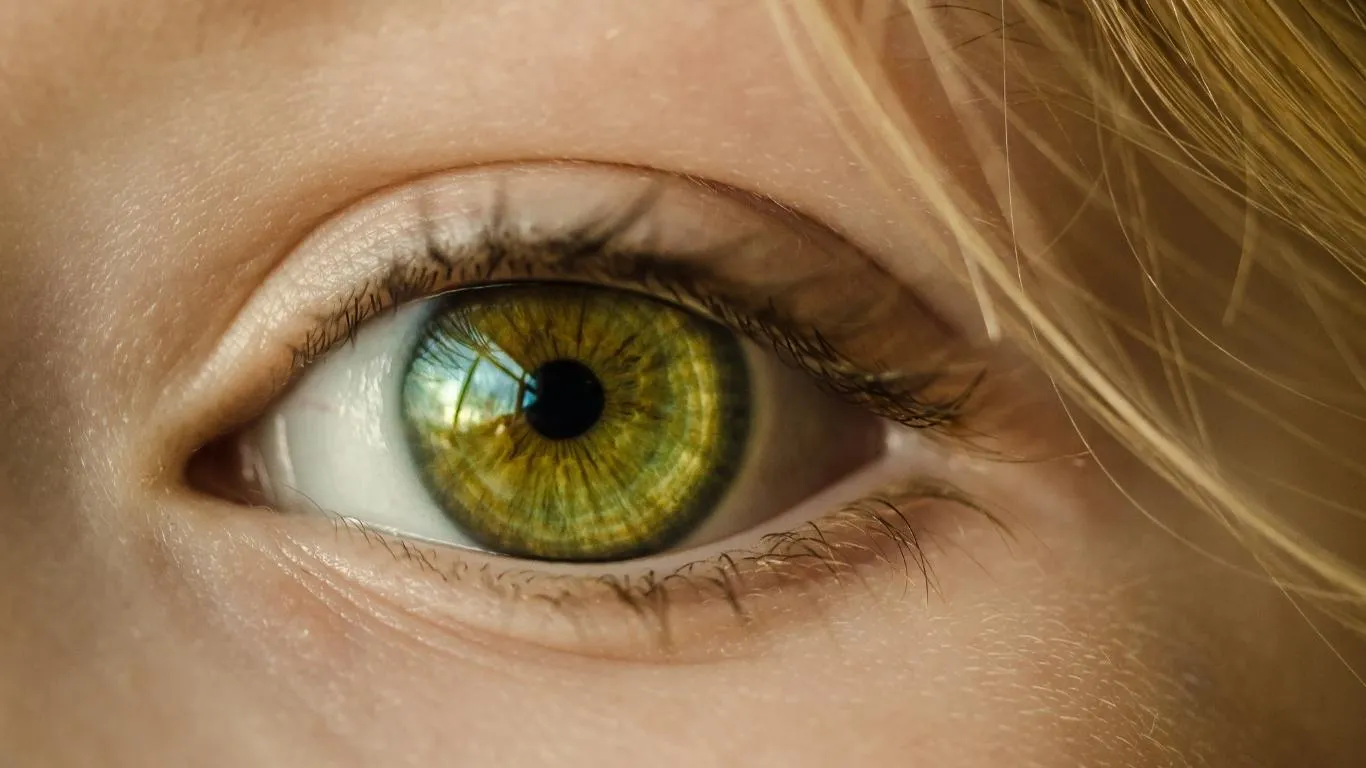
Here’s the thing: floaters can sneak into your life as early as your 20s, but most people start noticing them in their 30s or 40s. That’s when the eye’s internal gel, called the vitreous, starts to change. It slowly liquefies and pulls away from the retina, creating those shadowy specs. It’s called posterior vitreous detachment (PVD), and while it sounds scary, it’s a normal part of aging. Usually.
But don’t be fooled into thinking this only hits older folks. I’ve met perfectly healthy 28-year-olds complaining about floaters after long screen time or high stress. In fact, one article even outlines how 40s is just the average—not the starting line.
What’s Actually Happening Inside Your Eye?
Let me break it down simply. Inside your eye is a clear gel—imagine a squishy water balloon. Over time, it loses structure. Small clumps or strands form, and as light enters the eye, it casts shadows of those clumps on your retina. Voilà—those floaters.
Medically speaking, it’s about how the vitreous changes its form and pulls away from the retina. The irony? This is completely normal aging, yet it feels anything but normal the first time it happens.
Who Is Most Likely to See Floaters Sooner?
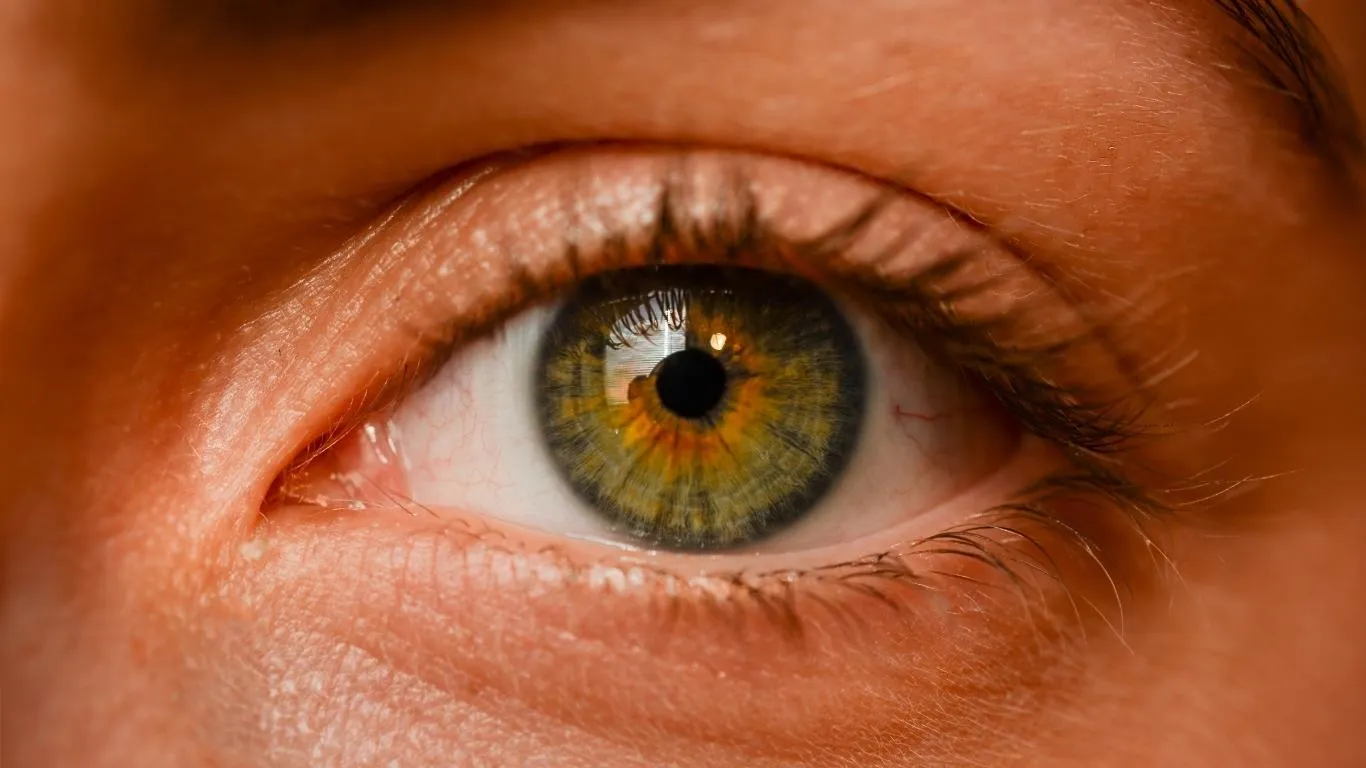
Here’s where things get interesting. While age is the biggie, it’s not the only factor. There’s a solid case that lifestyle and genetics play huge roles. Based on what I’ve personally noticed (and from talking with multiple eye doctors), the following groups often notice floaters earlier:
- People with high myopia – Nearsighted folks, like me, seem to get an early ticket to the floater party.
- Screen addicts – Long hours staring at screens? Yep, that could make floaters more noticeable. Here’s why.
- Post-surgery patients – Cataract surgery? LASIK? You might experience a sudden surge of floaters. Read more on why floaters appear post-LASIK.
- Stress-prone individuals – Believe it or not, stress may worsen floaters.
Can Younger Adults Get Floaters?
Absolutely. It’s rare, but not impossible. Floaters aren’t exclusive to midlife. Some people in their teens or early twenties report seeing them, often after intense workouts, long flights, or dehydration. One Healthusias post dives into how dehydration can aggravate this.
There’s even a genetic angle to consider. If your parents had noticeable floaters early on, there’s a fair chance you will too. This hereditary factor isn’t often talked about—but it matters.
How Do You Know It’s Just Floaters—Not Something Serious?
This is the part that tripped me up. I thought I had a serious condition. Thankfully, I didn’t. But it’s crucial to know when floaters are a red flag. If you experience any of the following, call an eye specialist ASAP:
- Sudden burst of floaters—like dozens out of nowhere
- Flashing lights (especially in the corners of your vision)
- Loss of peripheral vision, like a curtain being pulled over your eye
These could indicate a retinal tear or detachment. I’m not trying to scare anyone, but you should read this piece on floaters and retinal danger just to stay informed.
What If It’s a Sign of Something Else?
Interestingly, floaters can also point to underlying issues you wouldn’t expect—like autoimmune conditions, infections, or even medication reactions. See this detailed write-up on steroid eye drops and their connection to floaters.
Are There Natural or Preventive Ways to Deal With Them?
I won’t lie—there’s no miracle cure. But that doesn’t mean you’re helpless. I’ve tried a bunch of things, and here’s what I found genuinely helps:
- Hydration matters more than you think. Staying well-hydrated helps reduce the harsh visibility of floaters.
- Blue light filter glasses surprisingly made a difference. Especially if you’re a night owl like me.
- Eye exercises and mindful screen breaks helped minimize eye strain. These eye exercises are worth trying.
- Supplements like lutein and vitamin C—there’s some evidence supporting their benefit.
But remember—prevention starts with awareness. Floaters may be harmless 90% of the time, but if you’re not sure, always check with a professional. You can dive deeper into the bigger picture in our pillar guide to floaters or explore this related guide that breaks down causes beautifully.
For more clinical perspectives, I recommend starting with trusted sources like aao.org or ncbi.nlm.nih.gov.
What Can You Do If Eye Floaters Start Interfering With Daily Life?
There was a time when I honestly thought I was losing my mind. I’d be reading, working, or just walking around outside, and those squiggly floaters kept following me. It’s frustrating. And if you’ve experienced this too, know this—you’re not being dramatic. Floaters can become more than a minor annoyance. Sometimes, they start interfering with how you live your life.
While some doctors will tell you to just “ignore them” (which, let’s be real, doesn’t always work), there *are* actual options out there—both lifestyle-based and clinical.
When Watching and Waiting Makes Sense
First off, not all floaters need intervention. In fact, most don’t. If they’re small, stable, and not increasing, observation is often the best move. Over time, your brain adjusts and learns to ignore them—a phenomenon called “neuroadaptation.”
Still, if you’ve ever experienced a sudden burst of floaters, or if they’re starting to mess with your quality of life, doing nothing probably isn’t an option you’re comfortable with.
Medical Options for Treating Persistent or Severe Floaters
This is where it gets interesting. A few years back, there weren’t many mainstream treatments that doctors offered for floaters. Today, the picture is slowly changing. Depending on your case, you might hear about:
- Laser Vitreolysis – A special laser breaks up floaters so they become less noticeable. Some people swear by it, but not every floater is a good candidate for it. It works best on large, well-defined floaters in the central vision.
- Vitrectomy – This is a more invasive option, where the vitreous gel is removed entirely. It’s effective but comes with serious risks—retinal detachment, cataracts, and infection. Usually only done when floaters are severely affecting vision.
It’s important to note that most ophthalmologists will only consider these if floaters are persistent and disruptive. If you’re wondering which one might suit your situation, this breakdown on treatment options is worth a look.
Natural Relief Strategies That Actually Help
I’m a huge fan of trying the least invasive option first. Over time, I experimented with a bunch of natural strategies. Some helped, some didn’t. Here’s what worked best for me and a few friends who were also dealing with floaters:
- Anti-inflammatory diet – Reducing sugar and processed foods helped calm down inflammation. Less inflammation = less floaters.
- Hydration + Omega-3s – Drinking more water and adding omega-3-rich foods like salmon seemed to reduce their intensity over time.
- Bilberry extract & Lutein – Supplements that support retinal health. One friend with early floaters found noticeable improvements in clarity after 8 weeks of lutein use. Here’s a deeper guide on floaters and supplements.
And here’s a less talked about trick—get your lighting right. Certain overhead lights or bright white screens can make floaters feel worse. Adjusting contrast and using warm-tone settings can offer surprising relief, as mentioned in this tip-filled post about ideal lighting.
How Lifestyle Can Influence the Onset and Severity of Floaters
It’s not just about age—lifestyle can fast-track floaters, or at least make them feel more prominent. I learned this the hard way. After weeks of poor sleep, high stress, and constant screen exposure, my floaters were not only more visible—they were bigger. Turns out, there’s a clear connection.
Research has started exploring how systemic stress, cortisol levels, and even dry eye syndrome contribute to floater symptoms. One stress-focused article outlines calming techniques that made a noticeable difference for me, especially breathwork and sleep hygiene.
Other Sneaky Factors You Might Not Consider
Ever noticed your floaters get worse on some days, but not others? Turns out, a bunch of sneaky culprits can make them flare up, including:
- High caffeine intake
- Allergy flare-ups or certain allergy medications
- Eye rubbing (yes, seriously)
- Hormonal changes (especially during pregnancy or menopause)
There’s even a connection to conditions like Ehlers-Danlos Syndrome and other collagen disorders. These aren’t things most people think about, but if you’re seeing floaters earlier than expected, they’re worth exploring.
When Should You Actually Be Concerned?

Look, not all floaters are dangerous. But the hard truth? Some are. And ignoring early signs of trouble can lead to vision loss. If you’re seeing any of the following, don’t wait:
- Flashes of light, especially at night
- Sudden flood of floaters
- Dark curtain moving across your vision
- New floaters after head trauma or surgery
These could signal a retinal tear or detachment—something that requires *immediate* medical attention. Don’t hesitate to get it checked. Here’s a solid reference article on the link between floaters and curtain vision.
If your symptoms are vague or confusing, this comprehensive guide on floaters vs other eye problems may help you sort things out before rushing to conclusions.
What If Floaters Are a Lifelong Thing?
This is the reality for many people, myself included. Some floaters don’t go away. But with time, knowledge, and the right strategy, they fade into the background. I barely notice mine anymore, and when I do, I’ve got a toolkit that helps.
If you’re just beginning to notice them or you’re deep in the process of figuring them out, don’t panic. Learn, adapt, and act when necessary. And if you’re looking for the ultimate breakdown of everything floaters-related—from causes to treatments—bookmark our go-to resource: What Are Eye Floaters?.
Oh, and don’t forget to check out this detailed overview on when floaters signal something serious. It might just give you peace of mind—or a crucial warning in time.
Want real answers? Trust the experts at mayoclinic.org or dig into studies on ncbi.nlm.nih.gov.

Camellia Wulansari is a dedicated Medical Assistant at a local clinic and a passionate health writer at Healthusias.com. With years of hands-on experience in patient care and a deep interest in preventive medicine, she bridges the gap between clinical knowledge and accessible health information. Camellia specializes in writing about digestive health, chronic conditions like GERD and hypertension, respiratory issues, and autoimmune diseases, aiming to empower readers with practical, easy-to-understand insights. When she’s not assisting patients or writing, you’ll find her enjoying quiet mornings with coffee and a medical journal in hand—or jamming to her favorite metal band, Lamb of God.