Why Floaters Following Long-Haul Flights May Worsen Your Vision
Ever looked out of the plane window on a long-haul flight, blinked, and noticed tiny specks or cobweb-like shapes floating across your vision? You’re not alone—I’ve had the same unsettling experience somewhere over the Pacific. It’s a weird combo of dry eyes, fatigue, and maybe that in-flight red wine I probably shouldn’t have had. But what if those floating specks stick around long after the wheels touch down?
What Are Eye Floaters, Really?
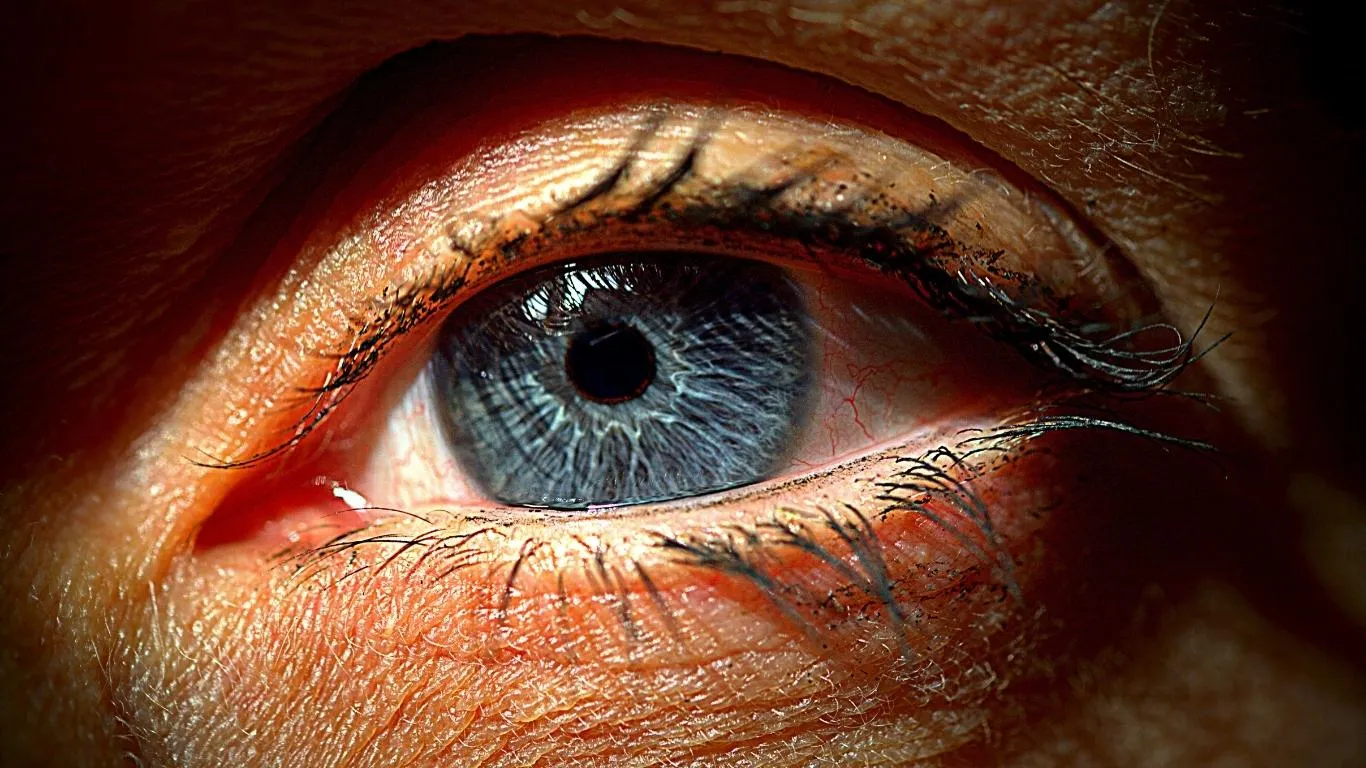
Floaters are tiny clumps of protein—usually collagen—that form in the vitreous, the gel-like substance that fills the inside of your eyeball. These clusters cast shadows on the retina, and that’s what you see as floaters. They can appear as:
- Squiggly lines
- Gray or black dots
- Transparent blobs
- Spider web-like formations
These aren’t just occasional nuisances. For frequent flyers, especially on longer journeys, the chances of noticing—or worsening—floaters increases. But why?
Why Do Floaters Feel Worse After Long Flights?

There’s no denying airplane cabins are rough on the eyes. The air is dry—crazy dry, with humidity levels often below 20%. That kind of environment can mess with your tear film and even speed up changes in the vitreous.
1. Dehydration at Altitude
Cabin pressure and low humidity contribute to mild dehydration, and if you’re not hydrating enough, your eyes take a hit. It’s not a myth. Dehydration has been associated with worsening floater visibility. This article goes deeper into how your hydration habits affect your vitreous.
2. Lack of Sleep and Fatigue
Jet lag’s ugly cousin—eye fatigue—can make floaters more noticeable. Our eyes rely on consistent lubrication and rest. Combine disrupted sleep with back-to-back travel legs and you’ve got a recipe for floater flare-ups. If you’ve ever wondered why they look worse when you’re tired, this explanation hits home.
3. Cabin Light and Contrast
Ever notice how floaters pop up when you look at a bright sky or white background? The plane’s lighting and those big windows create the perfect contrast for spotting floaters. The high-altitude sun exposure doesn’t help either.
Are Floaters After Flights Something to Worry About?
Most of the time, post-flight floaters are harmless. They might seem more prominent due to lighting, stress, or dehydration—but they usually settle down. That said, a sudden increase in floaters, especially when paired with flashes of light or peripheral vision loss, can be a red flag.
In some cases, floaters can signal a retinal tear or even retinal detachment. That’s not common, but it’s nothing to ignore. If the timing of your floaters aligns with pressure changes (say, descent), and you feel something’s off, book an eye exam sooner rather than later.
My Personal Mid-Air Floater Scare
On a 14-hour haul from Tokyo to JFK, I first noticed floaters that looked like gray cobwebs in my right eye. I chalked it up to being exhausted or maybe the dry cabin air. But they didn’t go away. I spiraled into a late-night Google dive (bad idea at 35,000 feet). Eventually, I read this guide on posterior vitreous detachment (PVD), and it matched my symptoms almost too well.
Long story short, I saw an ophthalmologist as soon as I landed. Turns out it was just a normal part of aging—but it was accelerated, or at least exposed, by the long-haul flight. That experience completely changed the way I prep for flying now.
Pre-Flight Prep to Minimize Floaters
Pack Smart
- Lubricating eye drops: Go for preservative-free ones
- Hydration: Water over wine—trust me
- Blue light glasses: They actually help reduce contrast strain during in-flight screen bingeing
Move Your Eyes, Not Just Your Legs
Simple eye movements every hour or two can help stimulate vitreous circulation. It’s not a cure, but eye exercises do help reduce floater awareness for some people.
Eat for Your Eyes
Nutrition might not be the first thing that comes to mind when talking about floaters, but it matters. Antioxidants like lutein, zeaxanthin, and omega-3s support eye health. Here’s a solid breakdown of what to include on your grocery list.
When Should You See a Doctor?

If floaters suddenly increase, if you notice flashing lights, or if your vision dims like someone pulled a curtain over part of your eye, don’t wait. These could be symptoms of something more serious like a retinal tear or detachment.
To dive deeper into how floaters compare to other visual disturbances, check out this comprehensive guide. And for the complete lowdown on floaters—their causes, symptoms, and treatment options—this is a great pillar resource worth bookmarking.
Are Floaters Post-Flight Just Age Talking?
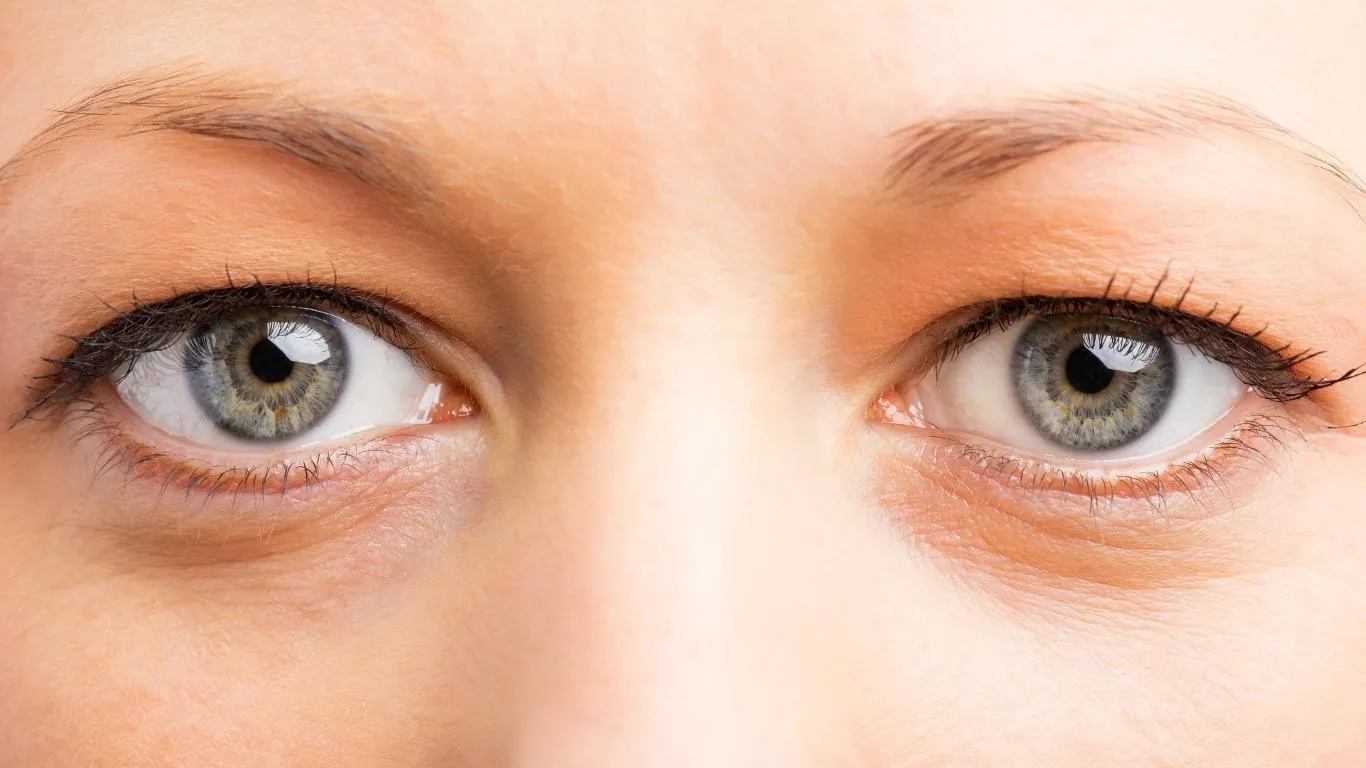
One of the first things my ophthalmologist said after that flight scare was, “You’re in your late 30s—it’s not unusual.” That honestly threw me off. I hadn’t felt old until then. But turns out, age-related vitreous changes are one of the top causes of floaters. The gel in your eye starts to liquefy, and clumps form naturally over time. It just so happens that the dry, strained conditions of a 15-hour flight fast-tracked what would’ve shown up months later.
If you’re curious whether aging alone could be the trigger, especially after flights, you’ll want to check this breakdown of why older adults notice floaters more frequently.
Do Cabin Pressure Changes Impact the Eye?
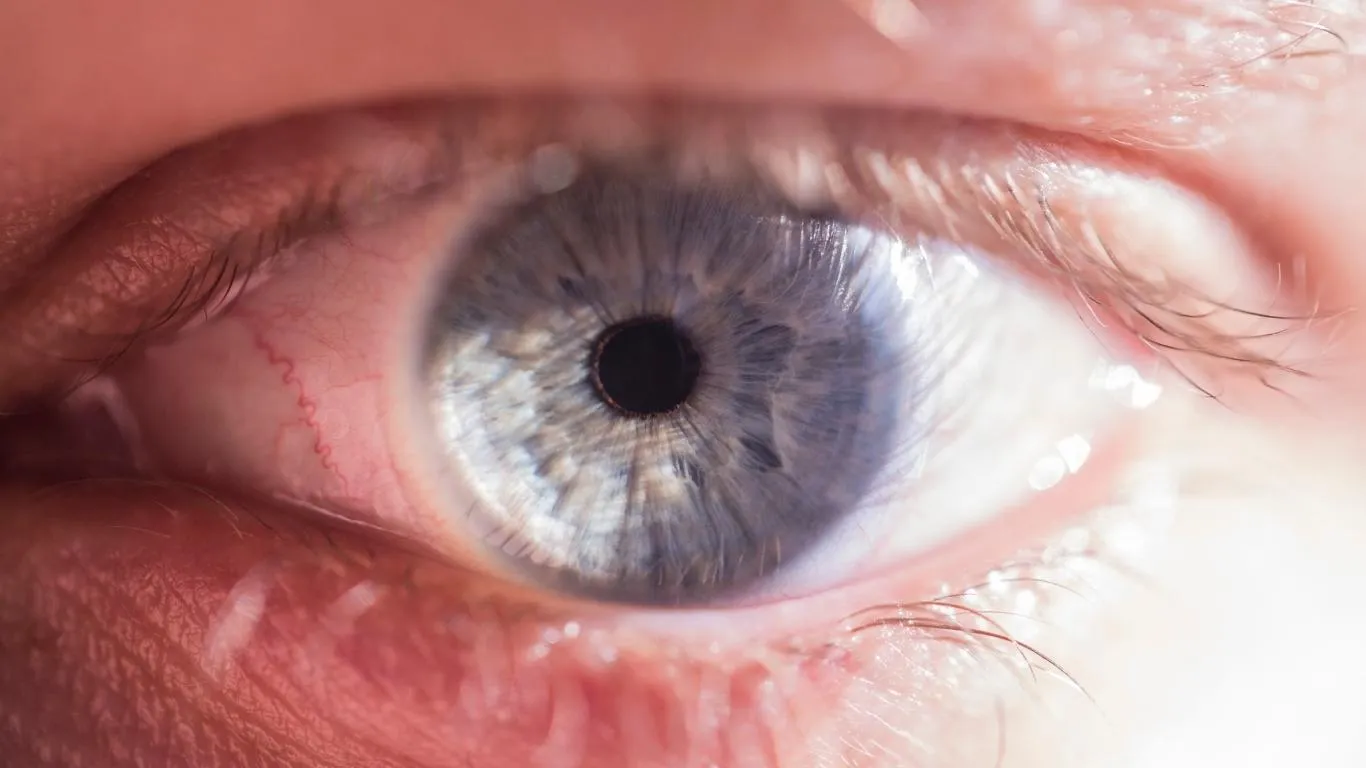
This was something I personally didn’t expect. During ascent and descent, the pressure around you shifts dramatically. While our eyes do a decent job at adapting, any pre-existing weakness—like a thinning retina or vitreous already pulling away—could be aggravated.
While rare, these shifts have been linked to faster-moving floaters or even posterior vitreous detachment (PVD) in sensitive individuals. What’s interesting is how seemingly random floaters can signal deeper issues when they suddenly behave differently mid-air.
High Altitude, Low Nutrition
Let’s be honest—airplane food isn’t exactly bursting with nutrients that support eye health. Lack of antioxidants and fluids during long flights can spike oxidative stress inside the eye. It’s a small thing that adds up, especially if you’re a frequent traveler.
I now pack trail mix with walnuts, sunflower seeds, and a couple of lutein capsules anytime I fly. Not saying it’s a magic cure, but it does make a difference. Your eye health depends on what you put into your body as much as what’s happening around it. This guide dives into diet tweaks that can make a real impact.
How Stress and Anxiety Play a Role
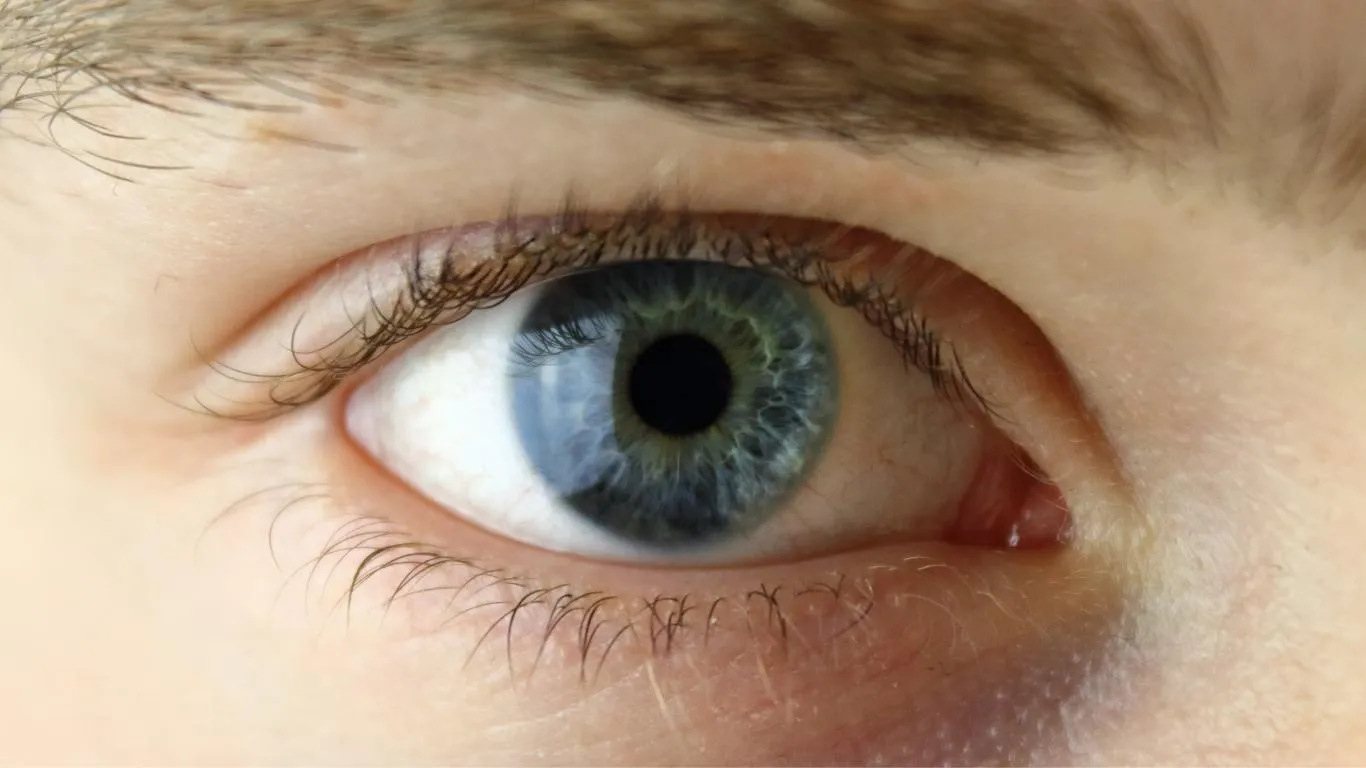
If you’ve ever been trapped in the middle seat between two strangers for hours, you already know flying can spike stress. But here’s the kicker: anxiety can actually make floaters feel worse—or at least make you hyper-aware of them.
There’s a growing body of evidence linking stress and floater perception. While it’s not fully understood, chronic stress may influence ocular blood flow, which in turn affects how floaters are seen. If you’re always “on edge” during or after flights, this piece offers helpful calming techniques I now swear by.
Protective Steps After Landing
Flush and Hydrate
The moment I land, I use sterile eye drops to flush out dryness and irritation. Combine that with at least 16 oz of water and a break from screens for a few hours—it’s a game changer. If you wear contact lenses during the flight, take them out right after. Your eyes need to breathe.
Track Floater Changes
One thing I started doing that truly helps is keeping a “floater journal.” Nothing fancy—just notes on how they change over time. If they grow, change shape, or multiply, it’s worth bringing up with an eye doc. You can learn more on how to track floater patterns properly.
Know When It’s More Than Floaters
Sometimes, what you think are floaters could be early signs of something else—like migraine aura, high myopia issues, or even retinal detachment. This comparison guide helps clear up what’s what, especially if you’re getting symptoms like shadows or vision dimming.
When Flying Might Not Be the Best Idea
If you’ve recently had an eye procedure—like LASIK, YAG capsulotomy, or retinal laser—flying might not be wise. Pressure changes and dry air can interfere with healing. That’s something I didn’t know until reading this article on floaters post-LASIK.
For frequent flyers with a history of retinal issues, it’s smart to talk to your ophthalmologist before any long flight. A quick pre-trip screening can prevent some truly scary post-landing surprises.
When Lifestyle Makes the Difference
You can’t control cabin pressure or how often you fly for work. But you can change how you manage floaters. Since incorporating a few habits—hydration, breaks from screens, eye-friendly nutrition, stress reduction—I honestly notice my floaters less, even on long-haul trips.
What worked for me may not work for everyone. But the broader lesson here is that floaters aren’t always random. They’re often a sign that something—big or small—is changing in your eyes or body. Staying informed and proactive can make a massive difference.
To go even deeper into managing floaters over time, I recommend reading the detailed guide on treatment options for all floater types and situations. And if you’re just getting started on understanding floaters, this is the go-to main pillar article I wish I’d found earlier.

Camellia Wulansari is a dedicated Medical Assistant at a local clinic and a passionate health writer at Healthusias.com. With years of hands-on experience in patient care and a deep interest in preventive medicine, she bridges the gap between clinical knowledge and accessible health information. Camellia specializes in writing about digestive health, chronic conditions like GERD and hypertension, respiratory issues, and autoimmune diseases, aiming to empower readers with practical, easy-to-understand insights. When she’s not assisting patients or writing, you’ll find her enjoying quiet mornings with coffee and a medical journal in hand—or jamming to her favorite metal band, Lamb of God.