Why Alcohol Might Be Making Your Migraines Worse
We’ve all been there—thinking one glass of wine at dinner or a celebratory cocktail won’t hurt, only to be sidelined hours later by a crushing migraine. If you’re like me, you’ve probably wondered why alcohol and migraines seem to be best friends with the worst intentions. Let’s be real: for some, alcohol is a definite trigger. But for others, the relationship is more complicated. So, what’s really going on between alcohol and migraines?
How Alcohol Affects the Brain and Triggers Migraines

Alcohol acts as a central nervous system depressant. That means it slows things down—heart rate, brain activity, and even the natural regulation of blood vessels. One of the most well-known effects is vasodilation, or the widening of blood vessels. Sounds harmless, but for migraine sufferers, that’s a red flag.
In my own experience, just a single glass of red wine can lead to that pulsing sensation behind my eyes. It’s not just the alcohol itself either—ingredients like histamines, sulfites, and tannins often found in wine can play their own nasty roles.
Vasodilation and Migraine Onset
When your blood vessels expand, it increases blood flow and can activate the trigeminal nerve. This nerve plays a key role in migraine pain. That pressure or tightness you feel before a migraine? That might just be your body responding to these vascular changes.
Histamines and Sulfites: Silent Saboteurs
- Histamines: These are found in aged alcohol like wine and beer. They can cause inflammation and dilate blood vessels, two things migraine sufferers don’t need more of.
- Sulfites: Added to wines and some beers as preservatives. While not everyone reacts to sulfites, those who do may experience symptoms like headaches or even full-blown migraines.
If you’re unsure what triggers you specifically, consider keeping a migraine diary. Tracking what you eat and drink can reveal patterns you didn’t notice before.
Types of Alcohol Most Likely to Cause Migraines

Not all booze is created equal. Some types are more notorious than others when it comes to setting off that dreaded migraine chain reaction.
- Red Wine: The number one offender for many. Thanks to tannins, histamines, and sulfites, it’s like a triple threat.
- Beer: Contains both histamines and fermentation byproducts that some bodies just don’t like.
- Dark Liquors: Think whiskey, bourbon, and dark rum. These have more congeners—chemical byproducts of fermentation—that may increase headache risk.
- Champagne: The bubbles might be fun, but the carbonation combined with alcohol absorption can lead to faster onset of migraine symptoms.
Interestingly, some people find that clear liquors like vodka or gin are better tolerated. Personally, I’ve found that if I stick with a small amount of gin and plenty of water, I’m less likely to suffer the next day.
Why Timing and Quantity Matter
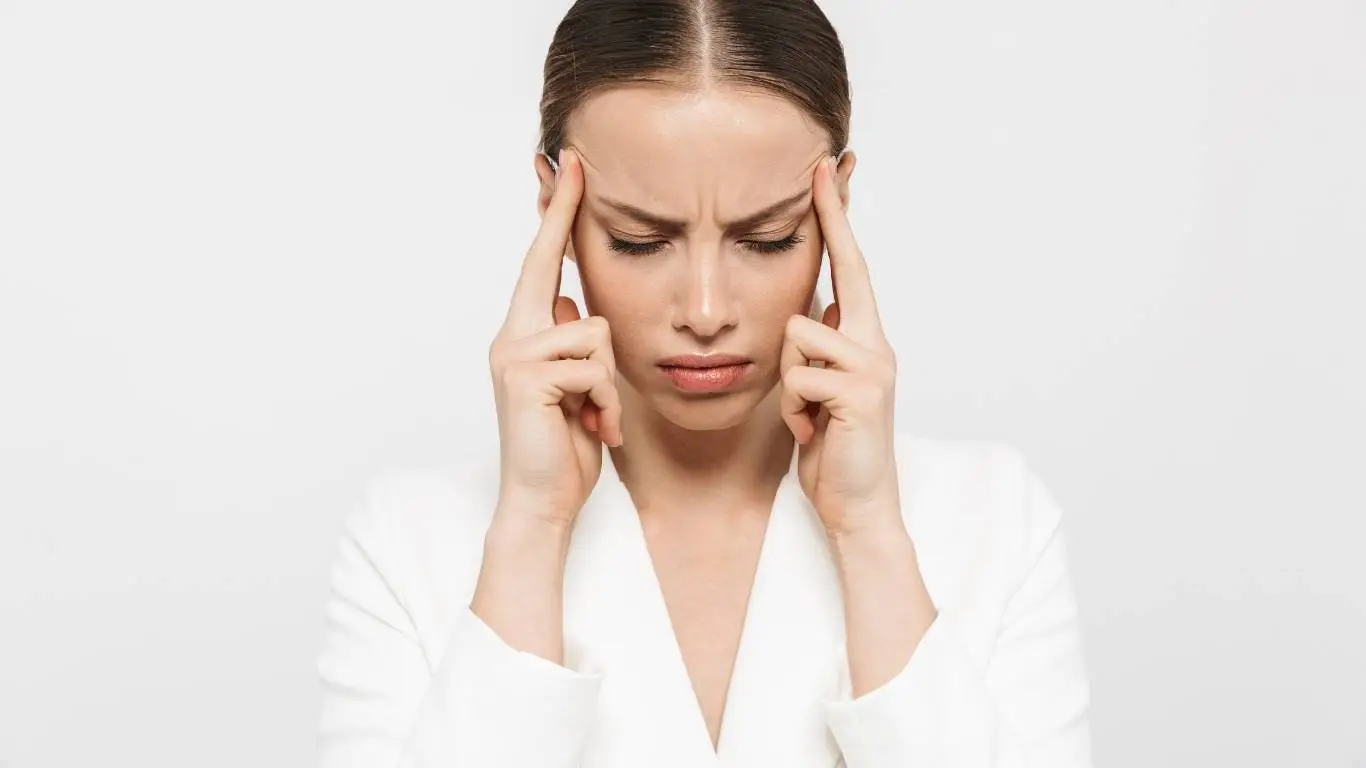
You might think just one drink won’t hurt, but the when and how much make all the difference. Drinking alcohol on an empty stomach? Bad idea. Not hydrating enough? Double trouble. Drinking right before bed? Hello, morning migraine.
Sleep Disruption and Migraine Risk
Alcohol disrupts your REM cycles, which are crucial for restorative sleep. Poor sleep is a massive migraine trigger, which is why I often get hit the hardest after a night of even mild indulgence.
If you’ve ever woken up with a migraine after a party, it’s not just the hangover—it’s a perfect storm of dehydration, sleep interruption, and chemical imbalance.
More on this: migraine and sleep patterns.
Is It a Hangover or a Migraine?

One question I hear all the time: “How do I know if it’s just a hangover or a migraine?” And honestly, it can be tricky. The key is in the symptoms:
- Hangover: Dull headache, nausea, dry mouth, sensitivity to light (sometimes), fatigue.
- Migraine: Throbbing or pulsing pain, usually on one side, light/sound sensitivity, nausea or vomiting, possibly aura or visual disturbances.
The problem? Alcohol can cause both. But if you’re experiencing classic warning signs of a migraine, especially if they appear hours after drinking, it’s likely not just a hangover.
It’s worth mentioning that migraines with aura can be particularly sensitive to alcohol, even in small amounts. If you get auras, your threshold might be lower than others.
When Alcohol Doesn’t Trigger Migraines… Until It Does

This one really got me. I used to tolerate alcohol just fine. Then one day, I couldn’t. It’s not uncommon for triggers to change over time. Hormonal shifts, stress levels, even gut health can alter how your body processes alcohol. One study even suggests that people with migraines have more sensitive trigeminal nerves compared to those without.
Plus, if you’re already stressed, sleep-deprived, or hormonally imbalanced, alcohol might be the final push off the cliff. That’s why tracking your lifestyle and patterns is key. You can find out more about hormonal migraine triggers here.
For an in-depth understanding of how various triggers interact, the main migraine triggers page is a great place to start. If you’re just beginning to explore the migraine journey, don’t miss our main migraine and headaches guide.
How to Enjoy Social Events Without Triggering a Migraine

Let’s face it—completely avoiding alcohol can feel a little isolating, especially at weddings, parties, or dinners out with friends. But you don’t have to ditch the social scene to protect your brain. I’ve personally tried a few techniques over the years, and they’ve saved me from countless next-day regrets.
Smart Strategies That Actually Work
- Alternate with water: A glass of water between drinks not only keeps you hydrated but slows down your intake. Trust me, it helps more than you think.
- Eat beforehand: Drinking on an empty stomach is a recipe for a migraine disaster. Always fuel up first.
- Choose low-risk drinks: Vodka mixed with soda water and a splash of lemon has worked well for me. It’s light, hydrating, and doesn’t contain most of the usual triggers.
- Cut it short: If you know your limits, stick to them. One drink is sometimes fine—but pushing it almost never is.
Planning ahead helps, especially if your migraines tend to appear the morning after. Some friends I know even carry portable migraine relief devices just in case they need fast intervention.
Should You Give Up Alcohol Completely?

This is a deeply personal decision—and it doesn’t have to be all or nothing. For me, there was a time I cut alcohol entirely for three months. The result? Fewer migraines, better sleep, and way more energy. But I missed the occasional glass of wine with dinner, so I slowly reintroduced it—with strict rules.
When Total Abstinence Might Be Best
Some people find their threshold is just too low. If even a sip causes pain, it might be time to step away for good. You’re not alone—plenty of migraine sufferers go completely alcohol-free, and the improvement in quality of life often outweighs the sacrifice.
Conditions like hemiplegic migraines or chronic migraine may require stricter avoidance. Your neurologist can help you decide where your boundaries should be.
The Science Behind Alcohol Sensitivity in Migraine Brains
People with migraines process chemicals differently—especially things like serotonin, dopamine, and inflammatory markers. Alcohol interferes with all of them. It can cause a drop in serotonin levels, which is linked to migraine attacks. Plus, it messes with magnesium absorption, another critical factor for migraine stability.
If you’ve ever felt “off” the day after drinking—brain fog, sensitivity to light, low mood—it’s not your imagination. Your brain might be responding to inflammatory pathways that alcohol just turned on.
Learn more about neurological causes of migraines to better understand what’s happening under the hood.
Gut Health and Alcohol: A Hidden Connection
Emerging studies are showing a fascinating link between gut microbiota and migraines. Alcohol disrupts gut bacteria, which can lead to increased inflammation and sensitivity in the nervous system. I noticed this after switching to a cleaner diet—fewer processed foods and less alcohol—and my migraines dropped by half. Coincidence? I don’t think so.
Supplements and Preventive Tactics That Help

If giving up alcohol isn’t realistic—or even desired—there are other ways to lower your risk of post-drinking migraines.
Natural Supplements That Actually Work
- Magnesium: A go-to for many migraine sufferers. Alcohol depletes magnesium, so it makes sense to replenish it.
- Vitamin B2 (Riboflavin): Supports mitochondrial function, which may help reduce the frequency of attacks.
- CoQ10: This antioxidant helps protect cells and reduce oxidative stress, especially useful when alcohol is in the mix.
Some people also swear by herbal remedies. If you’re curious, our deep dive on herbal migraine solutions covers options like feverfew, butterbur, and ginger.
What Experts Recommend for Migraine and Alcohol

Most headache specialists agree that alcohol doesn’t trigger migraines in everyone—but if it does for you, even occasionally, take it seriously. It’s not just about avoiding the pain—chronic inflammation can lead to more frequent attacks over time.
They often recommend tools like migraine tracking apps and specialist consultations to stay on top of patterns and tailor prevention plans. Personalized care makes a huge difference.
And honestly, we all deserve to live without the fear of losing the next day to migraine misery. Whether that means tweaking your habits or going alcohol-free, the power is in your hands.
Putting It All Together: Understanding Your Threshold

One of the hardest lessons I’ve learned is that migraine triggers aren’t the same for everyone. What knocks me out might not bother someone else at all. That’s why understanding your threshold is everything.
Use the tools, track your triggers, test your limits slowly, and get support. You’re not imagining things—alcohol truly does have a measurable impact on the migraine brain. And recognizing that? It’s not weakness. It’s strength.
To explore comprehensive prevention strategies, visit our Migraine Prevention resource. Or if you’re just starting out and want the bigger picture, head over to our main migraines and headaches guide.

Bianca Nala is a compassionate Nurse Practitioner with a strong background in primary and respiratory care. As a health writer for Healthusias.com, she combines her clinical expertise with a talent for clear, relatable storytelling to help readers better understand their health. Bianca focuses on topics like asthma, COPD, chronic cough, and overall lung health, aiming to simplify complex medical topics without losing accuracy. Whether she’s treating patients or writing articles, Bianca is driven by a single goal: making quality healthcare knowledge accessible to everyone.