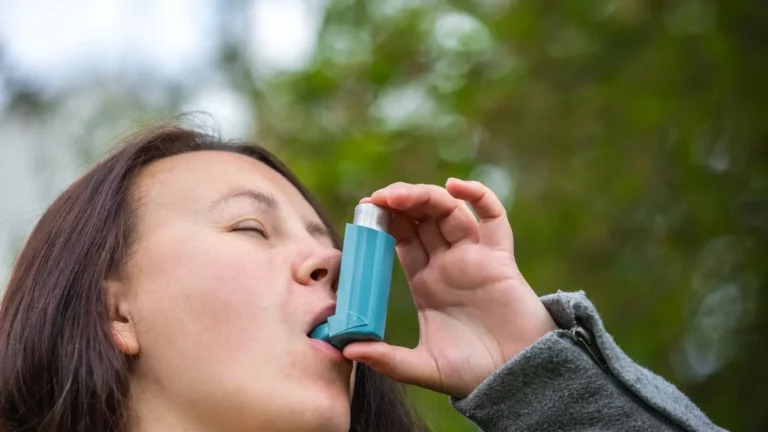
Why Migraine Triggers Are Worse in Summer vs Winter
Last summer, I found myself stuck inside a dim room in Bali during what was supposed to be a relaxing vacation — because of a pounding migraine. Then again, just a few months later in winter, after a quick jog in the frosty morning air, boom — another one hit me like a truck. If you’re like me and migraines seem to shift with the seasons, you’re not imagining things. Let’s dive into why your migraines might act like the weather forecast: unpredictable but pattern-driven.
Understanding How Seasons Influence Migraine Patterns

While migraines are already a complex beast with numerous known triggers, the impact of seasonal shifts is often underestimated. Both summer and winter bring a unique set of challenges for people prone to migraines. These environmental and behavioral changes can create a perfect storm for your brain to retaliate.
What Makes Summer a Breeding Ground for Migraines?
Summer might mean barbecues and beach days for many, but for migraine sufferers, it often spells discomfort. Here’s why:
- Heat & Dehydration: One of the top culprits. When temperatures rise, we sweat more, and dehydration sneaks in faster than you think. Even mild dehydration can constrict blood vessels and trigger head pain.
- Changes in Routine: Summer vacations often mess with your daily schedule. Late nights, skipped meals, or more alcohol than usual? All migraine triggers.
- Bright Sunlight: Increased sun exposure, especially without sunglasses, can lead to light sensitivity-related migraines.
- Humidity Levels: High humidity can intensify air pressure changes and worsen symptoms. For many, it’s not just the heat — it’s the moisture in the air that amplifies the pain.
When Your Brain Freezes: Winter Migraine Triggers

Cold weather might seem like a break from the heat-induced migraines, but winter has its own list of migraine-inducing suspects:
- Barometric Pressure Drops: Just before a snowstorm, sudden drops in pressure can lead to intense migraine attacks. It’s like your brain is your own personal weather radar.
- Indoor Heating: Artificial heat leads to dry air, which can dehydrate you and worsen sinus issues — a known migraine trigger often mistaken for sinus headaches.
- Lack of Sunlight: Shorter days mean less vitamin D. Some studies suggest low vitamin D levels are associated with more frequent migraines (ncbi.nlm.nih.gov).
- Cold Air Exposure: That icy wind on your face? For some, it acts as a direct trigger. If you’ve experienced one-sided headaches in winter winds, you’re not alone.
Internal Rhythms: Circadian and Hormonal Shifts

One thing many people don’t realize is how much our internal biological clock, the circadian rhythm, shifts with the seasons. These shifts influence sleep cycles, hormone regulation, and neurotransmitter levels — all known contributors to migraine frequency.
During winter, melatonin levels can spike due to increased darkness, which disrupts sleep and serotonin balance. In summer, the reverse happens. Both transitions, though in opposite directions, can stir the same outcome: migraines.
On a more personal note, I noticed I sleep longer in the winter, but feel more sluggish. In contrast, summer wakes me up earlier — but that erratic sleep pattern? Yep, migraines love that inconsistency.
Dietary Shifts That Sneak Up On You

Whether it’s popsicles in July or hot chocolate in December, seasonal foods also impact our migraine susceptibility. Some of the changes include:
- Sugar and Additives: Summer snacks and drinks often come packed with sugar and artificial ingredients, which may lead to blood sugar spikes and crashes.
- Holiday Eating: Let’s be real — winter holiday feasts often include red wine, aged cheese, and cured meats — some of the most well-known migraine-triggering foods.
- Caffeine Changes: Cold brew all summer, hot lattes in winter — the sudden shifts in caffeine consumption can throw off your system if not moderated.
It’s not about avoiding everything — but keeping a migraine diary might help you find what seasonal treats are worth skipping. Here’s a guide to setting up a simple migraine tracking journal if you’re just getting started.
Environmental Allergens and Indoor Triggers

Another angle worth exploring is the environmental allergens that spike during certain times of the year. For example:
- Summer: Pollen counts skyrocket. For people with allergic rhinitis or seasonal allergies, this could be a migraine waiting to happen.
- Winter: Dust mites, mold in damp spaces, and pet dander become more prominent as we spend time indoors. Poor air circulation or lack of ventilation may worsen this.
Research from mayoclinic.org supports the role of allergens in migraine initiation, especially among those with comorbid sinus conditions or asthma.
If you notice a pattern with your environment, try adding air purifiers in your space or using nasal rinses during allergy peaks. I did that last December, and it cut my migraine days in half — not a miracle, but progress.
For a broader look at what typically triggers migraines, here’s a more detailed article on common migraine triggers you might be overlooking.
And if you’re just getting familiar with migraines and want a complete understanding of how they affect different people across contexts, don’t miss this main migraine and headaches resource hub.
Behavioral and Lifestyle Patterns That Change With the Weather
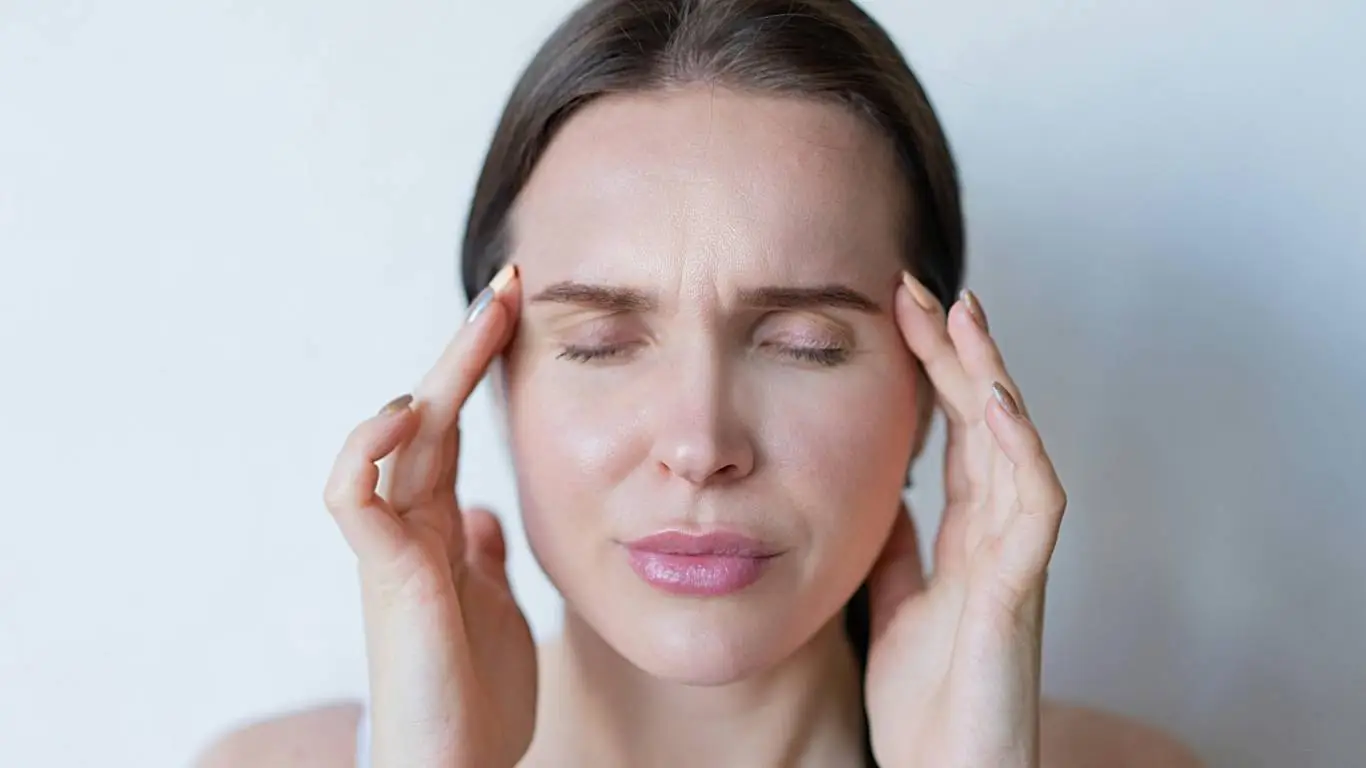
Let’s face it — how we live our lives in July is nothing like how we function in January. Summer is all about movement, late nights, social events, and sweating under the sun. Winter? Cozy routines, sedentary days, and Netflix marathons. These behavioral shifts can nudge your migraine buttons without you even realizing it.
- Sleep Patterns: Longer days can tempt you to sleep less in summer. On the flip side, winter might have you oversleeping. Both disruptions are known migraine triggers.
- Hydration Habits: We naturally drink more water in summer — but it’s easy to fall short during winter because we don’t *feel* thirsty. I learned this the hard way after a couple of brutal January headaches linked to subtle dehydration.
- Physical Activity: I find I exercise more consistently in summer. In winter? Not so much. Turns out, stopping exercise suddenly can trigger migraines just as easily as overdoing it.
Adjusting your habits seasonally and being aware of how these shifts affect your system is a big step toward prevention. This isn’t about perfection — it’s about pattern recognition and gentle tweaks.
Stress in Different Seasons — Same Outcome

Many of us associate stress with work, relationships, or finances. But there’s also “seasonal stress.” Think about it — holiday planning, travel, end-of-year deadlines in winter, and the chaos of summer activities with kids off school. Different vibes, but both can overload your nervous system.
According to clevelandclinic.org, stress is one of the leading triggers for chronic migraine sufferers. It’s not just the stress itself — it’s the letdown afterward that sometimes sparks a migraine attack. That post-deadline or post-vacation crash? Been there too many times.
Mindfulness practices, even simple breathing or short walks, can be a game-changer. And if stress is becoming a recurring issue, consider exploring Cognitive Behavioral Therapy (CBT) options for migraine management.
Hormonal Variations Between Seasons

This one surprised me at first — hormones aren’t just monthly visitors, they’re seasonal too. Sunlight, melatonin, serotonin, even estrogen levels can all shift throughout the year.
Women may notice menstrual migraines get worse in either hot, sweaty months or dry, cold ones. According to experts, hormonal migraines are deeply intertwined with external factors, including weather patterns and light exposure.
Tracking your hormonal cycle in combination with seasons might reveal useful insights. For me, switching to a magnesium-rich diet and using vitamin B2 helped stabilize some of the worst swings (after much trial and error).
If this feels like your issue too, you might want to explore more on how menstrual migraines behave seasonally.
Why Personal Patterns Matter More Than You Think

I didn’t get real results until I started keeping track of what triggered my headaches. It was annoying at first — who has time to journal every little thing? But wow, the trends it revealed were almost comically obvious in hindsight. More headaches right after a day at the pool? Check. More issues after sitting next to the fireplace in dry indoor air? Yup.
What helped was using a simple migraine tracking app to note weather, food, stress level, and sleep. The longer I tracked, the clearer it became — my migraines weren’t random. They were seasonal rhythm responses I could anticipate and gently manage.
If you want to create your own system, check out our guide to setting up a useful migraine diary.

Now that we’ve unpacked the what and why, let’s talk about the “what to do about it.” Based on my personal trial-and-error and expert-backed recommendations, here’s a seasonal cheat sheet:
In Summer:
- Drink more water than you think you need — every hour, not just when thirsty
- Wear polarized sunglasses and a hat to reduce sun-related strain
- Limit processed summer treats like slushies and popsicles with additives
- Stick to a consistent sleep schedule, even on vacation
- Use a cooling neck wrap if you’re outdoors for long
In Winter:
- Install a humidifier to balance indoor heating effects
- Get outside during daylight — even 10 minutes helps reset circadian rhythm
- Layer properly; cold on the back of the neck is a sneaky trigger
- Be mindful of heavy winter comfort food — check for aged cheeses, MSG, or preservatives
- Take breaks from screens and artificial lighting if you’re indoors all day
If you’re looking for more comprehensive approaches to preventing migraines altogether, this guide dives deeper into evidence-based methods.
For those who want to understand migraines as a whole — not just seasonal triggers — check out our full migraine overview guide that explains causes, types, and patterns.
You can also explore the central resource hub at Migraines and Headaches Main Page for tools, treatments, and strategies personalized to your situation.

Bianca Nala is a compassionate Nurse Practitioner with a strong background in primary and respiratory care. As a health writer for Healthusias.com, she combines her clinical expertise with a talent for clear, relatable storytelling to help readers better understand their health. Bianca focuses on topics like asthma, COPD, chronic cough, and overall lung health, aiming to simplify complex medical topics without losing accuracy. Whether she’s treating patients or writing articles, Bianca is driven by a single goal: making quality healthcare knowledge accessible to everyone.