Why Eye Floaters That Linger After Sneezing Might Be Serious
It happened again this morning — I sneezed a little too hard, and bam — those annoying specks and threads appeared in my vision like they owned the place. At first, I brushed it off. But when those eye floaters linger after sneezing, sticking around longer than usual, it’s hard not to panic a bit. If you’re like me and you’ve noticed these pesky floaters hanging out longer than they should after a particularly intense sneeze, you’re not imagining it — and you’re definitely not alone.
Why Do Eye Floaters Appear After Sneezing?
Sneezing might seem harmless, but it’s actually a mini pressure bomb for your entire head — and yes, that includes your eyes. When we sneeze, especially forcefully, there’s a sudden spike in intraocular and intracranial pressure. This change, although brief, can disturb the gel-like vitreous in the eye, possibly stirring up floaters that were hanging low or out of sight.
Here’s where it gets tricky: If you already have some degree of vitreous degeneration — which becomes more common with age — a strong sneeze might not just shake loose old floaters, it could also trigger new ones. Floaters that linger after sneezing are often more noticeable because your brain isn’t ready to filter them out again just yet.
Could This Be a Warning Sign?
For the most part, floaters are benign — annoying, yes, but harmless. That said, when they come on suddenly or stick around longer than usual, especially after something like a violent sneeze, it could point to something a bit more serious.
One potential concern is a retinal tear or posterior vitreous detachment (PVD), which is surprisingly more common than many realize. These conditions may follow sneezing, coughing fits, or even heavy lifting — anything that causes sudden strain or movement in the eye’s internal structures.
What Makes Floaters Stick Around After Sneezing?
- Age-related vitreous changes: As we age, the vitreous gel naturally becomes more liquified and pulls away from the retina — floaters become more frequent and sensitive to pressure changes like sneezing. Learn more here.
- High myopia: Nearsighted individuals, like me, tend to experience floaters more intensely. The elongated eyeball puts more stress on the retina.
- Vitreous syneresis: This is a fancy term for the breakdown of the collagen fibers inside the vitreous. It’s a natural part of aging — and a sneezing fit can make those broken strands even more mobile. Here’s what to know.
- Postural pressure changes: Sometimes, it’s not the sneeze alone. Sneezing while bending over or lying down can increase ocular strain significantly.
When Should You See a Doctor?
Alright, real talk — I used to ignore my floaters all the time, assuming they were just part of getting older. But when they started showing up consistently after sneezing or straining, I finally scheduled an eye exam. That was the best move I made.
You definitely want to talk to your eye doctor if you notice:
- Floaters appearing suddenly and persistently after sneezing
- Flashes of light along with floaters
- A shadow or curtain effect in your peripheral vision
- Increased frequency of floaters
These symptoms could indicate retinal damage or even detachment, which requires urgent medical attention. For more details on when floaters are considered dangerous, check out this important guide.
Are These Floaters Permanent?
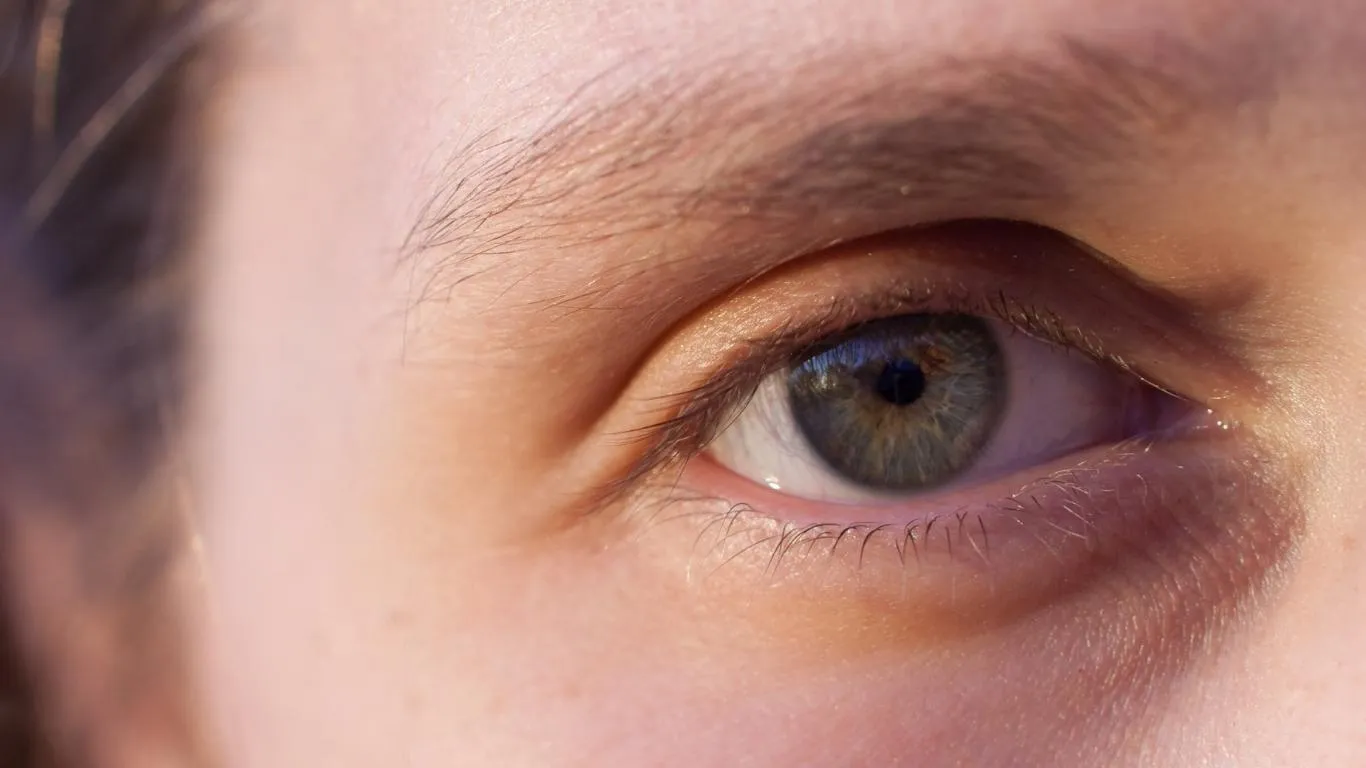
In many cases, floaters that show up after sneezing will fade or shift out of your direct line of sight within a few hours or days. That said, some may decide to settle in for the long haul. It’s frustrating, I know. I’ve had one that loves to hover in just the wrong spot — usually when I’m reading or staring at a screen.
While the brain can learn to ignore floaters over time (a process called neuroadaptation), it doesn’t always happen quickly. And in cases where floaters are extremely disruptive, you might want to explore treatment options. Here’s an overview of modern treatments for eye floaters that cover both conservative and surgical solutions.
Dehydration and Sneezing-Induced Floaters
This one surprised me — turns out, dehydration can worsen floaters. I wasn’t drinking enough water, especially during allergy season, and my floaters seemed more stubborn than usual after sneezing. Once I upped my fluid intake, they genuinely became less noticeable. Coincidence? Maybe. But the science says otherwise.
Prevention: Can You Avoid Sneezing-Triggered Floaters?
We can’t stop sneezing — and let’s be real, trying to stifle a sneeze can be way worse for your body. But here are a few ways I’ve learned to minimize the impact:
- Stay hydrated — dry eyes and dehydrated vitreous = recipe for floaters
- Address allergies — less sneezing means fewer disturbances to the eye
- Don’t bend over when sneezing — maintain an upright posture if possible
- Eat for eye health — lutein, vitamin C, and omega-3s support the vitreous
- Use blue-light filter glasses — screen strain can aggravate floater visibility, especially after sneezing. See: this guide
If you’re deep-diving into this topic and want the full breakdown on symptoms, causes, and when to worry, I highly recommend the main eye floaters pillar article and the focused write-up on common causes of eye floaters.
Can Floaters After Sneezing Be Treated?
Short answer? Yes — but it depends. If the floaters are mild and not affecting your quality of life, your eye specialist might recommend observation and reassurance. That’s what I heard during my first visit. “Let’s monitor them,” they said. And for a while, I did just that.
But when floaters after sneezing kept creeping back — more stubborn each time — I started exploring treatment options. Here’s a rundown of the most common approaches doctors may suggest:
- Watchful waiting: This is usually the first step, especially if there are no signs of retinal tears or serious underlying conditions.
- Laser vitreolysis: A non-invasive laser procedure that targets and breaks up large floaters. Not suitable for everyone, but it’s gaining traction.
- Vitrectomy: A surgical option to remove the vitreous gel altogether. It’s more invasive, carries risk, and usually reserved for severe cases.
Here’s a complete breakdown of available eye floater treatments if you’re thinking about seeking help beyond home remedies.
Lifestyle Changes That Help (Yes, They Do)
After a few months of frustration, I stopped looking for a miracle fix and instead started working with my body. It sounds cliché, but making a few intentional changes actually helped reduce how often I noticed floaters after sneezing. Here’s what worked for me — and what many ophthalmologists quietly recommend:
- Hydration: Already mentioned it, but worth repeating — floaters worsen with dehydration. I aim for 8-10 glasses a day.
- Antioxidants & supplements: Adding targeted supplements like lutein, zeaxanthin, and omega-3s gave me noticeable results over time.
- Blue light management: I started using screen filters and limited bright-light exposure, especially when sneezing triggered floaters.
- Yoga & stress reduction: Weirdly enough, yoga for eye floaters is a thing — and it helps by boosting circulation and relaxing ocular pressure.
Foods That Nourish the Vitreous
Here are the foods I now make sure to include in my weekly rotation to support eye health:
- Spinach, kale, and dark leafy greens
- Eggs and carrots (classic, I know)
- Coldwater fish like salmon and mackerel
- Chia seeds and walnuts for omega-3s
- Berries — lots of them. Antioxidants matter
Explore more diet changes for floaters here. Trust me, this part made a big difference for me in the long run.
How to Cope When They Won’t Go Away
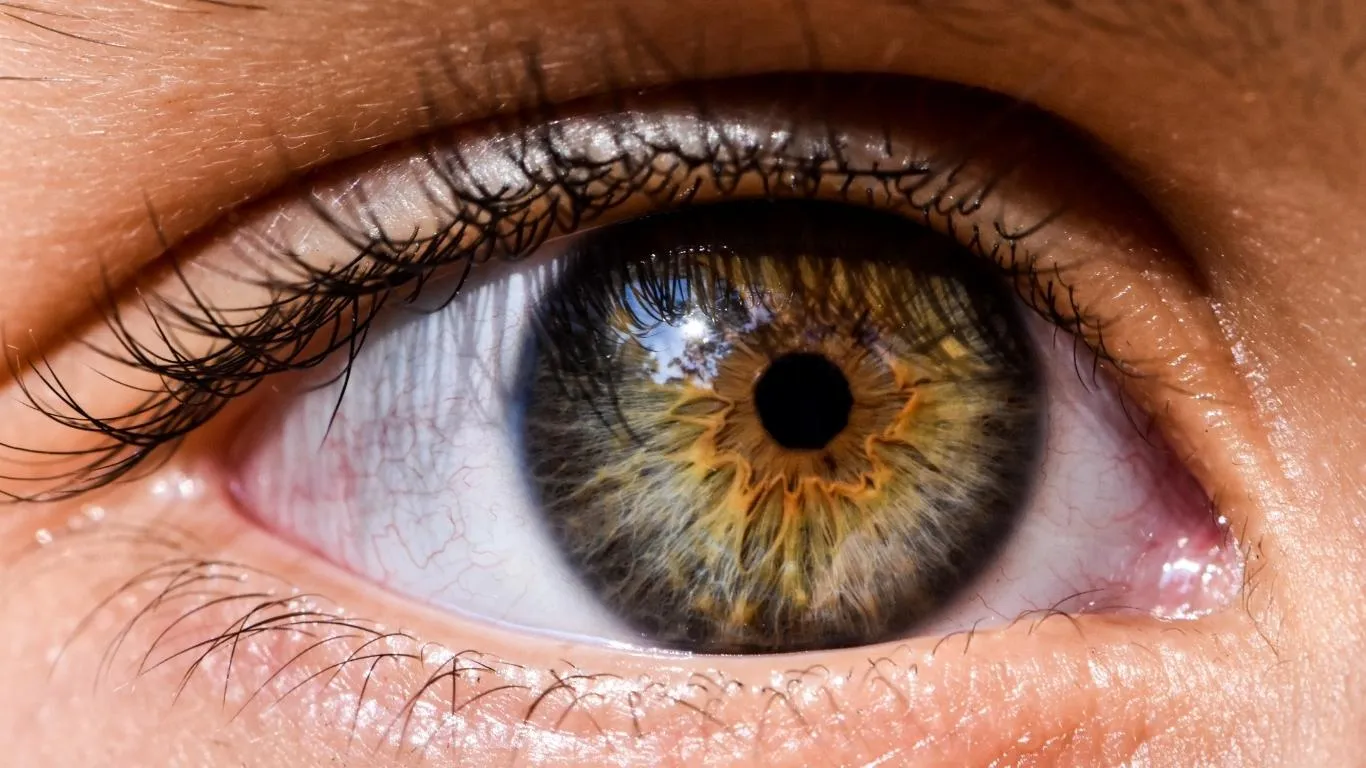
Some days, the floaters don’t fade. They hover, follow my gaze, and refuse to be ignored. And those are the days I have to lean into coping techniques. Here’s what genuinely helped me feel less at war with my own vision:
- Dim lighting during peak flare-ups: Floaters are most noticeable against bright backgrounds. I switched to warmer tones indoors.
- Tracking changes: Using a journal or app to note when floaters appear most helps spot patterns. Try this tracking method if you’re curious.
- Accepting them: Sounds philosophical, but it’s real. The more I stressed, the worse they felt.
When Floaters After Sneezing Could Be Something Bigger
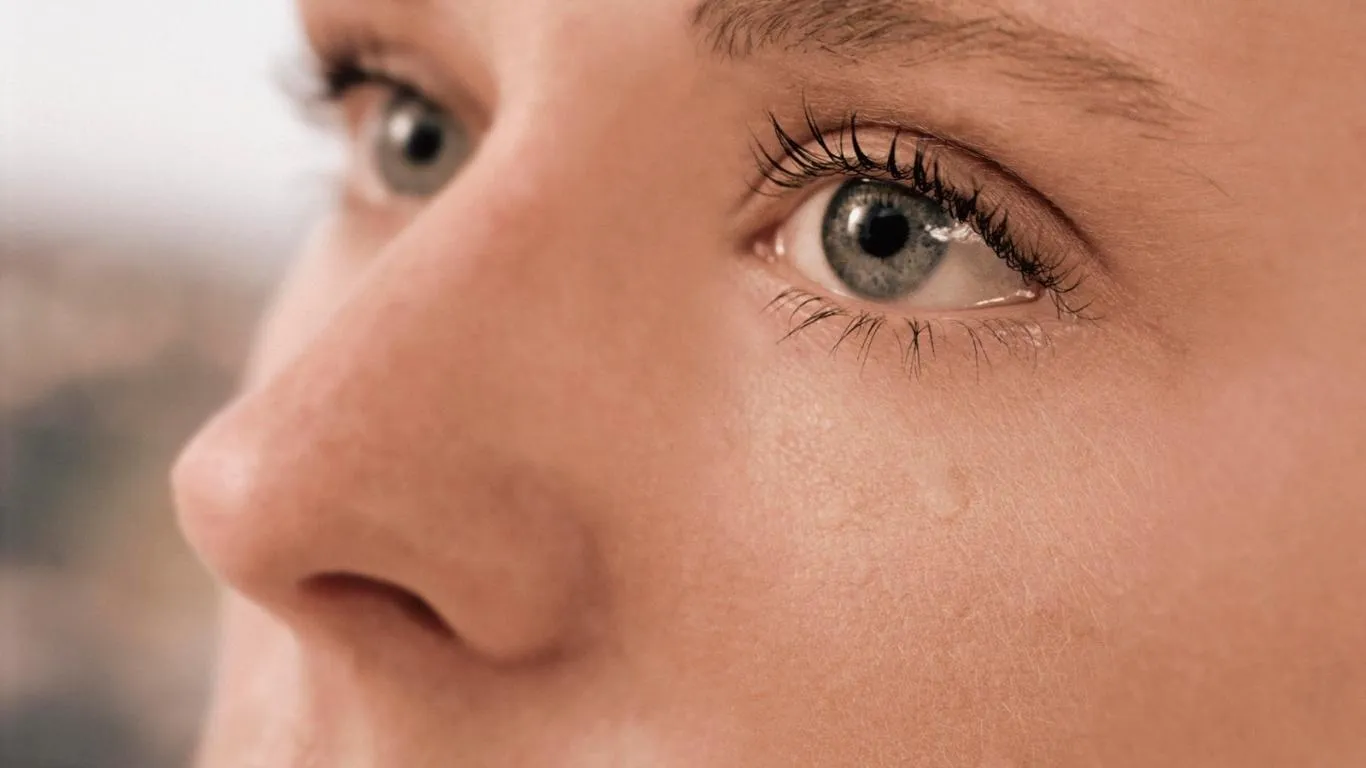
We’ve all been there — Googling our symptoms at 2AM and convincing ourselves it’s something dire. But in rare cases, persistent floaters after sneezing really can be a sign of more serious retinal complications. In particular, keep an eye out (pun intended) for:
- Sudden shower of floaters — could be vitreous hemorrhage
- Dark shadows at edge of vision — retinal detachment warning
- Flashing lights in one or both eyes — common with retinal tears
Learn about PVD here, especially if you’re over 40. This condition often shows up after sneezing or straining.
Needless to say, never ignore sudden vision changes — even if they seem tied to something as silly as a sneeze. Your retina won’t care how it got strained — only that it did.
Finding Long-Term Relief & Clarity
Floaters that linger after sneezing might not be a huge health threat — but they sure can hijack your peace of mind. I’ve learned that while we can’t fully erase them, we can absolutely reduce their impact and take better care of our eye health.
So whether you’re dealing with a speck that won’t go away or threads that dance every time you blow your nose, don’t just brush it off. Start with the basics, make lifestyle shifts, and when in doubt — talk to your eye doc. Your vision deserves that attention.
For a full overview of causes and symptoms tied to persistent floaters, visit the main floater resource here. You might also find this symptoms guide incredibly helpful if you’re just starting to piece together your experience.

Camellia Wulansari is a dedicated Medical Assistant at a local clinic and a passionate health writer at Healthusias.com. With years of hands-on experience in patient care and a deep interest in preventive medicine, she bridges the gap between clinical knowledge and accessible health information. Camellia specializes in writing about digestive health, chronic conditions like GERD and hypertension, respiratory issues, and autoimmune diseases, aiming to empower readers with practical, easy-to-understand insights. When she’s not assisting patients or writing, you’ll find her enjoying quiet mornings with coffee and a medical journal in hand—or jamming to her favorite metal band, Lamb of God.