How Post-Nasal Drip Can Make Eye Floaters Feel Worse
So, picture this — you wake up, your throat feels gunky, like something’s dripping back there, and your vision’s not quite right either. Tiny specks or thread-like floaters swirl across your line of sight. Been there? I sure have. And for the longest time, I never imagined the weird connection between post-nasal drip and these eye floaters could even be a thing. Turns out, a surprising number of people are asking the same questions — and digging into it led me down a rabbit hole I didn’t expect.
Could Post-Nasal Drip Really Mess with Your Eyes?
First things first — post-nasal drip is a fairly common symptom where excess mucus drips down the back of your throat. Sinus congestion, allergies, infections, even dry air can trigger it. Now, add eye floaters into the mix — those translucent squiggles or specks that drift across your field of vision — and you might start wondering if they’re linked.
Here’s what I found: While post-nasal drip itself isn’t a direct cause of floaters, the underlying conditions that lead to it — inflammation, infection, sinus pressure — can sometimes have indirect effects on eye health. I mean, I once had a nasty sinus infection, and not long after, boom — floaters. Coincidence? Maybe. But I’m not so sure anymore.
The Inflammatory Chain Reaction
When your sinuses are inflamed, especially during chronic post-nasal drip episodes, the inflammation doesn’t just stay put. The facial sinuses and eyes are neighbors, after all. That pressure and congestion can cause headaches, blurred vision, and possibly make floaters more noticeable.
So how does it connect?
The short version: chronic inflammation = potential stress on the optic system. Some researchers believe systemic inflammation might increase vitreous degeneration, especially in sensitive individuals.
- Chronic sinus infections have been noted in rare cases to contribute to visual disturbances.
- Persistent inflammation may disrupt ocular circulation or increase sensitivity to floaters already present.
There’s also this insight I stumbled across while reading how uveitis may cause floaters — it highlighted how eye inflammation can originate from autoimmune or systemic responses, not just localized infections. It made me reconsider how “simple” post-nasal drip really is.
The Role of Eye Strain, Dryness, and Fluid Imbalance
Now here’s the kicker — when you’re constantly dealing with a dripping throat, irritated sinuses, and that overall “ugh” feeling, your eyes get less attention. You’re probably rubbing them more (guilty), blinking less, and maybe even staring at screens longer trying to distract yourself from the discomfort.
These factors combine to make floaters more noticeable:
- Dehydration: Post-nasal drip often leads to less water intake. That impacts the vitreous fluid in your eye.
- Eye rubbing: Yup, constant sinus pressure = eye rubbing = risk of vitreous tugging.
- Increased awareness: Let’s be honest — when you’re already uncomfortable, you notice every tiny thing, including floaters.
I learned the hard way after an upper respiratory infection. I was gulping down antihistamines, barely drinking water, rubbing my eyes like a sleep-deprived raccoon — and suddenly, my floaters weren’t just there… they were dancing.
When It Might Be More Than Just a Nuisance
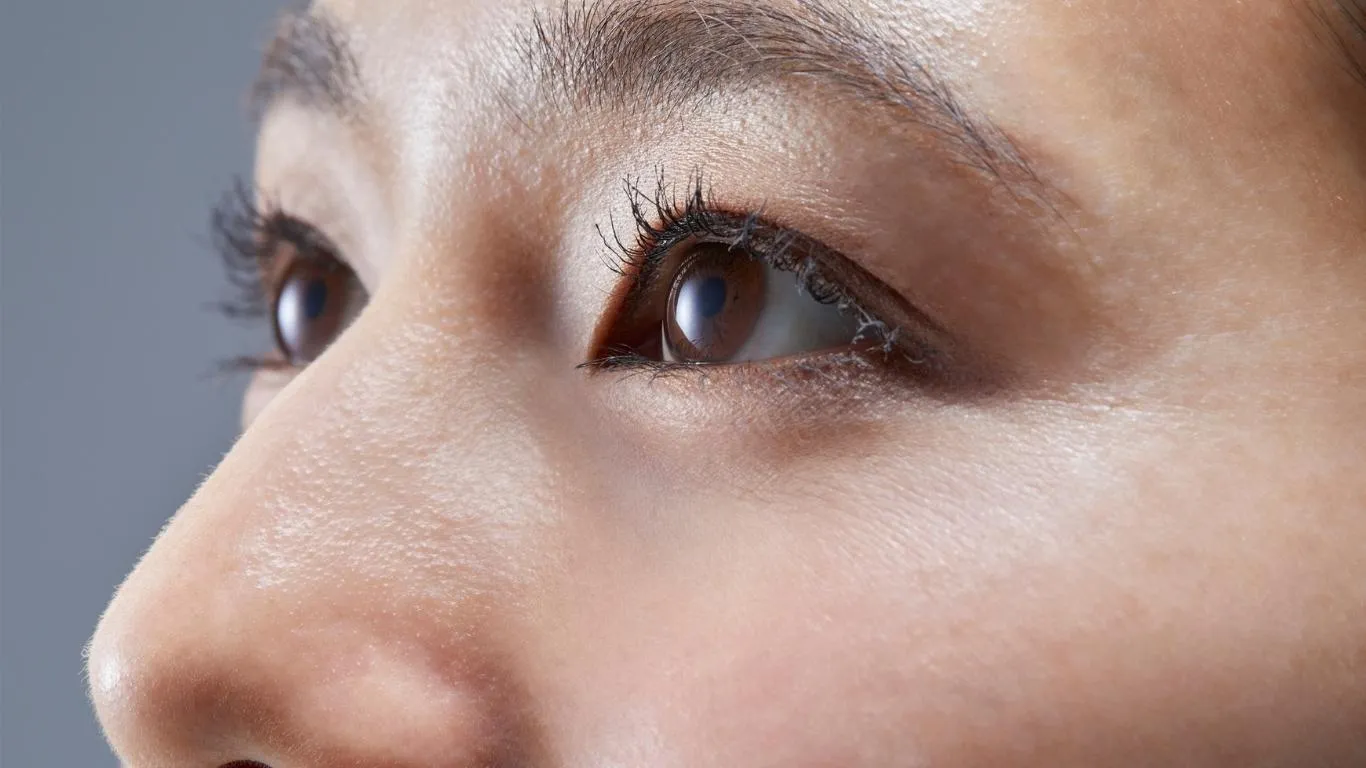
In most cases, floaters are benign — annoying, sure, but not dangerous. But if you’re experiencing new, sudden, or rapidly increasing floaters along with severe headaches or eye pain, that’s a red flag. Especially when coupled with sinus issues that won’t quit.
Interestingly, a piece I found on sudden burst of floaters explained that any rapid change in your floaters could be a sign of something serious like a retinal tear or inflammation spreading deeper.
And guess what? Some medications commonly used for sinus relief — like corticosteroids — have been loosely linked with the onset of floaters. Here’s a related read on how steroids might contribute.
Let’s Talk Prevention — or at Least Relief
If you’re dealing with both post-nasal drip and annoying floaters, it’s time to take a step back and manage both from the inside out. Here’s what’s been working for me:
- Hydration: Seriously, drinking more water reduced the intensity of my floaters during a sinus flare-up.
- Steam therapy: Clears out the sinuses and reduces pressure around the eyes.
- Omega-3s and lutein-rich foods: Small change, big difference. Here’s a great guide on foods for eye health.
- Proper screen use: Blue light filters and taking eye breaks — not a gimmick, it really helps.
For more insights into how systemic changes might impact your eyes and floaters, this comprehensive guide is gold: Eye Floaters: Causes, Symptoms, and Treatment Options. And if you’re still wondering when floaters become a bigger issue, don’t miss this in-depth article on dangerous floaters.
Can Sinus Treatments Trigger or Relieve Floaters?
Let’s talk meds — because if you’ve ever treated your post-nasal drip with a cocktail of decongestants, antihistamines, or nasal sprays, you’re not alone. Been there. But I started noticing that on days I used certain medications, my floaters felt… jumpier? Sharper?
This isn’t just in my head — some ocular medications are known to influence vitreous changes, and even non-eye meds like steroids or antihistamines may cause dehydration, which can make floaters more noticeable. If you’re curious whether over-the-counter remedies could be the culprits, check out this breakdown on NSAIDs and floaters.
What’s the better move?
If you’re dealing with mild to moderate drip, try natural approaches first — saline rinses, steam therapy, or even essential oils (peppermint and eucalyptus work wonders for me). They’re less likely to mess with your hydration or eye fluid balance.
Why You’re Seeing Floaters More in Bright Light (and Sinus Days Make It Worse)
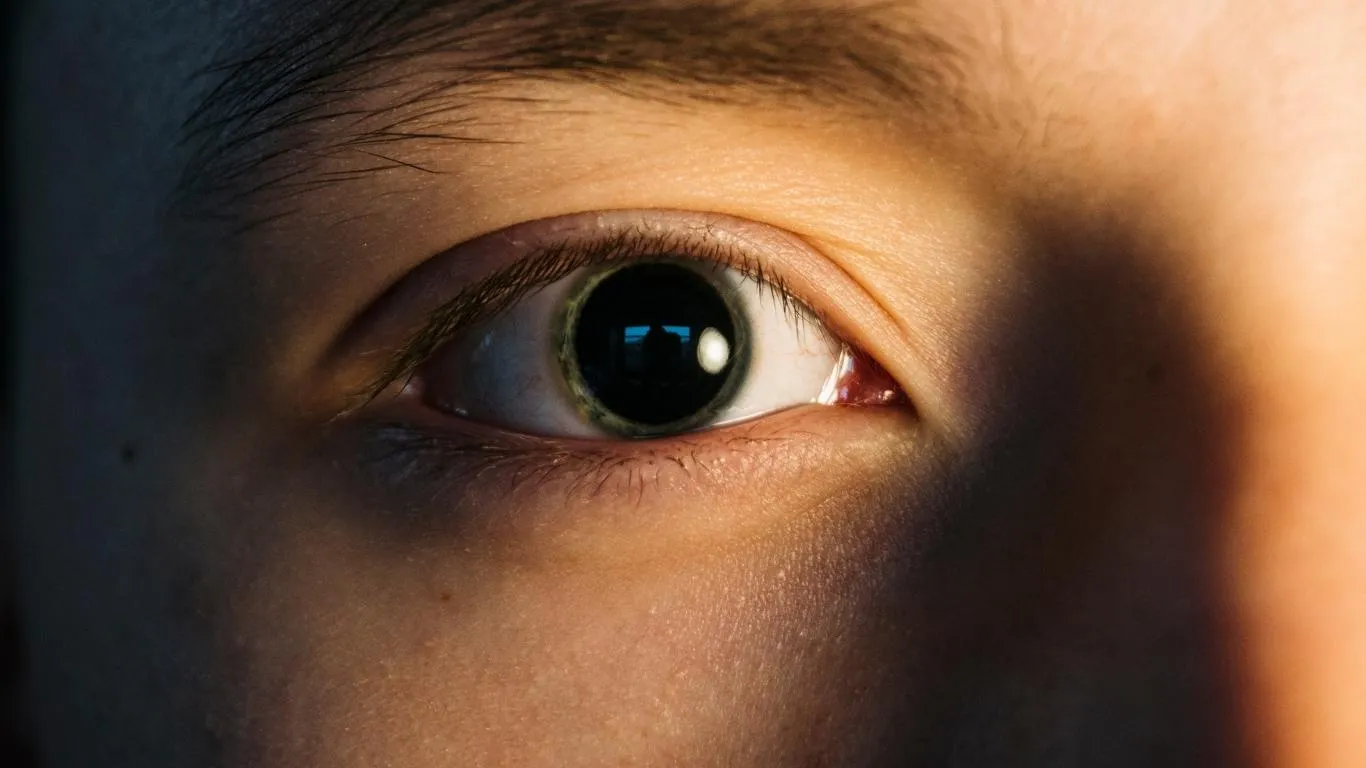
Ever noticed that floaters seem more obvious on bright days or when you look at a blank screen? It’s not your imagination. When your eyes are already tired from sinus pressure, screen glare, or even extended dryness, floaters can seem magnified.
- Light enters the eye more directly when your pupils are constricted — like during daytime.
- Mucus pressure around the sinuses might change your blink pattern, which dries the eyes further.
That’s why using something as simple as blue-light glasses or adjusting screen brightness actually made a big difference for me. Don’t underestimate the power of gentle adjustments.
There’s even some talk about how post-nasal drip can influence tear duct drainage — I found a fascinating angle on that in this article on dry eyes and floaters.
Let’s Talk Gut, Immunity & Systemic Health
Here’s where things get deeper — if you’re constantly getting sinus flare-ups and floaters, it may not just be your sinuses or eyes. Your immune system, gut health, and even hormones could be in play.
I only realized this after reading about autoimmune-related floaters. It explained how certain systemic disorders, like lupus or rheumatoid arthritis, can affect both mucus membranes and the eyes. Mind. Blown.
If your post-nasal drip feels never-ending and your floaters are getting worse, I’d say — consider talking to a functional medicine doc or an integrative eye specialist. Sometimes it’s not just allergies. Sometimes, it’s your body telling you something bigger’s going on.
Foods and supplements that helped me personally:
- Magnesium — helped relax my muscles and reduce sinus tension.
- Vitamin C — boosted my immune response and cleared up mucus faster.
- Turmeric — natural anti-inflammatory, and yes, I noticed less floaty chaos.
You can read more about this in how Vitamin C affects floaters and magnesium’s link to eye clarity.
Sinus Pressure, Anxiety, and the Vicious Cycle
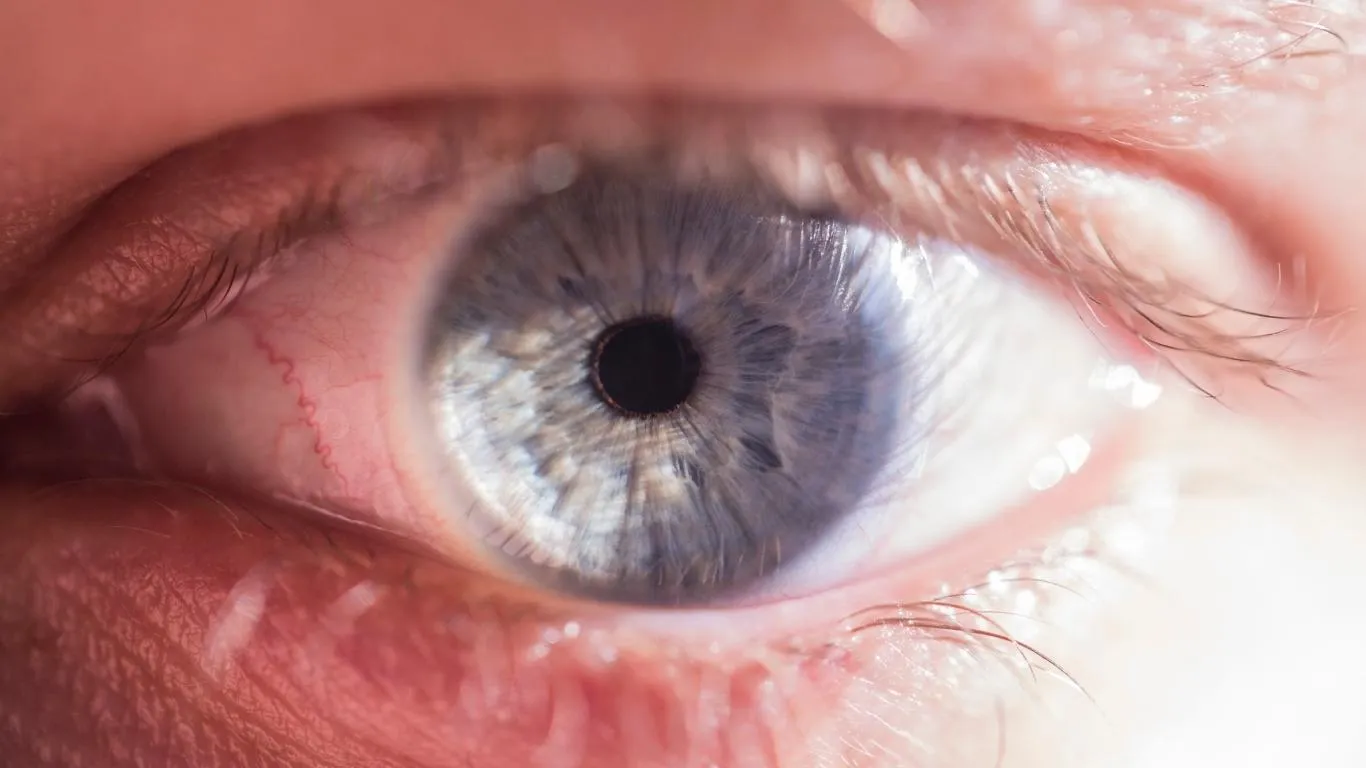
If you’ve dealt with both of these symptoms — the annoying drip and the spooky shadows in your eyes — you might’ve noticed something else too: anxiety. The kind that sneaks up on you and makes everything worse.
Let’s face it, floaters are visually distracting and post-nasal drip is physically irritating. Together? They’re a recipe for hyper-awareness. And that awareness amps up stress, which only makes floaters worse.
Not to get all wellness guru on you, but I found mindfulness, guided breathing, and even short eye exercises really helped break that loop. Especially this one trick: I cup my palms over my eyes for 30 seconds while deep breathing. Total game-changer when both symptoms flare.
When to Get Professional Help
Here’s where I get serious. If your floaters are suddenly increasing, accompanied by flashes of light, side vision loss, or eye pain — don’t wait. I almost did once, and that close call was enough. Sinus symptoms masking a deeper issue is more common than we think.
If your eye floaters coincide with any of the following, book that ophthalmologist appointment:
- Floaters + severe sinus headache behind the eyes
- Floaters + fever or facial swelling (possible infection spread)
- Floaters + vision “curtain” or light flashes
You might find this guide super helpful: What floaters before retinal tear mean. Don’t second guess your instincts.
For a complete breakdown of all treatment options — from observation to surgery — this resource covers it all: Eye Floater Treatments. You might also want to explore this full overview article that ties everything together: Eye Floaters: Causes, Symptoms, and Treatment Options.

Camellia Wulansari is a dedicated Medical Assistant at a local clinic and a passionate health writer at Healthusias.com. With years of hands-on experience in patient care and a deep interest in preventive medicine, she bridges the gap between clinical knowledge and accessible health information. Camellia specializes in writing about digestive health, chronic conditions like GERD and hypertension, respiratory issues, and autoimmune diseases, aiming to empower readers with practical, easy-to-understand insights. When she’s not assisting patients or writing, you’ll find her enjoying quiet mornings with coffee and a medical journal in hand—or jamming to her favorite metal band, Lamb of God.