Serious Consequences of Lifting with Rounded Back
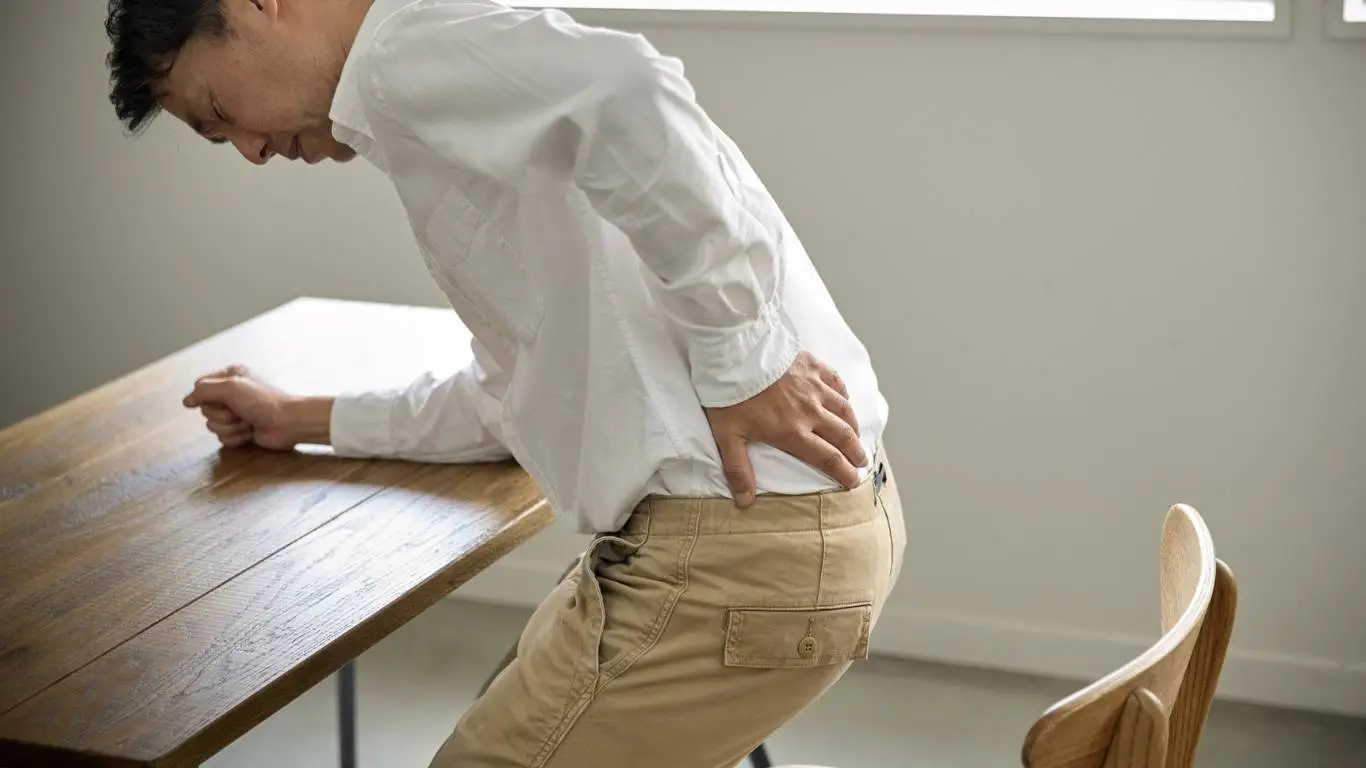
Lifting things wrong isn’t just a bad habit—it’s one of the fastest ways to throw your back out of whack. I learned that the hard way during a rushed move last summer. One hasty lift of a box with a rounded spine, and boom—my lower back locked up like Fort Knox. A few days on the floor with a heating pad and regret taught me this: how you lift matters. Let’s dig into why lifting with a rounded back can mess you up more than you might think.
Why Lifting with a Rounded Back Is a Recipe for Disaster

Most people bend over like a fishing rod to pick up things—rounded spine, stiff legs, zero thought about form. It seems natural, right? But doing that repeatedly places intense pressure on your spinal discs, especially in the lumbar region.
When your back rounds during a lift, you essentially transform your spine into a lever—with your discs and ligaments bearing the brunt. That’s not what they’re built for. Over time, this can lead to:
- Bulging or herniated discs (often mistaken for simple muscle strain)
- Chronic lower back pain that creeps in and refuses to leave
- Weakness or numbness in the legs if nerves get pinched
- Instability or spondylolisthesis in severe cases
Let’s Talk Biomechanics: Your Spine Isn’t Built for This

Your spine has natural curves for a reason. When you round your back, especially under load, you eliminate the shock-absorbing structure of those curves. Picture it like bending a straight ruler—it snaps way easier, right?
Even for people who work out, if they deadlift with poor form (hello ego lifting), they’re still playing with fire. One bad rep can undo months of training. I’ve seen guys at the gym go from lifting big to limping home just because they rushed their form.
Common Muscle Groups Affected
- Erector spinae: overstretched and strained
- Glutes: underutilized when form is wrong
- Hamstrings: often too tight, leading to compensation
- Core: ignored, though it should be driving stability
Want to see what happens when you repeatedly ignore good form? Read this breakdown on herniated discs and poor lifting technique.
Real-World Scenarios That Set You Up for Injury

This isn’t just about gym bros and barbell technique. Everyday tasks mess us up more often than not. Think:
- Lifting your toddler from the floor when you’re half-asleep
- Dragging heavy suitcases without bending your knees
- Yanking wet laundry from a deep washer (yup, been there)
- Shoveling snow or gardening with poor posture
In each case, you’re likely rounding your back, not bracing your core, and using your spine instead of your hips. Over time, it adds up. A lot of these habits are what lead people down the road to chronic work-related back pain.
How to Fix It: Lifting Techniques That Protect Your Spine

You’ve probably heard it before, but let me say it again—lift with your legs, not your back. It’s not just a catchy safety slogan; it’s legit spinal protection advice. Here’s the proper way to lift:
- Stand close to the object with your feet shoulder-width apart.
- Squat down by bending your knees and pushing your hips back.
- Keep your chest up and your back straight (neutral spine).
- Grip the object firmly and engage your core.
- Use your legs to lift—slowly and steadily.
Need a visual? Here’s a guide on smart lifting habits and back pain prevention.
Bonus: Avoid These Common Mistakes
- Twisting while lifting—major no-go
- Lifting while fatigued—your form will always break down
- Holding objects too far from your body—increases lever force
- Wearing poor footwear—stability matters!
What Happens If You Keep Ignoring the Signs?

The real damage doesn’t always show up instantly. Often, you feel a twinge, then a few days of soreness, and then nothing. Until one day you sneeze and your back gives out. That’s because cumulative damage is real.
I brushed off minor tweaks for years—chalked them up to being active or getting older. But after recurring pain, an MRI, and an awkward conversation with a spine specialist, I realized the damage was stacking up silently.
It’s important to be proactive. Issues like degenerative disc disease and lumbar radiculopathy don’t just appear overnight. They’re built from years of movement patterns we don’t correct.
To dive deeper into the causes behind chronic back problems, don’t miss the full breakdown in our Back Pain Causes Pillar. It lays the groundwork for understanding why your habits today shape your pain tomorrow. For a full overview, here’s the Main Back Pain Hub.
Rebuilding and Protecting Your Back for the Long Haul

Once you’ve had even a minor back injury from lifting the wrong way, it sticks in your mind every time you reach for something. I still get flashbacks when bending to grab groceries. But the good news? Recovery isn’t just possible—it’s within reach, and prevention can become second nature. You just have to train your body to work smarter, not harder.
Strengthen the Right Muscle Groups
If you want a bulletproof back, it’s not about doing a million crunches or hyperextensions. You need to strengthen the muscles that stabilize and assist your spine. That includes:
- Glutes: Glute bridges, squats, hip thrusts
- Core: Planks, bird dogs, dead bugs (these saved me)
- Hips: Lateral band walks, step-ups, lunges
- Upper back: Rows, face pulls, scapular retractions
The best yoga stretches for back pain relief are gold for off-days and mobility. Bonus? They feel incredible when you’ve been hunched over all day.
Daily Habits That Protect Your Spine

Lifting may trigger the injury, but what you do the rest of the day either helps your back heal—or keeps it stuck in pain mode. These habits made the biggest difference in my recovery:
- Switch to a standing desk—or at least break long sitting spells hourly
- Invest in lumbar support for your chair and car
- Sleep smarter—a firm mattress and side sleeping with a pillow between the knees saved my mornings
- Foam roll tight hips and hamstrings every evening (game-changer!)
Don’t underestimate the power of ergonomic chairs or a good mattress designed for back pain. Your spine isn’t just a daytime concern—it needs overnight support too.
Recovery Tools That Actually Help

After my initial injury, I tried just about every trick in the book. Some things were a waste, others were absolute lifesavers. Here’s what worked:
- TENS unit: Feels weird at first but great for acute flare-ups
- Heat therapy: Use in the mornings to loosen stiff muscles
- Massage ball: Perfect for hitting tight spots in your glutes and QL
- Cupping therapy: Helped with blood flow and recovery time
If you’ve never tried acupuncture or cupping, I recommend doing it under a licensed pro—it’s oddly relaxing and surprisingly effective. And if you’re considering gadgets, TENS units for pain are worth the small investment.
The Mental Side of Back Pain Most People Miss

This part surprised me the most. Stress doesn’t just affect your mind—it tenses your body. For weeks, I didn’t realize how much jaw clenching and shallow breathing were aggravating my back pain. Once I started daily deep breathing and 10-minute meditations, my pain levels dropped by half.
The mind-body connection is real. Anxiety and chronic pain are partners in crime. There’s a lot of science backing this now too—check resources from Mayo Clinic or NCBI if you want to nerd out.
Backed by experience, mindfulness meditation and even CBT can make long-term back pain easier to manage. Don’t sleep on the mental side of healing.
When to See a Pro—and What to Expect

If your back pain doesn’t ease up within a few weeks—or gets worse with specific movements—it’s time to get it checked. Especially if you feel numbness, tingling, or weakness in your legs. Been there, ignored that, paid the price.
Today’s evaluations aren’t just guesswork. MRIs, nerve studies, even injections are tools that can pinpoint the problem. And not all treatment is surgery—far from it. In fact, conservative care works for most.
Check this guide on conservative back pain treatments before you jump to invasive options. Many people heal completely with PT, strength work, and lifestyle changes.
And if you’re overwhelmed by where to start, take a minute to visit the exercise and rehab guide. It helped me put a plan together when I was totally lost in Google rabbit holes.
Final Words
If there’s one thing I’ve learned—it’s that your back doesn’t get better by accident. It gets better because you pay attention, change how you move, and commit to treating it like the essential core of everything you do. Don’t wait until it breaks to start taking care of it.
Start smart. Lift right. And if you need the big picture on your spine and pain, the Main Back Pain Hub and Pain Causes Overview are a great place to get your head and body aligned.

Camellia Wulansari is a dedicated Medical Assistant at a local clinic and a passionate health writer at Healthusias.com. With years of hands-on experience in patient care and a deep interest in preventive medicine, she bridges the gap between clinical knowledge and accessible health information. Camellia specializes in writing about digestive health, chronic conditions like GERD and hypertension, respiratory issues, and autoimmune diseases, aiming to empower readers with practical, easy-to-understand insights. When she’s not assisting patients or writing, you’ll find her enjoying quiet mornings with coffee and a medical journal in hand—or jamming to her favorite metal band, Lamb of God.