When Floaters Mimic Visual Migraines, It’s Easy to Misjudge
One afternoon while staring at my laptop, I noticed something odd—tiny specks and wavy lines dancing in my peripheral vision. At first, I thought I was having one of those notorious visual migraines I used to get in college, especially during stressful exams. But this felt… different. The shapes didn’t shimmer or disappear after a few minutes like they usually did. They lingered. Annoyingly persistent. That’s when I started wondering: Can floaters mimic visual migraines? Spoiler alert: yes, they absolutely can—and it’s a tricky game to tell the difference.
What Are Eye Floaters, Really?
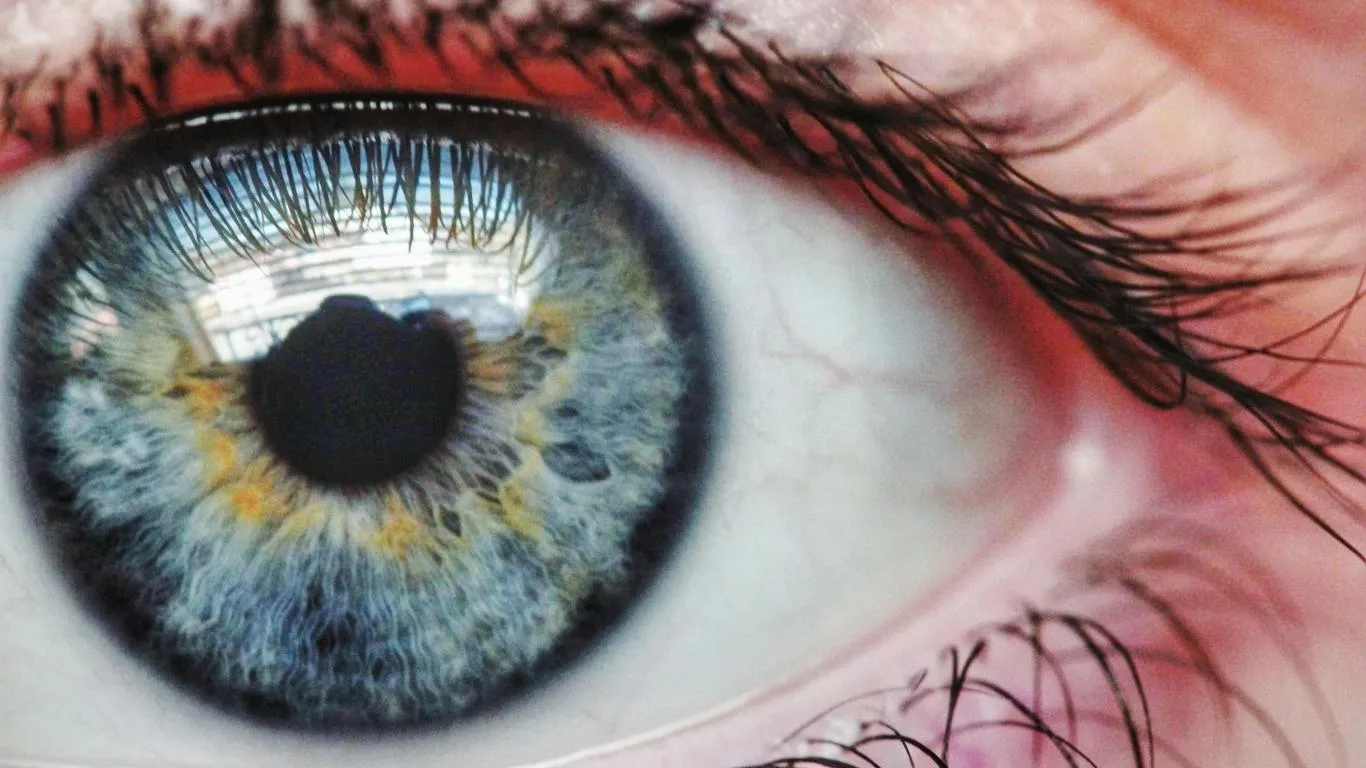
Floaters are those semi-transparent, thread-like blobs that drift across your line of sight, especially against bright backgrounds. You know the type—almost like watching a microscopic jellyfish glide through your field of view. They’re caused by tiny clumps of collagen floating in the vitreous, the gel-like substance inside your eye. With age or injury, that gel starts to shrink and pull away from the retina, making those shadows more visible.
According to Healthusias’ detailed guide, most floaters are harmless. But here’s the twist: their presentation can mimic other serious visual phenomena, like a visual migraine aura. That’s where the confusion—and concern—often begins.
Floaters vs. Visual Migraine Aura: What’s the Difference?
Visual migraines (also known as ocular migraines or migraine with aura) typically start with flashing lights, zigzag patterns, or shimmering waves that spread across your vision and disappear within 20–30 minutes. Unlike floaters, they’re usually symmetrical and occur in both eyes.
Floaters, on the other hand, are persistent. You don’t get a warning, they don’t always fade quickly, and they tend to move when you move your eye. For many people—including me—floaters start appearing gradually and stick around for the long haul.
Key Differences to Look For
- Location: Floaters often affect one eye. Auras affect both eyes equally.
- Duration: Migraine auras fade in under an hour. Floaters can linger indefinitely.
- Appearance: Floaters are gray or transparent shapes; auras are colorful or shimmering.
- Triggers: Auras often come before headaches or stress. Floaters are usually unrelated.
If you’re still unsure, this clarifying breakdown on Healthusias can help you spot the differences.
Why the Confusion Happens
When a floater appears suddenly or in a swarm, the visual disruption can feel like the onset of a migraine aura. It’s especially tricky if you’ve had migraines before. Your brain instantly goes, “Oh no, not again.” But floaters don’t usually follow up with pain—they just hang out, annoyingly.
Aging, dehydration, or even eye strain can increase your chances of seeing floaters. In fact, studies like those from ncbi.nlm.nih.gov show that people with myopia are more prone to them. Ironically, the same group also experiences visual migraines more frequently. Coincidence? Maybe not.
Can Stress Be a Trigger for Both?
Absolutely. Stress is a universal villain. It can trigger migraines, and according to this insightful article on stress-related floaters, it might also worsen existing floaters or make you more sensitive to noticing them. That’s what happened in my case. A string of late-night deadlines and endless screen time sent my vision haywire.
Add poor hydration, lack of sleep, and constant device use to the mix, and you’ve got yourself the perfect recipe for visual chaos. Trust me, your eyes will let you know when they’ve had enough.
Some Warning Signs to Take Seriously
- Sudden burst of floaters, especially after head trauma
- Floaters with light flashes or curtain-like shadows
- Rapid increase in frequency or severity of either floaters or migraines
If any of these apply to you, don’t delay. These could point to a retinal tear or detachment—both of which require immediate attention. This guide on floaters signaling a retinal tear outlines exactly what to look for.
Is It Possible to Experience Both at Once?
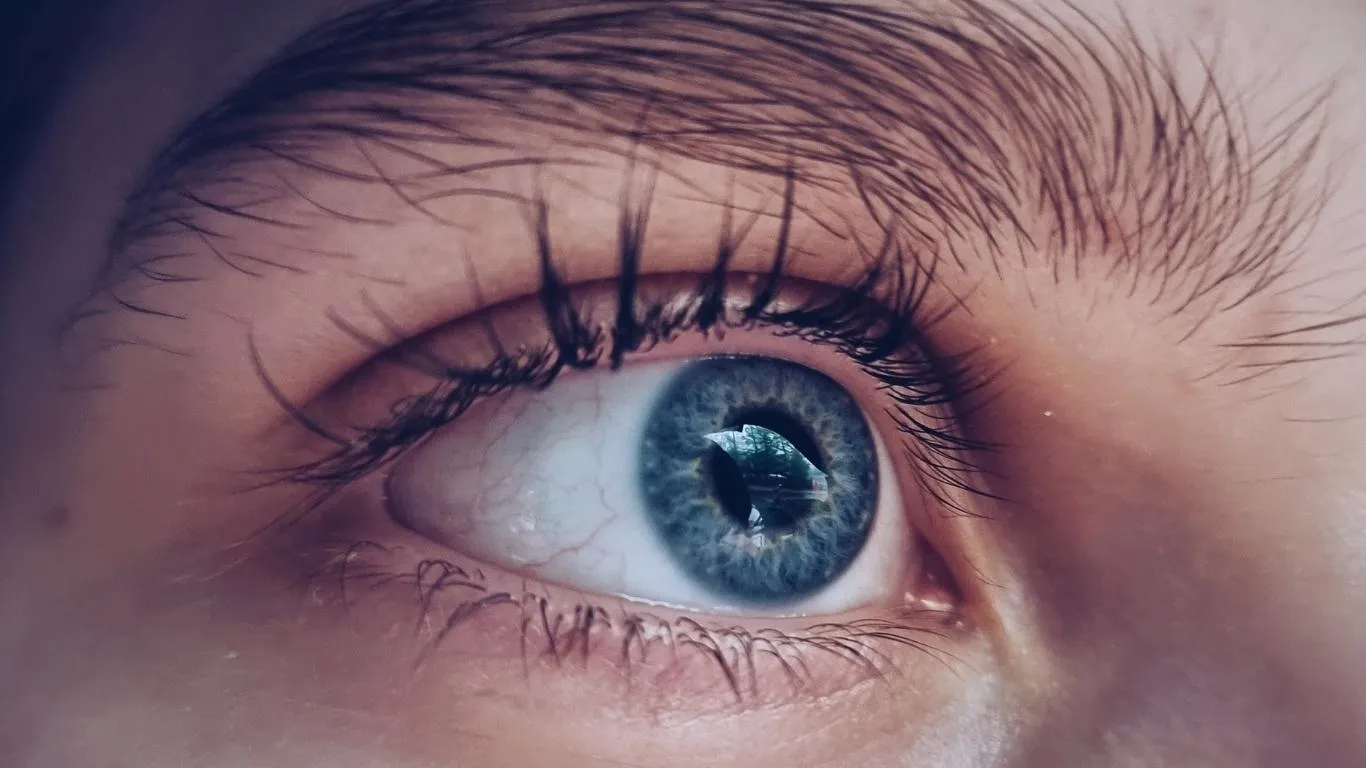
Surprisingly, yes. Some folks (like me) get migraines with aura and have chronic floaters. The tricky part is figuring out what’s causing what when the visuals kick in. One time, I panicked because I thought a new floater was the start of another migraine. It wasn’t. But if your migraines come with photophobia, even normal floaters can feel magnified and disruptive.
You might also experience floaters that only show up during a migraine attack. While not common, it’s been documented in individuals with pre-existing vitreous changes. There’s a great breakdown of how diabetic eye changes intersect with migraines and floaters.
If you’re worried about recurring floaters or suspect they’re tied to another underlying issue, the pilar guide to treatment options is a good place to start. And for a broader understanding of what floaters actually are, visit the main pillar article here.
When Floaters Change — Should You Be Alarmed?
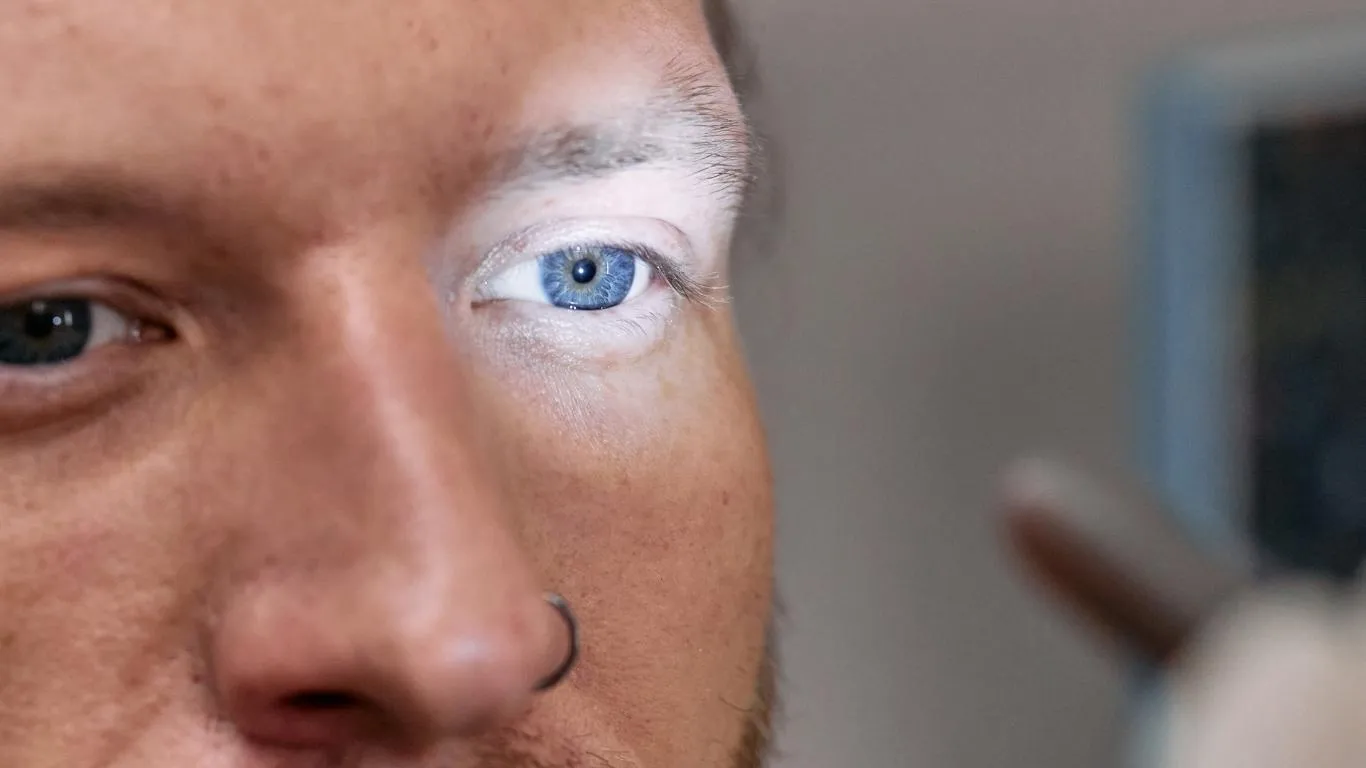
So here’s the deal — not all floaters are static. Over the past year, mine have changed in both shape and frequency. What used to be one tiny squiggle on a sunny day turned into multiple floaters showing up after workouts or during late-night screen time. Naturally, I started to panic. And if that’s happening to you, you’re not being dramatic — your eyes are telling you something.
A sudden change in the pattern, size, or number of floaters could be tied to something more serious like posterior vitreous detachment or even early signs of retinal damage. There’s a solid explanation in this article on PVD, which helped me connect the dots. It’s not always dangerous, but it deserves medical attention.
What Else Can Mimic a Visual Migraine?
- Ocular hypertension — can create blurry or distorted visuals
- Dry eye syndrome — extreme dryness causes “waves” or hazy vision
- Flashes from retinal tugging — often mistaken for aura zigzags
- Screen fatigue — creates false patterns during visual strain
There’s an eye-opening guide on how dry eye issues amplify floater symptoms. I never realized until recently that using air conditioning all day at work made mine worse.
How to Track Your Floaters Without Obsessing
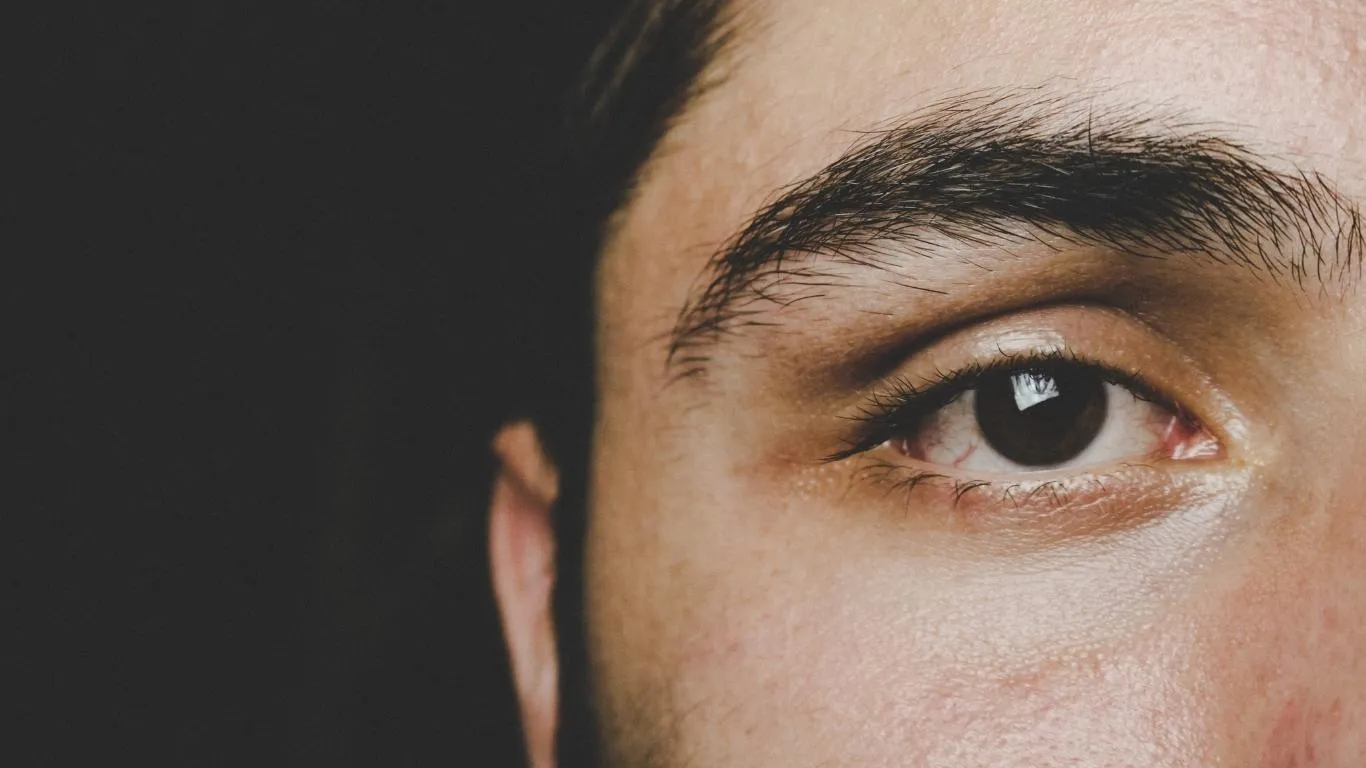
Let’s be honest—once you start seeing floaters, it’s hard to *unsee* them. But don’t fall down the rabbit hole of over-monitoring. That was me for months. I even made a spreadsheet (don’t judge). The smarter way is to:
- Track patterns when floaters are more noticeable (e.g. after meals, sleep deprivation, stress)
- Note new shapes, sudden flashes, or any vision loss
- Set reminders to do a quick self-check, not obsess hourly
This visual tracker guide from Healthusias helped me create a simple, no-pressure system to stay on top of changes without spiraling.
What Your Eye Doctor Wants You to Know
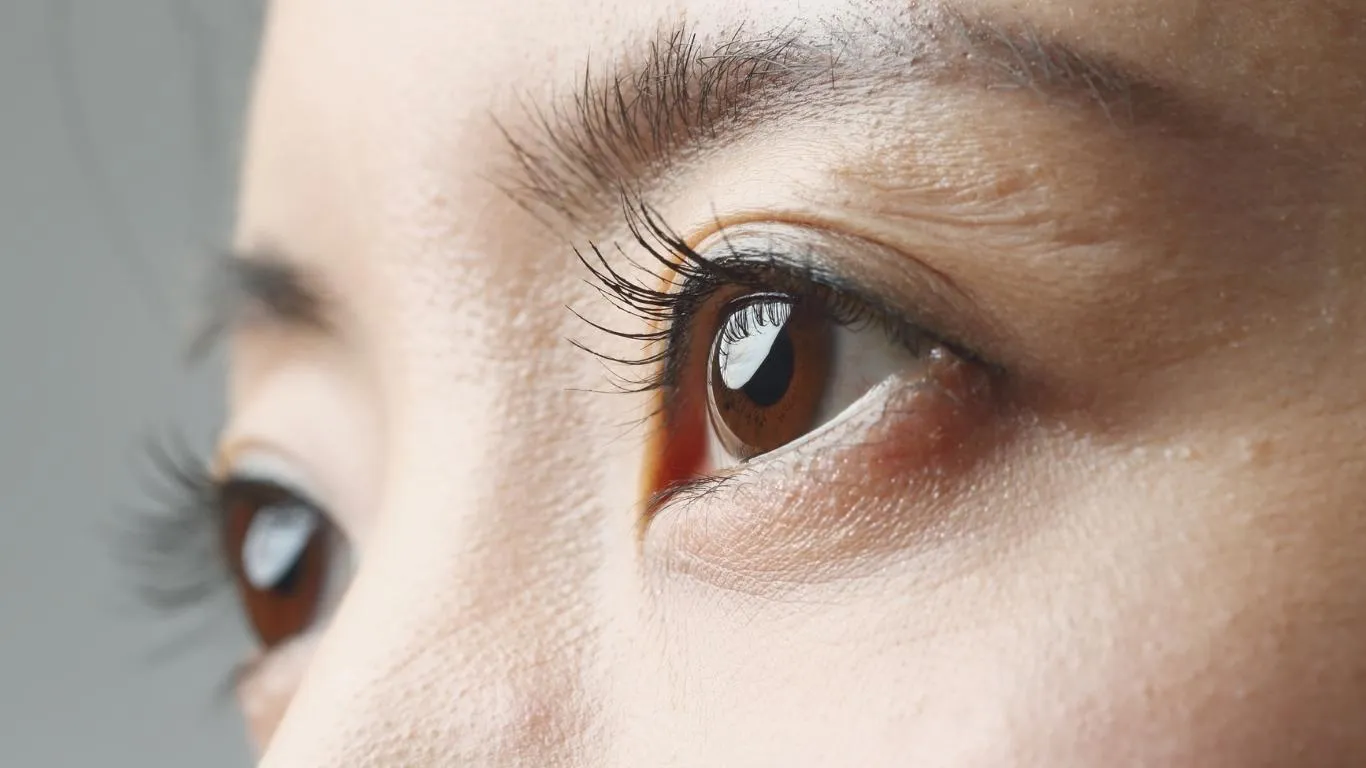
Here’s something eye specialists won’t always spell out: most people live with floaters and are totally fine. But if your floaters feel like they’re mimicking migraines—especially with accompanying symptoms like dizziness, nausea, or vision dimming—book an exam. Don’t assume it’s “just stress.” That’s the trap I fell into, and I wish I’d had my retina checked sooner.
And if you’re like me and tend to research before your appointment (who doesn’t?), this guide to retinal holes and floaters lays out the most common red flags in simple language.
Can Supplements or Diet Help Both Conditions?
I was skeptical about supplements—still am to an extent—but I gave a few a shot when things got really frustrating. After a few weeks on lutein and omega-3s, I did notice a small improvement in how often I noticed floaters. Some also swear by bilberry and vitamin C, though science is mixed.
This article on the best supplements for floaters gave me a clear breakdown of what actually works versus marketing fluff. And if you’re trying to support your body against both migraines and eye stress, starting with whole foods like spinach, avocado, salmon, and citrus is never a bad move.
For a deeper dive, aao.org has published some promising insights into the role of carotenoids in eye health. Pair that with hydration and reduced screen time, and you’re giving your eyes a fighting chance.
When Floaters and Migraines Collide: Stories from the Real World
You’re not alone if you’re dealing with both. I’ve had readers and friends share their experience of floaters becoming more obvious right before a migraine, or migraines becoming more visual after floaters appeared. One friend described seeing shimmering webs right before a migraine—turned out, it was both an aura and early signs of vitreous changes.
There’s still a lot we don’t understand about the overlap. But the growing consensus among optometrists and neurologists is clear: pay attention. Any visual change, especially when it feels off or new, deserves a check.
If you’re juggling chronic migraines and floaters, you may also find this piece on dizziness and floaters especially helpful. It’s one of the more overlooked connections, and I only started making sense of mine after reading it.
What You Can Do Right Now (That Actually Helps)
- Get your eyes dilated and examined annually—non-negotiable if you’re over 35
- Reduce screen time with blue-light filters or timed breaks
- Stay hydrated—it helps with both migraines and floaters
- Use blackout curtains or soft lighting to reduce aura triggers
- Practice simple eye exercises (blink routines, palming, focusing drills)
You don’t need to overhaul your life overnight, but small steps matter. This list of eye exercises is a good place to start. I personally do a few of them before bed, and it helps more than I expected.
Don’t Ignore Your Gut Feeling
Whether it’s floaters mimicking visual migraines or actual overlap between the two, your instinct matters. I let mine slide too many times, chalking it up to stress or bad lighting. But the truth is, any shift in how you see the world—especially patterns that seem familiar but behave differently—deserves curiosity and attention.
You can always start by brushing up on the differences between floaters and similar eye conditions, or dive into the core pillar article here for everything floaters-related. When it comes to your eyes, early awareness is everything.

Camellia Wulansari is a dedicated Medical Assistant at a local clinic and a passionate health writer at Healthusias.com. With years of hands-on experience in patient care and a deep interest in preventive medicine, she bridges the gap between clinical knowledge and accessible health information. Camellia specializes in writing about digestive health, chronic conditions like GERD and hypertension, respiratory issues, and autoimmune diseases, aiming to empower readers with practical, easy-to-understand insights. When she’s not assisting patients or writing, you’ll find her enjoying quiet mornings with coffee and a medical journal in hand—or jamming to her favorite metal band, Lamb of God.