Why Floaters That Mimic Rain in Vision Can Be Alarming
Ever stared at a bright sky or white wall and noticed something odd—like tiny raindrops falling across your vision? You’re not alone. I first noticed it while reading emails on my laptop near a sunny window. At first, I thought it was dust or maybe just tired eyes. But these weird little specs didn’t go away. They danced around like falling drizzle, even when I blinked. It was like rain in my eyes—but without the actual rain. Welcome to the world of floaters that mimic rain in vision.
Why Do Some Floaters Look Like Rain?
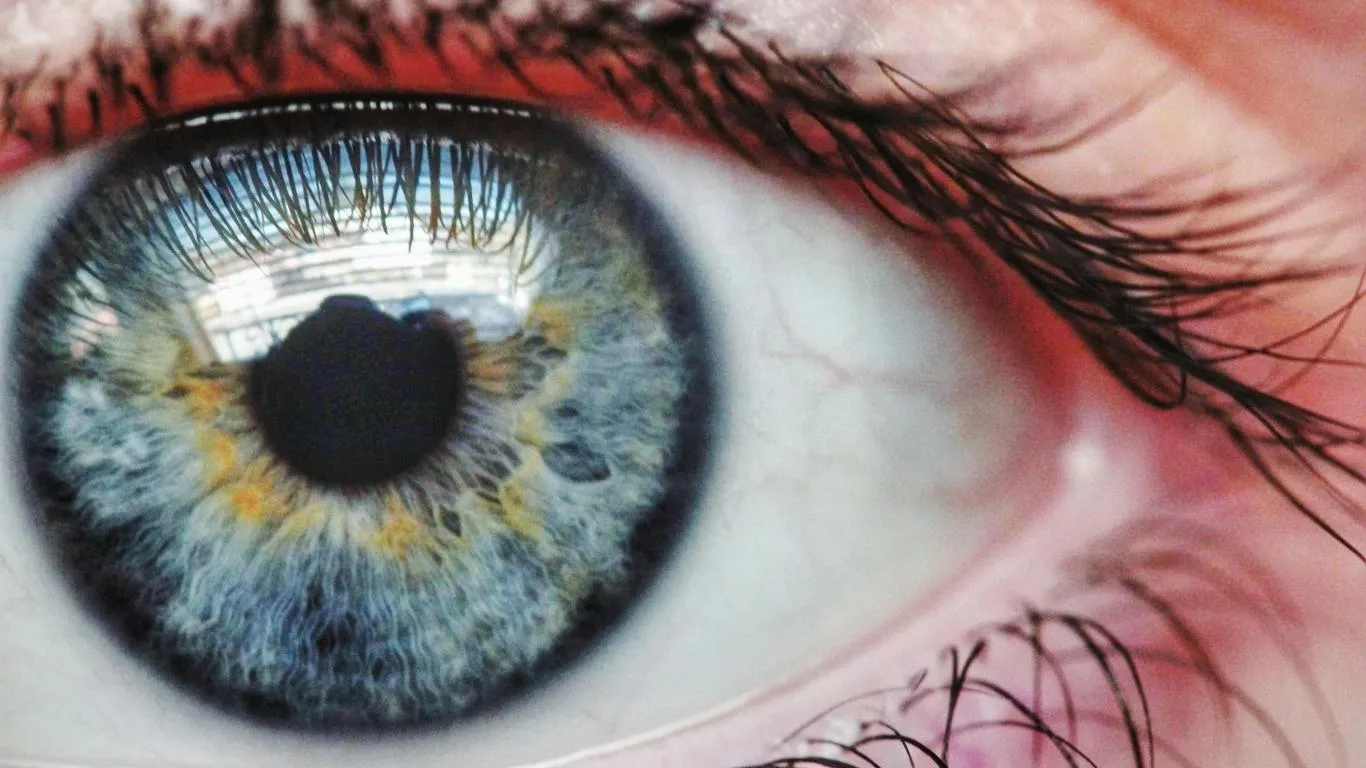
Most floaters are random—little squiggles, dots, or cobwebs. But some people, myself included, experience floaters that genuinely look like rainfall patterns. It’s not just our imagination—this has a lot to do with how light hits the vitreous gel inside the eye.
As we age or due to certain conditions, the gel inside our eye begins to shrink and form clumps. These clumps cast shadows on the retina, appearing to us as floaters. When these clumps are small, numerous, and moving rapidly, especially when light hits them from behind, it can mimic the look of rain trickling down a window.
Movement and Light Play a Role
What’s fascinating—and honestly annoying—is how movement affects these floaters. They appear more intense when you quickly shift your gaze or look at bright backgrounds. It creates a cascade of specks, streaks, or tiny dots—like rain that only you can see.
Are These Floaters Dangerous?
Most aren’t. But floaters that mimic rain can sometimes be a subtle sign of underlying conditions. If they suddenly increase in number or are paired with flashes of light or vision loss, you should consider retinal issues.
I had mine checked during a regular eye exam and thankfully, no major problem was found. But my doctor did mention that rain-like floaters could be associated with early signs of posterior vitreous detachment (PVD).
Conditions That Trigger Raindrop-Like Floaters
- Age-related vitreous changes – As you get older, the gel in your eye liquefies and shrinks.
- Light sensitivity – Bright environments exaggerate the shadow effects of floaters.
- Dehydration – There’s anecdotal evidence that dehydration may make floaters more noticeable. More on that in this useful breakdown.
- Stress and fatigue – These can make floaters seem more prominent, especially when you’re already over-aware of visual changes.
- Blood pressure spikes – High blood pressure episodes can sometimes make floaters seem more “active.” Here’s how your eyes react.
What It’s Like Living With These Floaters
Honestly, it can be exhausting. It’s not just the visuals—it’s the mental energy you use trying to ignore them. Driving during the day? They’re all over the windshield view. Reading a white screen? They follow every scroll. And if you work on screens like I do, it’s even worse.
At one point, I wondered if it was just too much screen time. Spoiler alert: it was part of the problem. Adjusting monitor brightness and using a warmer color scheme helped a bit—but the floaters were still there.
How I Try to Manage Mine
- More breaks away from the screen—sounds cliché, but it makes a difference.
- Drinking more water (seriously, this helped reduce the “storm”).
- Switched from overhead lighting to softer, ambient lighting at home and work.
- Regular eye check-ups, just in case they suddenly change or get worse.
Could It Be Something Else?
Rain-like floaters can sometimes be confused with migraine aura or even early signs of retinal problems. That’s why knowing the difference matters. Floaters move when your eye moves. Auras don’t. Floaters tend to stay within your line of vision and drift away. Auras tend to shimmer or pulse.
If you’re seeing static flashes or zigzag lights along with floaters, it’s time to consult a specialist. According to American Academy of Ophthalmology, sudden new floaters plus flashes could indicate a tear or detachment. That’s not something to brush off.
What Experts Say About “Rainy” Vision
Experts in the field note that floaters that mimic rain often result from a combination of environmental factors and individual eye physiology. According to NIH, vitreous syneresis—the process where the vitreous begins to liquefy—affects nearly everyone by age 60, which can trigger more visible floaters.
And no, you’re not “just being paranoid.” These floaters may be harmless, but they’re very real. You’re seeing shadows of real particles inside your eye. The frustrating part is that most people around you can’t relate unless they’ve had them too.
If you’re noticing consistent rain-like patterns, it might be time to understand the condition more deeply. I personally found this article helpful: Treatment options for eye floaters. You’ll learn what’s out there beyond just “waiting it out.”
To dive deeper into causes, symptoms, and what they mean for your eye health, check this detailed eye floaters main guide. And for a broader overview of different floater-related issues, you can explore this comprehensive pillar article.
Can You Make Rain-Like Floaters Go Away?
I wish I could say yes. But for most of us, floaters—especially those that mimic rain—tend to stick around for a while. In my case, they’ve become less noticeable with time. I’ve had months where I barely saw them, followed by random days where they were everywhere. The good news is that your brain gets better at ignoring them, a process called neuroadaptation.
But if they’re driving you up the wall, there are options. Some are invasive. Others are simple lifestyle tweaks. What works depends on the severity, cause, and how much they interfere with your vision.
1. Observation (Yes, Just Wait It Out)
This is the go-to recommendation from most eye specialists. If the floaters aren’t linked to retinal damage and aren’t causing major vision issues, the safest move is to monitor them. But that doesn’t mean you’re doing nothing. Tracking changes can help. Here’s a great breakdown on how to track your floaters effectively.
2. Vitreolysis (Laser Treatment)
This non-invasive laser procedure targets larger, more bothersome floaters by vaporizing them into smaller, less visible particles. Not everyone is a candidate, though. Some types of floaters—especially the fine, rain-like ones—may be too small or too scattered for laser precision.
3. Vitrectomy (Surgical Removal)
This is the big guns: surgically removing the vitreous gel and replacing it with a clear solution. It’s effective but carries risks—like retinal detachment, infection, or cataracts. It’s usually reserved for extreme cases where vision is truly impacted.
If you’re leaning toward treatment, here’s a more in-depth look at the options: Eye floater treatment breakdown.
Simple Habits That Help Soften the Storm
I’ve experimented with a bunch of small adjustments over the past year. Some didn’t help. But a few made a real difference, especially during work hours or sunny days when the floaters were the most noticeable.
- Switch screen backgrounds – White backgrounds make floaters pop. Using dark mode and warmer color tones reduced the rain effect significantly for me.
- Hydration is key – There’s a surprisingly strong link between hydration and floater visibility. I notice more floaters after salty meals or when I haven’t had enough water. Check out this post on dehydration and floaters.
- Use anti-reflective lighting – Bright LEDs and harsh overhead lights make floaters worse. Try warm-tone desk lights or natural diffused lighting.
- Manage eye strain – Excessive screen use or reading under poor lighting can worsen your perception of floaters. Here’s how eye strain impacts floaters.
What I Learned from My Eye Specialist
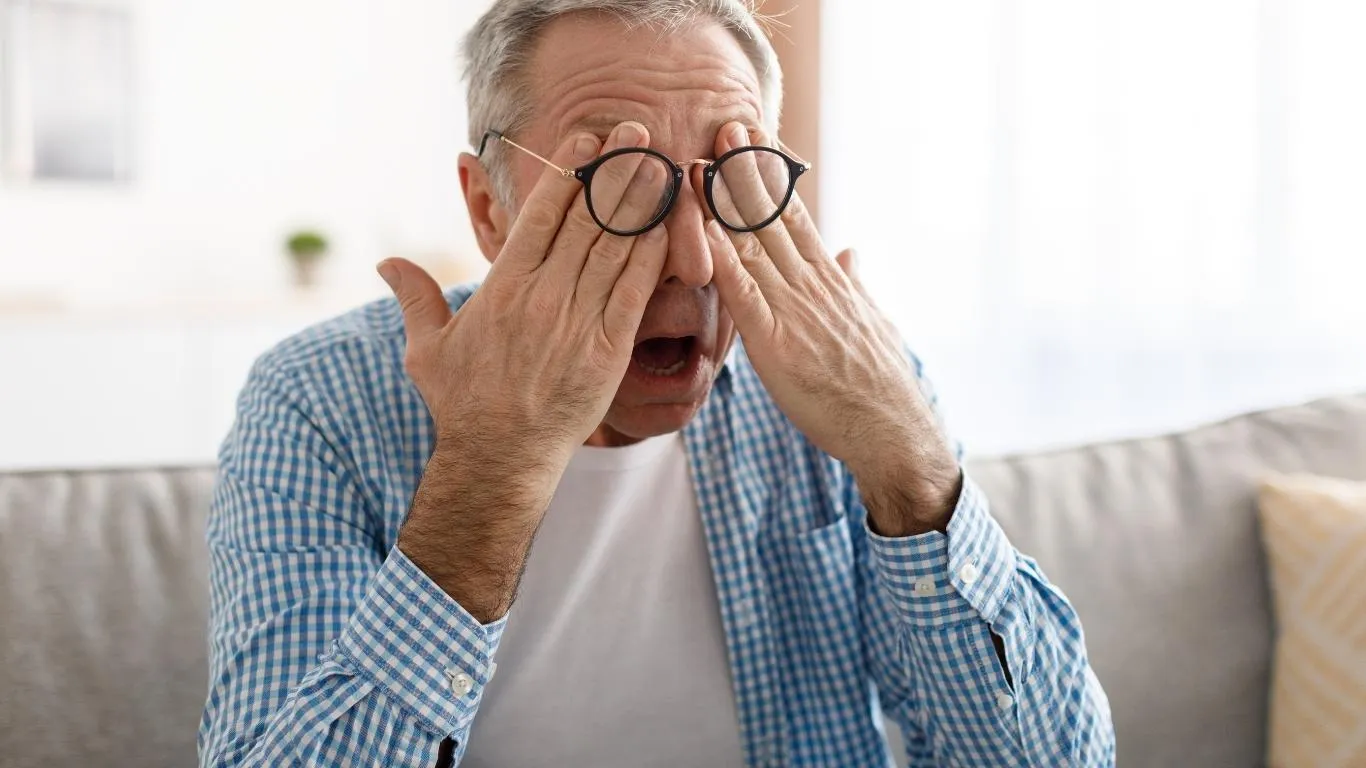
One of the most helpful conversations I had was with a retinal specialist. They walked me through why rain-like floaters are usually benign—but also why they shouldn’t be ignored. Especially if they appear suddenly, multiply fast, or are joined by flashes of light.
The best piece of advice? “Don’t self-diagnose floaters. Get your retina checked.” I did, and thankfully everything checked out. But I’m glad I went. Floaters that seem like rain could point to minor changes or be the early sign of something more serious—especially in people over 40 or with high myopia.
Floaters, Weather, and Weird Triggers
This might sound odd, but I’ve noticed my floaters flare up during certain weather patterns—overcast days, pressure changes, or post-flight. Turns out I’m not crazy. There’s anecdotal and emerging science around environmental triggers.
Altitude, air pressure, and even allergies can impact the eye’s internal pressure and how light interacts with the vitreous. If you’ve had floaters show up after a flight, this might be familiar: Flying and floaters.
Don’t Ignore Sudden Changes
Here’s the deal: most floaters that mimic rain are harmless. But some are not. If you notice a sudden storm of floaters—like dozens appearing at once—or flashes of light in your peripheral vision, get to an eye doctor immediately.
It could mean something more serious, like a retinal tear or detachment. You can learn more about that here: retinal tear warning signs.
Tools and Supplements That Actually Help
Let’s be clear—no supplement magically erases floaters. But some may support vitreous health over time. My doctor suggested trying a few, like those high in lutein, zeaxanthin, and vitamin C. You can check out this deeper dive into supplements for eye floaters.
I’ve also started incorporating more foods rich in antioxidants. Blueberries, leafy greens, and omega-3s are now a regular part of my routine. It’s not a miracle fix, but over time, it seems to help.
Want to learn more about what causes these floaters in the first place and how to stay ahead of them? Read the full overview on eye floaters here.

Camellia Wulansari is a dedicated Medical Assistant at a local clinic and a passionate health writer at Healthusias.com. With years of hands-on experience in patient care and a deep interest in preventive medicine, she bridges the gap between clinical knowledge and accessible health information. Camellia specializes in writing about digestive health, chronic conditions like GERD and hypertension, respiratory issues, and autoimmune diseases, aiming to empower readers with practical, easy-to-understand insights. When she’s not assisting patients or writing, you’ll find her enjoying quiet mornings with coffee and a medical journal in hand—or jamming to her favorite metal band, Lamb of God.