Floaters May Worsen With Vitamin B12 Deficiency
If you’ve ever found yourself staring at a bright sky and noticing tiny drifting shadows in your vision—like translucent worms or dust that won’t go away—you’re definitely not alone. I still remember the first time I saw them, mid-conversation at a café. I blinked, looked around, and realized the “bugs” were inside my own eyes. Eye floaters, they’re called, and while they’re often harmless, their sudden appearance can be both alarming and disruptive. And recently, I found myself diving deep into a question that surprisingly doesn’t get enough attention: Could a vitamin B12 deficiency have anything to do with it?
Understanding Floaters Beyond Just Aging
Eye floaters typically show up as specks, cobwebs, or strands that drift through your field of vision. Most medical articles will tell you that they’re just bits of collagen floating in the vitreous—the jelly-like substance inside your eye. And yes, age plays a role. But what if you’re not even 40 and still dealing with them daily?
Turns out, there are more than a dozen underlying conditions that can trigger floaters, from diabetes and dehydration to autoimmune issues. But one that’s been consistently under the radar is vitamin B12 deficiency. This nutrient is essential for neurological health—and guess what? The eyes are packed with nerve tissue.
While some doctors may not make the connection right away, I’ve personally seen more and more people in online communities reporting floaters alongside other B12 deficiency symptoms: numb fingers, brain fog, fatigue. Could this really be a missing puzzle piece?
What Exactly Does Vitamin B12 Do in the Eyes?
Vitamin B12, or cobalamin, supports nerve function, red blood cell production, and DNA synthesis. It’s crucial for maintaining the protective sheath (myelin) around your nerves—including the optic nerve. When your body is running low on B12, that nerve protection begins to break down, which may lead to symptoms like blurry vision, light sensitivity, and yes—possibly floaters.
Although floaters aren’t officially listed as a direct symptom of B12 deficiency in standard medical textbooks, several case studies and anecdotal reports suggest a potential correlation. If your floaters appeared around the same time as fatigue, tingling hands, or memory issues, you may want to dig deeper.
Scientific Insight
Some eye specialists theorize that a lack of B12 may contribute to vitreous syneresis—a process where the vitreous gel starts to degrade and liquefy earlier than it should. As that gel degenerates, it becomes more prone to floaters forming inside it.
And when it comes to aging eyes, that process can be significantly accelerated if your nutrition is off balance. It’s not just about getting older—it’s about what your body is missing along the way.
Signs You Might Be Low in B12
There are dozens of reasons people become deficient in B12—diet, gut absorption issues, medications like metformin, or simply aging. And the signs can be surprisingly subtle at first. Here are some red flags that often go unnoticed:
- Fatigue that doesn’t go away even with rest
- Tingling or numbness in hands and feet
- Mood swings, anxiety, or brain fog
- Light sensitivity or trouble focusing on text
- Persistent or new-onset floaters
Now, just because you have one or two of these doesn’t mean your B12 levels are tanking, but if you’re seeing multiple symptoms at once, it might be time to request a blood test for methylmalonic acid and homocysteine levels—not just serum B12, which can be misleading.
Can Supplementing with B12 Reduce Floaters?

This is the million-dollar question, isn’t it? I won’t sugarcoat it—there’s no guarantee B12 will make your floaters disappear. But there are cases where people saw significant improvement in their visual symptoms after getting their B12 levels back up. I personally experienced fewer new floaters after a few weeks of high-dose methylcobalamin under my tongue.
Here’s the deal: If your floaters are linked to nerve irritation, retinal strain, or early degenerative changes caused by B12 deficiency, then correcting that imbalance may ease some of the visual “noise.”
- Choose methylcobalamin or hydroxycobalamin over cyanocobalamin—these are active forms your body absorbs better.
- Avoid multivitamins with low B12 content; most only have a tiny fraction of what’s needed to fix a deficiency.
- If you’re older or have absorption issues, consider B12 injections or sublingual tablets instead of pills.
Want a more complete guide on how floaters relate to deeper health issues? Don’t miss this deep dive into common causes of floaters, including inflammation, autoimmune conditions, and more.
And if you’re trying to understand floaters from a foundational level—causes, types, treatment options—check out our core article on what eye floaters are and what you can do about them.
Who’s at Risk for B12-Related Floaters?

If you’ve ever followed a vegan or vegetarian diet, had digestive issues like IBS or low stomach acid, or take medications like PPIs (proton pump inhibitors), you’re at higher risk for B12 depletion. It’s one of those things most people don’t connect until it starts affecting their vision, memory, or energy levels.
Even younger adults are reporting this. I’ve had readers in their late 20s ask why they’re getting floaters despite perfect vision and no eye trauma. The answer isn’t always in the eyes—it’s sometimes in the gut, the blood, or the vitamins we forget to track.
Need Help Identifying Triggers?
Explore why floaters worsen when you’re fatigued or how dry eye syndrome might be amplifying your symptoms.
It’s not just about age. It’s about awareness—and vitamin B12 could be playing a bigger role than we think.
How Long Does It Take to See Changes After Correcting B12 Levels?
Let me be real with you—if you’re expecting floaters to vanish overnight after a single B12 shot, that’s not how it works. Based on both research and personal accounts I’ve read, most people who do experience improvement notice changes after 4–8 weeks of consistent supplementation. Some say their floaters stopped multiplying, others report better contrast sensitivity or less “visual snow.”
Floaters caused by structural damage may not fully go away, but early intervention can slow or halt progression. If nerve-related, there’s a chance of partial reversal—especially if your deficiency hasn’t gone on too long.
One thing I learned: it’s essential to fix underlying absorption issues too. Just popping a B12 pill doesn’t mean it’s doing its job, especially if you have low stomach acid, take antacids, or have diabetes, which impacts nutrient delivery.
Other Nutrients That Work with B12 for Eye Health

Focusing solely on B12 is important, but it’s rarely the only player. I made bigger strides when I started supporting my overall eye and nerve health with a combo of these:
- Vitamin B6 & Folate – They work together with B12 in the methylation cycle, vital for nerve repair and detox.
- Magnesium – Supports nerve function, reduces muscle twitches around the eyes, and can reduce light sensitivity.
- Omega-3 Fatty Acids – Help improve vitreous fluid quality and reduce inflammation inside the eyes.
- Lutein & Zeaxanthin – Protect against oxidative damage and support the retina directly.
Eye health is never isolated. It’s all connected—nervous system, vascular health, detox pathways. That’s why supporting your system holistically can make such a difference when floaters are part of the picture.
If you want to explore natural approaches further, check out this practical breakdown of diet changes that can improve floaters naturally.
Who Should Get Tested?

If you’re experiencing any of the following along with floaters, it might be time to get your B12 levels checked—even if your doctor hasn’t brought it up:
- Ongoing fatigue despite adequate sleep
- Brain fog, word recall issues, or slow thinking
- Burning, tingling, or numbness in your hands/feet
- New floaters without known eye trauma or aging
- History of vegan/vegetarian diet, gut issues, or chronic use of PPIs
And here’s something many don’t realize: even if your serum B12 is “normal,” it could still be functionally low. That’s why looking at homocysteine and methylmalonic acid (MMA) gives a better picture of what’s going on.
I wish more people knew this earlier. I spent months treating my eyes topically when the problem was systemic. A simple blood test changed everything.
Can B12 Deficiency Lead to More Serious Eye Damage?
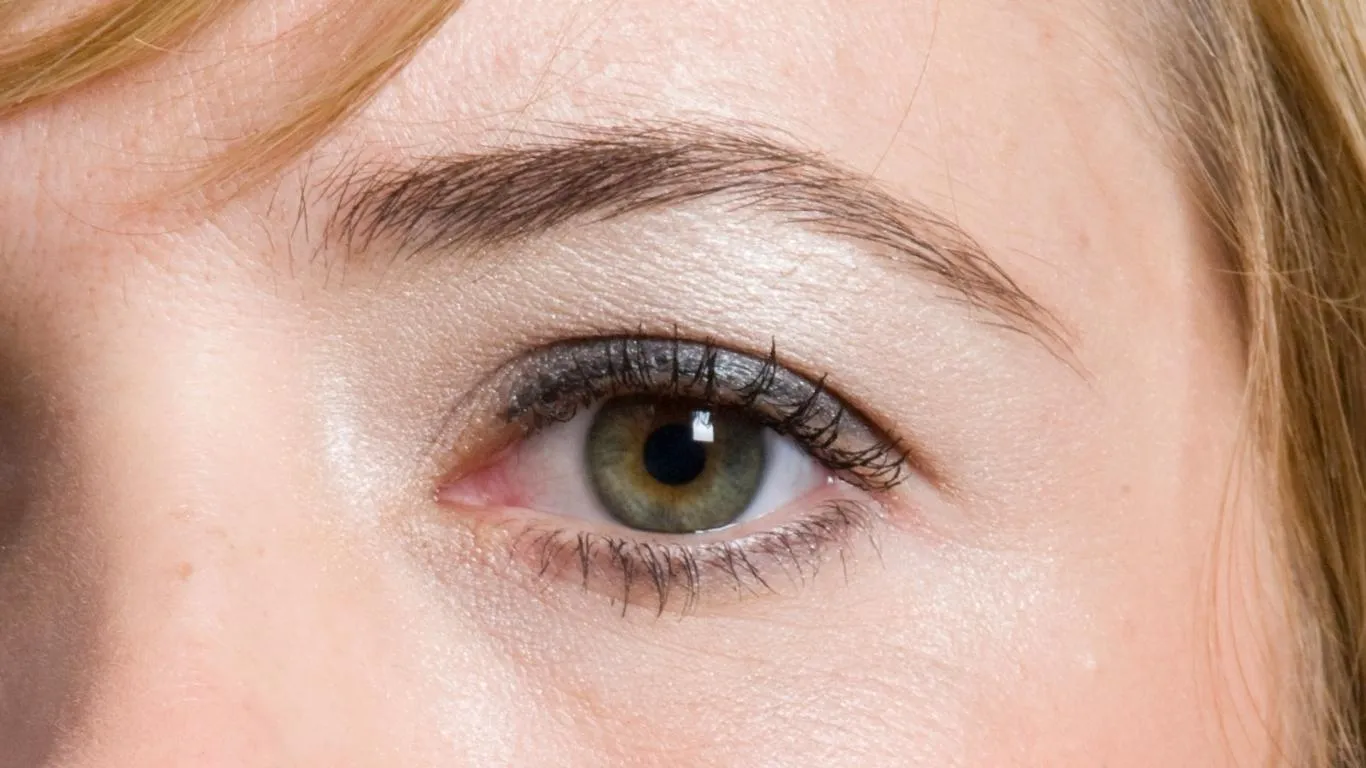
Yes—this isn’t just about floaters being annoying. Severe or prolonged B12 deficiency can lead to optic neuropathy, which may cause permanent vision loss. The optic nerve needs B12 to function and repair. Damage here is slow, subtle, and often missed until it’s too late.
If floaters are part of a broader picture including blurry vision or color desaturation, don’t dismiss them. They could be your body’s early warning sign.
For many, floaters are benign. But for some, they’re a clue—an invitation to look deeper into your health. And vitamin B12? It’s one of the most overlooked suspects.
How to Choose the Right B12 Supplement

There are a few forms of B12 out there, and not all are equal. Here’s what I’ve learned from both research and trying them myself:
- Methylcobalamin – The bioactive form. Great for nerve repair, commonly recommended for vision support.
- Hydroxycobalamin – A longer-acting version often used in injections. Useful for sustained levels.
- Cyanocobalamin – Synthetic and cheap. Works for many, but less ideal for people with methylation issues.
Delivery method matters too. Sublingual tablets, nasal sprays, or injections bypass the gut and work better if you have absorption problems.
Still unsure where to start? You might benefit from reading this detailed guide on how to distinguish floaters from more serious eye problems.
Support from Experts: What the Research Says

While there’s no mountain of randomized trials linking floaters directly to B12 deficiency, there’s growing acknowledgment in functional medicine circles. Studies in ncbi.nlm.nih.gov and articles from aao.org note the role of nutritional deficiencies in early optic dysfunctions, especially B-complex vitamins.
Some ophthalmologists are even beginning to ask about diet and supplementation as part of floaters diagnosis—a shift I wish had started sooner.
If your own eye doctor isn’t yet considering these factors, don’t be afraid to advocate for testing. It’s your body—and your vision.
Next Steps If You Suspect a Connection

Here’s a quick plan I followed that helped me figure out the root of my floaters and start healing:
- Test your B12, MMA, and homocysteine levels
- Switch to a bioavailable form of B12 (methyl or hydroxy)
- Track floaters daily—note changes in frequency, size, and shape
- Clean up your diet and cut back on inflammation triggers
- Support your gut and absorption (probiotics, digestive enzymes, or address underlying issues)
Curious how your floaters compare to others’? You may want to explore how floaters move with eye motion or how even young adults experience them due to deficiencies.
And remember—this isn’t about quick fixes. It’s about giving your body what it needs to function properly. When you do that, your vision can stabilize, and sometimes, even clear up.
For more detailed insights into other root causes of floaters and advanced treatment options, don’t miss our in-depth piece on floaters treatment pathways.

Camellia Wulansari is a dedicated Medical Assistant at a local clinic and a passionate health writer at Healthusias.com. With years of hands-on experience in patient care and a deep interest in preventive medicine, she bridges the gap between clinical knowledge and accessible health information. Camellia specializes in writing about digestive health, chronic conditions like GERD and hypertension, respiratory issues, and autoimmune diseases, aiming to empower readers with practical, easy-to-understand insights. When she’s not assisting patients or writing, you’ll find her enjoying quiet mornings with coffee and a medical journal in hand—or jamming to her favorite metal band, Lamb of God.