Triggers For Health Anxiety Flare-Ups That Secretly Sabotage Peace
It’s wild how one small sensation in your body—like a flutter in the chest or a random twinge—can send your brain spiraling into a full-on medical drama. I’ve been there more times than I’d like to admit. If you’re someone who deals with health anxiety, you probably know the routine: Google search, symptom checker, worst-case scenario, repeat. But here’s what often gets overlooked—the triggers. The seemingly harmless moments that quietly spark the whole flare-up. Understanding those triggers for health anxiety flare-ups might just be one of the most powerful things you can do to take back control.
How Everyday Sensory Cues Quietly Spark Anxiety
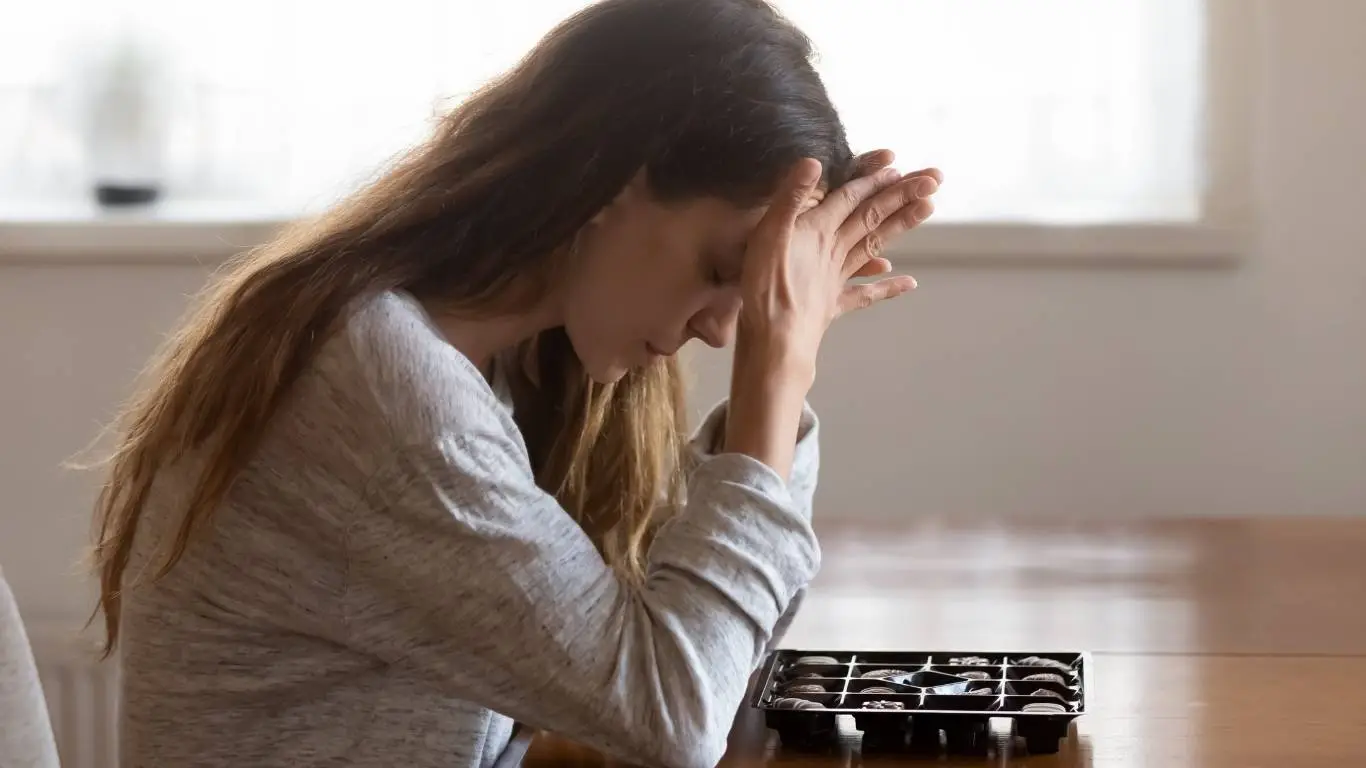
Let’s start with the subtle stuff—physical sensations. A weird muscle twitch, a slight chest tightness, or a skipped heartbeat can feel massive when your brain is already on edge. The truth is, people with health anxiety often have heightened interoception—that’s a fancy term for being hyper-aware of internal bodily sensations. It’s like your brain has a magnifying glass, and every tiny bodily hiccup becomes a red flag.
But this sensitivity isn’t always about fear. Sometimes it’s habit. The brain learns to scan and interpret every bodily cue as potential danger. That skipped beat? Probably just caffeine. But to someone with health anxiety, it could mean a heart issue. I’ve spent nights wide awake wondering if that weird thump in my chest meant a trip to the ER.
What helps here is building a kind of mental “pause button.” Cognitive Behavioral Therapy (CBT) is amazing at teaching how to reframe these interpretations. There’s a great guide on CBT steps for anxiety if you want to explore this further.
Information Overload: The Internet as an Anxiety Amplifier

Ah, Dr. Google—the best and worst therapist rolled into one. Searching symptoms online can escalate from “mild cough” to “terminal illness” in under two clicks. And if you’re like me, you know the spiral: you keep searching for reassurance, but all you find is fear.
But it’s not just the search engines. Social media, podcasts, even well-meaning wellness blogs can trigger flare-ups. A casual mention of a rare illness can sit in your brain for weeks. This phenomenon even has a name: cyberchondria.
That’s why setting clear boundaries around information is essential. Not all health content is created equal. Stick with reputable domains like Mayo Clinic, NIH, or Cleveland Clinic. And avoid rabbit holes that lead to nowhere but panic.
The Emotional Flashbacks That No One Talks About
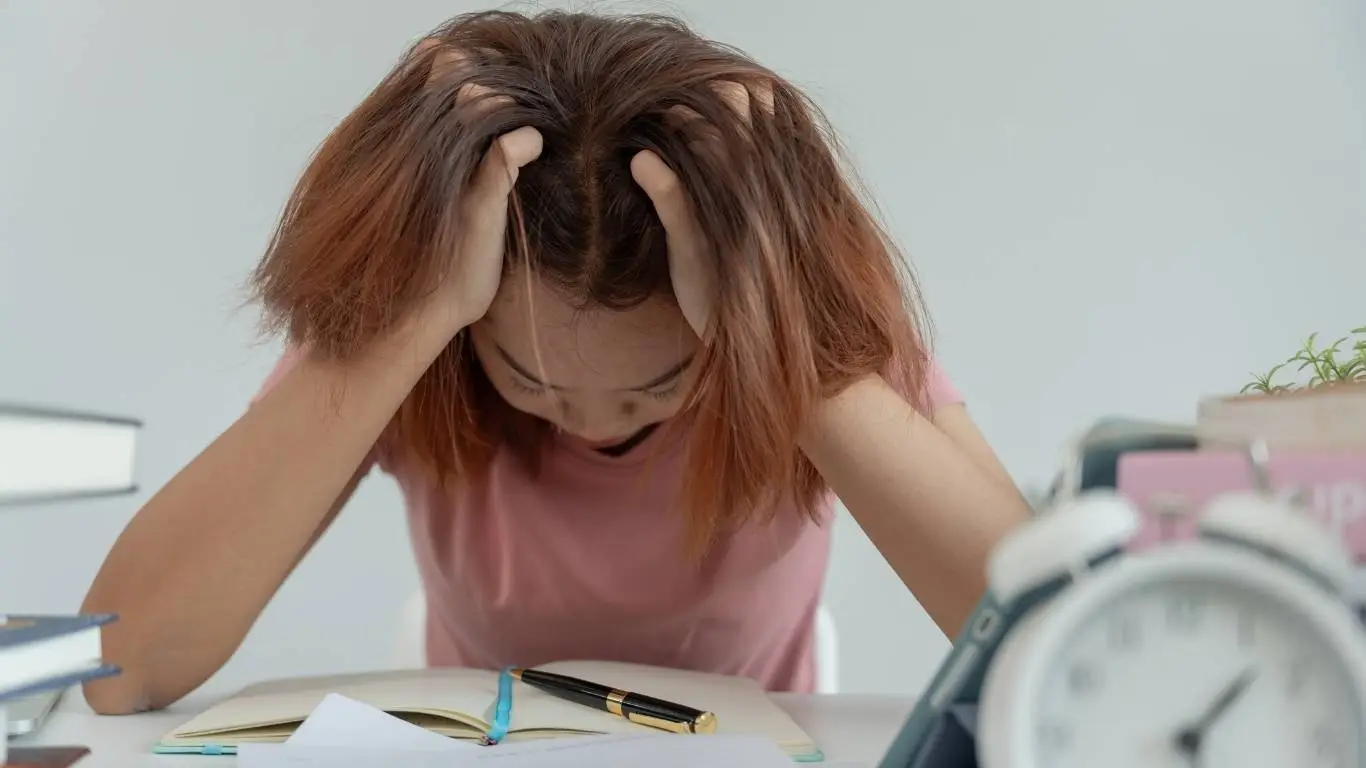
Here’s something that surprised me: emotional memory is a powerful trigger. If you’ve ever had a traumatic health experience—maybe a misdiagnosis, a scary ER visit, or even a loved one’s illness—those emotional echoes don’t just vanish. They resurface when something reminds your brain of that original fear.
It could be as simple as walking past a hospital or smelling rubbing alcohol. These aren’t just triggers—they’re emotional flashbacks. They can reignite your fear in ways that seem disconnected at first. I still get anxious when I hear a heart monitor beep in a movie. My brain connects it to a hospital stay years ago.
Addressing these emotional echoes often requires more than logic. Therapies like EMDR can help reprocess those memories. I highly recommend checking out how EMDR therapy transforms anxiety linked to trauma triggers.
When Stress Builds Quietly in the Background
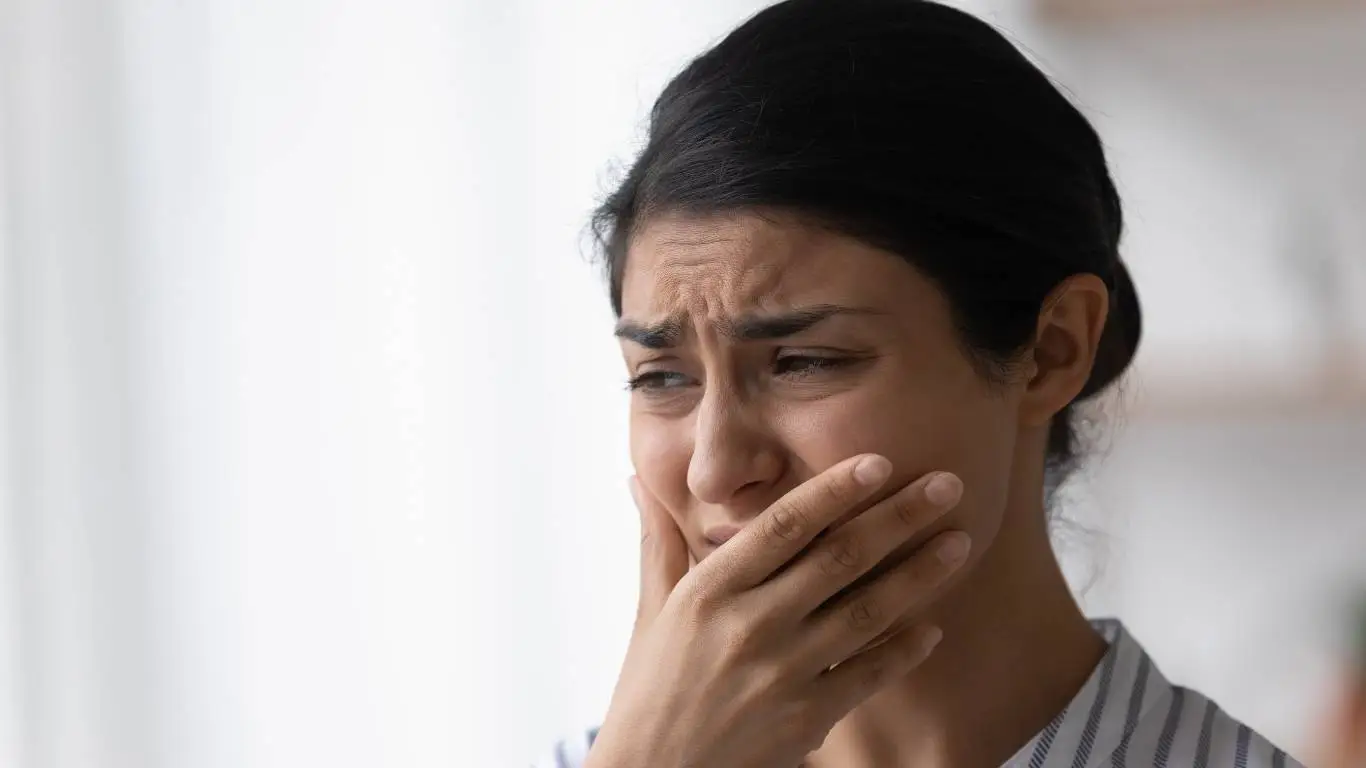
Not all flare-ups come from obvious physical or emotional cues. Sometimes, it’s just stress stacking quietly in the background. Financial strain, work pressure, relationship issues—all of it compounds. And when your brain is already wired for anxiety, that stress finds its way out through health fear.
Think of stress like a bucket. Every little stressor fills it a bit more. Health anxiety? That’s often what overflows the bucket. Learning to manage baseline stress can reduce those spillover moments. Practices like progressive muscle relaxation and breathwork have helped me reset when I feel the tension rising. Here’s a great list of breathing techniques that actually calm your system.
Hormones and the Physical Body’s Role

For some, health anxiety flare-ups are linked to the body’s hormonal rhythm. Especially for women, fluctuations around menstrual cycles, pregnancy, postpartum, or perimenopause can spark new or worsened symptoms. Even thyroid issues or blood sugar drops can feel like anxiety attacks.
What’s wild is that you may not even realize the connection at first. I didn’t. But tracking symptoms alongside my cycle helped me notice patterns. If your anxiety flares feel cyclical, it’s worth exploring hormone health with a trusted provider.
There’s a deep dive into this on how hormonal imbalances affect anxiety. It opened my eyes to the bigger picture beyond just brain-based fear.
The Isolation Spiral: When You Start Avoiding Life

One of the hardest parts of living with health anxiety is the isolation. You start avoiding things—not because you want to, but because of the “what ifs.” What if I get sick in public? What if I faint? What if there’s no help around?
This avoidance becomes a trap. You stay home to feel safe, but end up reinforcing the fear. I remember canceling plans, skipping events, even avoiding calls with friends because I didn’t want to talk about how anxious I was.
If this resonates, read this guide on how anxiety affects daily life. It breaks down the invisible toll anxiety takes—and how to start reclaiming space, one step at a time.
Want to go deeper into recognizing and decoding your anxiety symptoms? The main breakdown of anxiety symptoms is a good place to start. And if you want to understand how this all connects to bigger patterns, the core article on how anxiety silently disrupts life is one of the most important reads on this topic.
Why Recovery and Rest Can Feel Unsafe
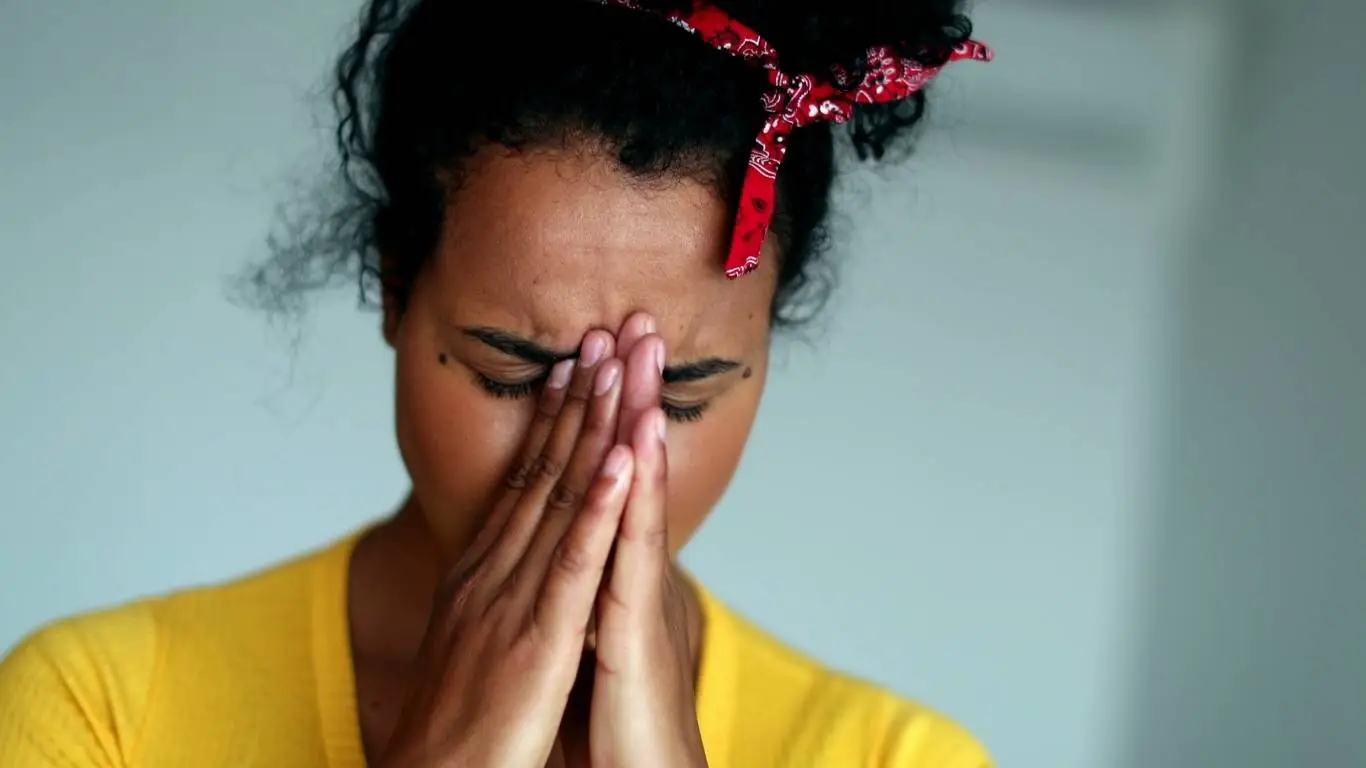
Here’s a weird paradox I didn’t see coming—sometimes, the calm moments make me more anxious. After a particularly intense anxiety flare-up, there’s this uncomfortable silence. And instead of feeling relief, my brain goes: “Okay, what’s next? What if this is the calm before the storm?”
This fear of feeling okay is real. For some of us, our nervous system has been stuck in “fight or flight” for so long that relaxation feels unfamiliar, even threatening. You might feel restless when resting, or get anxious when your symptoms suddenly disappear—like you’re just waiting for the other shoe to drop.
Learning how to be okay with stillness takes time. Practices like mindfulness and body scanning have helped me feel grounded instead of guarded during quiet periods. If this sounds familiar, there’s a solid piece on why mindfulness really helps with anxiety. It’s not just trendy—it works.
Food, Stimulants, and Sneaky Biological Triggers

Raise your hand if you’ve ever mistaken a caffeine buzz for a heart attack. Yeah, me too. Certain foods and drinks—especially those high in sugar, caffeine, or artificial additives—can trigger real physical sensations that mimic anxiety. And when your brain is wired to fear those sensations? Flare-up city.
It’s not about cutting everything out cold turkey. But it is worth noticing patterns. For instance, I learned that drinking coffee on an empty stomach guarantees I’ll feel jittery—and not in a fun way. Even low doses of caffeine can tip me over on high-stress days.
Also, gut health matters more than most people think. There’s increasing research on the gut-brain connection and how imbalances in your microbiome can impact anxiety. I started incorporating more probiotics and foods that support calmness, and the shift was noticeable.
Medical Settings and Appointments as Anxiety Landmines

I’ll be honest—just seeing a white coat is enough to spike my blood pressure. Health anxiety makes doctor visits incredibly stressful. Even routine checkups can trigger panic, because the mind jumps to worst-case scenarios.
For some, the anxiety hits before the visit, spiraling in anticipation. For others, it shows up after, even if everything goes fine. It’s that lingering doubt: “Did they miss something?”
There are coping strategies that help. Writing down questions in advance, bringing a support person, or using calming breathing before and after the visit can make a difference. This breakdown on navigating anxiety around medical issues really nails what it’s like—and how to cope.
The Role of Sleep Deprivation and Nighttime Triggers

Nighttime is prime time for health anxiety. When the world quiets down, the inner noise gets louder. Sleepless nights, racing thoughts, and body scans—it’s the perfect storm. I can’t count how many times I’ve woken up in a panic over a strange dream or a skipped heartbeat.
The irony? Poor sleep actually worsens anxiety symptoms. And anxiety worsens sleep. It’s a vicious cycle. Getting even slightly better rest can drastically reduce flare-ups. What helped me was building a calming bedtime routine and limiting screens (as much as I love doomscrolling).
If sleep is your weak point, this breakdown on sleep and anxiety is gold. Small changes can have a big ripple effect.
Social Triggers That Catch You Off Guard

Social settings can be sneaky triggers. You might be feeling fine until someone casually mentions a health scare, a friend talks about a relative’s illness, or a random conversation brings up a disease you hadn’t thought about in months.
Even just being around others when you’re worried about your body can amplify discomfort. I used to avoid crowded places—not because of the people, but because I was scared of having a “health episode” in public.
If you’ve felt this, it’s worth reading this excellent post on social anxiety and its quiet hold. Even though it’s framed for teens, the triggers and responses are strikingly relatable across all ages.
When You’re Doing Everything Right… and Still Flare

This is probably the most frustrating part: when you’re journaling, meditating, exercising, eating clean—and the anxiety still finds a way in. It can feel like failure. But it’s not. Health anxiety isn’t something you “fix” with a checklist. It’s something you learn to live with, with more ease and less fear over time.
There are days I still flare up for no obvious reason. But now I know it doesn’t mean I’m back to square one. Recovery isn’t a straight line—it’s a spiral. If you need a refresher on the full picture of how anxiety shows up differently, that post is a solid one to keep bookmarked.
And if you’re looking to understand how all of this quietly seeps into your daily routine, don’t miss the core write-up on how anxiety takes over your life behind the scenes. It changed how I saw my own patterns—and that was the first step to shifting them.

Camellia Wulansari is a dedicated Medical Assistant at a local clinic and a passionate health writer at Healthusias.com. With years of hands-on experience in patient care and a deep interest in preventive medicine, she bridges the gap between clinical knowledge and accessible health information. Camellia specializes in writing about digestive health, chronic conditions like GERD and hypertension, respiratory issues, and autoimmune diseases, aiming to empower readers with practical, easy-to-understand insights. When she’s not assisting patients or writing, you’ll find her enjoying quiet mornings with coffee and a medical journal in hand—or jamming to her favorite metal band, Lamb of God.