Why a Percussion Massage Gun for Lower Back Pain Is a Game Changer
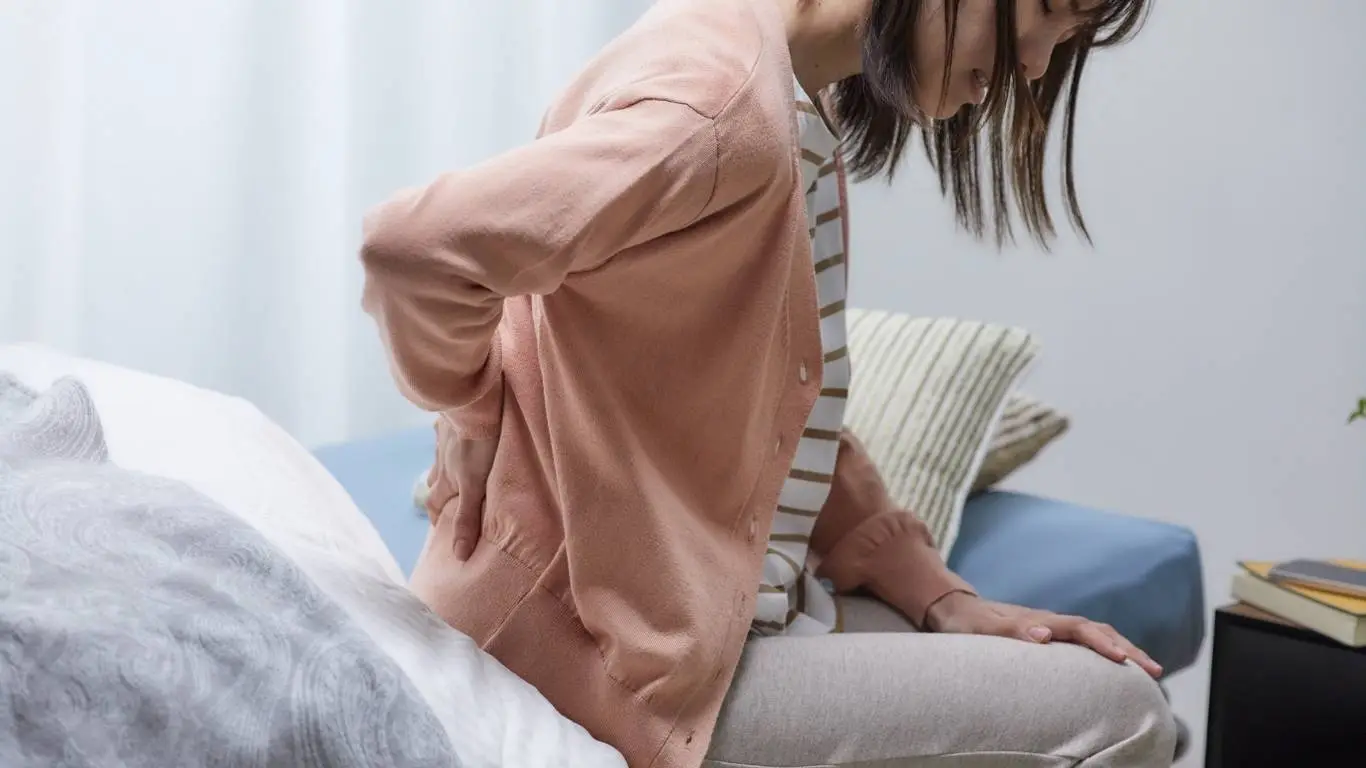
Last year, after an intense week of yard work, I found myself with a stiff, aching lower back that refused to cooperate. I had tried the usual suspects—ice packs, stretching, even pain relievers—but nothing offered lasting relief. A friend swore by his percussion massage gun, and at first, I was skeptical. I mean, how could a handheld, buzzing device make that much of a difference? But after just a few sessions, I was eating my own words. The relief was real. And now, as someone who uses it regularly, I’ve got a thing or two to share with you about why a percussion massage gun might just be your new back’s best friend—especially if you’re struggling with that stubborn lower back pain.
How Percussion Massage Guns Work on Lower Back Pain

Percussion massage guns work by delivering rapid bursts of pressure deep into your muscle tissue—think of it as high-intensity tapping. Unlike traditional massage, which uses kneading or rolling motions, these devices send vertical pulses straight into the muscle layers. That’s exactly what makes them especially effective for the lower back, where tightness can hide beneath several layers of muscle and fascia.
Breaking Down Muscle Tension
If you’ve ever felt like your back is in a knot, you’re not alone. The lower back supports nearly every movement we make, and over time, it can accumulate serious tension. Percussion massage helps release those trigger points by:
- Increasing blood flow to tight areas
- Encouraging myofascial release
- Improving lymphatic drainage
It’s why athletes and physical therapists alike swear by these devices for faster recovery. Trigger points in back muscles are notoriously stubborn, but percussion can dislodge them more efficiently than passive stretches or foam rollers alone.
Beyond Muscle: Neurological Benefits
What surprised me the most was how percussion massage doesn’t just work on muscles—it affects the nervous system too. By stimulating the mechanoreceptors in your skin and deeper tissues, the device can effectively “trick” your brain into releasing muscle tension. It’s like hitting the reset button on tightness.
Who Should Consider Using a Percussion Gun for Lower Back Pain?

Let’s be clear: a percussion massage gun isn’t some miracle cure. But it can be a powerful addition to your toolkit if you’re dealing with:
- Chronic lower back discomfort from long hours sitting
- Post-workout tightness or DOMS (delayed onset muscle soreness)
- Recovery from mild muscle strains or overuse injuries
It’s especially helpful if you have pain that worsens after physical activity. You might also want to check out recurring back pain after physical activity for additional strategies on managing flare-ups like this.
But What If You’ve Got a Serious Condition?
Here’s where I’ve learned to be cautious. If your pain is rooted in a condition like lumbar radiculopathy, herniated discs, or spinal stenosis, percussion massage might not be the right fit—or it might require professional guidance first. According to Mayo Clinic, mechanical interventions should be avoided in cases where nerve compression is present without clearance from a healthcare provider.
Choosing the Right Device: Not All Guns Are Created Equal

When I started researching massage guns, I realized quickly that they’re not all built the same. Some are powerful beasts designed for deep tissue athletes; others are more gentle and versatile for daily home use.
Here’s what actually matters when picking one for your lower back:
- Amplitude: This is the depth of the stroke. You’ll want 12mm or more for effective back relief.
- Speed Settings: Look for devices with at least 3–5 speed levels so you can customize your sessions.
- Head Attachments: A flat or fork head works best for large muscle areas like the lower back.
- Battery Life: Go for something with at least 2 hours of use time if you plan to travel with it.
Also, don’t forget to look for ergonomic design. If you’ve ever tried to massage your own back while twisting like a yoga pretzel, you’ll appreciate handles that actually help you reach the right spot without straining another muscle in the process.
Safe Techniques for Lower Back Relief

I made the mistake of going too hard during one of my first sessions. My advice? Start slow. Here’s what’s worked for me and others:
- Use a flat or ball head attachment and begin at the lowest setting.
- Hold the device about 1 inch away from the skin to let it “float” across the back.
- Spend about 30 seconds per area—lower back muscles, around the sacrum, and along the spine, avoiding the spine itself.
- Use light pressure and never force the gun into your muscles.
Massage guns are tools, not toys. Improper use can aggravate inflammation or bruising. If you’ve got severe pain or new symptoms like numbness, see a professional before using one.
Other Ways to Complement Your Percussion Sessions

Even though the massage gun has been a game-changer for me, I learned pretty quickly it’s even more effective when paired with other healthy habits. Incorporate it into a full back care routine that includes:
- Regular stretching or gentle yoga poses
- Core strengthening exercises to support spinal alignment
- Anti-inflammatory nutrition strategies like the anti-inflammatory diet for back pain
- Smart posture habits if you’re desk-bound
Want to go deeper? Check out our full guide on exercise, rehabilitation, and ergonomics for back pain for more ways to create a stronger, pain-free foundation.
For more comprehensive guidance on the full spectrum of back pain causes and care options, visit our Back Pain Main Resource Hub.
When Not to Use a Percussion Massage Gun on Your Lower Back

So here’s the deal—I’m all in on percussion massage guns, but even I had to learn when to hit pause. There are situations where using one can make things worse, not better. Trust me, the last thing you want is to turn a minor issue into a full-blown injury.
You should avoid using a percussion gun if you’re experiencing:
- Numbness or tingling in your legs or feet (could signal nerve involvement)
- Recent trauma like a fall, car accident, or acute strain
- Disc herniation or bulging—without getting medical clearance
- Unexplained pain that worsens instead of improves
- History of spinal surgery (like spinal fusion or disc replacement)
Sometimes the root cause of back pain isn’t muscular at all. For example, kidney problems or even infections can trigger pain in your lower back. That’s why it’s important to know what you’re dealing with before applying any aggressive technique.
How Often Should You Use a Massage Gun?
This one caught me off guard in the beginning. I assumed that more was better—but overusing a percussion gun can cause tissue fatigue or even bruising. Here’s the rhythm that worked best for me (and recommended by most physical therapists):
- 2–3 times per week for general recovery or tension release
- 1–2 times daily during acute flare-ups, keeping sessions short (5–10 minutes)
- Post-workout: 10–15 minutes after exercise for muscle flushing
Consistency matters more than intensity. You don’t need to crank it up to max speed to get results. In fact, using it gently over time promotes longer-lasting relief and fewer flare-ups.
Pair It With Mobility and Stretching
Using a percussion massage gun alone is like brushing only your top teeth—you’re only doing half the job. What really helped me was following up with hip openers, hamstring stretches, and strengthening my glutes. Check out weak glutes and lower back strain to see how this all ties together.
Long-Term Benefits I Noticed From Using One

Six months into regular use, here’s what I noticed—not overnight, but steadily:
- Fewer pain flare-ups even when sitting for hours
- Better flexibility during workouts and stretches
- Improved sleep because I wasn’t tossing around in pain
- Less dependency on OTC pain meds or heat pads
Those wins might not sound dramatic, but they added up to a major quality-of-life upgrade. The key was not expecting miracles from one or two uses, but staying consistent and smart about how I used it.
Real-Life Mistakes You Can Easily Avoid

Yep, I’ve made the rookie errors—went too hard, skipped warming up, used the wrong attachment, and wondered why my back felt worse. Here’s what to steer clear of:
- Going over the spine directly: Always work around it, not on top of it.
- Using max speed as a default: Start slow and build as needed.
- Holding it in one spot too long: Keep it moving across the muscle area.
- Skipping hydration: You just released a lot of toxins—flush them out.
More importantly, don’t rely on it as your only recovery method. Pair it with smart ergonomics (like a supportive office chair or proper lumbar support) and regular movement.
Combining It With Other Back Pain Tools
Once I got into a groove, I realized the massage gun is best when integrated with other strategies. My go-to combo includes:
- Stretching routines (especially post-use)
- Foam rolling for broader muscle release
- Hot/cold therapy depending on inflammation or stiffness (learn which works when)
- Core stability work to reduce future strain
If you’re in a chronic pain loop, you might also want to look into cognitive behavioral therapy for chronic back pain. The mind-body connection is real, and long-term relief often requires addressing both.
Is It Worth the Investment?

Honestly? For me, yes. I got a mid-range device—nothing too fancy—and it’s paid for itself in reduced pain, fewer chiropractor visits, and a more active lifestyle. If lower back pain keeps popping up in your life, a massage gun could be one of the smarter, more convenient tools to have around.
Just make sure to use it properly, don’t expect overnight miracles, and build your back care routine around it. For deeper insights into the broader approach to care, explore our full guide to back pain causes and treatment options.
And for an overview of the foundational elements of recovery, check out our comprehensive resource on Back Pain Health Hub.

Camellia Wulansari is a dedicated Medical Assistant at a local clinic and a passionate health writer at Healthusias.com. With years of hands-on experience in patient care and a deep interest in preventive medicine, she bridges the gap between clinical knowledge and accessible health information. Camellia specializes in writing about digestive health, chronic conditions like GERD and hypertension, respiratory issues, and autoimmune diseases, aiming to empower readers with practical, easy-to-understand insights. When she’s not assisting patients or writing, you’ll find her enjoying quiet mornings with coffee and a medical journal in hand—or jamming to her favorite metal band, Lamb of God.