Why Floaters After Spending Time In Snow Feel More Intense
Ever walked out into a snow-covered landscape and suddenly noticed strange specks, shadows, or string-like squiggles drifting in your field of vision? I remember one winter hike up in the mountains — the snow was fresh, the air crisp, and everything was perfect… until I started seeing little translucent blobs darting around every time I looked toward the bright white snow. That was the first time I realized how intense snow glare could mess with your eyes — and why floaters after spending time in snow are more common than most people think.
Why Do Eye Floaters Become More Noticeable in Snow?
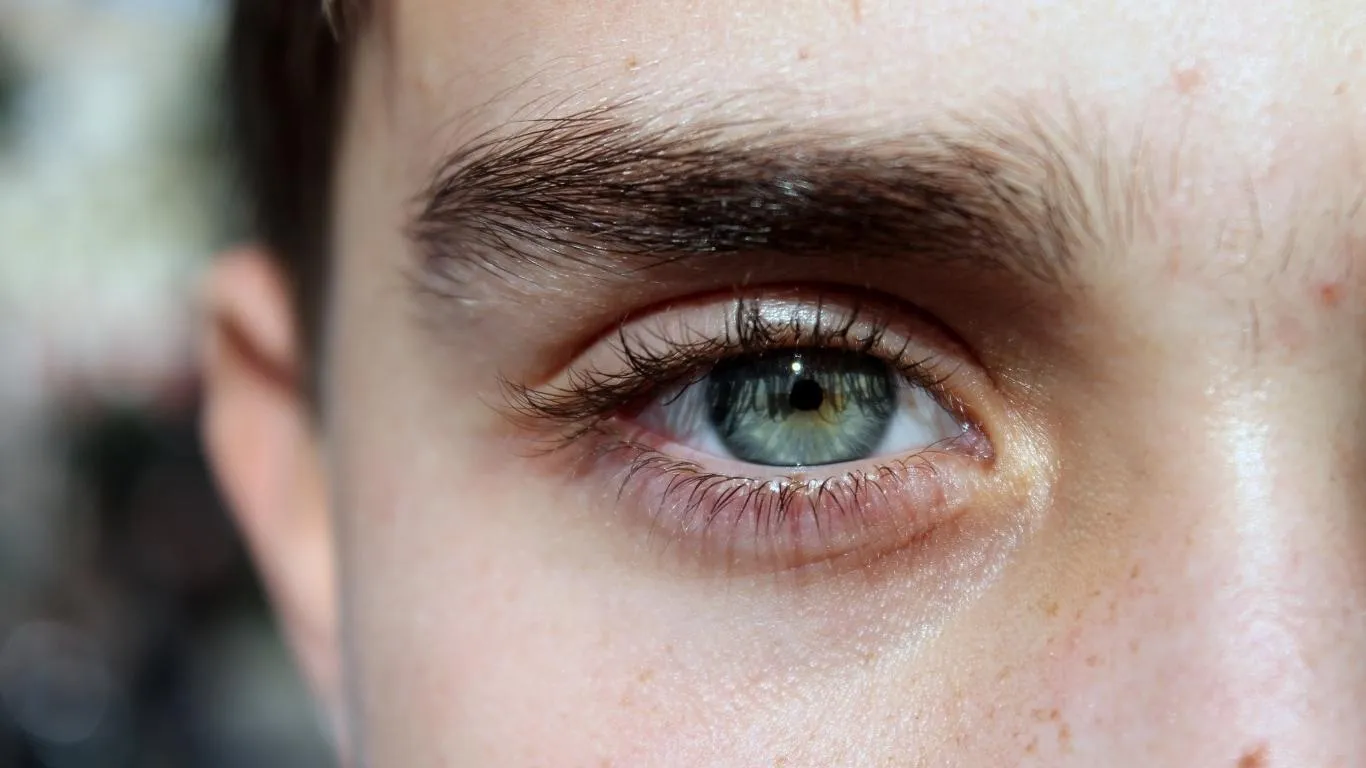
Snow reflects nearly 80% of UV rays, bouncing sunlight right into your eyes like a giant natural mirror. And if you’ve already got floaters — those tiny clumps of collagen inside the vitreous gel of your eye — this intense light makes them stand out much more. Think of it like shining a flashlight on dust in a dark room. They were always there, but now you can’t unsee them.
Even people who don’t typically notice floaters might start seeing them after long exposure to snow glare. The stark contrast between white snow and dark floaters makes every little speck jump out like it’s on a high-res screen.
Snow Glare: A Hidden Trigger
That glare can dry your eyes out faster, cause more squinting, and even trigger eye strain — all of which make floaters feel more intense. For some people, floaters only appear in these bright snowy settings and fade once they’re back indoors. That temporary shift can be confusing but isn’t uncommon.
- High altitude snow increases UV exposure even more
- Bright snow often causes photophobia or light sensitivity
- Eye fatigue makes the brain less able to ignore floaters
Can Cold Weather Actually Cause New Floaters?
This is where it gets tricky. Cold air doesn’t directly cause floaters, but it can worsen pre-existing ones. Cold, dry air pulls moisture out of the eyes faster. Less hydration in the vitreous can make those tiny clumps more mobile and easier to see.
Not to mention, in freezing conditions, we tend to blink less and squint more — both of which play into the perception of floaters. I’ve personally noticed that after spending a few hours snowboarding, my eyes feel gritty and my floaters more active, especially when coming back indoors under strong artificial lights.
Vitreous Shrinkage in Winter?
Though rare, extreme cold could potentially accelerate vitreous shrinkage in already aging eyes. That’s especially relevant for those over 40, when posterior vitreous detachment becomes more common. A shift in temperature and pressure might just be the tipping point.
- If floaters are accompanied by flashes of light or sudden increase in number, get your eyes checked ASAP
- Sudden floaters after winter sports or impact might indicate eye trauma
Other Triggers You Might Overlook in Snowy Conditions
Let’s face it — snow adventures are packed with variables your eyes don’t love. Between altitude changes, increased physical activity, dry wind, and UV radiation, it’s a perfect storm for triggering floaters.
Interestingly, altitude-related pressure changes might also contribute to floater perception. I didn’t know this until I read up on how floaters react to altitude shifts. Combine that with dehydration (common when you forget to drink water while skiing), and it’s no wonder some people only get floaters during winter trips.
Other Unexpected Factors:
- Windburn drying out the cornea and increasing irritation
- Sun reflecting off goggles, adding more glare
- Stress on the visual system from constant white exposure
Even certain medications taken before snow activities — like antihistamines for sinus issues — can contribute to floater flare-ups.
When to Worry About Floaters After Snow Exposure
If you’re someone who only sees floaters after bright snowy days and they disappear quickly, it’s probably nothing serious. But if you notice a sudden burst of floaters, flashes of light, or a “curtain” effect in your vision, it might be a sign of something more urgent — like retinal detachment.
According to the American Academy of Ophthalmology, any sudden change in floaters — especially when paired with vision loss — warrants immediate evaluation. Some floaters are warning signs, not just minor annoyances.
My Personal Rule of Thumb:
- If it’s new, fast, or accompanied by pain/light — call your eye doctor
- If it’s been there forever and just more visible in snow — likely harmless
Understanding the triggers helps, but so does protecting your eyes proactively. I always pack polarized sunglasses now, even on cloudy snowy days. They make a surprising difference in both comfort and floaters visibility.
For a complete look into all the causes and risks of eye floaters, check out this deep dive on common causes of eye floaters and the main pillar guide for the bigger picture.
Best Ways to Protect Your Eyes from Snow-Induced Floaters
Floaters might not be preventable in every situation, but how you care for your eyes outdoors can make a huge difference. I learned this the hard way after my third snow trip — floaters hit harder and longer when I skipped basic eye protection.
Polarized Sunglasses or Goggles Are a Must
If you’ve been relying on regular sunglasses, it’s time to upgrade. Polarized lenses cut out harsh horizontal light that bounces off snow surfaces. It not only protects against UV but drastically reduces the chance of floaters becoming more visible.
- Look for wraparound styles to block wind and peripheral glare
- Opt for anti-fog coatings if you’re active in the snow
- Yellow or amber tints can improve contrast in snowy terrain
If you’re someone who wears prescription lenses like I do, consider getting custom polarized inserts. I finally invested in a pair last year, and it’s hands-down the best thing I’ve done for winter eye health.
Hydration Isn’t Just for Your Body
Yes, your eyes get thirsty too. Dehydration affects the viscosity of your vitreous humor — the gel inside your eye. Drier conditions in the cold can make that gel less stable, leading to more floaters dancing around. Dehydration and floaters are surprisingly linked.
- Drink water before, during, and after snow activity
- Avoid caffeine-heavy drinks on ski trips — they dry your system faster
- Use preservative-free artificial tears if your eyes feel gritty
Natural Tips That Actually Help Reduce Floaters Visibility
If you’ve ever googled “how to get rid of floaters,” you’ve probably stumbled across a ton of questionable advice. But some natural methods are backed by both anecdotal and scientific support — and they’ve worked for me personally too.
Nutrition for Vitreous Health
Your eyes need nourishment just like the rest of your body. I’ve found a noticeable difference after introducing more lutein- and omega-rich foods into my diet. Consider adding:
- Spinach and kale (loaded with lutein and zeaxanthin)
- Fatty fish like salmon (rich in omega-3s)
- Egg yolks for high-quality antioxidants
- Carrots — cliché but full of beta-carotene
If you’re curious about effective nutrition strategies, check out the guide on diet changes that help floaters.
Supplements That May Support Vitreous Clarity
While there’s no magic pill, some eye-specific supplements have shown real promise in easing floater symptoms over time. Look for ones with:
- Lutein and zeaxanthin
- Vitamin C and E
- Zinc and taurine
- Bilberry extract (a personal favorite — helps with eye fatigue too)
More insights on this can be found in the article on supplements for floaters.
When Floaters Don’t Go Away After Snow Exposure
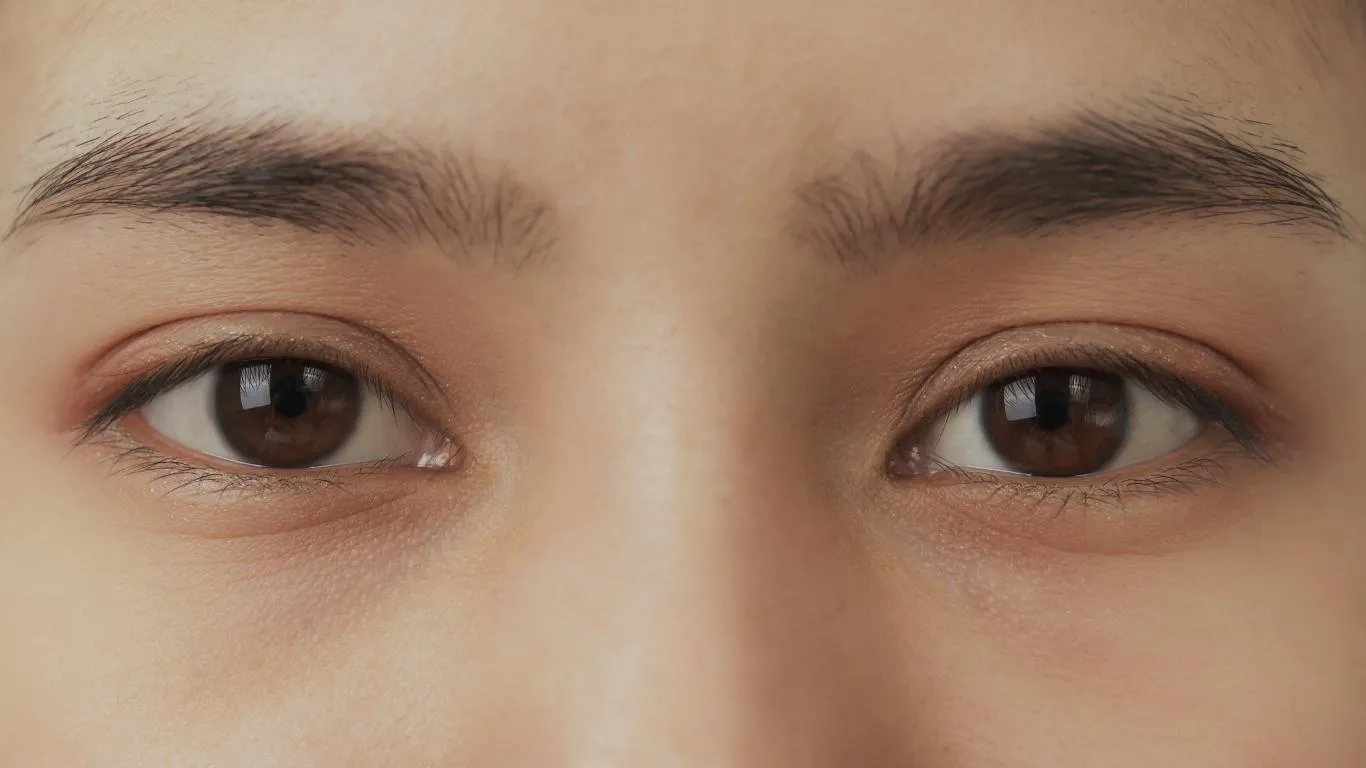
Normally, floaters fade into the background within hours or days after exposure to intense snow glare. But if yours are sticking around longer — or worse, increasing in number — it’s worth getting checked.
One eye doctor I spoke with shared that some post-surgery patients notice floaters get worse after snowy environments due to increased inflammation or ocular dryness. And those with conditions like myopia or PVD (posterior vitreous detachment) are more prone to seeing floaters under stress.
Don’t Ignore These Red Flags:
- Sudden onset of floaters, especially accompanied by flashes
- Dark curtain or shadow in your vision
- Sharp pain or pressure in one or both eyes
If you’ve experienced floaters in winter and they’ve returned year after year — or worse, stayed with you — it might be time to look deeper. Not all floaters are harmless.
How I Now Prepare for Winter Activities (And See Better)
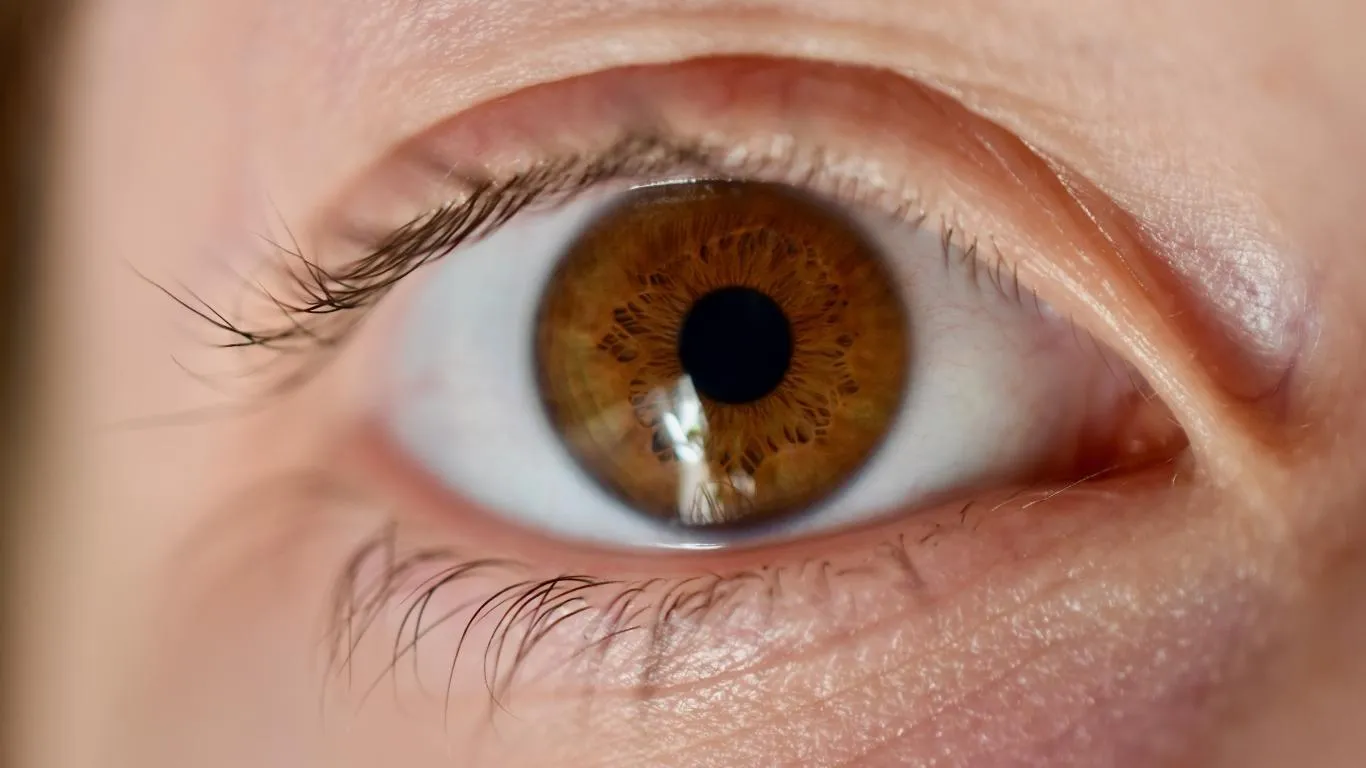
After years of trial and error, I’ve created a pretty reliable floater-prevention ritual for winter days. Maybe it’ll help you too:
- Preload with water before heading out — it really helps
- Pack polarized lenses with UV protection — don’t compromise
- Use preservative-free eye drops every few hours
- Wear a hat with a brim for extra shade
- Limit time in direct sun-glare areas — especially early afternoon
I also added a few natural practices like simple eye exercises and rest breaks during outdoor exposure — small things that surprisingly go a long way.
Want to Understand Floaters in More Depth?
If you’ve just started seeing floaters or you’re wondering what really causes them, I highly recommend reading the main pillar article: What Are Eye Floaters: Causes, Symptoms, and Treatments. It’s the best place to start understanding your own visual quirks.
And if you suspect winter exposure might be accelerating issues, be sure to dive into the guide on how to distinguish floaters from more serious conditions.

Camellia Wulansari is a dedicated Medical Assistant at a local clinic and a passionate health writer at Healthusias.com. With years of hands-on experience in patient care and a deep interest in preventive medicine, she bridges the gap between clinical knowledge and accessible health information. Camellia specializes in writing about digestive health, chronic conditions like GERD and hypertension, respiratory issues, and autoimmune diseases, aiming to empower readers with practical, easy-to-understand insights. When she’s not assisting patients or writing, you’ll find her enjoying quiet mornings with coffee and a medical journal in hand—or jamming to her favorite metal band, Lamb of God.