Why How Anxiety Feels In The Chest Area Can Be So Alarming
If you’ve ever felt a tight, heavy sensation in your chest and thought, “Am I having a heart attack?”—you’re not alone. That crushing discomfort, the sudden jolt of panic, or that hollow aching pressure that creeps in when you’re least expecting it… that’s often anxiety showing up uninvited. I’ve had it hit while waiting in line at the pharmacy, and I’ve had it knock the wind out of me during meetings. It’s a real, physical thing—and no, you’re not imagining it. Chest-related anxiety symptoms are terrifying and frustrating because they feel so real, yet tests often come back normal. Let’s dig into why that happens, what it means, and how to handle it without losing your mind in the process.
Why Anxiety Targets Your Chest

The chest area is loaded with nerve endings, blood vessels, and muscle groups that respond quickly to stress. When anxiety kicks in, your body goes into a fight-or-flight mode. Your heart rate increases, your breathing changes, and your muscles tense up—including those in the chest wall.
Now, imagine this happening on a random Tuesday afternoon for seemingly no reason. The chest tightens, breathing feels shallow, and boom—panic sets in. Your brain says, “Something’s wrong,” and suddenly you’re Googling heart attack symptoms in the middle of a work call.
Chest pain from anxiety often feels sharp, squeezing, or burning. It can mimic heart issues, making it a common reason people end up in ERs, only to be told it’s “just anxiety.” But let’s be honest—there’s nothing “just” about it.
Common Chest Symptoms of Anxiety

I’ve learned to spot the difference between anxiety chest pain and something more serious—but it wasn’t always obvious. For a long time, I thought I had a heart condition. Turns out, anxiety has its own set of chest-related quirks. Here are some I and many others have felt:
- Sharp stabbing sensations that come and go quickly
- Tightness that feels like something is squeezing your lungs
- Heaviness or pressure in the center or left side of the chest
- Burning sensation, often mistaken for acid reflux or heartburn
- Muscle aches from tensing up unconsciously
These symptoms can last for seconds or linger for hours. They often come with a racing heart, dizziness, or even numbness in the arms, which only makes things scarier. Panic disorder vs. heart attack confusion is more common than you’d think—and very real.
The Role of Breathing in Chest Anxiety

One of the main culprits behind anxiety-induced chest symptoms? Your breath. Or more accurately, your lack of controlled breathing. During anxious moments, we tend to breathe quickly and shallowly—sometimes without realizing it. This throws off oxygen and carbon dioxide levels in the blood, which can cause:
- Lightheadedness
- Numbness or tingling
- Even more tightness in the chest
It becomes a vicious cycle. Chest feels tight, you panic, you breathe harder, and the symptoms get worse. That’s why learning breathing exercises for anxiety is a game-changer. I personally use the 4-7-8 method—it works better for me than any app.
Triggers That Make Chest Anxiety Worse

Sometimes the symptoms seem to come out of nowhere, but there’s usually a hidden trigger. Some of the most common ones I’ve noticed in myself and others include:
- Caffeine – Coffee jitters can morph into chest tightness fast. Here’s why caffeine can worsen anxiety.
- Poor sleep – Sleep-deprived brains can’t regulate emotions properly.
- Social pressure – Like giving a presentation or talking to someone intimidating.
- Emotional triggers – Past trauma or ongoing stress builds up over time.
Once I figured out my patterns, I started tracking them with a journal. No joke—it helped me predict and even prevent flare-ups before they took over.
When to Worry vs. When to Breathe
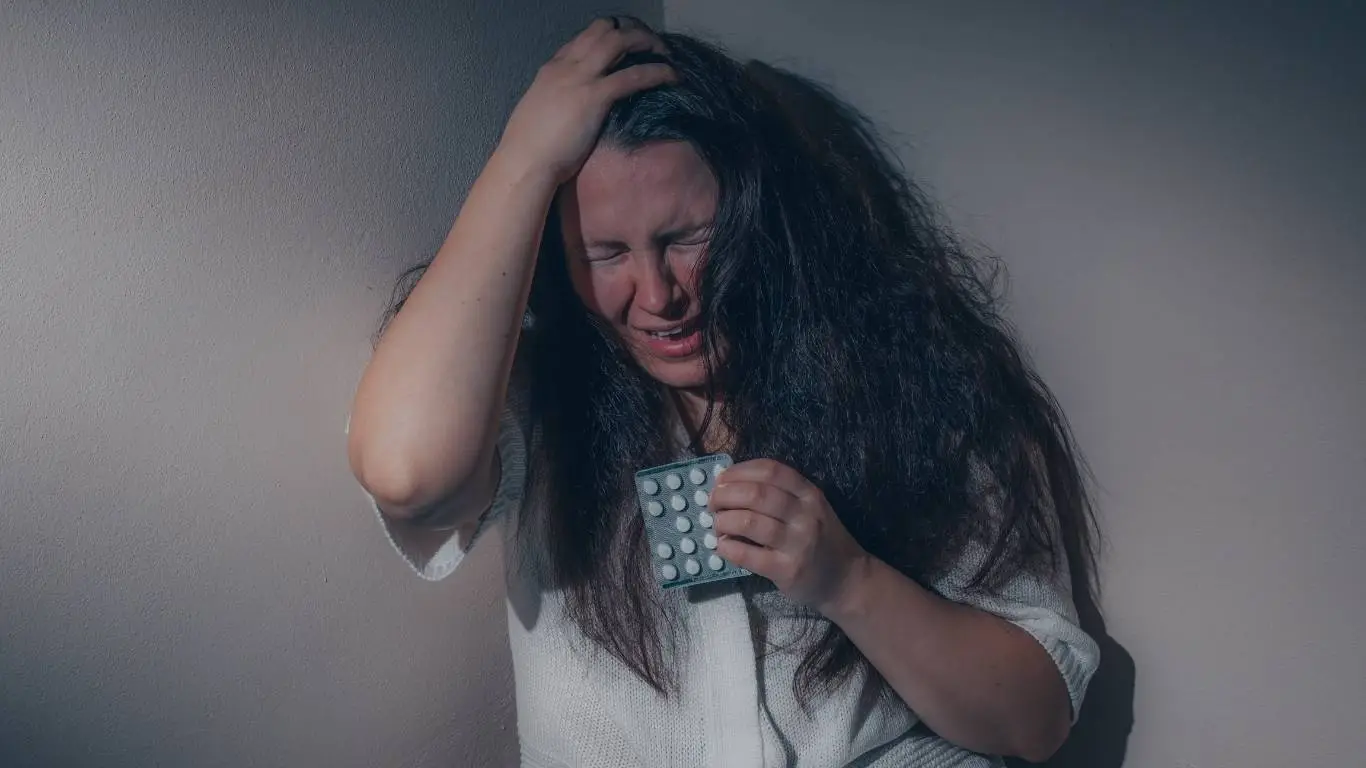
This one’s tricky. Because anxiety can mimic cardiac issues, it’s always better to be safe. If it’s the first time you’re feeling severe chest pain—go get checked. But if tests clear you and you notice it happens mostly when you’re overwhelmed, odds are it’s anxiety-related. A solid diagnostic workup for anxiety can save you a lot of future ER trips.
Personally, once I ruled out anything serious, I started working with a therapist and learned techniques that truly helped. For many, this is where the healing begins. Understanding the deeper symptoms of anxiety is crucial—because anxiety doesn’t always shout. Sometimes it whispers from your chest.
And if this kind of daily interference sounds familiar, you’ll want to check out how anxiety can quietly control daily life, and why it’s more common than most realize.
For a deeper dive into the full range of symptoms, causes, and approaches to managing anxiety, the comprehensive guide on anxiety disorder symptoms is a solid next step.
What Helps: Strategies That Actually Work for Chest Anxiety

When I first realized my chest pain wasn’t a heart attack but anxiety, I honestly didn’t feel relieved—I felt annoyed. Like, great, now I have to manage this mysterious invisible storm in my body. But little by little, I found things that helped. And no, it wasn’t just “thinking positively.” Here’s what actually made a difference:
- Grounding Techniques: Using the 5-4-3-2-1 method (naming things you can see, hear, feel, etc.) helped pull me out of spirals fast.
- Journaling: Getting my thoughts out on paper made my brain feel less cluttered. These journaling prompts for anxiety were actually useful—not just fluff.
- Limiting stimulants: Cutting back on caffeine (not completely, let’s not get dramatic) reduced the frequency of chest tightness.
- Breathwork: Beyond basic breathing, I leaned into guided breathwork sessions—they taught my nervous system to chill.
None of these are magic fixes, but over time, they’ve helped me stop fearing the sensations and start managing them with less drama.
The Hidden Layer: Emotional Triggers Stored in the Body

One thing no doctor told me—but therapy did—is how emotional stuff hides out in your chest. Ever notice how grief, stress, or rejection hits you right there? It’s not random. The chest is where vulnerability, heartbreak, and fear settle. That’s why when anxiety spikes, it goes straight for that space.
I’ve felt an ache in my chest from an unresolved argument that happened weeks before. I’ve had shortness of breath while scrolling social media—turns out, I was internalizing comparison stress without realizing it. We carry a lot in that space.
This is where therapies like EMDR and Acceptance and Commitment Therapy changed the game for me. They helped connect the chest symptoms with what I hadn’t processed emotionally.
Can Nutrition and Lifestyle Help? Surprisingly, Yes

Not gonna lie—I used to eye-roll hard when someone suggested “just eat better” for anxiety. But over time, small tweaks helped my nervous system become less reactive.
- Magnesium-rich foods: Spinach, pumpkin seeds, and almonds helped with calming the nervous system. Here’s a breakdown of magnesium-rich foods that can actually help.
- Hydration: Dehydration made my chest symptoms worse—tightness and heart flutters included.
- Omega-3s: I started adding more salmon and flaxseed to my diet. Not a miracle, but my baseline anxiety lowered.
- Cutting out processed junk: Fewer blood sugar crashes meant fewer anxiety spikes.
Nutrition isn’t the whole answer, but it definitely helps create a calmer baseline, especially for physical symptoms like those that land in the chest.
Therapies That Actually Address Chest Anxiety

Once I realized this wasn’t “all in my head,” I stopped trying to muscle through and started looking at therapy options. Honestly, I wish I’d done that sooner. A few that stood out:
- Cognitive Behavioral Therapy (CBT): Helped me spot thought patterns that were triggering chest tension. This guide on CBT steps for anxiety breaks it down simply.
- Somatic Therapy: This was a game-changer. Focuses on body-based techniques, which made sense since my symptoms were physical.
- Mindfulness-Based CBT: Slowed my overthinking enough to recognize when chest tension was creeping in.
And yes, I tried meds. While not for everyone, options like SSRIs helped reduce that “impending doom” feeling in the chest. Always consult your doctor, though—no one should DIY their mental health meds.
When Chest Anxiety Disrupts Daily Life

There was a point where I couldn’t get through a day without that crushing chest feeling. Grocery store trips turned into panic attacks. Traffic jams felt like battle zones. If you’re nodding along—you’re not alone.
That’s why I recommend reading how anxiety affects workplace performance. I related hard to that one. Knowing others deal with this in silence made me feel less broken.
And if your day-to-day routine feels like it’s falling apart from anxiety, you’ll find value in this deep dive on how daily routines get quietly wrecked by anxiety. It hits close to home—and it’s not just in your head.
I’ve learned to function again—not because the symptoms disappeared completely, but because I finally understood them. Knowledge really is power when it comes to anxiety, especially when your body is screaming and no one else can hear it.
When to Ask for Help (and Why It’s Worth It)
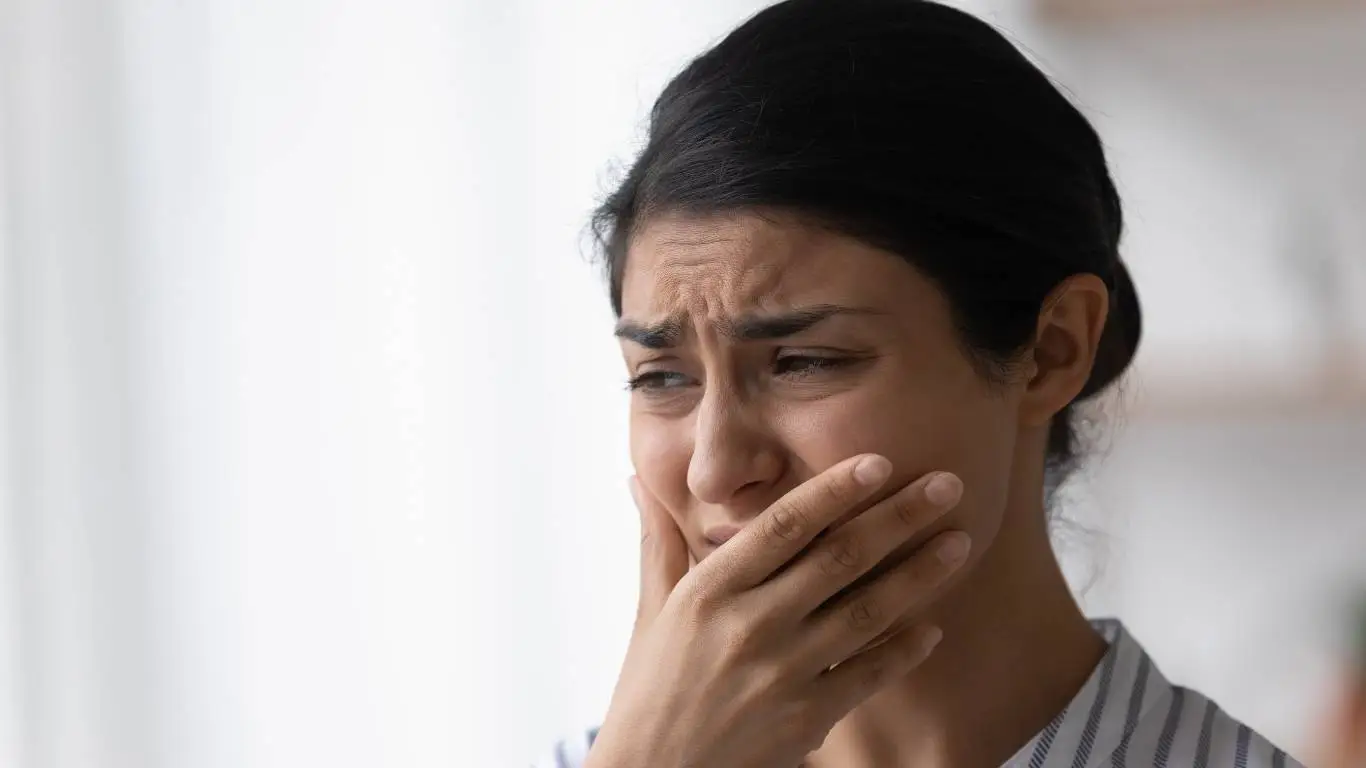
If you’ve been dealing with unexplained chest pain and it’s taking over your life, don’t brush it off. Get checked by a doctor, absolutely—but also consider a full anxiety disorders diagnosis and assessment. You’d be surprised how many of us walk around undiagnosed, assuming we’re just “too sensitive.”
And don’t underestimate the value of therapy or support groups. I found real connection in places I didn’t expect. Talking about chest anxiety with others who get it took the edge off that isolating feeling. It made me feel human again.
To understand the full picture of how anxiety quietly shapes your life, I can’t recommend this guide enough: Why Anxiety Disorders Can Secretly Control Your Daily Life.

Camellia Wulansari is a dedicated Medical Assistant at a local clinic and a passionate health writer at Healthusias.com. With years of hands-on experience in patient care and a deep interest in preventive medicine, she bridges the gap between clinical knowledge and accessible health information. Camellia specializes in writing about digestive health, chronic conditions like GERD and hypertension, respiratory issues, and autoimmune diseases, aiming to empower readers with practical, easy-to-understand insights. When she’s not assisting patients or writing, you’ll find her enjoying quiet mornings with coffee and a medical journal in hand—or jamming to her favorite metal band, Lamb of God.