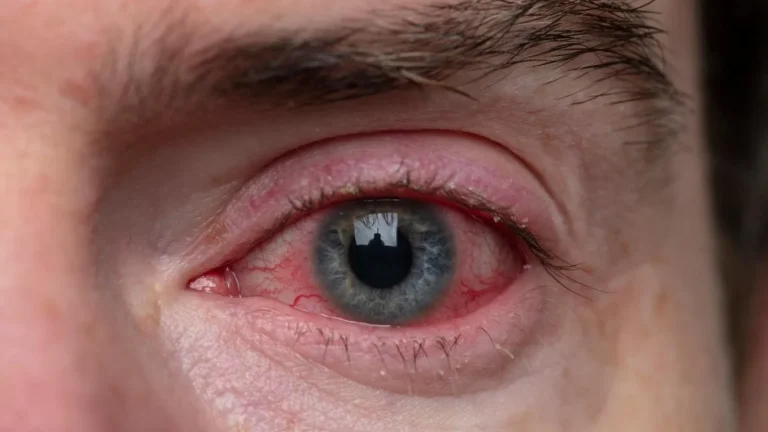
Why Floaters Seen in Mirror Reflections Feel Worse Under Bright Light
Ever caught yourself staring into the mirror and thinking, “Did I just see that little speck float across my vision?” You blink. It vanishes. You move your head slightly. There it is again—like a shadow or translucent string drifting along. You’re not alone. I first noticed it brushing my teeth in the morning. I paused, squinted, and even wiped the mirror once, thinking it might’ve been a smudge. Turns out, what I was seeing wasn’t on the mirror at all. It was *in* my eye. Welcome to the strange world of floaters seen in mirror reflections.
What Exactly Are You Seeing in the Mirror?

When floaters appear while looking in the mirror, it’s not the mirror playing tricks on you—it’s your eye’s own internal “light show.” Floaters are small clumps of collagen or cells inside the vitreous—the gel-like substance in the eye. They cast shadows on the retina, and under specific lighting (like bright bathroom lights bouncing off clean tiles), these shadows become startlingly obvious.
Why the mirror, though? It’s about lighting angles. Overhead LEDs or natural daylight streaming through a window can reflect just right to make floaters *pop*. Plus, mirror time often equals still time. You’re focused, unmoving—brushing your hair, applying skincare, inspecting that one annoying zit—creating the perfect setting to notice those subtle floaters drifting in your peripheral vision.
How I Learned to Stop Worrying (Well, Sort Of)
I’ll admit, the first few times I spotted these phantom wisps, I panicked a little. I even wondered if I was dealing with a neurological issue. I ran through all the scenarios: eye infection, dehydration, too much screen time. But the more I read, the more I realized—mirror-reflected floaters are surprisingly common. It’s a quirk of how floaters behave in different lighting and focus settings, not a special subtype of floater or a sign of doom (usually, anyway).
Still, if it’s your first time noticing them during mirror use, it’s worth paying attention to frequency and behavior. One-off? You’re probably fine. But if you suddenly notice a burst of floaters all at once or they’re paired with flashes of light or peripheral vision loss, it’s time to check in with an ophthalmologist.
Why Floaters Appear More Often in Mirror Scenarios
Let’s get nerdy for a sec. There’s no special “mirror floater” diagnosis. Instead, it’s all about angles, light intensity, and where your attention is focused. Here’s why the mirror brings them to life:
- Bright, overhead lighting: White light reflects off bathroom surfaces, enhancing internal eye shadows.
- Unmoving focus: Your eyes are still, making floaters more visible against static backgrounds like a blank wall or mirror.
- Mirror angle: The light bounces in a way that positions floaters directly in your central field of view.
It’s especially common in people over 35—our vitreous humor starts to shrink and liquify with age. In fact, age-related changes are one of the most common causes of floaters. Mirrors just make those floaters more obvious than, say, when you’re outdoors or distracted.
Common Descriptions of “Mirror Floaters”
- Translucent or gray cobweb-like strands
- Small black spots that dart away when you try to focus on them
- Worm-like squiggles that “drift” across your vision
- Shadowy shapes that seem to slide out of sight the moment you notice them
These match up with most floater reports—but people uniquely associate these with self-reflection activities. It’s funny, right? You catch them while checking yourself out. Floater irony.
When You Should Take Them Seriously

For most, floaters seen in mirror reflections are harmless, annoying little visual quirks. But sometimes, they can signal something serious. If you notice any of the following, don’t shrug it off:
- Sudden increase in the number of floaters
- Flashes of light
- Blurred or dimmed side vision
- Floaters shaped like curtains or cobwebs covering vision
These symptoms could point to retinal detachment, inflammation, or eye trauma. I remember once thinking mine had multiplied overnight—I freaked out, scheduled an emergency eye exam, and thankfully, it was just temporary stress and dehydration. But I’d do it again. It’s better to be safe when your vision’s on the line.
If you’re unsure, check out this deep dive on when eye floaters may signal a bigger problem. It’s packed with red flags and what they mean.
Factors That Can Make Mirror Floaters Worse
Over time, I noticed certain things made my mirror floaters *much* more visible. And yes, they align with what eye specialists have found too:
- Fatigue: When I’m low on sleep, they’re way more noticeable in the morning mirror.
- Screen strain: Long nights on my laptop? Hello, extra floaters the next day.
- High contrast environments: White walls, brightly lit rooms, and shiny tiles all enhance visibility.
- Dehydration: Yep, the floaters party gets wilder when I haven’t had enough water. (Dehydration and floaters: here’s why.)
While these aren’t causes per se, they definitely affect how floaters appear—especially when you’re just staring at yourself, zoning out in front of the mirror.
Understanding Your Options (Without Panicking)
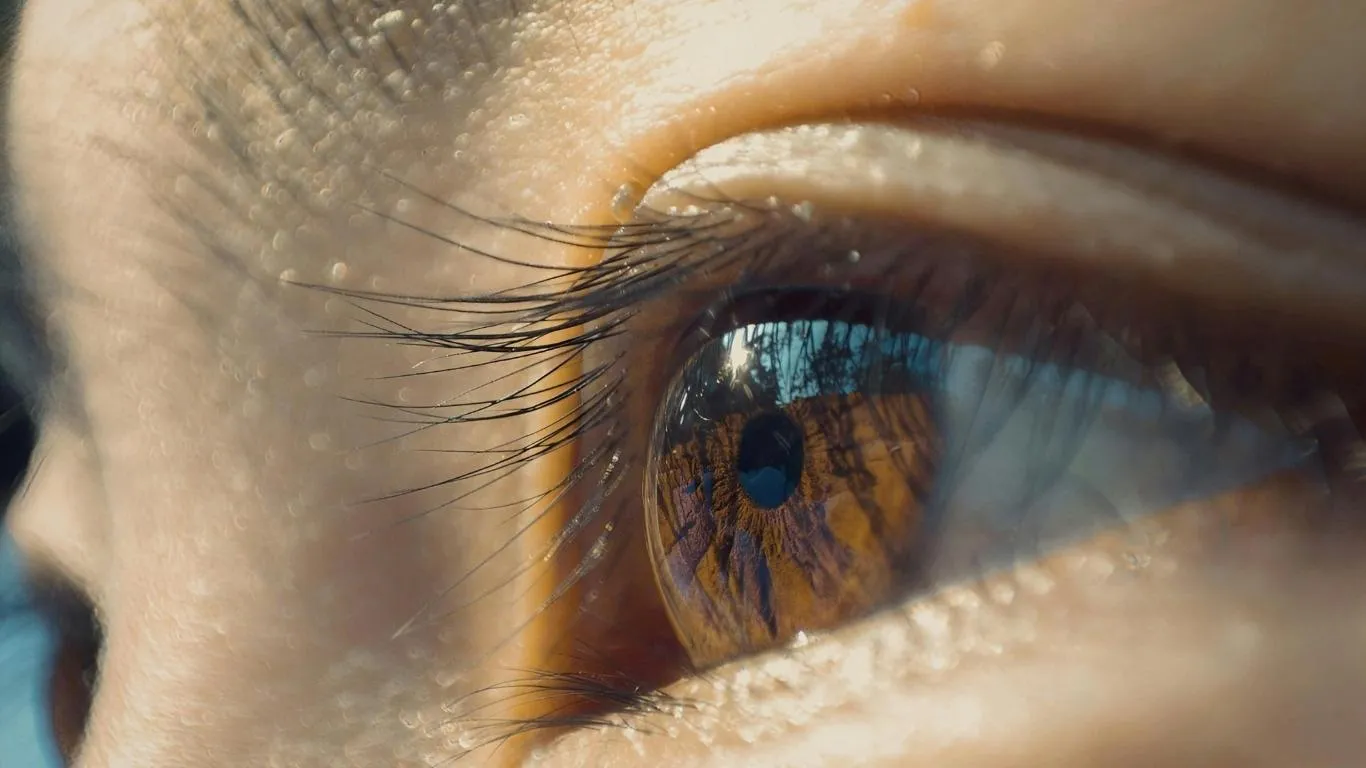
If floaters are messing with your head or confidence, you’re not alone. The good news? There are ways to manage them. You can explore natural options like hydration, vitamins, and eye exercises, or dig into more clinical routes from monitoring to surgery—depending on the severity. The treatment guide here breaks it all down nicely.
One of the best overviews I’ve found is in this main explainer on floaters. It walks you through symptoms, types, causes, and solutions in a super digestible format without making you feel like you’re reading a medical journal.
When Floaters in Mirror Reflections Start Affecting Daily Life
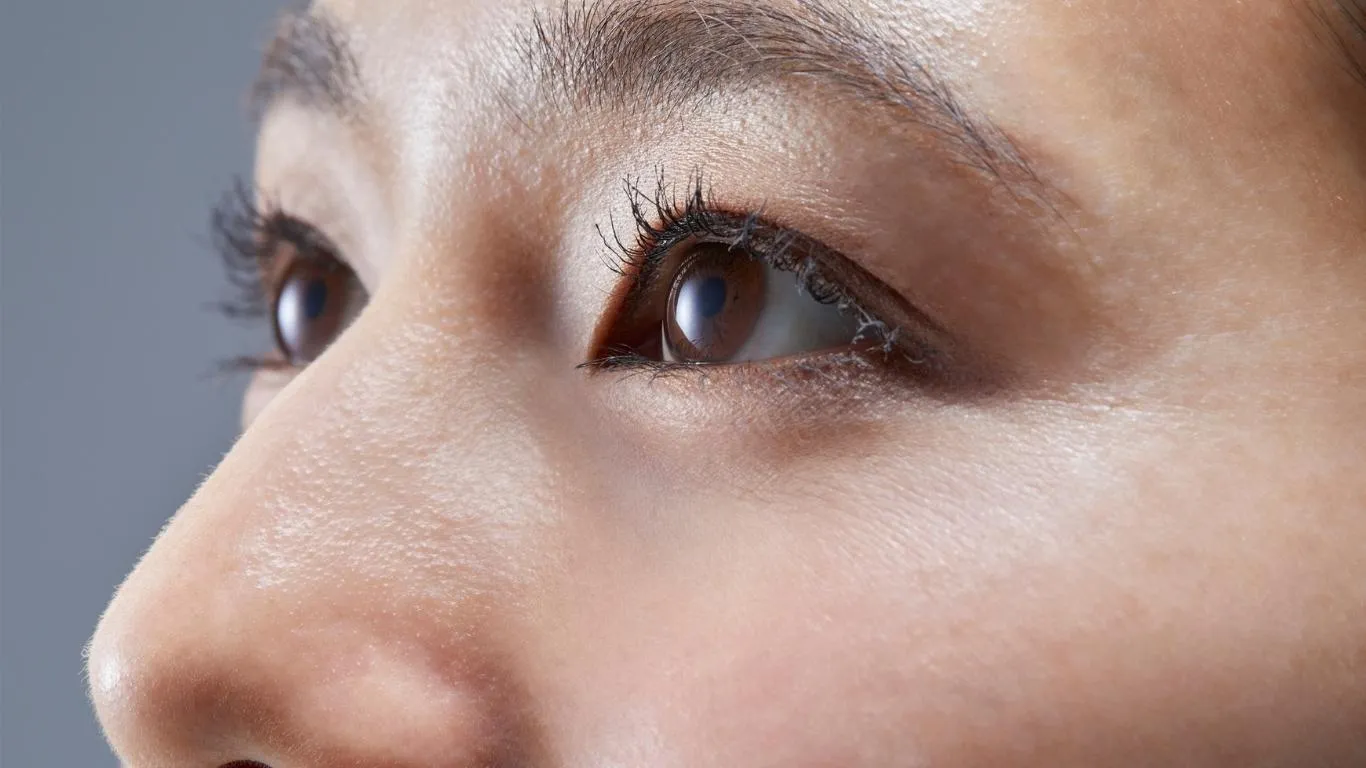
It’s one thing to occasionally notice floaters while brushing your teeth, but it’s another when they start dominating your self-care rituals. A friend of mine told me she started avoiding brightly lit mirrors altogether because the floaters made her anxious every morning. I’ve been there. At one point, I even dimmed my bathroom lights to “dodge” them.
While that might sound dramatic, it’s surprisingly common. Floaters in mirror reflections don’t just disrupt vision—they can mess with confidence, especially when you’re trying to focus on grooming, makeup, or checking for skin issues. This is where the mental health side of floaters comes in. Constant visual interruptions may contribute to frustration, anxiety, or obsessive checking behavior.
There’s growing awareness about how persistent floaters impact our well-being. In fact, if you find yourself fixating on them daily, it might help to read up on how floaters affect mental health. You’re definitely not alone in feeling distracted or unsettled by something others may dismiss.
Tips That Actually Help When Floaters Pop Up in the Mirror
After a lot of trial and error (and more than a few deep sighs in front of the mirror), I’ve found a few practical habits that help take the edge off:
- Diffuse your bathroom lighting: Use warm-toned or side-lit fixtures. Harsh overhead light = peak floater visibility.
- Don’t stare too long: The longer you focus, the more obvious they become. Keep routines brisk and avoid prolonged fixations.
- Blink more intentionally: Dry eyes exaggerate floaters. Keeping the surface moist can ease visibility.
- Hydrate consistently: A surprising number of people report reduced floater activity after proper hydration. Here’s why: Dehydration and floaters have a deeper link than you think.
For people dealing with more intrusive floaters, some turn to visual therapy, dietary support, or even targeted eye exercises. Here’s a solid read on eye exercises that are actually worth trying—no gimmicks, just simple movements and habits that help train your focus and reduce floater interference in daily vision.
Can These “Mirror Floaters” Be Treated or Removed?
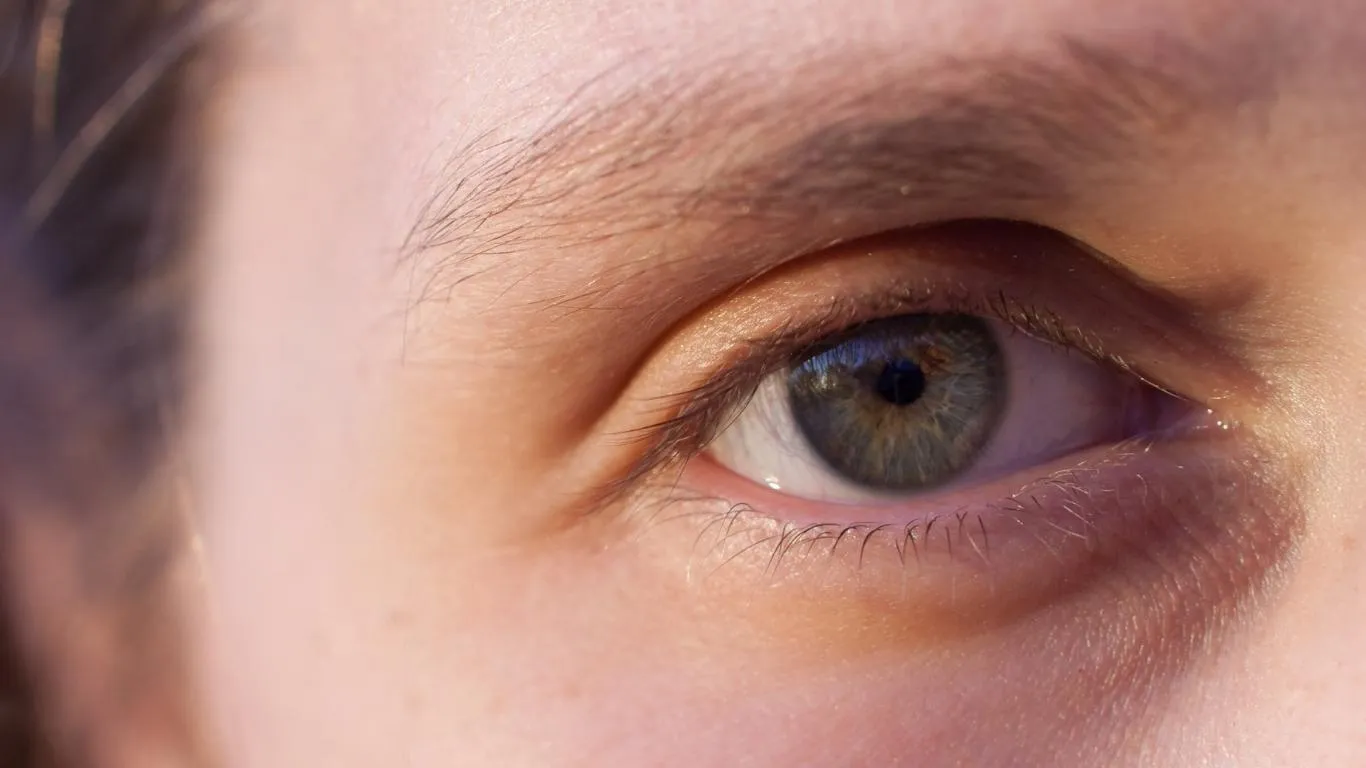
This is the big question everyone asks: Can they be removed? Short answer—yes, but with conditions. For most people, floaters (including the ones most visible in the mirror) don’t require treatment. They’re annoying, not dangerous. But when they’re numerous, clouding vision, or linked to a health issue, options exist.
Here are a few medically acknowledged options:
- Vitrectomy: A surgical procedure to remove the vitreous gel—and the floaters with it. Highly effective but not risk-free.
- Laser vitreolysis: A non-invasive laser treatment that breaks up floaters. Effective for select types, but not widely recommended for all cases.
- Observation: In many cases, floaters fade over time or settle below the line of vision.
If your mirror floaters are linked to specific medical causes like uveitis, trauma, or diabetic retinopathy, treatment should address the root issue first. You can explore more on advanced options in this full breakdown of floater treatments.
Some Underlying Triggers You Might Be Missing
Let’s say you’re seeing these floaters consistently in mirror reflections—but haven’t had an eye injury or major medical issue. What gives? Turns out, a bunch of subtle health and lifestyle factors can crank up floater frequency or visibility.
- Diabetes and blood sugar fluctuations
- Thyroid disease
- Chronic stress
- Smoking
- Certain medications like antibiotics or eye drops
In my case, it was caffeine and screen overuse. After cutting back on both, my mirror-floater moments got less intense. I didn’t eliminate them completely, but I no longer obsess about them brushing my vision each morning. Win.
How to Talk to Your Eye Doctor About Mirror Floaters
Don’t feel weird mentioning this at your next eye exam. Seriously. Saying “I mostly notice floaters in mirror reflections” isn’t as odd as it sounds. Your doctor knows lighting and focus play a huge role in visual perception. Be specific:
- When do you notice them most?
- Do they follow eye movement or drift randomly?
- Have they changed in shape, number, or color?
- Do they appear with other symptoms (like flashes or blur)?
If your eye doc suspects more than harmless aging, they might recommend a dilated eye exam or retinal imaging. Don’t skip it—it could rule out early signs of retinal tears, PVD, or other conditions.
So, Are Mirror Floaters Something to Worry About?
Most of the time? No. They’re more about *how* you’re seeing than *what* you’re seeing. But that doesn’t mean they should be ignored completely. If floaters become a daily source of distraction or change noticeably, they deserve attention. Not panic. Just mindful care.
What helped me most was understanding the cause, recognizing my triggers, and learning that I wasn’t going blind. Awareness made all the difference. And honestly, there’s comfort in knowing there are solid resources and explanations backed by medical insight.
Because once you get what’s happening, you stop fearing that morning mirror glance—and start owning it.

Camellia Wulansari is a dedicated Medical Assistant at a local clinic and a passionate health writer at Healthusias.com. With years of hands-on experience in patient care and a deep interest in preventive medicine, she bridges the gap between clinical knowledge and accessible health information. Camellia specializes in writing about digestive health, chronic conditions like GERD and hypertension, respiratory issues, and autoimmune diseases, aiming to empower readers with practical, easy-to-understand insights. When she’s not assisting patients or writing, you’ll find her enjoying quiet mornings with coffee and a medical journal in hand—or jamming to her favorite metal band, Lamb of God.