Why Eye Floaters Seem To Follow Saccadic Eye Movements
If you’ve ever darted your eyes from one corner of the room to another and noticed those translucent squiggly things tagging along—or seemingly lagging behind—you’re not alone. I first noticed mine while reading white text on a dark phone screen late at night. It was like something shifted in my peripheral vision but just out of reach. That’s when I started wondering: do floaters follow saccadic eye movement, or is something else going on entirely?
What Are Eye Floaters, and Why Do They Move the Way They Do?
Let’s break this down the real way. Eye floaters aren’t a trick of the mind; they’re tiny specks or strands that drift through the vitreous humor, the clear gel filling your eyeball. When you move your eyes, especially during saccadic movements—those rapid, jerky shifts your eyes make when scanning a room or reading—these floaters often seem to follow.
But here’s the twist: they don’t really follow in real-time. Floaters tend to “lag” just a bit because they’re suspended in a gel-like substance that doesn’t shift as quickly as your eyeballs do. It’s a bit like shaking a snow globe—the flakes keep drifting even after you stop moving it.
Saccades and Floaters: The Strange Visual Chase
So what exactly are saccades? They’re those quick, simultaneous movements of both eyes in the same direction, and they’re crucial for tasks like reading or reacting quickly to visual stimuli. Floaters, however, have no muscle of their own. They move because your eye does, but their response is delayed and indirect—like trying to steer a balloon underwater.
If you’ve felt like they’re suddenly darting across your view during a fast eye flick, that’s not your imagination. It’s physics and biology combining in weird ways. The retina sees the shadow of the floater, not the floater itself. And because that shadow “slides” into view just milliseconds after your eye moves, the brain interprets it as movement following the saccade.
Why Some People Notice Floaters More During Saccadic Movement
It’s not just a fluke that you notice floaters more during eye flicks. Think about it—your brain is wired to detect sudden movement. It’s a survival thing. So when floaters shift position against a blank background (like a bright sky or a blank wall), your attention zeroes in on them more than usual. That’s when the irritation kicks in.
Some folks (me included) swear the floaters almost “jump” when reading or switching gaze quickly. This isn’t just annoying—it’s distracting, and sometimes even unnerving. And guess what? That annoyance might not be all in your head. Studies from ncbi.nlm.nih.gov suggest that floaters can disrupt visual tasks more than we give them credit for.
Floaters and Saccades in People with High Myopia or Aging Eyes
Now here’s where it gets a bit more serious. If you’re nearsighted (like me) or over 40, chances are your vitreous gel is already thinning out. That makes it easier for floaters to form and harder for them to stay “out of the way.” During fast eye movements, these floaters can feel more intrusive because they shift into your central line of sight.
If this sounds familiar, you might want to check out this in-depth look at eye floaters in your 40s and what’s considered normal versus what’s not. Honestly, that read helped me realize I wasn’t imagining things.
How to Tell if It’s Just Floaters or Something More Serious
Here’s something I wish someone had told me earlier: not all eye floaters are harmless. While most are just a byproduct of aging or eye strain, floaters that suddenly increase in number or seem accompanied by flashes of light could point to something more alarming—like retinal tears.
According to aao.org, if floaters suddenly begin to “chase” every saccade you make or you feel like you’re looking through a veil, it’s time to get checked ASAP. Retinal issues don’t play around, and time is everything.
For a breakdown on symptoms that shouldn’t be ignored, the article on eye floater symptoms you shouldn’t ignore is a must-read. It’s factual but clear—and frankly, it calmed me down when I thought I was losing my vision.
Common Conditions That Make Floaters Feel Like They’re Tracking Your Eyes
Besides saccades, a few other conditions can amplify this tracking sensation:
- Posterior Vitreous Detachment (PVD): Often makes floaters more obvious during quick eye motion.
- Ocular migraines: Can create similar zigzag visual effects, leading to confusion.
- Vitreous syneresis: The gel breakdown increases floater motion.
- High stress: Interestingly, this amplifies your visual sensitivity.
There’s an excellent visual explainer on this in the posterior vitreous detachment guide. If you haven’t read that one yet, it’s worth bookmarking.
How I Learned to Track and Adapt to Floaters During Eye Movements
I started using a method I call “eye surfing”—intentionally slowing down my eye movements, especially during reading. It’s not a medical solution, but it helps me reduce the jarring visibility of floaters. I also adjusted screen brightness and text contrast, which made a surprising difference.
Some people go the route of supplements or even laser treatment, which is explained in this fantastic overview on eye floater treatment options. Personally, I’m not there yet—but knowing what’s available gives me peace of mind.
And if you’re still figuring out what’s causing yours to act up during rapid eye flicks, don’t overlook this foundational guide from Healthusias: Causes, Symptoms, and Treatments for Eye Floaters.
Why Floaters Seem More Noticeable at Certain Times
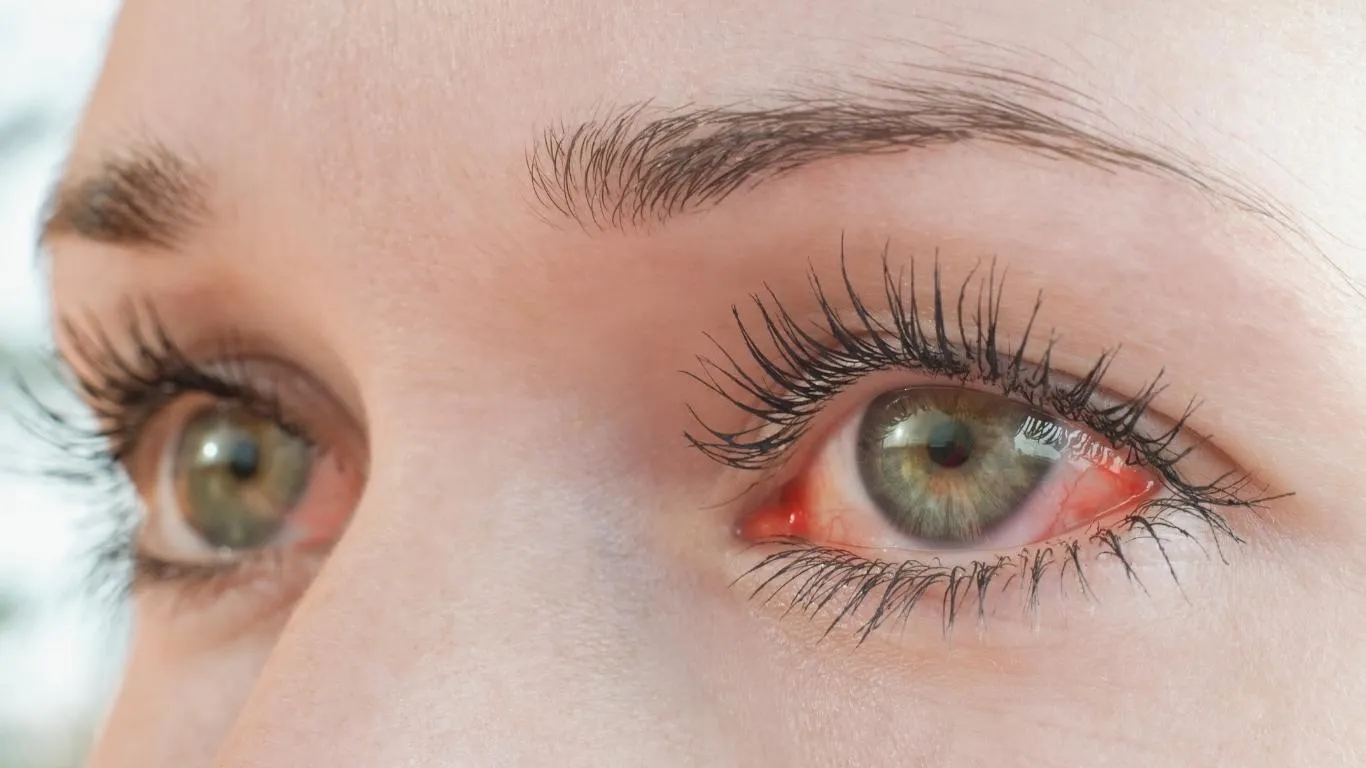
If you’ve ever wondered why some days floaters seem practically invisible—and others they’re dancing around your vision like they’re on stage—it’s not your imagination. Lighting, contrast, hydration, even your mood can all affect floater visibility. I’ve found they’re the worst when I’m staring at a bright sky, a white wall, or working under fluorescent office lighting. It’s like they suddenly wake up.
For many of us, floaters during rapid eye movement can also spike when we’re tired, dehydrated, or dealing with high screen time. Here’s a practical look at how dehydration worsens floaters and what to do about it. Staying hydrated made a small but noticeable difference for me, especially during long writing sessions or travel.
Environmental Factors That Make Floaters Feel More Active
- Bright sunlight: The higher contrast makes floaters appear darker and more defined.
- White or bright backgrounds: Screens, walls, snow—these all make floaters stand out.
- Artificial lighting: Some LEDs or fluorescents worsen contrast sensitivity.
- Lack of sleep: Fatigued eyes tend to focus more on visual “noise.”
If floaters feel more annoying than usual during these times, you’re not imagining it. This quick read on caffeine and eye floaters was a real eye-opener for me—especially considering my three-coffee mornings.
What You Can Actually Do About Floaters That Follow Eye Movement
There’s no magic fix, unfortunately. But there are things you can do to manage the experience. For one, avoiding the urge to “chase” the floater visually helps. I used to jerk my eyes trying to look directly at one—it only made things worse.
Practical Coping Tips That Helped Me Personally
- Use soft, diffused lighting indoors to reduce harsh background contrast.
- Take eye breaks every 20 minutes—look out a window, blink slowly, relax the muscles.
- Increase font size and line spacing while reading to reduce stress on eye muscles.
- Use blue light filters on screens, especially at night.
- Consider dry eye management—I didn’t realize until recently how dry eyes exaggerate floater visibility. Check this out: Dry Eye and Floaters.
It’s also worth noting that some exercises might help with overall eye fluid circulation. I tried a few techniques from this guide on eye exercises to reduce floaters. I can’t say it made them disappear, but I felt less anxious about them—and that alone was worth it.
When It’s Time to See an Eye Doctor (Seriously, Don’t Wait)
Look, I get it—we all Google symptoms before seeing a doctor. But floaters that seem to change pattern, shape, or intensity especially during fast eye movements? That’s your cue to stop reading Reddit threads and get professional help.
If you experience:
- Sudden burst of new floaters
- Flashes of light or lightning-streak sensations
- A curtain or shadow falling over your vision
- Floaters accompanied by blurry or tunneled vision
These could be signs of retinal detachment or tears. Here’s a solid explainer on floaters as a retinal warning sign. I’ve referred several friends to it after they noticed unusual symptoms. The info is straightforward and not alarmist—just helpful.
And if you want to explore more medically reviewed, balanced options—from observation to laser therapy—check the full breakdown on eye floater treatments.
Are There Real Fixes? What’s Hype vs. What’s Helpful?
Vitrectomy and laser vitreolysis are often floated around (pun intended) as “cures” for persistent floaters. But these are invasive and not risk-free. If you’re just dealing with floaters during saccadic motion and not full-time visual obstruction, most doctors will suggest a wait-and-watch approach.
Personally, I’m wary of jumping into eye surgery for something that’s annoying but not blinding. That said, learning more about the procedure gave me clarity (no pun intended). Here’s a trusted medical summary from clevelandclinic.org about when surgical intervention is appropriate.
What helped me more? Adjusting screen settings, eye hygiene, hydration, and—maybe most importantly—changing my relationship with floaters. I used to obsess over them. Now? They’re just visual background noise.
Resources That Helped Me See Floaters Differently (Pun Intended)
If you’re navigating all this yourself, don’t just rely on anecdotal info (even from me). Get a well-rounded view. This deep dive on common causes of floaters helped me understand what’s normal and what’s not. It also put into perspective just how many factors affect their behavior—including why some really do feel like they track your every saccadic twitch.
And of course, don’t skip the main overview on eye floaters, symptoms, and treatment. It’s a solid base that connects everything.

Camellia Wulansari is a dedicated Medical Assistant at a local clinic and a passionate health writer at Healthusias.com. With years of hands-on experience in patient care and a deep interest in preventive medicine, she bridges the gap between clinical knowledge and accessible health information. Camellia specializes in writing about digestive health, chronic conditions like GERD and hypertension, respiratory issues, and autoimmune diseases, aiming to empower readers with practical, easy-to-understand insights. When she’s not assisting patients or writing, you’ll find her enjoying quiet mornings with coffee and a medical journal in hand—or jamming to her favorite metal band, Lamb of God.