
How Anxiety Can Mimic Physical Illness and Cause Real Distress
Last summer, I rushed to the ER convinced I was having a heart attack. Tight chest, shortness of breath, dizzy spells—it all screamed cardiac emergency. But after several tests and a few hours hooked up to monitors, the doctor calmly said, “You’re not having a heart attack. It’s anxiety.” I remember blinking at him, trying to process what that meant. That moment kicked off a long, winding journey of discovering how anxiety can mimic physical illness in ways that feel terrifyingly real.
When Anxiety Disguises Itself as Something Physical

Anxiety isn’t just a mental or emotional experience. For many of us, it takes shape in the body—loudly. It’s sneaky too. Instead of obvious worry or racing thoughts, it might show up as nausea, chest pain, or headaches. You’d think you’re dealing with a heart issue, gastrointestinal problem, or even a neurological disorder. In truth? It’s your brain firing off stress signals in hyperdrive.
Why It Feels So Real
The reason anxiety-induced symptoms feel indistinguishable from physical illness is because of how our nervous system reacts to stress. The body doesn’t know the difference between a real threat and a perceived one. It responds with fight-or-flight mode, flooding your system with cortisol and adrenaline, causing:
- Rapid heartbeat
- Shortness of breath
- Muscle tension
- Dizziness
- Fatigue
- Chest discomfort
I learned the hard way how convincing those symptoms can be. That day in the ER? Classic panic attack mistaken for heart attack. And I’m far from the only one.
The Most Common Physical Illnesses Anxiety Imitates

1. Heart Problems
If you’ve ever had a racing heart, chest tightness, and lightheadedness, chances are your brain screamed “heart attack.” But those same symptoms show up during anxiety spikes. That’s why so many end up in emergency rooms, scared and unsure. The irony? Once tests come back normal, the anxiety often gets worse because we don’t trust what we’re told.
The overlap is so strong, it’s crucial to rule out cardiac issues first. But once that’s done, understanding the link between anxiety and heart-related symptoms is life-changing. A helpful internal read on this is shortness of breath and anxiety—it really unpacks the subtle differences.
2. Gastrointestinal Disorders
Gut health and anxiety are so intertwined it’s hard to know which came first. When I’m anxious, my stomach turns into a war zone. Nausea, bloating, cramping—it’s wild how easily anxiety mimics conditions like IBS or ulcers. There’s actually a strong connection between the gut and brain via the vagus nerve, making the digestive system highly sensitive to emotional stress.
Articles like stomach problems caused by anxiety go into the nitty-gritty if you’re trying to decode what’s going on inside you. You’d be surprised how often people live with chronic stomach issues that are rooted more in emotion than food.
3. Neurological Symptoms
This one scared me the most. I’d get these weird sensations—like my limbs weren’t mine, or I was walking through fog. I Googled every neurological disease under the sun. But I wasn’t losing my mind—I was experiencing depersonalization and derealization, both extremely common in anxiety disorders.
You might also deal with:
- Headaches that mimic migraines
- Tingling in extremities
- Visual disturbances
- Brain fog
It’s terrifying to feel like your brain is glitching, but often it’s a response to overstimulation and exhaustion from chronic anxiety. My therapist once told me, “Your body is trying to protect you by checking out.” That insight alone helped me begin healing.
How to Know It’s Anxiety—and Not Something Else

Let’s be clear: Never assume it’s “just anxiety” without medical evaluation. That said, there are some tell-tale signs pointing toward anxiety as the root cause:
- Symptoms come and go, often in waves
- They intensify during stress or specific situations
- Medical tests consistently come back normal
- You notice patterns tied to emotions or thoughts
I remember reading the available diagnostic tests for anxiety, and it helped demystify the process. From the GAD-7 questionnaire to full psychological assessments, knowing the tools out there gave me confidence that I wasn’t making things up.
Sometimes a detailed clinical evaluation can be the breakthrough you need. It was for me.
What You Can Do Right Now

Once I understood what I was dealing with, I started building a toolkit. No, it didn’t fix everything overnight, but it gave me some control back.
Breathing Techniques
I underestimated how powerful breathwork could be. Practicing simple breathing exercises helped me interrupt the cycle of panic. Just a few slow, intentional breaths in the middle of a stressful moment can shift everything.
Diet and Supplements
Cutting back on caffeine was a game changer. Turns out, caffeine and anxiety don’t mix well. There’s a strong breakdown on this in this guide. I also added magnesium-rich foods into my diet and felt a noticeable difference. Your body needs certain nutrients to regulate mood, and neglecting them just adds fuel to the fire.
Therapy and Evaluation
Getting evaluated and having someone say “You’re not crazy, this is a thing” lifted a massive weight. I explored therapy options tailored for anxiety and found CBT especially helpful. It taught me to identify triggers and challenge catastrophic thinking before it spiraled out of control.
For a comprehensive guide on types and causes of anxiety disorders, I highly recommend this in-depth pillar article that helped connect the dots for me early on. And if you want a broader understanding of how anxiety can quietly control your life, check out this main guide that truly nails the experience.
When Medical Tests Don’t Explain the Symptoms

There’s nothing more frustrating than having test after test come back “normal” while you still feel like something is *seriously* wrong. I’ve been there—multiple times. Bloodwork, ECGs, scans… all clear. And yet, my chest hurt, I couldn’t sleep, and my stomach was in knots.
This is where health anxiety tends to sneak in, making you doubt every diagnosis. You start thinking, “Maybe they missed something.” Trust me, health anxiety is incredibly real—and brutal. It fuels the loop of worry, physical symptoms, more worry, and more symptoms. It’s exhausting.
The Power of Reassurance (And Why It Doesn’t Always Work)
Oddly enough, even when doctors say “you’re fine,” the relief is often short-lived. That’s because anxiety doesn’t respond to logic—it responds to fear. If your brain is in survival mode, it’ll keep scanning for danger even when none exists.
That’s why understanding differential diagnosis can be helpful. It ensures nothing serious is missed, and once that’s ruled out, it gives you permission to dig deeper into emotional causes.
Common Anxiety Symptoms Mistaken for Chronic Illness

Let’s talk about some symptoms that commonly trick people into thinking they’re chronically ill:
- Fatigue: Not just tiredness, but bone-deep exhaustion that makes even small tasks feel overwhelming.
- Brain fog: Difficulty concentrating, forgetting words, or zoning out mid-conversation.
- Muscle pain: Achy joints or tightness, especially in shoulders and neck.
- Head pressure: Not quite a headache, but a weird heaviness that makes you think something’s off neurologically.
It’s no wonder people often assume they have fibromyalgia, MS, or some autoimmune disorder. I remember googling symptoms late at night and convincing myself I had half the diseases listed on WebMD. (Spoiler: I didn’t.)
This is why understanding the hidden causes of anxiety—like unresolved trauma, lifestyle burnout, or even nutrient deficiencies—is so essential. When you treat the root instead of just the symptoms, things finally start to shift.
Why the Body Keeps the Score

One of the most powerful realizations I had was this: my body wasn’t betraying me—it was trying to protect me. Chronic anxiety puts your nervous system into a constant state of alert. Over time, this leads to real physical tension, hormone imbalances, and immune fatigue.
It’s not “all in your head.” It’s in your whole system.
Why It’s Not Just a Mental Issue
I used to think anxiety was about overthinking. Turns out, it’s just as physical as it is mental. And for many, chronic stress slowly reshapes how our bodies function. You might find yourself catching every cold, losing sleep, or struggling with digestion—and not realize it’s all tied back to anxiety.
That’s why I started incorporating more full-body strategies, from breathing to progressive muscle relaxation—things that calm both the mind and the physical response.
Everyday Triggers That Feel Like Medical Crises

It took me a while to spot the patterns. My “illness” would flare during meetings, in crowded spaces, or right before I had to make a decision. The symptoms felt random, but they weren’t. These were triggers. And once I identified them, it was like putting puzzle pieces together.
Common triggers that get misread as physical illness include:
- Loud environments or overstimulation
- Conflict with loved ones
- Deadlines or performance pressure
- Financial stress
- Social situations
The overlap between physical symptoms and emotional tension is real. And while identifying them doesn’t eliminate them, it gives you power. You go from “What’s wrong with me?” to “Okay, I see what’s happening.”
If you’ve ever wondered how anxiety and performance go hand in hand, that piece lays it out brilliantly.
Creating a Support System That Understands

One of the hardest parts of all this? Feeling misunderstood. Friends would say, “Just calm down,” or “You’re healthy, stop worrying.” But anxiety that mimics illness doesn’t care about logic—it feels real. That’s why finding a support system who gets it makes a world of difference.
I joined a local support group (and later an online one), and hearing others say “me too” helped more than any test result ever could. If you’re in that lonely place, check out how support groups can make anxiety less isolating.
Learning to Trust Your Body Again
After months of living in fear of my body, I had to learn to trust it again. That meant slowing down, listening without spiraling, and reminding myself that symptoms are signals—not death sentences. Meditation, therapy, grounding exercises—all helped. But time and compassion helped most.
I also leaned on guides like this one on anxiety lifestyle changes, which offers practical ideas that don’t require overhauling your life. Just small shifts, practiced consistently.
Why You’re Not Making It Up
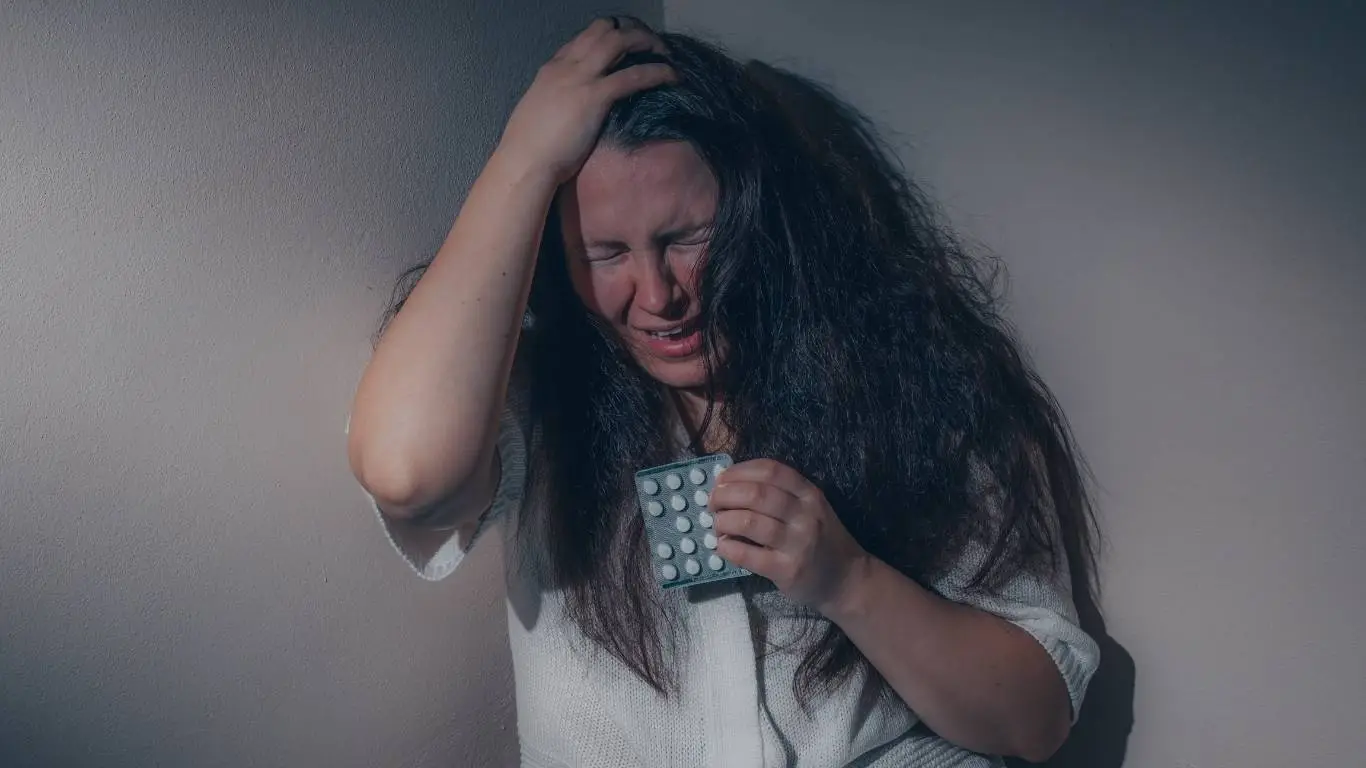
Here’s what I wish someone had told me sooner: You’re not imagining it. The pain, discomfort, and symptoms you feel are real. They just don’t come from where you think. That doesn’t make them any less valid—or serious.
Understanding how brain chemistry affects anxiety helped me realize that what I was experiencing had a biological foundation. It’s not weakness. It’s not overreaction. It’s how my body processed stress and fear.
And once I accepted that, everything changed. Slowly, I stopped fighting my symptoms and started caring for them.
If any of this feels familiar, and you’re stuck in a cycle of symptoms that doctors can’t explain, I can’t recommend enough diving into the main anxiety control guide that helped me see the big picture. It might be the perspective shift you’ve been waiting for.

Camellia Wulansari is a dedicated Medical Assistant at a local clinic and a passionate health writer at Healthusias.com. With years of hands-on experience in patient care and a deep interest in preventive medicine, she bridges the gap between clinical knowledge and accessible health information. Camellia specializes in writing about digestive health, chronic conditions like GERD and hypertension, respiratory issues, and autoimmune diseases, aiming to empower readers with practical, easy-to-understand insights. When she’s not assisting patients or writing, you’ll find her enjoying quiet mornings with coffee and a medical journal in hand—or jamming to her favorite metal band, Lamb of God.