Why Floaters That Form After Muscle Strain Should Not Be Ignored
I’ll be honest with you—when I first noticed floaters in my vision after an intense upper-body workout, I assumed I was just overtired. You know the feeling: you crush your routine, your arms feel like jelly, and everything’s kind of… buzzing. But that odd flicker, that squiggly transparent speck floating across my eye? It didn’t fade. And over the next few sessions, I noticed more of them, especially after doing weighted chin-ups or heavy deadlifts. Turns out, floaters that form after muscle strain are a thing—and not something to ignore.
Why Floaters Can Suddenly Show Up After Muscle Strain
Muscle strain, especially when it involves the upper body and neck, can indirectly mess with your eyes. Strange, right? But the connection lies in how tightly linked your posture, circulation, and ocular pressure really are. When you’re straining—say during deadlifts or pull-ups—your intrathoracic pressure spikes. That pressure change doesn’t just stay in your chest; it can ripple throughout your head and eyes. Combine that with breath-holding (the good ol’ Valsalva maneuver), and you’ve got a recipe for sudden-onset floaters.
Pressure Buildup & Eye Health: What’s Really Going On?
When you hold your breath and push through a rep, the pressure inside your body builds fast. If the vitreous gel inside your eye is already beginning to break down (which happens naturally with age), that spike in pressure might tug at the retina or stir up particles in the vitreous. Boom—sudden floaters.
There’s even a term for this. It’s called Valsalva retinopathy, and while not common, it’s a legit thing. Studies on this condition, like the ones cited at ncbi.nlm.nih.gov and aao.org, show that intense physical strain can lead to tiny retinal hemorrhages or sudden floaters.
Recognizing the Patterns: When Are Floaters Post-Workout a Red Flag?
I started noticing a pattern: floaters appeared after particularly tough sessions, especially when I skipped warmups or forgot to hydrate. They’d show up in the shower post-gym or while driving home—dark specs dancing when I shifted my eyes. This wasn’t the usual aging-related vitreous stuff; it felt sudden and specific. That’s when I started researching and found that I’m far from alone.
- Floaters right after lifting heavy? Could be pressure-related.
- Floaters combined with flashes? Don’t wait—see an eye doctor.
- Floaters that get worse when lying down post-workout? May be linked to fluid shifts or posture changes.
Some of these can be harmless. Others, though, might be early signs of retinal stress. This is especially true if you’re dealing with other factors like dehydration or pre-existing conditions like high myopia.
Risk Factors That Make You More Prone
Not everyone who lifts heavy will see floaters. But if you check a few of these boxes, the risk jumps:
- You’ve got high visual sensitivity
- You hold your breath during reps (guilty here)
- You’ve experienced elevated stress or emotional strain
- You suffer from neck tension or posture issues
- You’re dealing with dehydration post-workout
A few friends of mine in the fitness world—especially those who train hard and fast—have noticed the same thing. Some even reported floaters after coughing fits or sneezing post-workout. The truth is, any sudden change in pressure inside the head can impact the delicate balance in the eye.
What You Can Do Right Now If You’re Seeing Floaters After Straining
First, don’t panic. I didn’t. But I did get checked—which is what every eye health expert will tell you. Floaters alone aren’t usually an emergency, but they can sometimes be warning signs. Especially if they pop up suddenly and don’t fade.
- Hydrate like a pro: It’s simple, but so many gym-goers ignore this. Dehydration can worsen floaters.
- Watch your breathing: Avoid breath-holding during reps. Exhale on the effort.
- Ease neck tension: Postural strain can aggravate floaters. Try yoga or gentle stretching.
- Check your form: Especially during overhead presses, rows, and core work.
If floaters persist or come with light flashes, peripheral vision loss, or a curtain-like effect, you may be dealing with something more serious. Read more on that in this article about warning signs for retinal tears.
Is It Safe to Keep Training?
This was my biggest question. For most people, yes. But if your floaters are increasing or accompanied by pressure behind the eyes, it’s worth adjusting your routine. I personally scaled back the weight, focused more on breathwork and warmups, and stopped skipping rest days. Also, incorporating omega-3s and eye-friendly nutrients helped reduce the frequency of my post-workout floaters.
If you’re trying to figure out whether your floaters are typical or something that needs attention, I’d recommend checking this detailed guide on treatment options and this comprehensive resource on what eye floaters are and what causes them.
Natural Relief and Long-Term Care for Floaters from Muscle Strain
Once I understood that floaters from muscle strain weren’t just in my head, I started looking for ways to manage them naturally. I’m not the type to run straight to surgery unless it’s absolutely necessary, and thankfully, most floaters caused by exertion or pressure spikes don’t require invasive treatment. That said, ignoring them isn’t the way to go either.
Floaters may not be reversible in every case, but there are lifestyle shifts and natural approaches that can help reduce their visibility and frequency. And if they’re triggered by muscle strain, then prevention plays an even bigger role.
Diet Tweaks That Actually Help (I Tried These)
One of the most underestimated factors in eye health? What’s on your plate. I didn’t believe it either, until I started including more lutein-rich foods, healthy fats, and antioxidant-packed veggies in my meals. A few weeks in, I noticed the floaters became less bothersome—especially after workouts.
- Spinach, kale, and swiss chard (loaded with lutein and zeaxanthin)
- Fatty fish like salmon or mackerel (omega-3s are gold)
- Blueberries and citrus fruits (vitamin C + antioxidants)
- Avocados, walnuts, and chia seeds (anti-inflammatory fats)
If you want to go deeper, check out these diet changes that improve eye floaters naturally. I found it surprisingly helpful—especially after realizing how much processed food I was eating around my gym schedule.
Floaters and Fatigue: What No One Tells You
One thing I wish someone told me sooner: floaters can feel worse when you’re tired. Eye strain, lack of sleep, even mild dehydration from a long workout—all of these can amplify how noticeable floaters become. It’s not just your imagination.
There were days when I’d be fully rested and barely notice anything. Then other days, after a poor night’s sleep or a long cardio session, those little specs would be floating around like crazy. That’s when I found this guide on how sleep affects floaters. It hit the nail on the head.
Small Habits, Big Results
Instead of trying to overhaul everything, I started simple. Here are a few things that genuinely made a difference:
- Upped my hydration—no more skipping water on lifting days
- Reduced screen time after workouts (yep, no post-gym Netflix binge)
- Started eye yoga—just 5 mins a day helps
- Made magnesium and lutein part of my daily supplements
If you’re someone who trains intensely, these tweaks are a game changer. I’ve even added a few targeted eye exercises into my routine. They feel silly at first, but they help with fluid circulation inside the eye.
When to Seek Professional Help (and What They’ll Likely Say)
Eventually, I went to an ophthalmologist just to be sure nothing serious was going on. The good news? No retinal detachment, no macular issues. The bad news? Floaters were real—and not going away overnight. But at least I knew what I was dealing with.
Most doctors will recommend monitoring unless you have alarming symptoms, like:
- Sudden increase in number of floaters
- Flashes of light in your vision
- Dark shadows or curtain-like effect
- Loss of peripheral vision
If you’re seeing any of those, don’t wait. This article on when floaters are dangerous breaks it down perfectly.
Treatments You’ll Hear About—And What’s Worth It
Most floaters don’t need laser or surgery. But some folks go that route. I looked into it and found this useful breakdown on floaters treatment options that covers the spectrum from natural remedies to vitrectomy.
Personally, I wasn’t ready for anything that invasive. Just knowing I could manage them with better habits, less strain, and more awareness was enough for me. But hey—every case is different.
Why Prevention Still Beats Any Cure
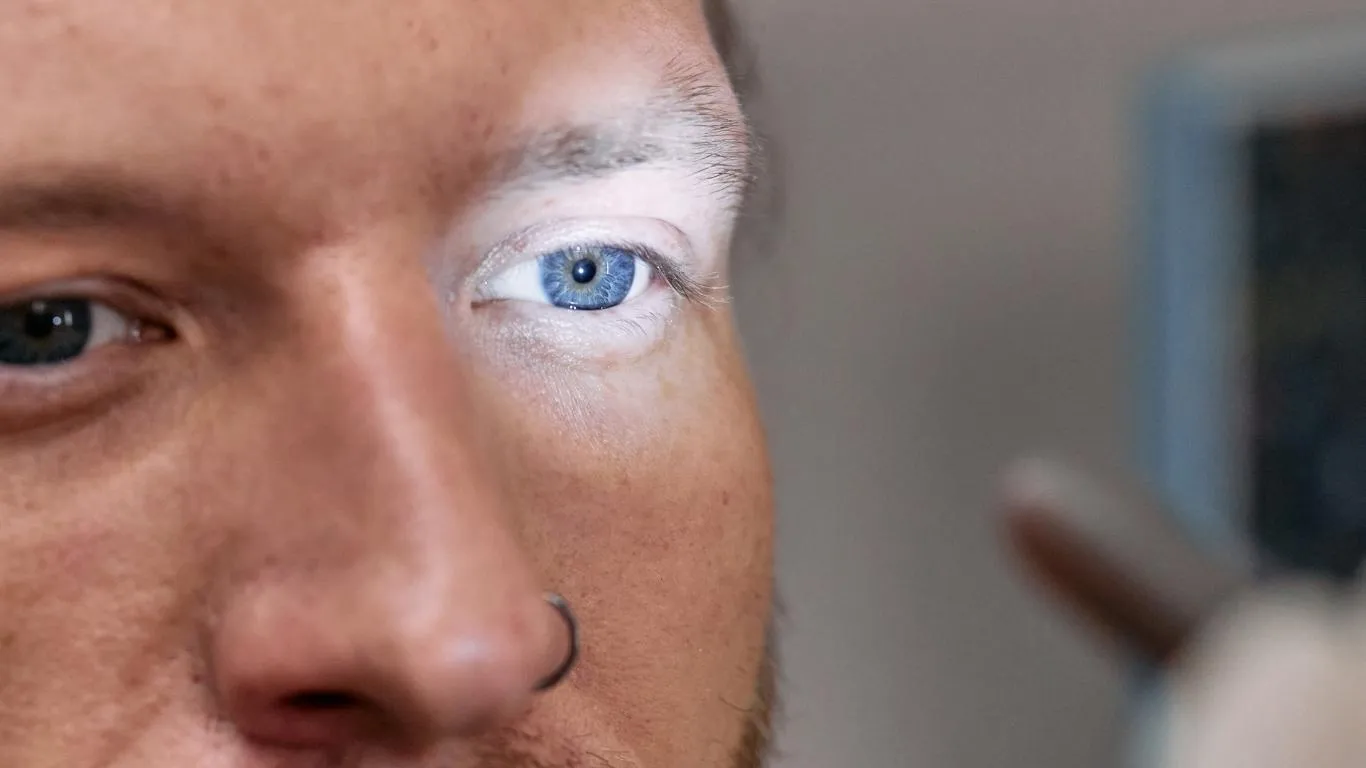
The truth is, floaters that form after muscle strain are largely preventable. Not entirely—but enough that you can make a real difference. It starts with awareness. Don’t push past form. Don’t ignore your breath. And don’t wait till you see floaters mid-set to finally take care of your eyes.
I also started reading up on other causes that might sneak in. For instance, did you know eye infections or even blunt trauma from sports can trigger similar symptoms? Floaters are weird like that—one cause can mimic another.
If you’re like me and want to stay on top of your vision while staying active, I highly recommend this deeper look at common eye floater causes. It helped me put all the puzzle pieces together. Pair that with this detailed explainer on what eye floaters really are, and you’re covered.

Camellia Wulansari is a dedicated Medical Assistant at a local clinic and a passionate health writer at Healthusias.com. With years of hands-on experience in patient care and a deep interest in preventive medicine, she bridges the gap between clinical knowledge and accessible health information. Camellia specializes in writing about digestive health, chronic conditions like GERD and hypertension, respiratory issues, and autoimmune diseases, aiming to empower readers with practical, easy-to-understand insights. When she’s not assisting patients or writing, you’ll find her enjoying quiet mornings with coffee and a medical journal in hand—or jamming to her favorite metal band, Lamb of God.