Effective Home Remedies for Acid Reflux That Actually Work
Heartburn is that annoying, burning sensation most of us have felt at some point—usually after a big, indulgent meal or late-night snack. If you’re anything like me, reaching for the antacids can become second nature. But over time, I realized relying solely on over-the-counter medications wasn’t the healthiest long-term plan. That’s when I started exploring more natural, home-based solutions for acid reflux. And you know what? Many of them actually worked better than I expected.
Why You Should Consider Home Remedies for Acid Reflux

There’s something empowering about managing symptoms with everyday items in your kitchen. Plus, home remedies often come with fewer side effects and can support your overall digestive health. When used correctly, these natural methods can complement medical treatments and even reduce your need for them.
According to Mayo Clinic, lifestyle and diet modifications are among the first lines of defense in managing acid reflux. And that’s where these home remedies shine.
Baking Soda – A Quick Fix You Might Already Have

I’ve personally turned to baking soda more times than I can count. It’s not glamorous, but it gets the job done. Because it’s alkaline, it helps neutralize stomach acid quickly. Just be cautious—this isn’t something to overuse.
How to Use It
- Mix 1/2 teaspoon of baking soda in a glass of water
- Drink slowly
- Limit to once or twice a day if needed
Too much can mess with your electrolyte balance and even raise your blood pressure. For a full usage guide, check out this detailed breakdown.
Ginger – A Root That Goes a Long Way

I’m a huge fan of ginger tea, not just for reflux but also when I feel nauseous or bloated. Ginger has natural anti-inflammatory properties and helps calm the stomach.
Easy Ways to Use Ginger
- Slice fresh ginger and steep in hot water to make tea
- Grate a small amount into smoothies
- Chew candied ginger in moderation (make sure it’s low-sugar)
According to clinical studies, ginger can accelerate gastric emptying and reduce the likelihood of acid rising into the esophagus.
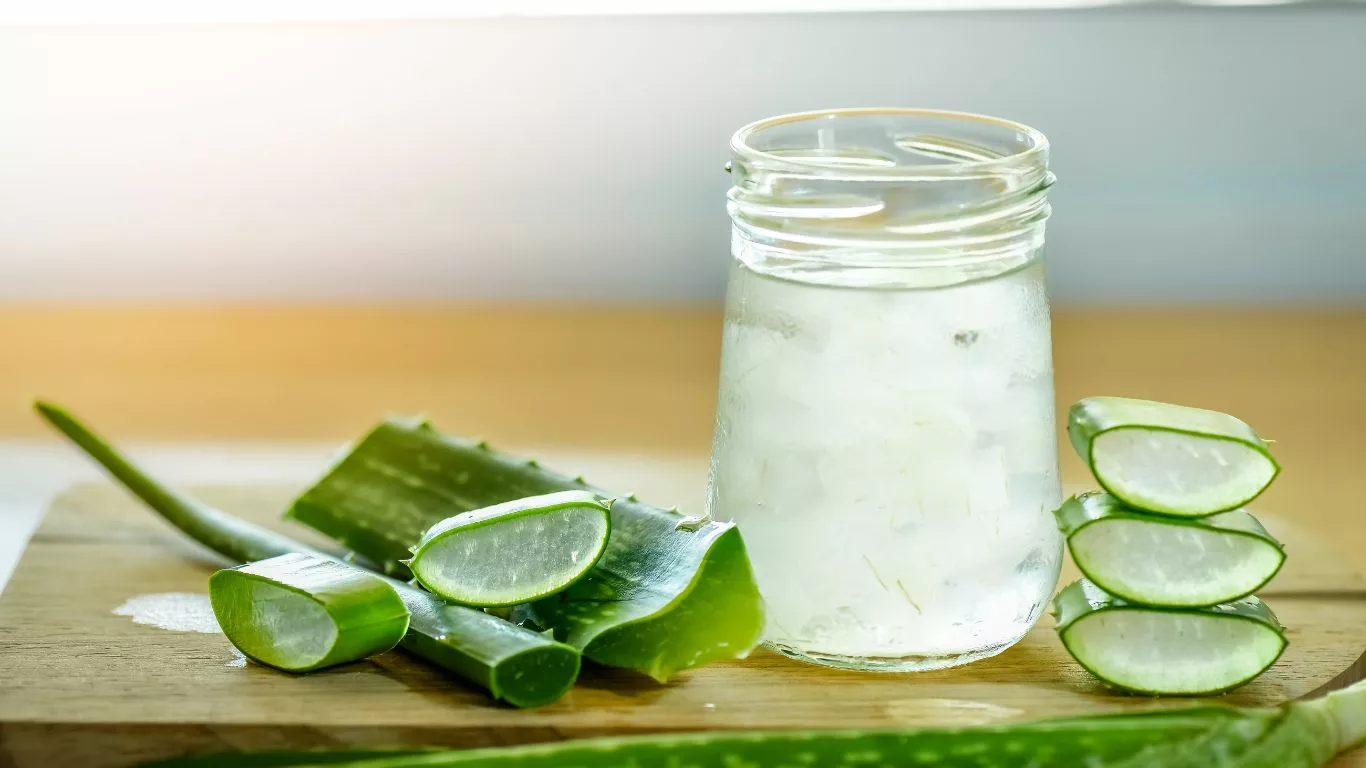
Aloe Vera Juice – A Cooling Option for Digestive Relief

At first, drinking aloe sounded weird to me. I used it for sunburns, not reflux. But after trying food-grade aloe vera juice (the decolorized, purified kind), I was sold. It soothed my stomach almost instantly.
Tips for Safe Use
- Stick with purified aloe vera juice (look for decolorized or low-anthraquinone)
- Start with 1/4 cup before meals
- Avoid overconsumption—it can have a laxative effect if not properly processed
You can learn more about safe usage and benefits in this complete aloe vera guide.
Slippery Elm – A Natural Coating for Your Esophagus

Slippery elm is underrated, but it’s a game-changer. This tree bark turns gooey when mixed with water, forming a protective layer along your esophagus and stomach lining. That means less burning and irritation.
How I Use It
- 1 tablespoon of slippery elm powder
- Mixed into warm water or herbal tea
- Drink after meals or at bedtime
It doesn’t taste amazing, but it works like a charm. For dosage and tips, this guide can help.
Licorice Root – Not the Candy Kind

DGL (deglycyrrhizinated licorice) is the one you want, not the chewy sweet stuff. DGL helps increase mucus production in the stomach, which adds a layer of protection and reduces acid damage. I’ve used DGL tablets before meals, and they’ve noticeably decreased my post-meal heartburn.
How to Take DGL
- Chew 1-2 tablets 15–30 minutes before eating
- Use 3 times daily if needed
- Choose sugar-free, chewable forms for best absorption
Read more about how DGL can work for GERD and how to use it safely.
Small, Simple Daily Shifts That Make a Big Difference

Aside from individual remedies, don’t underestimate how much lifestyle tweaks can improve reflux symptoms. When I stopped eating large meals at night and elevated the head of my bed a few inches, I noticed an immediate difference.
Everyday Habits to Adopt
- Eat smaller meals more frequently
- Avoid eating within 2-3 hours before bedtime
- Sleep with your upper body elevated by 6–8 inches
- Wear loose clothing that doesn’t constrict the abdomen
Many of these tips are also backed by this detailed guide on GERD lifestyle changes.
And if you’re curious to learn more about GERD’s root causes, symptoms, and treatment strategies, the natural remedies pillar page gives a broader view on healing from the inside out.
Apple Cider Vinegar – A Controversial Yet Helpful Aid

I know—it seems strange to add something acidic when acid is the problem. But for some people (like me in certain situations), acid reflux is actually caused by *too little* stomach acid, not too much. Apple cider vinegar (ACV) can help balance that out and improve digestion, especially when taken before meals.
How to Use ACV Safely
- Use raw, unfiltered apple cider vinegar (with the “mother”)
- Mix 1 teaspoon in a glass of warm water before meals
- Never drink it undiluted—it can harm tooth enamel and the esophagus
Not everyone will benefit, so try it cautiously. You can explore more about vinegar’s pros and cons in this guide on vinegar and reflux.
Chamomile Tea – Calm for Your Stomach and Mind

Chamomile has always been my go-to evening drink. Not only does it help reduce stress (which is a huge reflux trigger), but it also soothes the lining of the GI tract. I notice fewer flare-ups when I drink a cup at night.
Chamomile tea can also support better sleep, which matters a lot since poor sleep and GERD tend to go hand in hand.
Bananas and Oatmeal – The Reliable Comfort Duo

When I’m not feeling my best, a warm bowl of oatmeal with sliced bananas feels like a gentle hug for my stomach. Both are low-acid, high in fiber, and help absorb excess stomach acid.
- Bananas coat the esophageal lining, reducing irritation
- Oatmeal provides long-lasting fullness without triggering reflux
You’ll find more GERD-safe comfort foods in this helpful article on how oatmeal relieves heartburn.
Chewing Gum – Yes, Really

This one surprised me at first. Chewing gum stimulates saliva production, which helps wash down acid and neutralize it. Just make sure to avoid peppermint-flavored gums—those can relax the lower esophageal sphincter and make things worse.
I usually opt for cinnamon or fruit-flavored sugar-free gum after meals, especially if I feel the burn creeping up. Here’s a deeper dive into why chewing gum actually helps reflux.
Honey – A Sweet Soother

When throat irritation hits from reflux, I often reach for a teaspoon of raw honey. It’s naturally antibacterial, anti-inflammatory, and gently coats the esophagus. I usually stir it into warm chamomile tea or just take it plain before bed.
To learn when and how to use it effectively, check out this in-depth piece on honey and reflux.
When to Rethink Home Remedies

As much as I love home remedies, they’re not a cure-all. If you’re dealing with chronic symptoms, weight loss, trouble swallowing, or persistent nausea, it’s time to see a healthcare provider. You could be dealing with a more advanced form of GERD or a complication like esophagitis.
Learn the symptoms of GERD that shouldn’t be ignored to stay proactive about your health.
What Actually Worked for Me (And Might for You)

Everyone’s reflux triggers are different, but these changes made the biggest difference in my life:
- Switching to smaller, more frequent meals
- Adding aloe juice before meals and chamomile tea after
- Raising the head of my bed
- Chewing gum post-meal to boost saliva
It took some experimenting, but the more I listened to my body, the easier it became to manage symptoms naturally. And honestly, I feel better now than I did when I relied solely on meds.
Still Curious? Explore More Natural Relief Options

If you’re interested in going deeper into holistic healing, this Pillar article on natural GERD remedies is a great next step. It covers everything from lifestyle shifts to long-term herbal support and integrative therapies that go beyond just soothing symptoms.
For even more inspiration, you might also like these guides:
- Soothe acid reflux throat burn naturally
- Best bedtime drinks for GERD relief
- Herbal teas for heartburn
If you’ve made it this far, chances are you’re already on your journey toward more natural digestive wellness. Whether you try one or five of these remedies, the key is consistency and paying attention to what works best for your body. Relief doesn’t always come in a pill bottle—sometimes it starts with a cup of tea and a shift in habits.

Camellia Wulansari is a dedicated Medical Assistant at a local clinic and a passionate health writer at Healthusias.com. With years of hands-on experience in patient care and a deep interest in preventive medicine, she bridges the gap between clinical knowledge and accessible health information. Camellia specializes in writing about digestive health, chronic conditions like GERD and hypertension, respiratory issues, and autoimmune diseases, aiming to empower readers with practical, easy-to-understand insights. When she’s not assisting patients or writing, you’ll find her enjoying quiet mornings with coffee and a medical journal in hand—or jamming to her favorite metal band, Lamb of God.