Proven Back Pain Flare-Up Protocols That Actually Ease the Agony
You know that moment when you’re feeling pretty good—back pain’s been quiet, you’re moving freely, even thinking, “Hey, maybe I beat this”? Then bam. Out of nowhere, your lower back stiffens, pain shoots down one leg, and you’re back in flare-up hell. Yeah, I’ve been there. More than once. So let’s talk real talk—what actually works when your back suddenly rebels and decides you’re not leaving the couch anytime soon?
Understanding Back Pain Flare-Ups
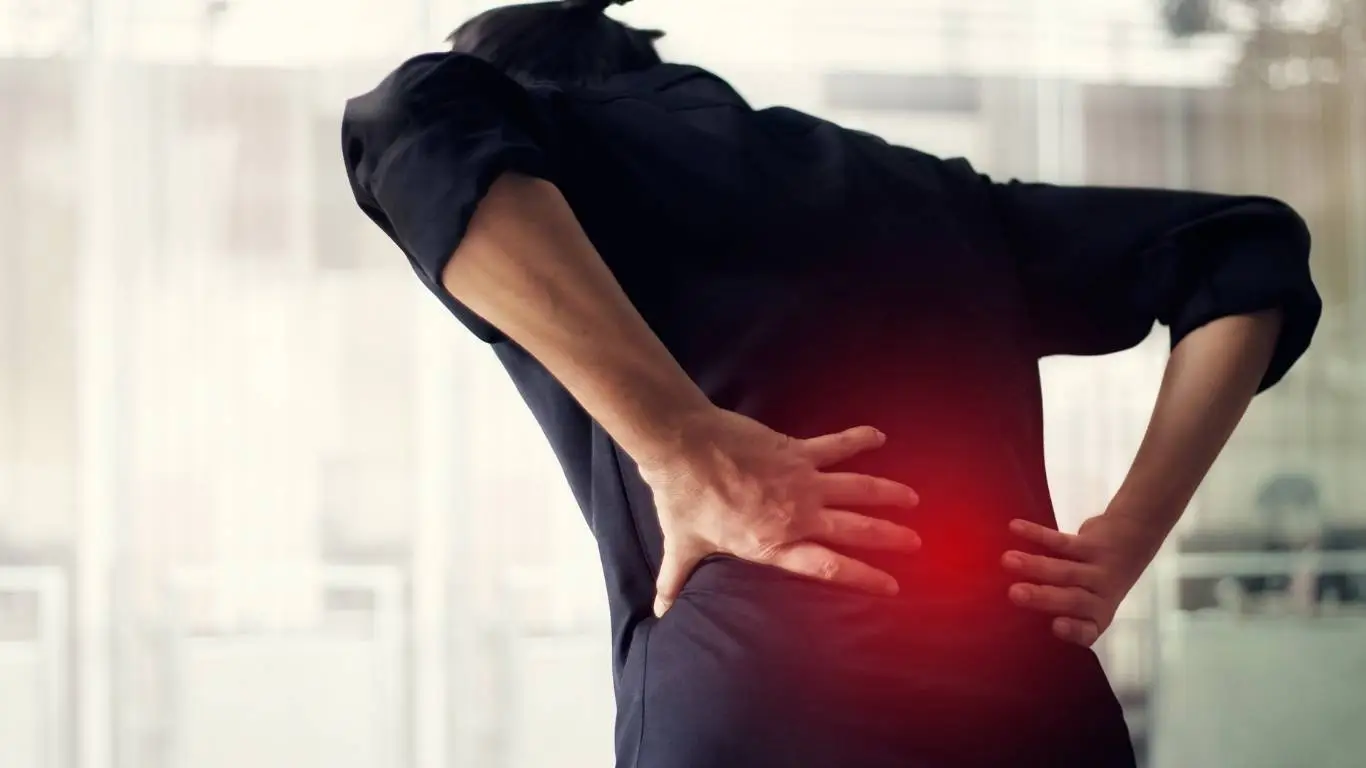
First off, a flare-up isn’t just a little discomfort. It can feel like your spine’s on fire or like your muscles have seized up in protest. These episodes are intense, short-term spikes in pain that disrupt daily life—sleep, mobility, focus, even mood.
Some of us get them after sitting too long, others after lifting groceries or just from…sleeping weird. Seriously. It doesn’t always take something dramatic. What’s tricky is that the causes of sudden back pain can be subtle—sometimes it’s about inflammation, other times it’s nerve irritation or muscle strain kicking into overdrive.
Early Response Protocol: Catch It Before It Spirals

1. Don’t Power Through It
Been guilty of this more than once—just pushing through the pain because there’s stuff to do. Big mistake. At the first sign of a flare, you need to dial it back. Not full bed rest, but ease into a recovery mode.
- Pause any intense physical activity
- Switch to light movements only—gentle walking or light stretching if tolerated
- Listen to your body—if it yells, don’t argue
2. Cold, Then Heat
This combo saved me once after a six-hour flight wrecked my back. Ice reduces inflammation in the first 24-48 hours. Then switch to heat to relax stiff muscles.
- Ice pack (20 minutes on, 40 minutes off) during the first day or two
- Warm compress or heating pad afterward for soothing relief
This isn’t just anecdotal—it’s part of most conservative back pain treatment protocols.
Flare-Up Survival Kit: What I Keep On Hand

After years of trial and error, I’ve got a little kit that lives in a drawer near my bed:
- Reusable ice and heat packs
- TENS unit (I was skeptical—now I swear by it)
- Anti-inflammatory cream with ingredients like arnica or menthol
- Back brace for support when I need to move around
- Gentle yoga flow guide—helps me ease back into mobility safely
Many of these overlap with what experts recommend in their DIY back pain relief tips. And yes, I got the TENS recommendation from a physical therapist. Game-changer.
Nutrition & Supplements During Flares
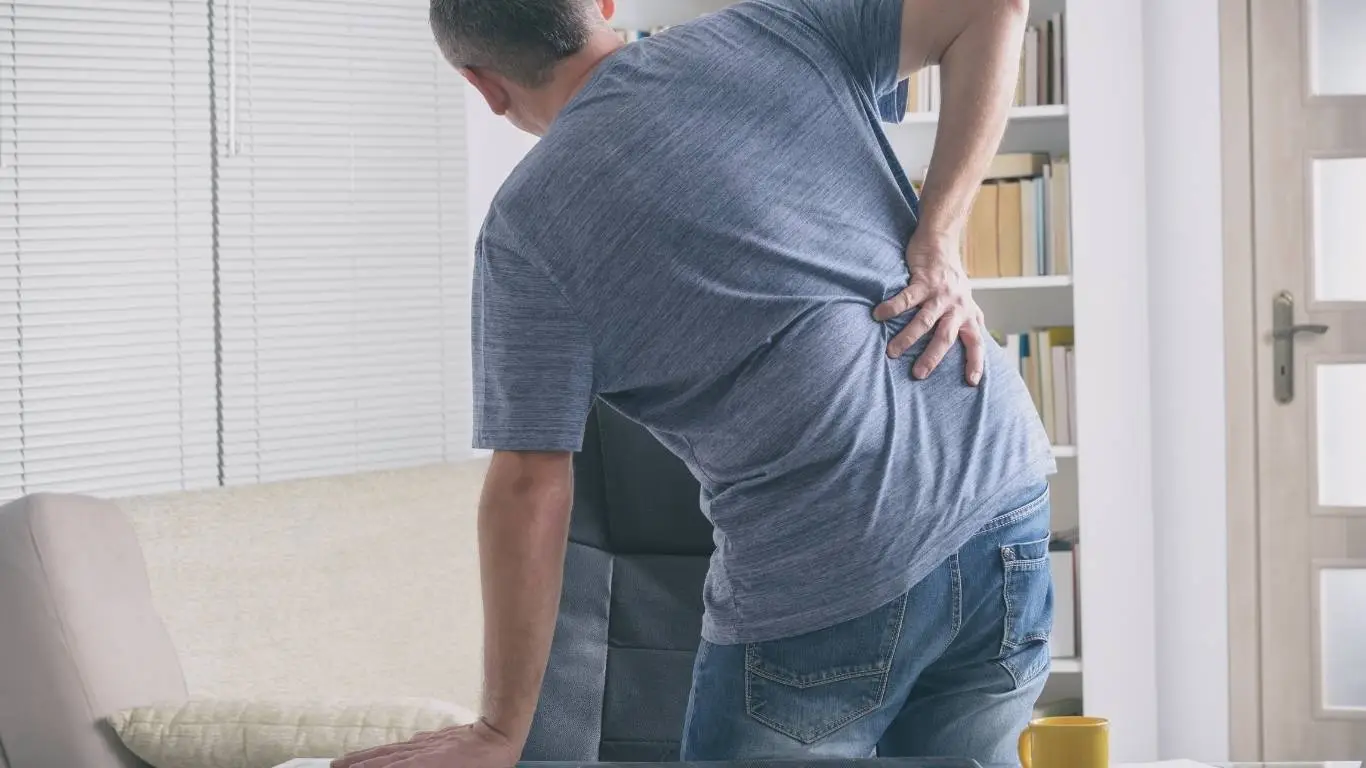
What you eat during a flare-up matters more than most people realize. I used to reach for comfort food—pizza, cookies… but turns out, that was fueling inflammation. Now I make a point to lean on anti-inflammatory choices:
- Salmon, walnuts, flaxseeds (hello Omega-3s)
- Leafy greens, turmeric, berries
- Plenty of water (I know, but seriously—it helps flush inflammation)
I’ve found that even just a few days of eating clean helps the pain calm down faster. Also, studies from ncbi.nlm.nih.gov support the link between omega-3 intake and reduced pain levels. If you’re curious about diet’s impact, the diet and natural remedies section is a solid place to start.
Managing the Mental Spiral

Okay, let’s not pretend this is all physical. Every flare-up used to come with panic: “Is this the one that takes me out for weeks?” That stress loop doesn’t help healing—it actually makes pain worse. Learned that the hard way.
What helped me get through?
- Breathing exercises—even five minutes can calm the nervous system
- Guided meditations focused on pain relief
- Writing it out—sometimes the pain needed a journal session, not a pill
The psychological angle is well-documented, and trust me—it’s not all in your head, but your brain definitely plays a role. That’s why I always keep this guide handy for the emotional impact of back pain.
When Flare-Ups Become Frequent

Look, if you’re flaring up every other week, it’s not just bad luck. There’s an underlying issue that needs attention. I had to unlearn the “push through it” mindset and instead start investigating root causes.
If flare-ups are tied to sitting posture, check out the link between prolonged sitting and spinal health. Or if they hit after workouts, you might be dealing with glute-related back strain.
The good news? There’s a full breakdown of these patterns in the symptoms & diagnosis pillar article that helped me pinpoint what was going wrong—before it got worse.
And if you’re just starting to map your way through the flare-up maze, bookmark the main back pain pillar. It’s where I started when I was lost in the weeds of conflicting advice.
How to Shorten Recovery Time After a Flare-Up

Once the sharp pain begins to fade, it’s tempting to rush back to normal. But trust me, one of the biggest mistakes I made was jumping the gun and setting myself up for another flare-up a few days later. Recovery isn’t just about “feeling better”—it’s about moving smarter.
1. Rebuild Mobility—Gradually
I used to avoid movement altogether after a flare-up, thinking rest was best. Turns out, that delay actually made my back stiffer and more prone to locking up. What helped me the most:
- Start with gentle stretches—especially ones that focus on hip flexors and hamstrings
- Incorporate pelvic tilts and cat-cow flows to wake up the spine safely
- Short walks every couple hours to reintroduce natural movement patterns
It’s no coincidence many experts recommend rehab and movement protocols as part of flare-up recovery—it’s the foundation for lasting relief.
2. Stabilize with Core Activation
One phrase I heard again and again from every PT I saw: “Strong core, happy back.” Not about six-packs—it’s about deep, stabilizing muscles like the transverse abdominis. During recovery, I do:
- Dead bugs and bird-dogs (slow, controlled, and pain-free)
- Glute bridges to re-engage posterior chain muscles
- Breathing drills to train intra-abdominal pressure support
Pair these with the benefits of Pilates—I took a few online classes and still integrate them into my weekly routine.
Smart Ergonomics to Prevent the Next Flare-Up
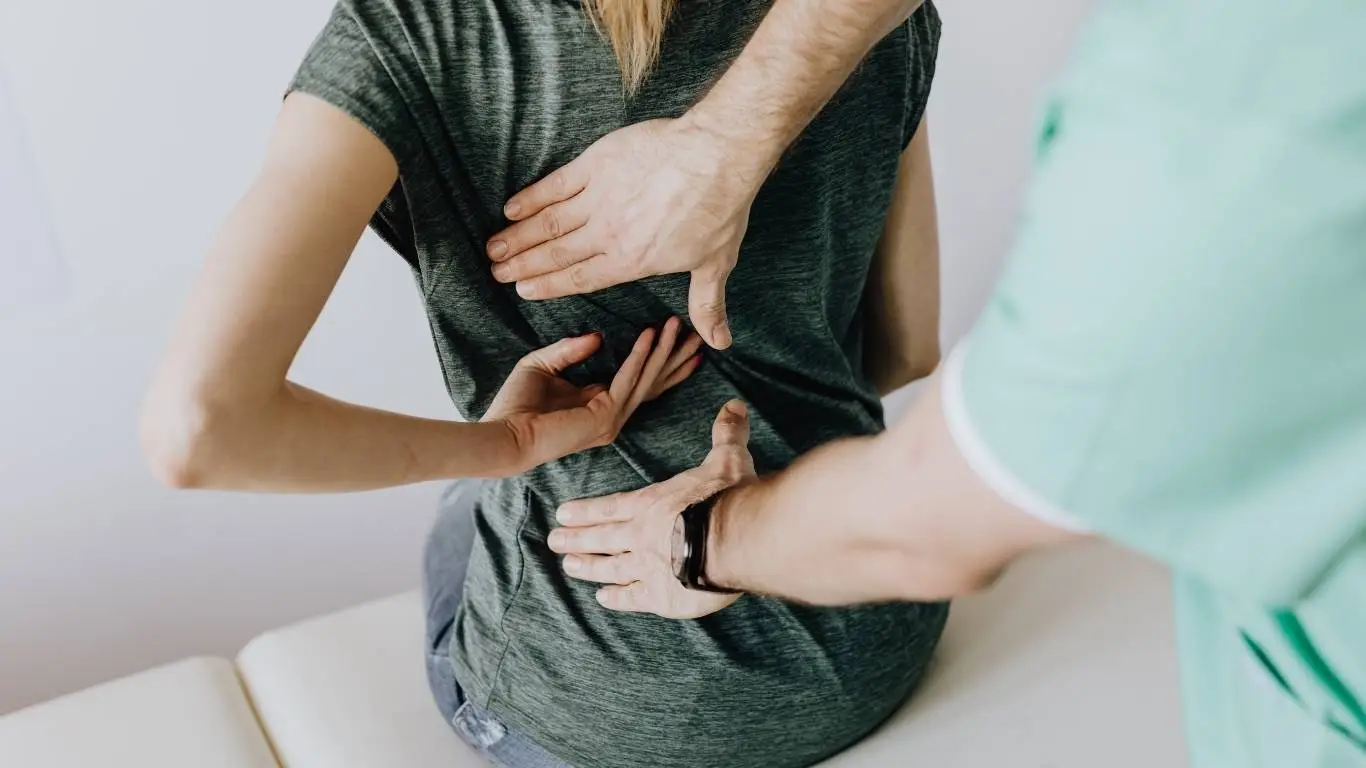
After recovering from a few nasty flare-ups, I finally realized how much my daily setup was sabotaging my spine. My chair was too soft, my monitor too low, and I’d sink into my laptop for hours like a shrimp. Sound familiar?
Quick Ergonomic Wins That Actually Helped Me
- Chair with lumbar support—not fancy, just supportive
- Footrest to keep hips and knees level
- Standing desk converter—changed my energy and reduced stiffness
It also helps to change positions every 30–45 minutes. A simple timer on my phone nudges me to shift, stretch, or walk around the room—those micro-movements add up.
Rebuilding Confidence After Setbacks

One of the hardest parts of flare-ups isn’t just the physical pain—it’s the mental “what ifs” that creep in afterward. I remember hesitating to lift anything over 10 pounds for months. It took time to trust my body again.
Here’s what worked for me:
- Track small wins—first pain-free walk, first good night’s sleep, first workout back
- Use journaling or pain-tracking apps to see your actual progress over time
- Talk to a pro—a few sessions with a pain psychologist helped me stop fearing movement
It’s part of why I now revisit the mental & emotional side of back pain regularly—it’s not just fluff. It’s foundational.
When It’s Time to Seek Professional Help

If your flare-ups are happening more often, taking longer to resolve, or coming with symptoms like numbness, radiating pain, or weakness—you need to go deeper. I waited too long to consult a specialist, and it cost me months of progress.
Common red flags that need attention:
- Red flag symptoms like fever, bowel issues, or unexplained weight loss
- Pain that worsens at night or wakes you up
- Progressive weakness or foot drop
At that point, imaging like MRI or nerve studies may be in order. Don’t tough it out—clarity can bring peace of mind or help you act early.
If you haven’t already explored it, I highly recommend checking the in-depth guide on causes of back pain—it helped me understand the difference between mechanical issues, disc problems, and muscle imbalances.
And for the bigger picture on what your spine might be trying to tell you, the main Back Pain resource hub is where I still return to check symptoms, treatments, and prevention tips when something flares up.

Camellia Wulansari is a dedicated Medical Assistant at a local clinic and a passionate health writer at Healthusias.com. With years of hands-on experience in patient care and a deep interest in preventive medicine, she bridges the gap between clinical knowledge and accessible health information. Camellia specializes in writing about digestive health, chronic conditions like GERD and hypertension, respiratory issues, and autoimmune diseases, aiming to empower readers with practical, easy-to-understand insights. When she’s not assisting patients or writing, you’ll find her enjoying quiet mornings with coffee and a medical journal in hand—or jamming to her favorite metal band, Lamb of God.