When BV Causes Pelvic Pain Or Cramps: What To Know
I remember the first time I felt a weird cramping sensation that didn’t quite match the usual menstrual cycle timing. It wasn’t excruciating, but it was nagging — just enough to make me pause and wonder what was going on. After a week of Googling symptoms and a couple of uncomfortable days, I finally visited my OB-GYN. The diagnosis? Bacterial Vaginosis, or BV. Honestly, I didn’t expect that. What surprised me more was how BV could be tied to something as unsettling as pelvic discomfort. So, if you’re wondering whether BV can cause pelvic pain or cramps, you’re definitely not alone. Let’s talk about what I learned — and what the experts say.
Can BV Actually Cause Pelvic Pain or Cramps?

Technically, BV is an imbalance of the normal bacteria in the vagina — it’s not classified as a pelvic infection. But here’s the catch: even though BV mostly causes symptoms like unusual vaginal odor or discharge, some women (including myself) experience cramping that feels a lot like pelvic pain.
The medical community is a bit divided on this. While BV isn’t known as a primary cause of pelvic pain, it can lead to inflammation that radiates into the lower abdomen. This pain might not always be sharp, but more like a dull, persistent ache — and yep, it can absolutely mimic mild cramps.
What Causes the Cramping Sensation?
The cramping associated with BV isn’t usually from the uterus itself. Instead, it’s often the result of inflammation in the vaginal walls and surrounding tissues. When your body detects that something’s off — like an overgrowth of anaerobic bacteria — it goes into mild panic mode, triggering inflammation as a defense mechanism.
In some cases, the immune response releases prostaglandins (those sneaky molecules also involved in menstrual cramps), which can lead to sensations that feel like mild to moderate cramping.
When It’s More Than Just BV

If the pelvic pain you’re experiencing is sharp, persistent, or accompanied by fever or spotting, it’s time to investigate further. BV itself may not be directly responsible for severe pain — but it can make you more vulnerable to complications like:
- Pelvic Inflammatory Disease (PID) – Untreated BV can make it easier for infections to travel upward into the uterus and fallopian tubes. PID is a whole different beast and a major cause of serious pelvic pain.
- Increased sensitivity – Chronic BV may leave the vaginal tissues inflamed and hypersensitive, which may make you more likely to notice discomfort or cramps even during minor infections or after intercourse.
If you’re in doubt, a visit to your healthcare provider and a simple swab test can clear things up. For more on how it’s diagnosed, check out our guide to BV diagnosis.
My Experience with Pelvic Cramping and BV
Not everyone experiences BV the same way. For me, the cramping was mild but persistent. It felt like a cross between PMS and digestive bloating — very confusing. At first, I thought I was having an early period or maybe ate something weird. Only after connecting the dots (and let’s be honest, spiraling on WebMD) did I realize it might be gynecological. Sure enough, it was BV.
And here’s what I didn’t know: recurring BV can cause ongoing low-level discomfort. I’ve since learned the hard way that recurrence is pretty common — and yes, it can come with those familiar pelvic twinges. If you’re dealing with repeat infections, this might explain your ongoing discomfort. Learn more about why BV keeps coming back.
Could Other Symptoms Be Confused with Pelvic Pain?

Absolutely. Sometimes, what feels like pelvic pain is actually just bloating, muscle fatigue, or even gastrointestinal issues. But here’s where it gets tricky: BV symptoms can vary wildly. Some women only notice odor or discharge, while others, like me, experience subtle pressure or twinges in the lower abdomen. And if you’re pregnant? That’s a whole new layer. BV during pregnancy has been linked to complications — learn more in our pregnancy and BV treatment guide.
So how do you tell them apart? Start by tracking your symptoms and when they occur. Pain that intensifies during intercourse, worsens during your period, or feels one-sided could point to something more serious than BV alone.
How Common Is Pain with BV?
While pain isn’t the most common symptom, it’s definitely not rare. Some stats estimate that up to 10% of women with BV experience lower abdominal discomfort. And here’s what makes it tough — that discomfort is often dismissed as either PMS or stress-related. That’s why it’s so important to listen to your body and advocate for testing if something feels off.
Want a quick refresher on typical BV symptoms? Visit our full breakdown on BV signs and symptoms.
When to See a Doctor (and What to Ask)

If you’re experiencing cramps that don’t line up with your menstrual cycle — especially if they come with discharge or an unusual smell — it’s worth booking a check-up. Your doctor may perform a pelvic exam and recommend treatment based on your symptoms.
- Ask about testing for other infections – BV can open the door for other bacterial or yeast infections. Make sure you’re covering all bases.
- Be honest about your symptoms – Mention any pain, no matter how mild. It helps your provider paint the full picture.
- Track recurring issues – Recurrence might require different treatments or lifestyle adjustments. Check our guide to BV prevention tips.
And if you’re wondering what the best long-term approach is, there’s no one-size-fits-all. Some women swear by probiotics, others by lifestyle changes. Find what works — and most importantly, don’t ignore the signs your body is giving you.
Explore more on bacterial vaginosis basics or dive into common causes and risk factors for a deeper understanding.
How BV Can Indirectly Lead to More Serious Pelvic Pain

One thing I didn’t fully understand early on was how something that starts as a simple vaginal imbalance could lead to deeper, more serious issues. But here’s the deal — if BV isn’t treated or if it keeps recurring, it can make your body more vulnerable to infections that go beyond the vaginal area. And that’s where the real pelvic pain can start to creep in.
The most notable condition? Pelvic Inflammatory Disease (PID). It’s not caused by BV directly, but the presence of BV increases the risk of bacteria reaching your uterus and fallopian tubes, especially after procedures like IUD insertion or unprotected sex. Once infection spreads to those organs, the pain can become persistent, even debilitating in some cases. Mayo Clinic and NIH data both point to untreated vaginal infections being a major contributor to PID cases in women of reproductive age.
Signs It’s Progressing to Something Worse
So how do you know if your cramps are just mild BV-related discomfort — or a warning sign of something more?
- Persistent or sharp pain in one or both sides of your pelvis
- Fever or chills
- Lower back pain
- Unusual bleeding between periods
If you notice any of those, it’s time to move from “wait and see” mode to “get checked immediately.” These symptoms could signal PID or even other gynecological issues unrelated to BV. For self-evaluation tips, visit this guide on self-diagnosing BV.
Managing Discomfort at Home

Okay, so what if you’re fairly sure your cramps are BV-related and not from something more serious? There are a few ways to relieve the discomfort at home while waiting for treatment to kick in — or to prevent recurrence in the first place.
- Warm compress – A heating pad across the lower abdomen can work wonders for relaxing tense muscles and easing light cramping.
- Stay hydrated – Dehydration can worsen inflammation, so water is your friend here.
- Diet tweaks – Reducing sugar, increasing fiber, and avoiding processed foods can actually influence your vaginal microbiome. Curious how? Read about how sugar affects BV.
- Probiotic support – Incorporating foods like yogurt or taking probiotic supplements may help balance the bacteria in your vaginal ecosystem. More on this in our probiotic guide for BV.
While these are supportive strategies, they’re not substitutes for medical treatment. BV is, after all, a bacterial infection — and in most cases, you’ll need antibiotics like metronidazole or clindamycin, depending on your situation. Learn more about treatment options here.
Should You Be Worried About Recurrence?
Short answer? Not necessarily — but staying proactive matters. I’ve had a couple of relapses after completing antibiotics, and they caught me off guard. Turns out, it’s pretty common. BV tends to recur in about 50% of women within a year of treatment, according to CDC estimates.
The best thing you can do is learn your triggers. For me, it was stress and certain hygiene products (I ditched anything scented and never looked back). Others find that their diet or even their underwear material plays a role — yes, really. Dive into how your underwear can affect BV for more on that.
Does BV Pain Mimic Other Conditions?
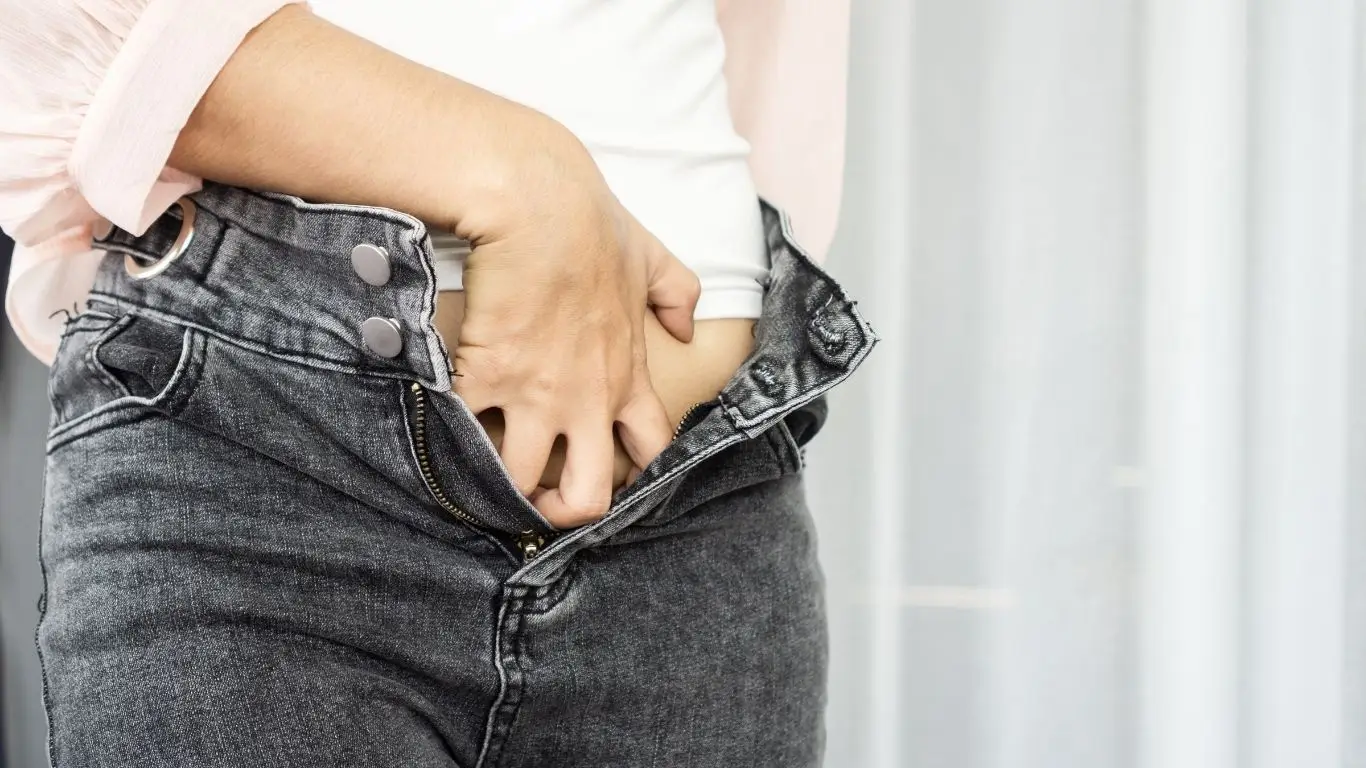
This one hit me hard — I was almost convinced I had a UTI or even endometriosis at one point. The thing is, BV symptoms can really throw you for a loop. The cramping and pressure can feel eerily similar to:
- Bladder infections (UTIs)
- Ovarian cysts
- Endometriosis flares
- Menstrual cramping
Because the symptoms can blur together, misdiagnosis is a genuine risk. One friend of mine was treated for yeast infections three times before her doctor finally tested for BV. The takeaway? Don’t self-treat based on guesswork — always get a proper diagnosis if the symptoms linger or worsen.
Need help telling the difference between infections? Our detailed breakdown on BV vs. yeast infections can help clear up the confusion.
What to Discuss With Your Healthcare Provider

When you do see a doctor, make the most of that visit. Here are a few things worth bringing up:
- Exact timing and nature of your pain – Is it constant? Is it tied to your cycle or triggered by sex?
- History of recurrence – If you’ve had BV more than once, ask about longer-term solutions. There may be suppression therapies available.
- Partner treatment – Some studies suggest treating partners might reduce recurrence, especially if the infection follows sex. Explore the topic further here.
In my case, a simple switch in birth control method (with my doctor’s help) made a big difference. Turns out, hormones can influence BV flare-ups too — something I’d never considered.
The Bottom Line on BV-Related Pelvic Pain
While BV doesn’t always lead to pain, when it does, it’s important not to ignore it. Whether it’s a dull cramp or a sharp twinge, it’s your body’s way of signaling that something is off. For many women, managing BV means more than just treating an infection — it’s about understanding your body, staying aware of patterns, and taking proactive steps to reduce risk.
Still navigating your journey? Start with our symptom guide and branch out from there.
For a deeper dive into prevention and recurrence, don’t miss the full recurring BV resource here, or explore the main article on Bacterial Vaginosis for a full breakdown of causes, symptoms, and treatment options.

Dr. Gwenna Aazee is a board-certified Internal Medicine Physician with a special focus on hypertension management, chronic disease prevention, and patient education. With years of experience in both clinical practice and medical writing, she’s passionate about turning evidence-based medicine into accessible, actionable advice. Through her work at Healthusias.com, Dr. Aazee empowers readers to take charge of their health with confidence and clarity. Off the clock, she enjoys deep dives into nutrition research, long walks with her rescue pup, and simplifying medical jargon one article at a time.