
Daily Checklist To Prevent Back Strain That Actually Works
If there’s one thing I’ve learned after years of dealing with intermittent back issues, it’s that prevention beats any painkiller or therapy session. These days, before I even pour my morning coffee, I run through a personal checklist that helps me keep back strain at bay—whether I’m working from home, lifting groceries, or going on a weekend hike. It’s not complicated. But it works. So, here’s what a simple daily checklist can look like when your back health actually matters.
Start With the Right Sleep Setup

Evaluate Your Mattress and Pillow
Most people don’t realize their mattress might be causing back strain. I replaced mine after years of waking up with tightness in my lower back, and it made a night-and-day difference. Look for medium-firm support, and make sure your pillow keeps your neck aligned with your spine.
Use Proper Sleeping Positions
- Sleep on your side with a pillow between your knees
- If you sleep on your back, put a cushion under your knees
- Avoid stomach sleeping—it twists your neck and overarches your spine
Small tweaks, big results. No chiropractor needed at 6 AM.
Morning Stretch Routine: Don’t Skip It

This is where most of us fall short. Five minutes of targeted stretching can unlock muscles that stiffen overnight. Not the usual toe-touching nonsense—we’re talking real, spine-supporting moves.
Recommended Stretches
- Cat-Cow stretch: Great for spinal mobility
- Knees-to-chest: Gently decompresses the lower back
- Standing hamstring stretch: Loosens tight legs pulling on your pelvis
If your hamstrings are tight, your lower back will feel it. No exceptions. Here’s a breakdown on how hamstrings affect back strain.
Desk Setup: Optimize or Suffer
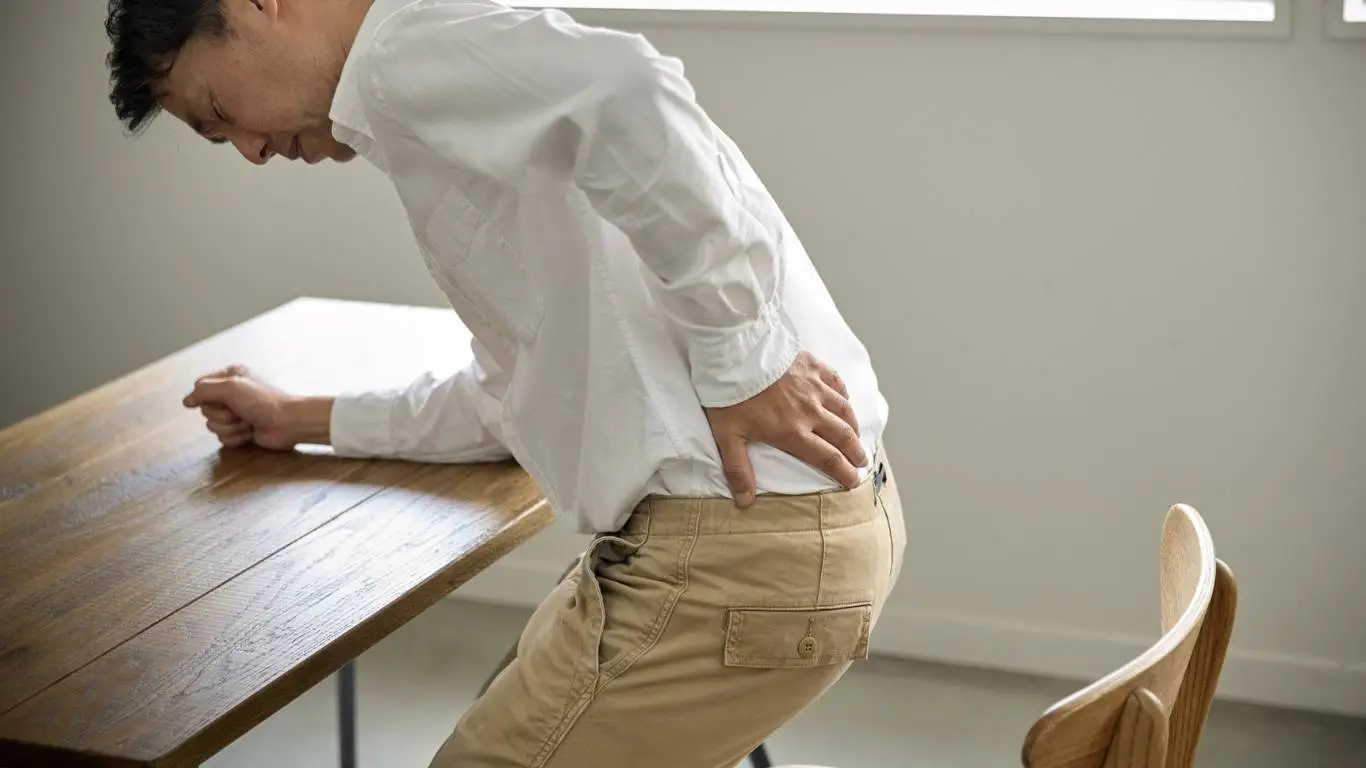
Your workstation isn’t just a place you answer emails—it’s where poor posture becomes chronic pain. I learned this the hard way during the 2020 remote work shift. Fix it before it breaks you.
Ergonomic Checklist
- Use a chair with lumbar support
- Keep monitor at eye level to avoid neck tilt
- Feet flat, knees at 90 degrees
- Desk height should allow forearms to rest comfortably
It’s worth reviewing this guide to ergonomic chairs for back pain if you’re unsure your current setup is helping or hurting.
For more on posture’s silent damage, read about how posture leads to back pain.
Hydration and Movement Reminders

It might sound odd, but your water bottle could be your back’s best friend. Discs between your vertebrae need hydration. And the bonus? Getting up to refill your water every hour reminds you to move. Sedentary days are the real back strain triggers.
My Hydration + Movement Routine
- Set a timer: 45 minutes work / 5-minute stretch
- Drink 2-3 liters a day—spread evenly
- Alternate between standing and sitting with a desk converter
This kind of routine helps counteract the damage of prolonged sitting, especially when sitting is silently wrecking your spine.
Strengthen Your Core (Even if You Hate the Gym)

You don’t need six-pack abs. You need stable ones. A strong core means your back doesn’t have to work overtime supporting your upper body. Honestly, I hated planks. Still do. But they’re one of the few exercises that directly help my back survive long workdays.
Easy Core Exercises for Daily Checklist
- Modified planks: Start with 20 seconds daily
- Bird-dog: Stability and balance boost
- Bridge holds: Glutes + lower back engagement
Speaking of weak glutes, it’s a shocker how they mess with your lower back. You might want to check out why weak glutes cause back strain.
Make Lifting Smart, Not Heroic

I used to bend at the waist to pick up laundry baskets. Then I threw my back out trying to lift a bag of dog food. Since then, I’ve followed one golden rule: bend your knees, not your spine. That little form adjustment is a back-saver.
Lifting Form Checklist
- Keep item close to your body
- Squat down with a neutral spine
- Use your legs—not your back—to rise
- Don’t twist while lifting
If you have recurring pain after lifting, this could be more than strain—learn more in this guide on muscle strain recovery.
Nutrition That Has Your Back

Back health starts in your gut, surprisingly. I started eating more anti-inflammatory foods like leafy greens, turmeric, and omega-3-rich fish after realizing chronic inflammation was prolonging my back pain. It’s not just hype—there’s science behind it (see ncbi.nlm.nih.gov and mayoclinic.org).
Here’s a great resource on the anti-inflammatory diet for back pain that helped me tweak my grocery list.
Curious how diet and lifestyle impact broader back health? Check out the full pillar on back pain and lifestyle choices.
For a complete overview of causes, diagnosis, and treatment options, refer to this comprehensive back pain guide.
Use Support Tools (They’re Not Just for Injuries)

Honestly, I used to think things like lumbar cushions or braces were only for people in recovery. Turns out, they’re just smart tools—especially when you’re driving for hours or sitting on unforgiving chairs. One of the best changes I made was throwing a lumbar cushion in my car and office chair. Game-changer.
Recommended Tools
- Memory foam lumbar cushions
- Supportive back braces for heavy lifting days
- Standing desk converters
- Foam rollers for post-workout recovery
Even something as simple as tweaking your car setup matters. Here’s a breakdown on back-friendly car ergonomics if you’re on the road a lot.
Be Smart About Exercise

Let’s be real—exercise is vital, but not every workout is back-friendly. I’ve learned (often the hard way) that skipping warm-ups or lifting too heavy without form checks is a one-way ticket to injury. These days, I keep it intentional. Consistent movement, yes. But smart movement above all.
Back-Friendly Exercises
One thing I personally found transformative? Pilates. Not the trendy Instagram stuff—just solid, core-focused, guided routines. Learn why Pilates can be a game-changer for your spine health.
Watch Your Shoes. Seriously.

Here’s something I didn’t take seriously for years: shoes. I used to walk miles in flat-soled sneakers with zero support—until I realized my feet were quietly sabotaging my lower back. Investing in proper footwear was like flipping a switch.
What to Look For in Shoes
- Arch support that matches your foot type
- Cushioning that absorbs shock
- Firm heel counter to prevent rolling
If your back pain tends to flare up after long walks, it might be worth digging into how bad footwear impacts back health or why flat feet lead to back problems.
Check for Muscle Imbalances

Here’s where things get a bit deeper. After months of recurring tension, I went to a physical therapist who pointed out a surprise: my hips and glutes were doing none of the work, so my back took the load. Turns out, muscle imbalances are a silent contributor to chronic back strain.
They’re often overlooked but can show up as:
- One-sided back tightness
- Uneven hips or shoulders
- Recurring pain during certain exercises
Regular strength training, mobility assessments, and strategic stretching helped me balance it all out. Definitely worth considering if nothing else seems to work.
Mental Stress: The Hidden Culprit

Here’s one a lot of people overlook: your mind plays a bigger role than you think. I’ve had days where nothing physically changed—no injury, no new workouts—yet my back felt tight. After enough patterns, I connected the dots: high stress equals high tension.
Daily Mind-Body Practices
- Mindfulness meditation
- Cognitive Behavioral Therapy (CBT)
- Guided breathing techniques
The science backs it up too. Chronic stress keeps your muscles on high alert—especially in your shoulders and back. For me, building 10 minutes of breathing practice into my mornings did more than stretching ever could. Reliable resources like psychologytoday.com have great insights here too.
Know When to Get Help

I ignored warning signs once. Just once. It ended in three weeks of limited movement, daily icing, and frustration. So here’s my PSA: if something doesn’t feel right—really doesn’t—go get it checked. There’s no prize for muscling through pain that might signal something serious.
Red Flags You Shouldn’t Ignore
- Back pain accompanied by numbness or tingling
- Loss of strength or coordination
- Unexplained weight loss or fever
For more on this, I recommend checking the signs covered in this guide on red flags in back pain.
Small Habits Add Up

In the end, it’s never about one giant fix. It’s the little things done daily—stretching for five minutes, choosing the right chair, doing that one glute bridge. The good news? Once these become part of your routine, they feel less like effort and more like self-respect. That’s how you prevent back strain before it becomes your daily narrative.
If you haven’t already, make sure to explore the pillar on back pain exercise, rehab, and ergonomics for deeper insight on movement strategies and safe routines.
And for a broader understanding of all things back health—symptoms, causes, and treatment paths—don’t miss the complete main back pain resource at Healthusias.

Camellia Wulansari is a dedicated Medical Assistant at a local clinic and a passionate health writer at Healthusias.com. With years of hands-on experience in patient care and a deep interest in preventive medicine, she bridges the gap between clinical knowledge and accessible health information. Camellia specializes in writing about digestive health, chronic conditions like GERD and hypertension, respiratory issues, and autoimmune diseases, aiming to empower readers with practical, easy-to-understand insights. When she’s not assisting patients or writing, you’ll find her enjoying quiet mornings with coffee and a medical journal in hand—or jamming to her favorite metal band, Lamb of God.