Why Some Migraines Cause Tingling in Face and How to Handle It
Neurological Pathways That Explain the Facial Tingling

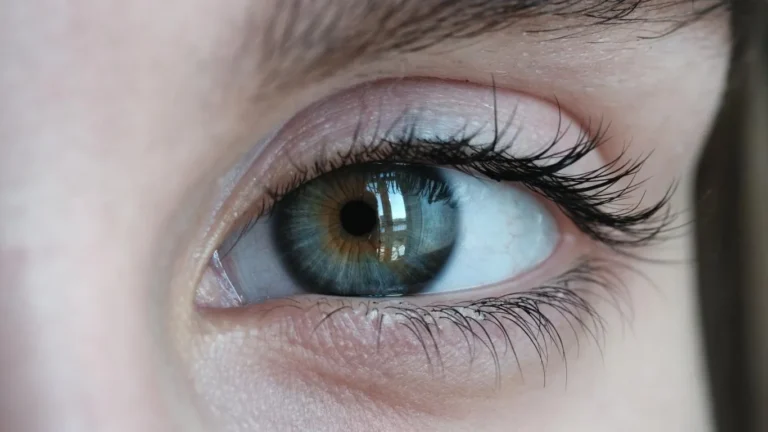
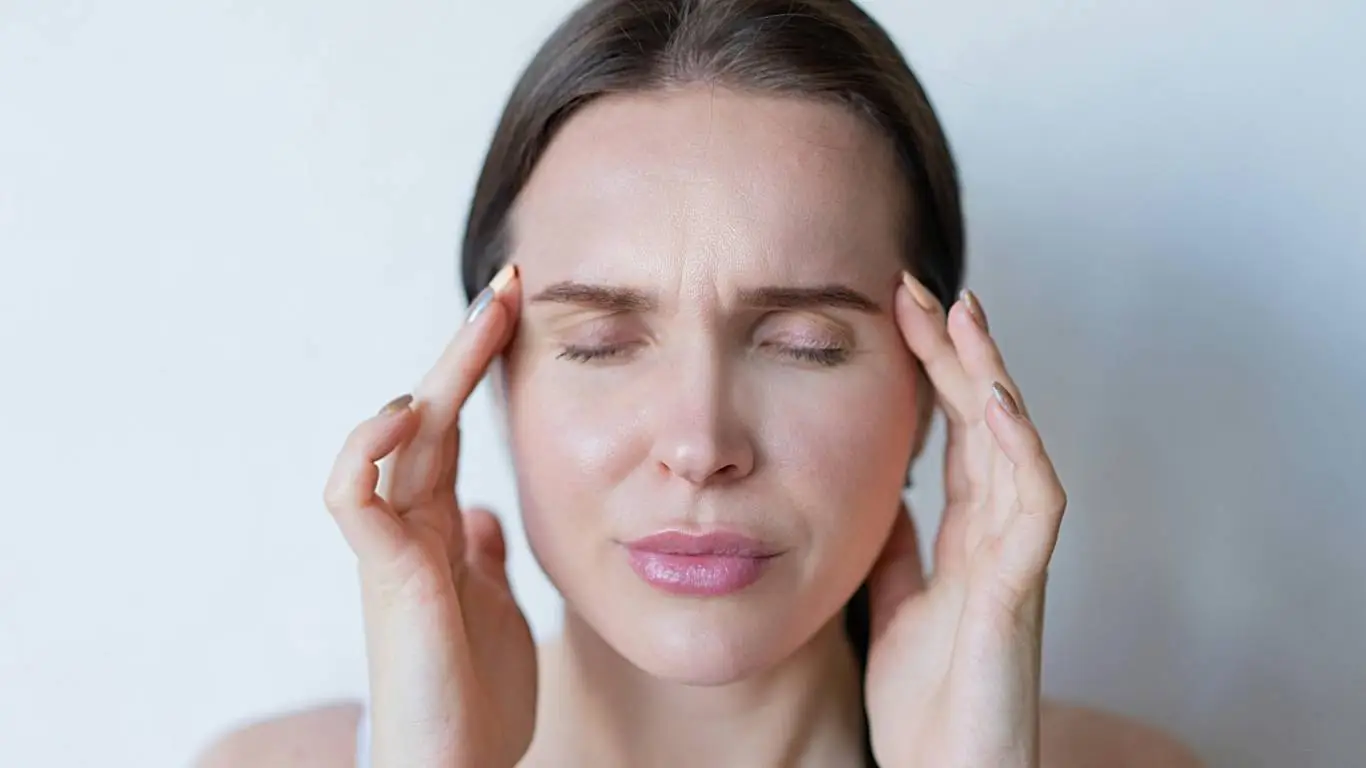
If you’ve ever experienced that unnerving pins-and-needles sensation across your cheek or around your eye during a migraine, you’re definitely not alone. It’s not just random. There’s a complex, scientific reason rooted in how our brain processes pain and sensory input during a migraine.
What the Trigeminal Nerve Has to Do With It
The trigeminal nerve is essentially the VIP of facial sensation. It’s the main nerve that branches out across your forehead, cheeks, and jaw. When a migraine attack hits, the trigeminal nerve is often one of the first systems to go haywire. This nerve can become hyperactive or inflamed, sending confused signals — like tingling or numbness — even when there’s no external trigger.
I still remember sitting in a meeting when I first noticed a strange fizzing sensation just under my eye, followed by that familiar dull migraine throb. It felt like static electricity dancing across my face — bizarre and slightly terrifying. Only later did I learn it was the trigeminal nerve acting out.
In fact, many people with migraine with aura report facial sensations on just one side of the face — commonly linked to this very nerve.
How Migraine-Triggered Cortical Spreading Depression Fits In
Cortical Spreading Depression (CSD) is another major player. This wave of electrical activity sweeps across the brain, temporarily disrupting normal nerve function. When CSD affects the areas of the brain responsible for facial sensation, you might feel numbness, tingling, or even mild twitching.
Interestingly, CSD has also been observed in hemiplegic migraines — a rare and intense subtype that can mimic stroke-like symptoms, including facial tingling and temporary paralysis.
The Role of Hormones and Triggers in Facial Tingling

Facial tingling doesn’t always show up in every migraine attack. It can be deeply influenced by your body’s hormonal state and environmental triggers.
Estrogen Drops and Sensory Changes
One big culprit? Hormonal fluctuations — especially the drop in estrogen around menstruation. I’ve personally found that my tingling episodes tend to appear right before my cycle starts. Turns out, I’m not imagining it. Estrogen modulates how sensitive our neurons are. When levels dip, nerve cells can misfire, producing odd sensations like tingling.
If that sounds familiar, you might want to explore menstrual migraines to see how your cycle could be tied to your symptoms.
Other Common Triggers That Can Worsen Sensory Symptoms
- Stress: Emotional stress can amplify neurological symptoms.
- Lack of Sleep: Increases sensitivity in the nervous system.
- Certain Foods: MSG, aged cheese, and nitrates can trigger facial symptoms in some.
- Weather Changes: Especially sudden barometric pressure shifts.
Explore the deeper link between stress and migraines or even food-triggered attacks if you’re still troubleshooting your triggers.
When Facial Tingling Might Be a Red Flag

While facial tingling during migraines is usually harmless, there are some situations where it might signal something more serious — and knowing the difference can literally be life-saving.
Migraine or Something Else?
Here’s the tricky part: facial tingling is also a symptom of more dangerous conditions like stroke or multiple sclerosis. The difference often lies in the timeline and combination of symptoms.
- Sudden Onset: Stroke symptoms usually come on fast, while migraine aura builds gradually.
- Weakness or Speech Problems: If facial tingling is paired with slurred speech or limb weakness, go to the ER.
- First-Time Symptoms: If you’ve never had tingling before during a migraine, get checked out. Better safe than sorry.
It’s worth exploring a medical evaluation. Here’s how migraine diagnosis typically works — especially when unusual symptoms are involved.
Should You See a Neurologist?
Yes — especially if tingling becomes more frequent or severe. A specialist can rule out other conditions like trigeminal neuralgia or even seizure disorders that may mimic migraine symptoms. You can get a sense of when it’s time to talk to a pro here: neurologist for migraine.
What You Can Do to Manage It Better

Track It Like a Pro
One of the best tools I’ve ever used is a migraine diary. When I started logging exactly when the tingling happened — time of day, stress level, food intake, sleep hours — I started noticing patterns I could actually act on.
Give it a try with this migraine diary guide, which helped me pin down hidden triggers I didn’t expect.
Supplements That Support Nerve Health
While there’s no miracle pill, several supplements have shown promise for both migraine relief and nervous system support. Some I personally found helpful include:
- Magnesium – helps reduce nerve excitability.
- Vitamin B2 + B6 – supports healthy nerve signaling.
- Omega-3s – reduces inflammation and supports brain health.
Try a More Holistic Approach
Don’t underestimate lifestyle changes. I started sleeping on a better pillow, practiced yoga more consistently, and even changed my light bulbs at home to softer ones. These little tweaks can reduce the number and intensity of migraines dramatically.
Resources like sleep habit guides and yoga routines can be incredibly effective when used consistently.
It’s All Connected — And You’re Not Alone

Facial tingling during migraines is strange, uncomfortable, and sometimes scary — but it’s more common than most people realize. The key is understanding what’s happening in your body and building your own toolkit for management and prevention. Everyone’s experience is different, and what works for one person might not work for another. But with the right support, a bit of patience, and the right information, it gets a lot more manageable.
To explore more about symptoms and prevention strategies, check out our full symptom guide and this comprehensive overview of migraines and headaches.
For more clinical insights, external resources such as Mayo Clinic and NIH offer research-backed information that can help you dig deeper into migraine neurology.
#LNF

Bianca Nala is a compassionate Nurse Practitioner with a strong background in primary and respiratory care. As a health writer for Healthusias.com, she combines her clinical expertise with a talent for clear, relatable storytelling to help readers better understand their health. Bianca focuses on topics like asthma, COPD, chronic cough, and overall lung health, aiming to simplify complex medical topics without losing accuracy. Whether she’s treating patients or writing articles, Bianca is driven by a single goal: making quality healthcare knowledge accessible to everyone.