Best Airline Travel Tips for People with Spinal Issues
Let me just say it—airline travel with spinal issues can feel like a special kind of punishment. I’ve been there, shifting in my seat for hours, silently wishing I could lie flat in the overhead bin just to escape the agony shooting through my lower back. If you’ve dealt with bulging discs, spinal stenosis, or just chronic lower back pain in general, you know exactly what I mean. But here’s the good news: over the years, I’ve picked up a toolkit of practical, surprisingly effective strategies that make flying far more bearable. And now I’m sharing everything I’ve learned—through trial, error, and some really uncomfortable flights.
Plan Your Seating Like a Pro

Pick the Right Seat
Don’t leave your seat assignment to chance—this one detail can make or break your spine’s day. Aisle seats are gold. They give you more space to stretch and let you get up and move without disturbing others. I always avoid seats near the bulkhead (they often don’t recline) and stay far away from the back row for the same reason.
Upgrade If You Can
If your budget allows, upgrading to economy plus or business class makes a dramatic difference. More legroom, better recline, and a bit more space to shift your position—it’s the trifecta for spinal relief.
Supportive Gear to Bring
- Lumbar roll – A small, dense cushion for your lower back.
- Inflatable footrest – Helps prevent leg and lower back strain on long flights.
- Neck pillow – Not just for the neck—folded correctly, it adds extra lower back padding too.
Learn more about choosing the best seat ergonomics for back pain.
Move Early, Move Often

Set Movement Alarms
I used to think I could sit still and tough it out. That backfired—literally. Now I set a timer to stand, stretch, or walk the aisle every 30–45 minutes. This reduces spinal compression and improves circulation.
In-Seat Movements
Even when you’re stuck sitting, there’s a lot you can do:
- Ankle pumps to keep blood flowing.
- Pelvic tilts to maintain lumbar mobility.
- Gentle spinal twists to reduce stiffness (as much as the space allows).
These micro-movements may seem small, but over a 6-hour flight, they add up to major relief. Explore additional ideas in our favorite yoga poses for back pain.
Mind Your Posture (Even Mid-Flight)
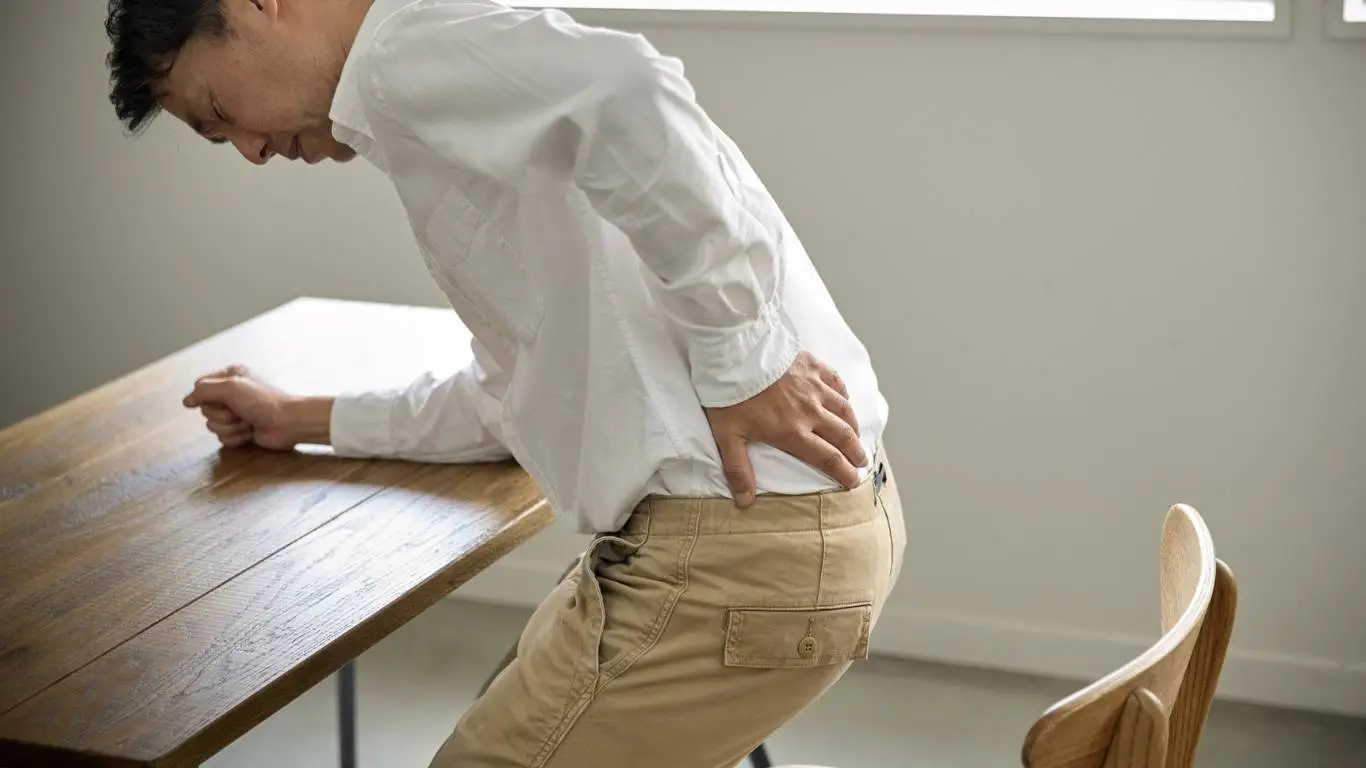
Set Up Your Seat
Before takeoff, I take two minutes to “engineer” my seat:
- Slide forward slightly and use a rolled-up sweater or lumbar pillow behind the small of my back.
- Keep knees slightly below hips (that’s where a footrest helps).
- Ensure head is supported, but not forcing the neck into a forward curve.
Say No to Slouching
Slouching compresses spinal discs, especially in the lower back. I used to do it out of habit—until I started walking off flights feeling 30 years older. Now, I stay mindful and reset my posture every 15 minutes.
Pack Pain Relief Wisely

Your In-Flight Kit Should Include:
- Over-the-counter meds (talk to your doctor first): NSAIDs like ibuprofen or naproxen for inflammation.
- Topical pain relief – I swear by menthol-based patches or roll-ons. They’re travel-safe and effective.
- Portable heat patches – Especially useful on red-eye flights when muscle tightness creeps in.
For chronic issues, consult with a specialist before flying. Learn more about how posture can trigger chronic back pain and what long-term solutions work best.
Be Strategic With Luggage

Choose Lightweight Bags
Trust me, the 10-pound wheelie that seemed fine at home will feel like a boulder in the airport after a long flight. Opt for lightweight suitcases with 4-wheel spinners to reduce twisting and lifting strain.
Lift With Your Legs, Not Your Back
Always place luggage on a raised surface (like the seat or curb) before lifting. Avoid hoisting overhead if possible. If you must, ask for help—your spine will thank you later. Check out our deep dive on long-haul flight spinal pain strategies.
Time Your Flight to Your Body

When You Fly Matters
Morning flights tend to be smoother and less turbulent, and your body hasn’t yet been taxed by the full day. I avoid red-eyes unless I know I can fully recline, as my back gets stiff and sore when I can’t change positions overnight.
Hydration & Food Choices
Dry air + cabin pressure = stiff joints. I drink water constantly and avoid salty snacks or alcohol before and during the flight. Even caffeine—while tempting—can dehydrate your spinal discs.
If you’re wondering whether inflammation plays a part in your flight pain, this anti-inflammatory back pain guide covers all the basics.
For a complete understanding of how lifestyle, ergonomics, and pain management intertwine, explore our dedicated guide on Back Pain and Travel, a key pillar in our spinal health coverage.
For an even broader view into what causes back pain and the best holistic treatment pathways, refer to our main overview at Back Pain Resource Hub.
Stretch Before, During, and After the Flight

Don’t Skip the Pre-Flight Stretch
I used to rush through the airport, barely making it to my gate, and then sit cramped for hours. Big mistake. Now I build in 10–15 minutes just to stretch before boarding. Focus on your hamstrings, hip flexors, and lower back. They’re all connected to your spine’s comfort in tight spaces.
Mid-Flight Movement Matters
It might feel awkward at first, but standing in the aisle or near the galley for a gentle stretch every hour or two can do wonders. I’ll do a light forward bend or even just stand tall and do a few spinal rolls. Flight attendants are used to it—no one gives you strange looks anymore.
Post-Landing Decompression
As soon as I get to my hotel, I lie flat on the floor with my knees bent for 5–10 minutes. It helps reset my spine from the hours of seated compression. Then, I walk. Even 15 minutes makes a difference in circulation and pain relief.
Choose the Right Travel Accessories

Smart Gear I Don’t Travel Without
- Collapsible lumbar pillow – Better than airline pillows, and fits in my personal item.
- Portable seat cushion – Especially if your airline uses older planes with thin seat padding.
- Compression socks – They help reduce swelling and improve circulation, which supports spine health more than most realize.
Here’s a breakdown of when supportive gear actually helps and when it might do more harm than good.
Use the Airport to Your Advantage

Walk, Don’t Wait
Airports are massive—and that’s a good thing. Instead of sitting at the gate for an hour, I use that time to walk slow laps. It gets my spine moving, reduces stiffness, and honestly, it helps with pre-flight anxiety too.
Ask for Assistance If Needed
If your pain is flaring or you’re recovering from surgery, don’t tough it out. Use the airport’s wheelchair service or early boarding assistance. It’s there for a reason. You’ll avoid unnecessary lifting, rushing, and stress.
There’s even more you can do when dealing with pain after activity. Read this guide on post-activity back pain flare-ups.
Stay Ahead of Inflammation
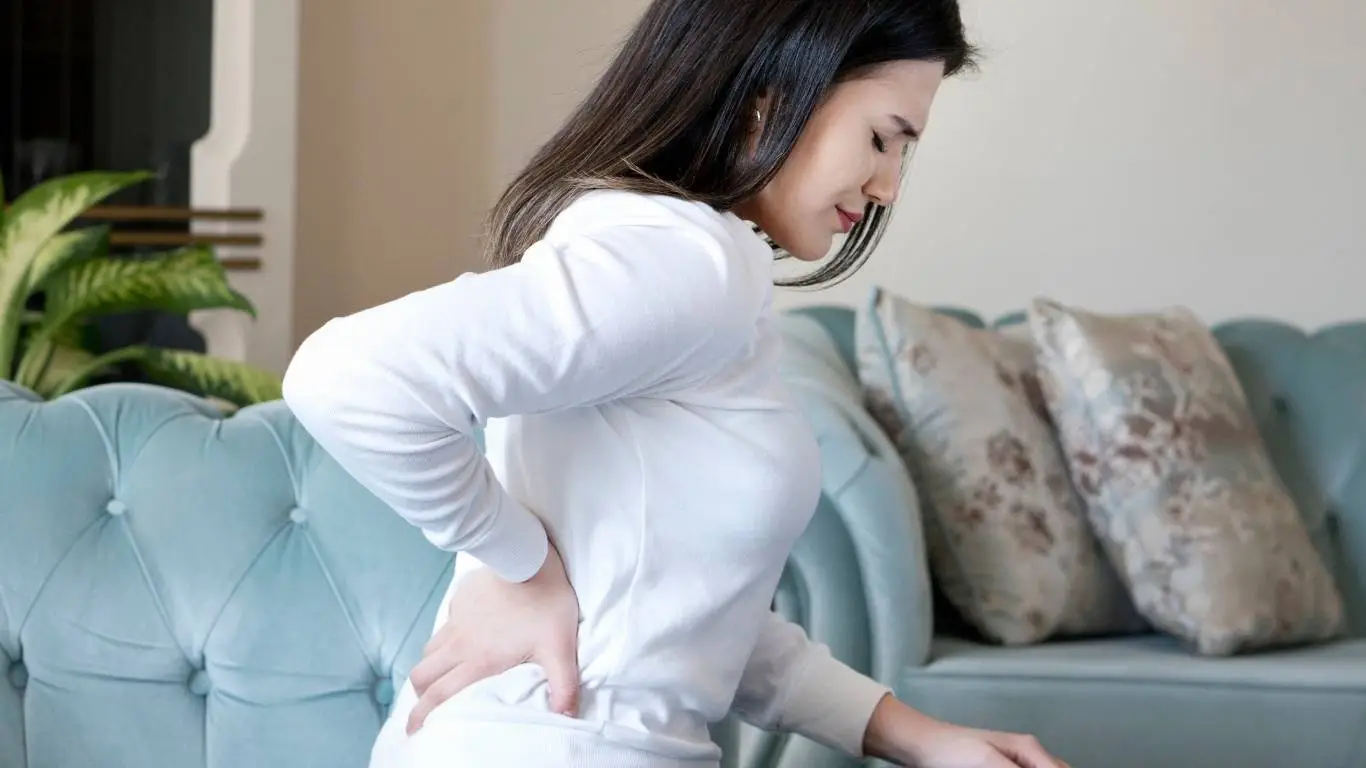
Anti-Inflammatory Snacks
I never travel without a small bag of walnuts, blueberries, and a protein bar with turmeric or ginger. You’d be surprised how often travel food—salty, processed snacks—triggers swelling in already irritated joints and muscles.
Hydration Really Does Matter
This sounds basic, but it’s the most overlooked travel tip ever. Dehydrated spinal discs = more compression. I carry an empty water bottle through TSA and fill it immediately. Aim for a full glass of water every hour in-flight.
For those who rely on supplements, check out this overview of omega-3 and joint support for chronic inflammation.
Mind Your Mind: The Mental Side of Flying with Pain

Stress Can Amplify Pain
Traveling is inherently stressful. And guess what? Stress increases muscle tension, reduces pain tolerance, and makes your spine feel worse. I use simple breathing exercises and mindfulness techniques on the plane. Even 5–10 deep breaths can shift how your body perceives pain.
Noise-Canceling Headphones & Guided Meditation
I’ll listen to a podcast or use an app with a quick guided body scan. These small habits make a huge difference—especially on longer flights. Learn more about mindfulness and chronic pain management.
When It’s Time to See a Specialist

Pre-Flight Consult
If your back pain is moderate to severe, talk to your doctor or spine specialist before flying. I did this before a 10-hour international trip, and the personalized plan—including a pre-flight stretching protocol and prescription meds—made a world of difference.
Watch for Red Flags
Sudden numbness, incontinence, or sharp pain radiating down your legs is not something to ignore. These may be signs of a more serious issue, like a herniated disc or spinal cord compression. Refer to this list of back pain red flags before boarding.
And if you’re dealing with degenerative spinal changes, review our full guide to degenerative disc disease.
Flying with Diagnosed Spinal Conditions

What to Know If You Have Spinal Stenosis, Herniated Discs, or Scoliosis
Each condition affects your travel experience differently. For example, my friend with scoliosis finds long flights manageable only when she brings a custom seat wedge. For me, managing a herniated disc means anti-inflammatory meds before takeoff and avoiding any bags over 10 pounds.
Read about how spinal stenosis alters your day-to-day comfort and how flying can be made safer with the right prep.
Also see how scoliosis impacts back pain during travel.
Explore more spinal travel solutions in our broader Back Pain and Travel pillar. For foundational knowledge and treatment paths, see our main page on Back Pain Overview.

Camellia Wulansari is a dedicated Medical Assistant at a local clinic and a passionate health writer at Healthusias.com. With years of hands-on experience in patient care and a deep interest in preventive medicine, she bridges the gap between clinical knowledge and accessible health information. Camellia specializes in writing about digestive health, chronic conditions like GERD and hypertension, respiratory issues, and autoimmune diseases, aiming to empower readers with practical, easy-to-understand insights. When she’s not assisting patients or writing, you’ll find her enjoying quiet mornings with coffee and a medical journal in hand—or jamming to her favorite metal band, Lamb of God.