
Can I Self Diagnose BV or Is It a Risky Mistake?
Not every strange odor or change down there means trouble, but as someone who’s had a few questionable episodes myself, I get the temptation to play doctor and diagnose it on your own. But is it really safe—or even possible—to self-diagnose bacterial vaginosis (BV)? Let’s break down the facts and experiences that matter.
Understanding the Urge to Self-Diagnose

First off, you’re not alone if you’ve ever Googled “fishy odor after sex” or “grayish discharge.” BV is one of the most common vaginal conditions in women of reproductive age, affecting millions globally each year. According to CDC, it’s even more common than yeast infections. So naturally, the internet becomes a go-to, especially when scheduling an appointment feels too slow or too awkward.
What BV Typically Feels Like
Many women describe BV symptoms as:
- Thin, gray or white vaginal discharge
- A strong, fish-like odor, especially after intercourse
- Mild irritation or burning during urination
But here’s the problem: these signs can also mimic other conditions like yeast infections or STIs. I remember mistaking my BV symptoms for a simple reaction to scented products—only to realize days later it wasn’t that simple.
Is It Accurate to Self Diagnose BV?
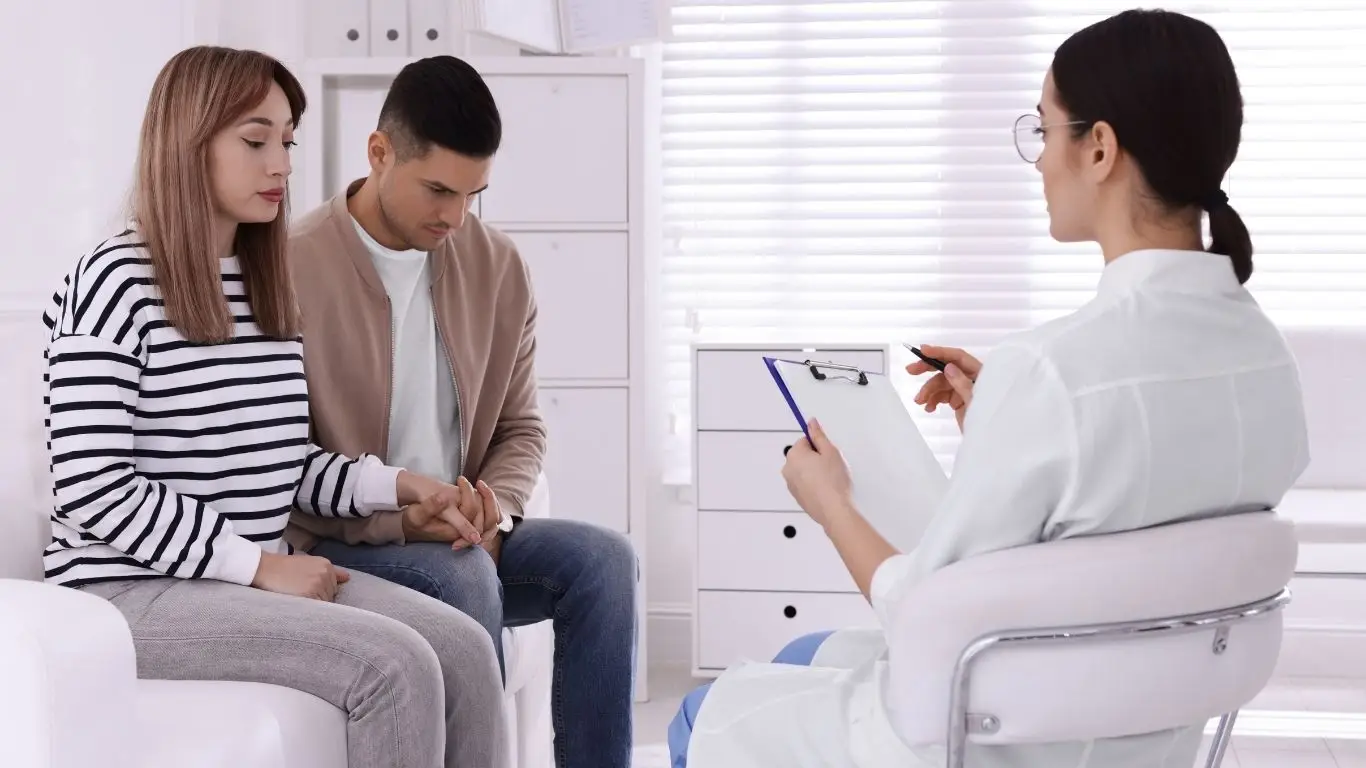
The short answer? It’s risky to rely solely on self-diagnosis. While some over-the-counter tests claim to detect changes in vaginal pH—like those you can buy at your local pharmacy—they don’t offer a full picture. According to Mayo Clinic, pH testing can give misleading results since other infections also alter vaginal pH.
Limits of Home Vaginal pH Tests
Home kits can be a helpful tool, but they’re no replacement for a proper diagnostic exam. They may:
- Miss underlying infections or co-infections
- Not account for personal factors like menstruation or sexual activity
- Cause unnecessary worry if results are inconclusive
In some cases, women may incorrectly treat themselves with antifungals or douches, which can actually worsen BV symptoms. If you’re unsure whether it’s BV or something else, reviewing the differences between BV and yeast infections can help clarify things.
How Doctors Actually Diagnose BV

When you visit a professional, they’ll likely do a physical exam and collect a sample of your vaginal discharge. This sample is checked under a microscope to identify the presence of clue cells, a clear indicator of BV. Some clinics also conduct the “whiff test” where a sample mixed with potassium hydroxide emits a distinct fishy odor, confirming the condition.
These are diagnostic methods you just can’t do at home with the same accuracy. If you’re considering managing BV by yourself, it’s also important to understand how long BV typically takes to cure once treated properly.
When Self-Checking Makes Sense
There are scenarios where self-awareness is crucial. If you’ve had recurring BV or you’re closely in tune with your symptoms, you might recognize when it’s flaring up again. Still, a medical confirmation never hurts—especially if it’s your first time experiencing symptoms.
The Danger of Misdiagnosis

Misdiagnosing BV doesn’t just delay proper treatment—it can also lead to complications. For instance, untreated BV in pregnancy can increase the risk of preterm labor. If you’re pregnant and suspect BV, don’t take chances—explore our guide on safe BV treatment options during pregnancy.
There’s also the chance of confusing BV with sexually transmitted infections. Treating the wrong condition based on guesswork could lead to more serious health concerns and even transmission to partners. That’s why knowing how accurate home BV tests really are is a key part of staying informed.
So What’s the Smart Move?
Be aware, yes. Trust your instincts, absolutely. But make sure those instincts are guided by real information. If you’re feeling persistent symptoms, consult a professional to confirm what you suspect.
For more insights on the signs and what they mean, our in-depth cluster on BV symptoms and signs can help you better understand what’s normal and what’s not. And as always, you can explore our main BV guide for a complete overview.
What to Do If You Suspect BV

If your body’s giving you signs that something’s off, the first thing to remember is not to panic. Trust me, most of us have been there. But after going through it myself more than once, I’ve learned that jumping into self-treatment without a diagnosis is like guessing what’s wrong with your car just because it sounds funny.
Instead, here’s a more grounded approach:
- Track your symptoms: Write down what you’re experiencing—odor, discharge, discomfort, or changes during sex.
- Avoid over-washing or douching: These might seem like fixes but can disrupt the vaginal microbiome and make things worse.
- Schedule a check-up: Especially if it’s your first time dealing with unusual symptoms or if they’re persistent.
And if you’re curious about your options, we’ve detailed what happens during a proper home test and how accurate they truly are.
Why You Shouldn’t Skip a Professional Diagnosis

Some women avoid going to a clinic because it’s uncomfortable or inconvenient. I’ve been guilty of that too—especially in busy weeks. But after a few rounds of trying to treat what I thought was BV with OTC remedies, I realized the risks just weren’t worth it.
Here’s what a proper diagnosis offers:
- Confirmed cause of symptoms
- Targeted treatment—no more trial and error
- Prevention strategies if BV tends to come back
Women who’ve had recurring infections should also consider exploring deeper causes. Our insights into why BV returns after antibiotics can help you understand what’s really going on.
Can I Just Use Antibiotics Without Seeing a Doctor?
Technically, there are online platforms that offer prescriptions for metronidazole or clindamycin after a virtual consult. But that’s not the same as a physical evaluation, and without proper testing, it’s still a shot in the dark.
Also, misuse of antibiotics increases resistance. We don’t want to be part of that problem. If you’re leaning toward treatment, you can start by reading up on the differences between metronidazole and other BV treatments.
Managing BV While Waiting for a Diagnosis

While you wait for test results or a consultation, there are ways to manage discomfort without interfering with your body’s balance:
- Wear breathable cotton underwear
- Stay away from scented products
- Use mild soap and avoid internal cleansing
- Limit sexual activity until symptoms resolve
For additional lifestyle support, our guide on BV prevention through hygiene and underwear choices gives you everyday changes that matter more than you’d think.
Preventing Future Recurrences

If you’ve had BV once, you’re more likely to get it again—especially without consistent preventive steps. I started integrating small dietary changes and probiotics into my routine, and honestly, the difference has been noticeable.
Consider these prevention strategies:
- Take probiotics regularly: Whether through supplements or foods like yogurt, probiotics help maintain vaginal balance. Learn more about probiotic benefits for BV.
- Modify your diet: Avoid excessive sugar and processed foods that may feed harmful bacteria. Here’s a full breakdown of what to skip if you’re BV-prone.
- Be cautious with hygiene habits: No douching, and always wipe front to back.
Also, if you’re sexually active, safe sex practices play a huge role in prevention. Some great tips can be found in our guide on BV-safe sexual hygiene.
Bottom Line

Self-diagnosing BV might feel like the fastest route, but it’s often not the most accurate—or the safest. Recognizing symptoms is smart. Acting on them with real medical support is even smarter. From my own experience, catching it early and doing it right saves you way more trouble than guessing ever will.
If you’re navigating BV or want to learn more about diagnosis methods, treatment options, and prevention strategies, explore the complete bacterial vaginosis resource hub on Healthusias. We’re here to help you manage it confidently, one step at a time.