
How Long Does It Take to Cure BV Naturally and Effectively
One of the most common questions I get from women experiencing bacterial vaginosis (BV) for the first time is: “How long does it actually take to get rid of this?” And I get it. The discomfort, the uncertainty, the endless Googling—we’ve all been there. I remember my own experience vividly. I was overwhelmed by mixed messages from forums, friends, and even doctors. So let’s break it down clearly and factually, using both personal insight and expert-backed information.
What Influences BV Treatment Duration?

The length of time it takes to cure BV depends on several factors. While some cases respond quickly to treatment, others tend to linger or come back after a short relief period. Here’s what typically impacts the timeline:
1. Type of Treatment Used
The most common treatments for BV include metronidazole, clindamycin, and boric acid suppositories. Oral antibiotics usually begin working within 2-3 days, though it’s important to complete the full course (typically 5-7 days) even if symptoms improve early.
- Oral Metronidazole: 7-day course; improvement often in 48-72 hours
- Vaginal Clindamycin: 3 to 7 days; effective for many, but may cause recurrence
- Boric Acid: Often used for recurrent cases; works gradually over weeks
My first round with metronidazole gave relief on day 3, but symptoms crept back within two weeks—turns out I needed to address lifestyle factors too.
2. Whether You Treat Your Partner
There’s ongoing debate in medical communities (see cdc.gov) about whether sexual partners need treatment. Although BV isn’t classified as a sexually transmitted infection, research suggests sexual activity influences recurrence. That’s why it’s worth reading: Do I Need to Treat My Partner for BV?
How Fast Should You Expect Relief?

If you’re on antibiotics, expect noticeable improvement in vaginal odor and discharge by the third or fourth day. However, complete microbial balance may take longer—even up to 2 weeks. According to ncbi.nlm.nih.gov, the vaginal flora restoration varies per person and may require lifestyle or dietary changes for full recovery.
For those exploring natural options like probiotics or apple cider vinegar, the timeline is less predictable. Improvement may take 2-4 weeks with consistent use and proper hygiene habits.
Signs Your Treatment Is Working
- Reduced vaginal odor
- Normalized discharge color and texture (read more)
- Less itching or burning
- Feeling of restored comfort and cleanliness
What If Your BV Isn’t Going Away?

This is where frustration really sets in. Recurring BV is unfortunately common, especially if treatment doesn’t address root causes. You might want to explore:
- Why BV Comes Back After Antibiotics
- Diet and Gut-Vagina Connection
- Unintentional Hygiene Habits That Make It Worse
For me, it wasn’t until I re-evaluated my underwear material and ditched daily pantyliners that I started seeing lasting results. It’s wild how seemingly minor habits can throw off your vaginal balance.
When to Consider Alternative Treatments

If antibiotics alone aren’t enough, speak with your doctor about combining treatments. Some people respond better when traditional medications are paired with:
- Tea tree oil suppositories (antimicrobial, use cautiously)
- Plain probiotic yogurt applied vaginally
- Coconut oil (soothing but not curative alone)
These aren’t miracle cures, but for me, switching to boric acid suppositories during stubborn flare-ups made a noticeable difference—especially when I used it after antibiotic courses to help rebalance.
Don’t Skip Prevention Strategies
Yes, curing BV is essential, but keeping it from coming back is just as important. Simple choices like breathable cotton underwear and gentle, fragrance-free soap can go a long way. This also ties into proper dietary habits that support vaginal flora health.
And remember, no matter how long BV sticks around, you’re not alone—and you’re definitely not powerless. There’s a roadmap forward, and it’s built on more than just prescriptions—it’s about education, habits, and support.
What Recovery Really Looks Like After Treatment

Many women expect a clear finish line with BV treatment—like flipping a switch. But recovery isn’t always black and white. For me, even after the odor disappeared, I still felt off for a few more days. That’s completely normal. The vaginal microbiome needs time to restore its protective balance of *lactobacilli*.
Typically, after completing antibiotics or natural remedies, symptoms subside within a week. However, studies (like those on nhs.uk) show the vaginal environment may remain more vulnerable for a couple of weeks. This is why ongoing support—even after you feel “normal”—is crucial.
How Do You Know You’re Fully Recovered?
- No noticeable odor
- Discharge returns to clear or milky and is no longer watery or grey
- No irritation, itching, or burning
- No unusual discomfort during intimacy
If any of these persist, it may signal an underlying issue like a misdiagnosed yeast infection or a resistant form of BV that needs further attention. Exploring the accuracy of at-home BV tests might help with ongoing monitoring.
Diet and Lifestyle Tips That Support Long-Term Healing

I didn’t realize how much my eating habits influenced my vaginal health until I cut down added sugars. Sugary foods feed harmful bacteria, and that can delay healing. It’s one of the hidden triggers outlined in our BV diet guide.
To support recovery and minimize recurrence:
- Increase probiotic-rich foods like yogurt, kefir, and sauerkraut
- Focus on hydration and whole foods
- Limit processed sugar and alcohol
- Use probiotic supplements if needed
And honestly, this is where I started noticing more stability in my body—once my gut health improved, so did my vaginal balance.
Preventing BV From Coming Back (Yes, It’s Possible)

Recurrent BV can feel like a cycle you just can’t break. Trust me, I’ve had it happen more than once. But there are real, manageable ways to protect yourself. Consistency is everything.
Key Prevention Strategies:
- Switch to breathable, cotton underwear and change after workouts
- Skip douching and harsh scented soaps
- Use protection during sex and urinate afterward
- Maintain healthy vaginal pH with occasional natural treatments
These aren’t just tips—they’re daily choices that slowly retrain your body toward balance. And they work best when you’re also addressing risk factors like frequent antibiotic use or stress.
Understanding the Role of Stress and Hormones
Don’t underestimate the link between chronic stress and BV flare-ups. When I was going through burnout, I noticed symptoms reappearing even after months of being BV-free. Curious, I found out that stress can impact vaginal pH and immune response. Taking this into account changed the way I approached healing.
Pairing emotional wellness with physical hygiene is part of a comprehensive prevention strategy—one that’s often overlooked in quick-treatment guides.
When to Talk to a Specialist

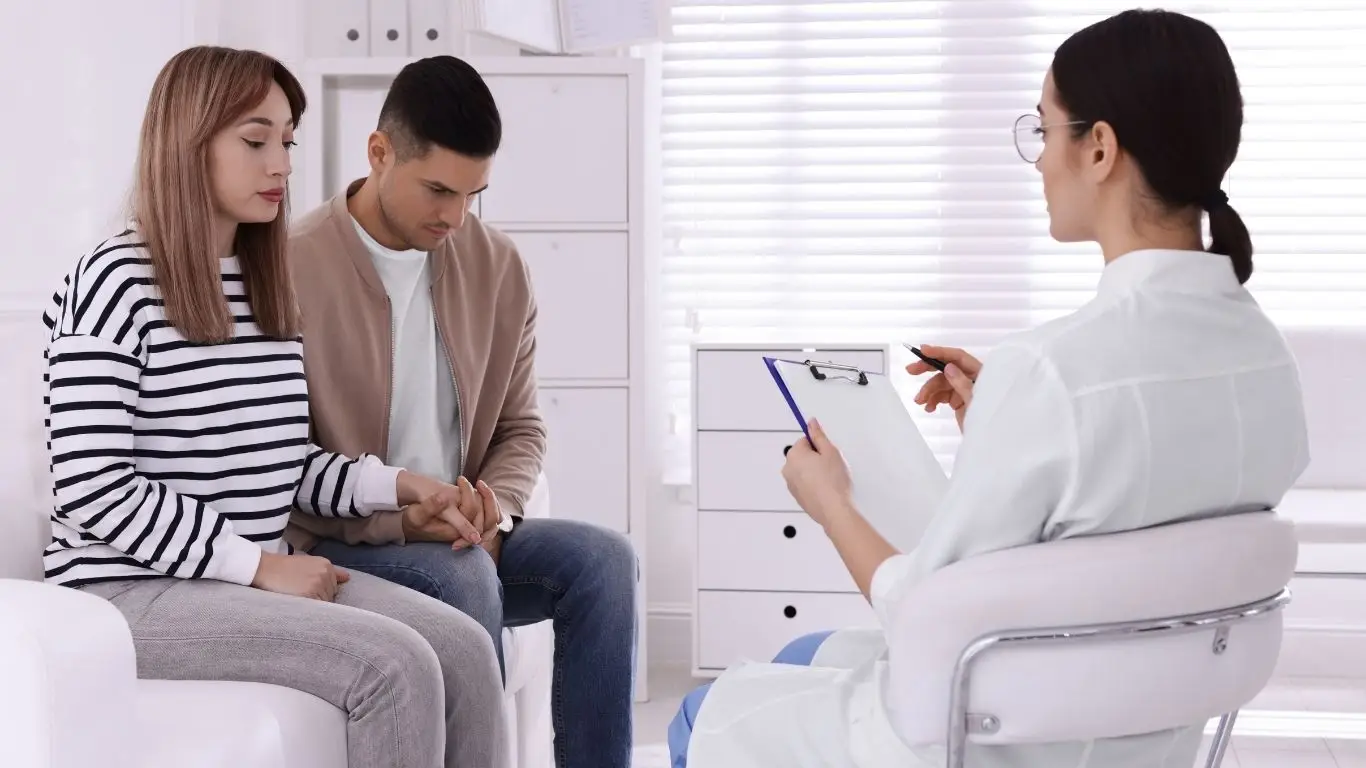
If you’ve gone through multiple rounds of antibiotics with no permanent relief, it may be time to see a gynecologist who specializes in vaginal health. You might benefit from tests to distinguish BV from other conditions, or from a customized treatment approach.
In complex cases, clinicians sometimes use combined treatments—like metronidazole followed by a maintenance phase with boric acid or probiotics—to prevent relapse.
Building a Long-Term BV Care Plan

Here’s the honest truth: curing BV once doesn’t mean you’ll never deal with it again. But building a personal BV care plan—one that combines medication, lifestyle choices, and self-awareness—gives you the power to prevent recurrence and stay in control.
My routine now includes weekly probiotic supplements, breathable underwear, and an intentional sugar-light diet. I check in with myself regularly, and I’ve learned to spot changes in discharge early. It’s not about perfection—it’s about staying tuned in and informed.
If you’re navigating BV now or have struggled with it before, start with the basics. Read the Bacterial Vaginosis Guide and explore related topics like symptoms and diagnosis to understand the condition more deeply. You’ll find that BV isn’t a personal failing—it’s a health condition that you can manage with the right tools.