Why Floaters While Looking Through Window Blinds Feel Worse
Ever catch yourself staring through window blinds and suddenly—bam—you see those odd squiggly lines floating across your vision? You blink, they move. You try to focus, and poof—they vanish, only to return the moment you shift your gaze. If that sounds familiar, welcome to the very specific world of floaters while looking through window blinds. You’re not alone—this tiny detail drives a surprising number of people to panic-scroll late-night forums. I’ve been there myself, thinking I had some hidden eye issue because every time I looked through striped blinds on a sunny day, weird shapes appeared in my vision.
Why Do Floaters Show Up More Behind Window Blinds?
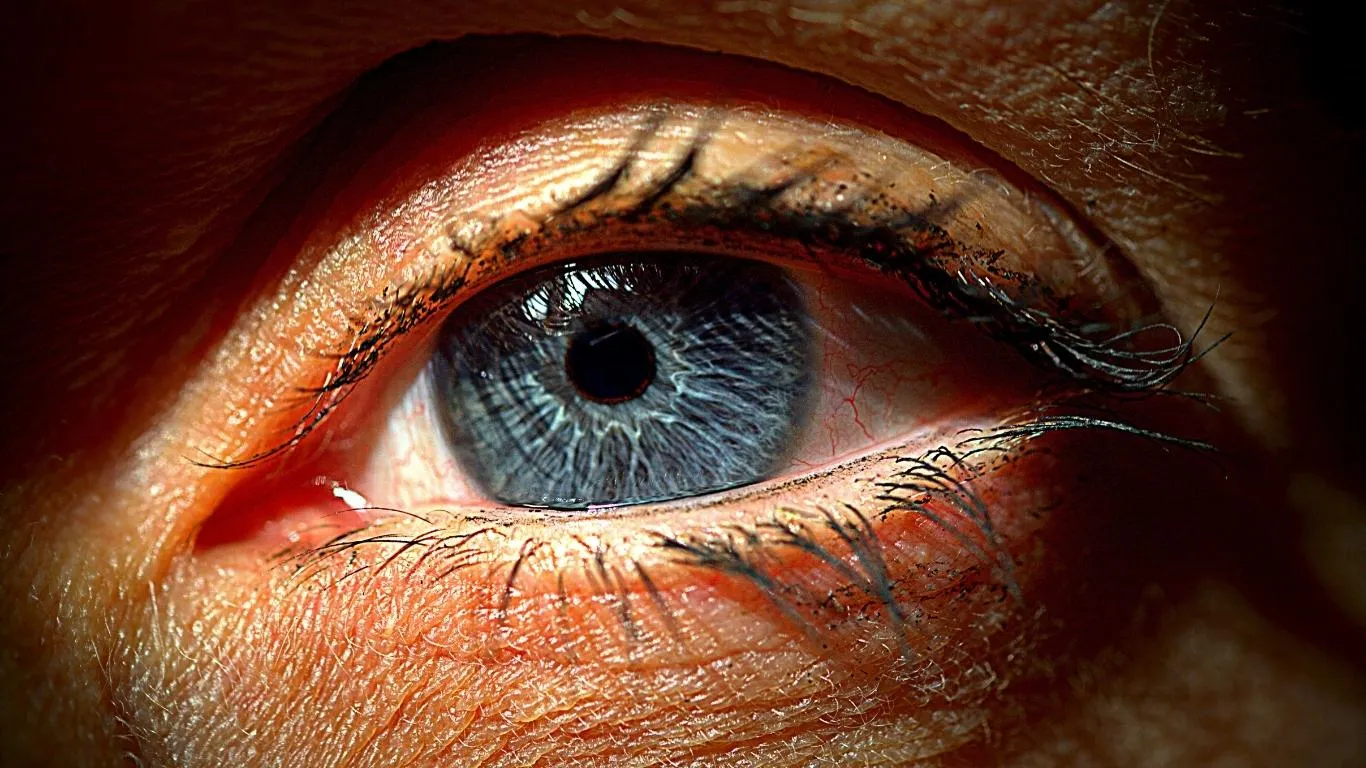
Let’s break it down simply. Floaters are tiny pieces of collagen or other cellular debris floating inside the vitreous gel of your eye. They’re always there, but your brain usually ignores them. The reason they’re suddenly obvious when you’re gazing through blinds? That pattern of alternating light and shadow is like a spotlight on the tiny particles drifting inside your eyes.
Light and Contrast: A Recipe for Floaters
Blinds create high contrast—bright light peeks in, shadow lines split your view—and this setup increases how visible floaters become. It’s not unlike how they’re easier to spot when looking at a blank white wall or a clear sky. Window blinds just happen to be the perfect storm of contrast and consistency.
The Angle of Light Matters
This one caught me off guard. I noticed my floaters were worse at certain times of day. Turns out, when sunlight hits blinds at an angle, it throws sharper shadows that move with your eye. That shifting light interacts with the floaters in your vitreous, making them more noticeable. Crazy, right?
Common Causes That Amplify the “Blinds Floater” Effect
- Posterior Vitreous Detachment (PVD): This natural aging process often introduces more floaters. It’s the leading cause in people over 40. Learn more here.
- High Myopia: Nearsighted folks tend to have elongated eyeballs, which increases the chance of early floaters. I fall into this camp myself, and floaters started showing up in my late 20s.
- Bright Lighting & Contrast: As mentioned, bright light filtered through structured shapes (like blinds) exaggerates floater movement.
- Dry Eye Syndrome: Dry eye makes your vision more sensitive to disruptions, even subtle ones. Check out how dryness affects floaters.
When to Be Concerned: Not All Floaters Are Harmless
Most floaters, especially the ones that bug you while peeking through window blinds, are harmless. But there are some warning signs that shouldn’t be ignored:
- Sudden shower of floaters—especially if they come with flashes of light
- Loss of peripheral vision—like a curtain falling over your side view
- Blurred or distorted central vision—not normal for regular floaters
These could point to retinal issues. According to the National Eye Institute, sudden changes can indicate retinal tears or detachments, which need immediate care. Here’s a guide on how to recognize dangerous floaters.
Why They Seem Worse in Just One Eye
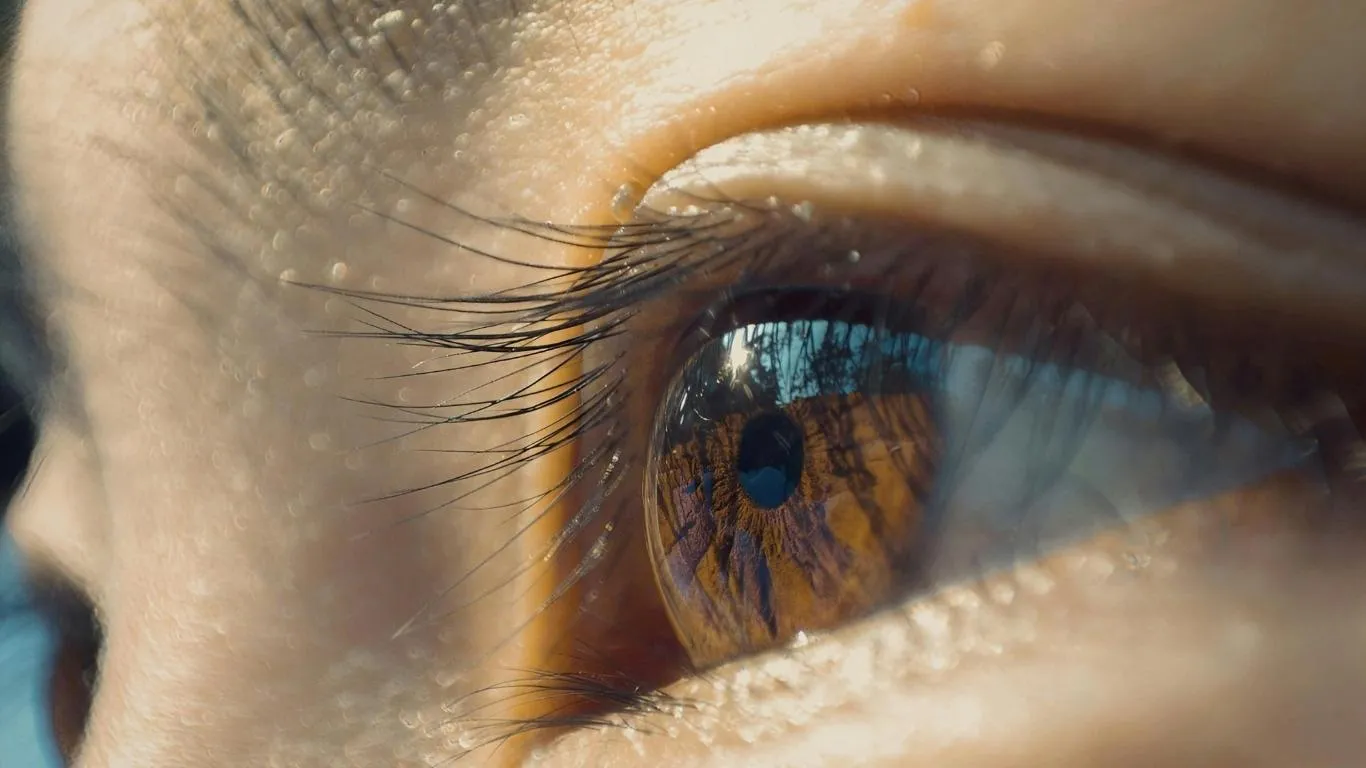
If you notice floaters predominantly while looking through blinds with one eye closed, don’t freak out just yet. That’s normal. It’s very common to have floaters in one eye more than the other, especially if that eye had prior trauma or earlier PVD. I had LASIK in one eye (yep, just one), and that’s the one that bugs me every time I glance at window blinds in the morning.
It Could Be Eye Dominance
Interestingly, our dominant eye tends to do more visual work, and this can bring floaters into sharper awareness. There’s even some debate about whether dominant-eye floaters are more common or just more noticeable.
Can It Be Something More Specific Than Aging?
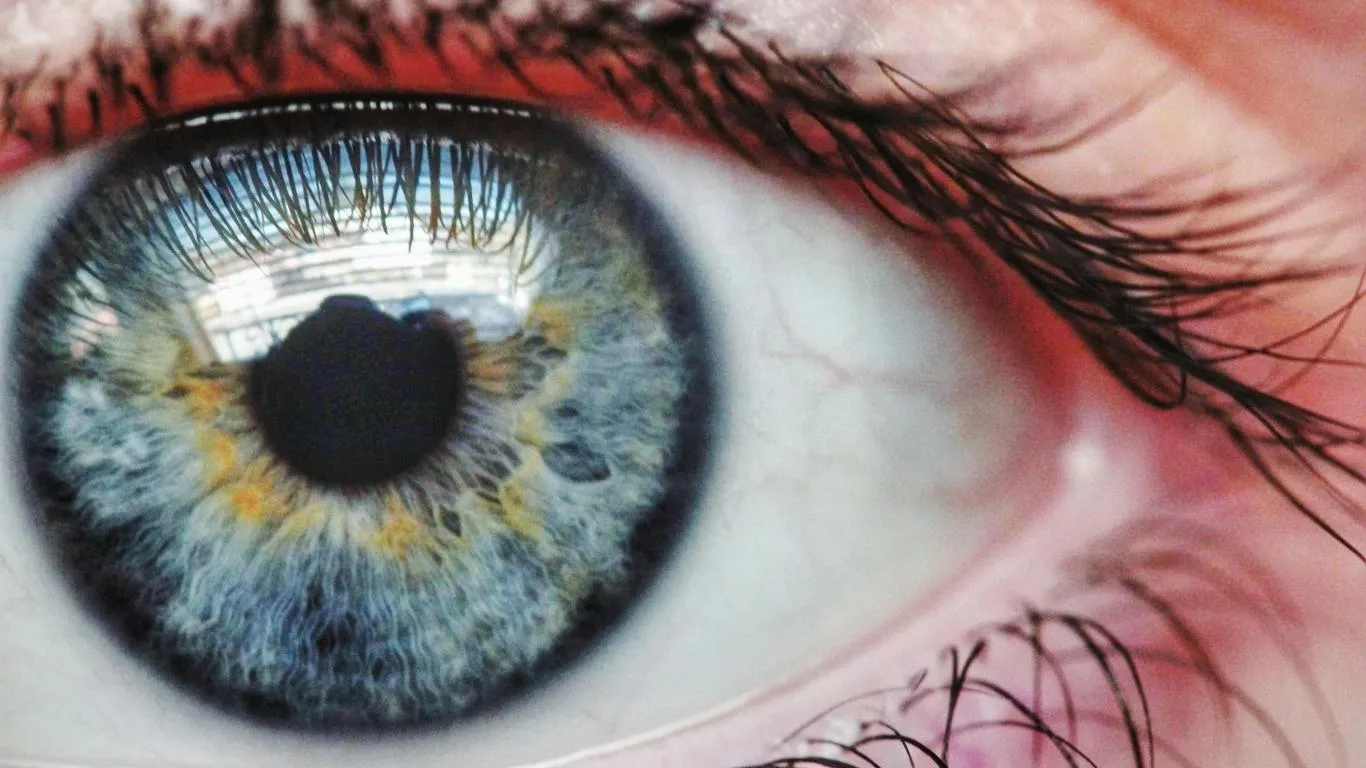
Most folks associate floaters with aging, but that’s not the full picture. Some lesser-known causes include:
- Frequent eye twitching
- Floaters in healthy young adults
- Smoking-related vitreous damage
- Digital eye strain at night
My own experience with floaters began when I was around 30, working in front of a screen all day, and spending most mornings with sunlight cutting through my blinds. That repetitive exposure made them impossible to ignore.
Ways to Reduce the Blinds Effect (At Least a Little)
Now, you can’t exactly evict floaters from your eyes, but you can reduce how much they interfere—especially when blinds make them worse.
Practical Tweaks:
- Diffuse the light: Use sheer curtains instead of solid blinds or position your workstation away from harsh light angles.
- Hydrate your eyes: Use preservative-free artificial tears if you’re also dealing with dry eyes.
- Use a humidifier: Dry air = irritated eyes = more floaters.
- Reduce screen glare: Blue light filters or matte screen protectors can help minimize eye fatigue.
There’s also some anecdotal support for adjusting diet to help with vitreous clarity. While results vary, I personally noticed improvement after bumping up my omega-3 intake—though that could just be placebo. Either way, the science behind dietary improvements and floaters is growing.
For more foundational understanding of where floaters come from and how to deal with them, check out this in-depth guide on what causes floaters and the broader topic of why they develop in the first place.
Natural Tricks That Actually Help—At Least a Bit
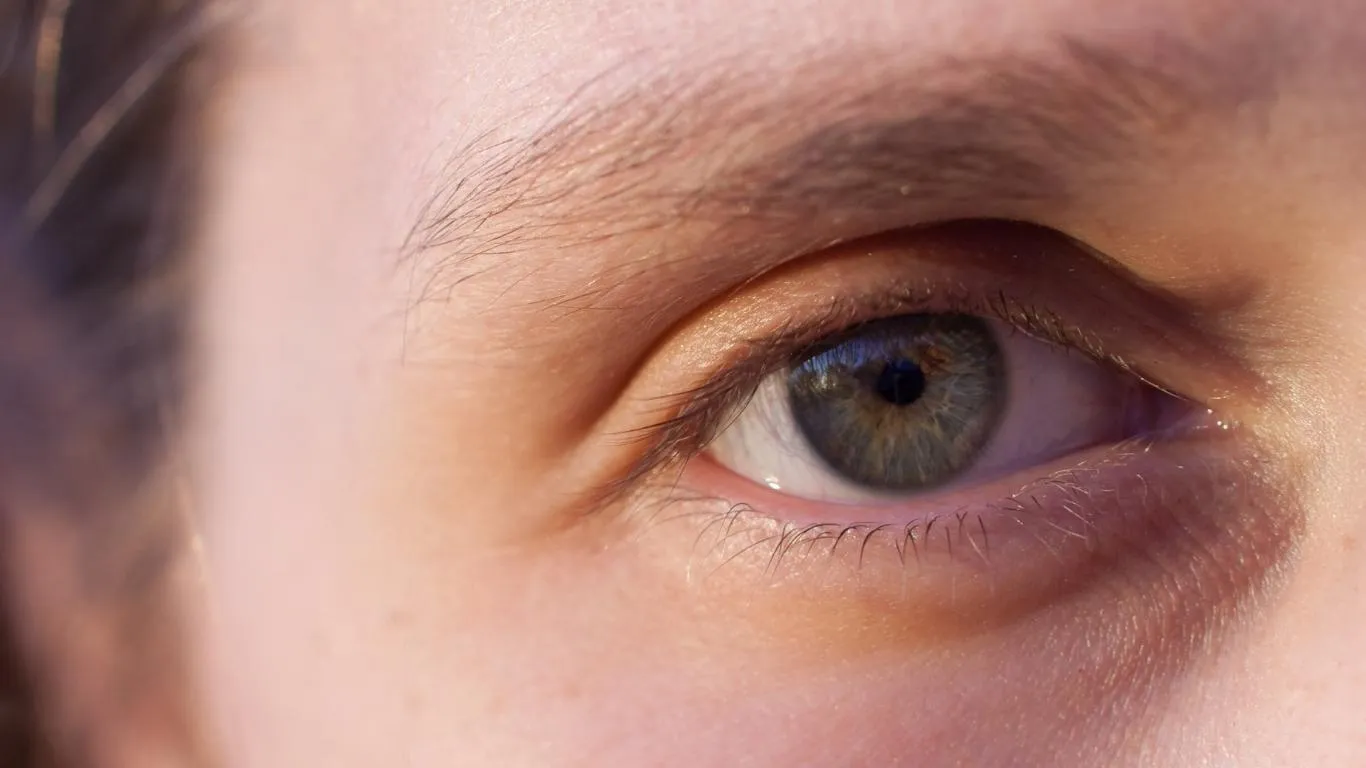
Alright, let’s talk real life. There’s no miracle pill that makes floaters vanish overnight. But over the past year, I’ve tested out a bunch of low-risk approaches, and some of them actually made my experience of floaters while looking through window blinds more manageable.
Eye Movement Exercises
I first read about this in an online community and figured, why not? It’s simple—just gently move your eyes in circular motions or side to side, without moving your head. It helps reposition the floaters so they drift away from your central vision. No joke, this became my go-to trick every morning when the blinds in my bedroom made floaters look like a snow globe inside my eyeball.
Want a structured version? Try these floater-focused exercises that people (and I) swear by.
Hydration and Nutrition
It may sound too simple, but hydrating properly—like actually drinking enough water consistently—reduces eye strain. I also started adding lutein-rich foods like spinach and egg yolks to my meals. Whether it’s placebo or not, things felt smoother after a few weeks. You can dive deeper into how nutrition helps floaters here.
Supplements That Actually Get Talked About
- Omega-3 fatty acids: Good for the eyes, and honestly, good for just about everything.
- Vitamin C & E: Antioxidants that support eye health.
- Magnesium: I saw this mentioned in a study linked to eye relaxation and improved circulation. Some swear by it. Read more about the magnesium-floater connection.
If you’re wondering which supplements aren’t just fluff, this guide on floaters and vitamins helps separate fact from fiction.
What If They’re Driving You Nuts? (And No One Else Gets It)
Let’s be honest—most eye doctors will tell you to “just live with it.” That can feel super dismissive, especially when your floaters are especially triggered by blinds or sunlight patterns. I’ve had entire mornings where it felt like I was trying to type while a jellyfish hovered in my field of vision.
If the emotional toll of floaters is wearing you out, you’re not imagining it. Eye floaters can mess with focus, mood, and even sleep when they appear at the worst times (like when you’re trying to relax near the window). That emotional burden is very real.
Things That Help When You’re Mentally Done With It
- Reduce bright contrast indoors: Dimmer switches, blinds with lighter tones, and sheer curtains can make a huge difference.
- Use indirect lighting: Lamps that bounce light off walls instead of direct beams help reduce floater visibility.
- Digital support: Try using software like f.lux or blue light filters to reduce eye strain during screen use. These helped my midday floaters a ton.
Are Medical Treatments Worth Exploring?
Now this is where things get tricky. There *are* clinical treatments for eye floaters, but they’re usually only recommended in extreme cases. Still, if your floater issues are interfering with daily life—like making it impossible to read or drive safely—you may want to ask an ophthalmologist about these options:
- Laser Vitreolysis: A laser zaps the floaters to break them up or move them out of your line of sight. It’s non-invasive, but not for everyone.
- Vitrectomy: A surgical procedure that removes the entire vitreous gel. It’s effective, but comes with risks like retinal detachment and cataracts.
Here’s a great breakdown of treatment options, risks, and outcomes that helped me weigh whether I’d ever consider it (I haven’t, yet).
What to Track Before Seeing an Eye Specialist
Before you run to the nearest eye clinic, it helps to track floater behavior. Floaters caused by patterns like blinds are often harmless, but if they’re new or changing, it’s smart to watch them closely.
Things to Note:
- Are they more frequent in one eye?
- Do they appear suddenly or gradually?
- Do you see flashes of light or dark shadows?
- Any recent trauma, headaches, or infections?
By documenting these details, you’ll give your eye specialist useful info. Use this practical guide on how to monitor floaters effectively.
What Helped Me the Most (Real Talk)
What really helped was changing how I lit my space. I stopped using harsh blinds in my home office and swapped them for soft white curtains that filter the light evenly. Combined with screen adjustments and a small humidifier running nearby, my floaters bug me maybe once or twice a week now—compared to daily.
Also, oddly enough, spending less time fixating on them helped the most. The brain adjusts. The more I stressed, the more visible they felt. There’s even evidence that stress can intensify floater awareness. Learning to accept them, while tweaking my environment, made all the difference.
If you’re looking to go deeper into the causes that might be behind your specific floater patterns, I highly recommend this breakdown on eye floaters vs. similar symptoms. It’s detailed, practical, and honestly helped me rule out a bunch of scarier stuff early on.
To really understand floaters, what they are, and what causes them, start here with this comprehensive main article.

Camellia Wulansari is a dedicated Medical Assistant at a local clinic and a passionate health writer at Healthusias.com. With years of hands-on experience in patient care and a deep interest in preventive medicine, she bridges the gap between clinical knowledge and accessible health information. Camellia specializes in writing about digestive health, chronic conditions like GERD and hypertension, respiratory issues, and autoimmune diseases, aiming to empower readers with practical, easy-to-understand insights. When she’s not assisting patients or writing, you’ll find her enjoying quiet mornings with coffee and a medical journal in hand—or jamming to her favorite metal band, Lamb of God.