How to Cope With Anxiety in Long-Distance Relationships That Hurt
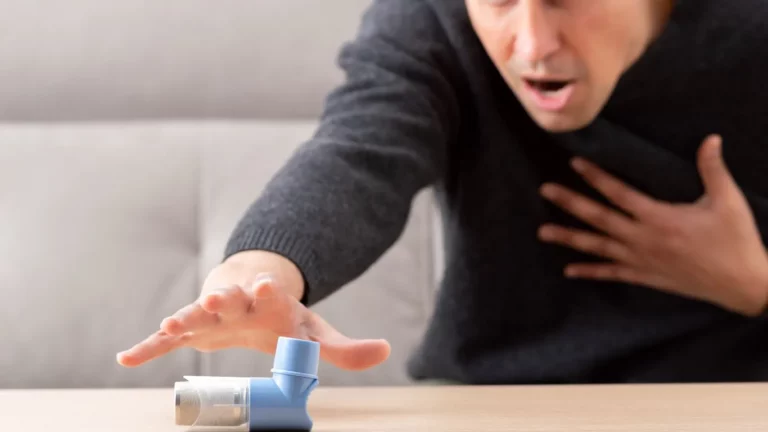
Let’s be real—long-distance relationships aren’t for the faint of heart. When you’re in one, anxiety can sneak into your thoughts like an uninvited guest. You might find yourself overthinking texts, spiraling about the future, or even just missing the comfort of their presence so much that it physically hurts. I’ve been there. I remember sitting in my tiny apartment, staring at my phone, waiting for a reply that took two minutes too long—and feeling like I couldn’t breathe. If that sounds familiar, you’re definitely not alone.
Why Anxiety Feels Amplified in Long-Distance Relationships

Being far from the person you love can make normal worries spiral into something heavier. The lack of physical reassurance, limited communication, and time zone differences can all fuel emotional uncertainty. And when you’re prone to anxiety, the silence between phone calls or a short reply can feel like a thunderstorm brewing in your mind.
Attachment Styles Play a Big Role
If you’ve ever found yourself anxiously checking if they’ve seen your message or feeling overwhelmed when they cancel a video call, your attachment style might be influencing your response. People with anxious attachment often struggle more with the emotional distance, and it’s not about being needy—it’s about needing consistency and connection to feel secure.
Sometimes, this emotional tug-of-war can even lead to relationship anxiety, where every interaction feels like a test. And that’s exhausting. But the good news? You can absolutely cope—and even grow stronger together.
Grounding Yourself Before the Spiral Starts

When your brain starts sprinting into worst-case scenarios, grounding techniques can pull you back to the present. I used to keep a small notepad next to my bed where I’d write down what I *know* versus what I *fear*. It sounds simple, but putting thoughts on paper helps slow them down.
- Box Breathing: Inhale for 4 seconds, hold for 4, exhale for 4, hold for 4. Repeat.
- Mindful Distraction: Do a small task like organizing your sock drawer or making tea—yes, really.
- Journaling: Not about them, but about *you*. What are you feeling? What triggered it?
Breathwork has become my best friend. Here’s a fantastic guide to breathwork for anxiety relief that made a big difference for me on particularly hard days.
Setting Up a Communication Rhythm That Actually Works

You don’t need to be glued to your phone all day, but you do need predictability. Talk with your partner about when and how you’ll communicate—not because you don’t trust them, but because your brain craves that stability.
- Set up a loose daily check-in time. Even a short “thinking of you” message can go a long way.
- Decide together on video call frequency. Weekly? Twice a week? Just make it a routine.
- Talk about communication expectations. It’s not about control; it’s about clarity.
I used to think asking for scheduled calls felt robotic—until I realized how much calmer I felt just *knowing* when I’d hear their voice next.
If anxiety during long-distance dating ever escalates into obsessive thinking, check out this insight into how obsessive thoughts work in anxiety. Trust me, understanding the cycle helps you stop blaming yourself.
Building Trust Without Constant Reassurance

Trust isn’t built in a day—and it’s not sustained by endless texting either. It grows from shared experiences, consistency, and mutual respect. One thing I had to learn the hard way: asking for constant reassurance can actually increase your anxiety in the long run. It becomes a dependency loop rather than a foundation of trust.
Instead of asking “Do you still love me?”—try asking yourself, “Has their behavior given me a reason to doubt it?” That shift in thinking can be huge.
And if anxiety still hits, I highly recommend this guide on CBT steps that work for anxiety. It’s the same framework I leaned on when overthinking felt endless.
Don’t Let Distance Dim Your Individual Light

In the fog of missing someone, it’s easy to lose yourself. But your life shouldn’t pause just because they’re not physically present. In fact, keeping your identity intact helps the relationship thrive. I started painting again, something I hadn’t done in years. Not because I was trying to distract myself, but because it reminded me I was whole—with or without them by my side.
- Revisit old hobbies you loved before the relationship.
- Schedule weekly solo dates—coffee shops, bookstores, nature walks.
- Surround yourself with supportive friends and family who remind you of your worth.
Emotional resilience isn’t just good for you—it’s good for the relationship. There’s even research behind this. According to APA, individuals with stronger self-identity tend to maintain healthier romantic connections.
And while you’re at it, explore the full scope of self-help and lifestyle tips for managing anxiety. These aren’t just surface-level hacks—they can be game-changers if you commit to them consistently.
For a deeper dive into how anxiety disorders can infiltrate your daily life even when you’re “functioning fine,” the main anxiety disorders pillar article is a must-read. And if you’re unsure whether anxiety is silently shaping your emotional patterns, don’t miss this insightful breakdown of underlying causes that are often overlooked.

One of the hardest lessons I learned was realizing that my anxiety wasn’t always about my partner—it was often about my own fears. Sometimes a delayed response felt like rejection, even though they were just stuck in traffic or having a rough day. And when I finally got honest with myself, I could communicate from a place of clarity, not accusation.
Instead of spiraling, I started saying things like, “Hey, I noticed I got a bit anxious when I didn’t hear back. Nothing you did wrong—I’m just working through it.” That small shift changed everything. They stopped feeling defensive, and I felt heard.
Understanding the emotional complexity of anxiety can also help. This guide on why intrusive thoughts feel overwhelming dives into how your mind jumps to conclusions and how to gently pull it back.

One major anxiety trigger in long-distance love is the fear of uncertainty—”Where is this going?” “Are we on the same page?” You don’t need to plan your wedding tomorrow, but creating shared short- and mid-term goals can help anchor your connection in the now and near-future.
- Plan your next visit together and put it on a shared calendar.
- Create a couple’s bucket list—even small stuff like watching a series together online.
- Talk about long-term direction early—transparently but without pressure.
When I had something to look forward to—like a countdown to our next meet-up—my anxiety didn’t magically vanish, but it definitely softened. It reminded me that we weren’t just *surviving* the distance; we were building toward something.
Not sure if your worries are getting in the way of emotional planning? The GAD-7 questionnaire is a solid starting point to check in on your emotional baseline.
When Reassurance Turns Into a Coping Crutch

There’s a fine line between healthy reassurance and needing constant validation. I’ve caught myself asking the same question three different ways—just to “make sure” they still cared. And honestly? It didn’t make me feel better. It just made me more dependent on their words to feel okay.
Therapy helped me identify that urge before it took over. I learned how to self-soothe first, and bring up my feelings *after* I had grounded myself. That way, conversations became connecting—not draining.
If you find yourself stuck in this cycle, Dialectical Behavior Therapy (DBT) might be the tool you didn’t know you needed. It helps balance emotional regulation with effective communication.
Redefining Closeness in Creative, Non-Traditional Ways

Just because you’re not physically together doesn’t mean you can’t build closeness. I once mailed a surprise care package with inside jokes and a coffee mug with their favorite meme—and their reaction brought tears to my eyes. You don’t need grand gestures. You just need intention.
- Send a voice note instead of a text. Tone carries so much warmth.
- Watch the same movie and sync up commentary on voice call.
- Create a joint playlist of songs that reflect your moods or memories.
These moments act like stitches—pulling you closer in the emotional fabric you’re weaving together, even if miles apart.
If you need creative structure, this guide on journaling for anxiety includes couple-specific prompts that helped me reframe what closeness meant during long stretches of silence.
When to Seek Additional Support—And Why It’s Not a Failure

I used to think reaching out for help meant I wasn’t “strong enough” to handle my own relationship anxiety. But trying to fix everything solo is exhausting—and unnecessary. Sometimes you just need a space to sort your feelings without filtering them for your partner.
Virtual therapy was a game-changer for me. The flexibility, the privacy, and the insights I gained helped me bring a more grounded, calm version of myself into the relationship. It didn’t just help *me*—it helped *us*.
If that resonates, you might want to explore therapy options tailored for anxiety. It’s not a last resort—it’s a lifeline.
Also, this deep dive on psychotherapy for anxiety can help you understand which approach suits your personality and lifestyle best.
Your Long-Distance Relationship Can Thrive—Anxiety Doesn’t Get the Final Word

Anxiety doesn’t mean you’re broken. It means you’re human. And being in a long-distance relationship doesn’t automatically doom your connection—it just demands more mindfulness, more intentionality, and more grace for yourself.
If you’ve made it this far, then you already care deeply—and that’s half the battle. Now, it’s about learning how to live *with* anxiety without letting it lead the relationship. Want to go even deeper? Explore the full breakdown of how anxiety is diagnosed and assessed so you can start healing with clarity, not confusion.
And of course, don’t miss the foundational guide to how anxiety can quietly control your daily life. Because the more you understand it, the more power you take back—one moment, one breath, one honest conversation at a time.

Camellia Wulansari is a dedicated Medical Assistant at a local clinic and a passionate health writer at Healthusias.com. With years of hands-on experience in patient care and a deep interest in preventive medicine, she bridges the gap between clinical knowledge and accessible health information. Camellia specializes in writing about digestive health, chronic conditions like GERD and hypertension, respiratory issues, and autoimmune diseases, aiming to empower readers with practical, easy-to-understand insights. When she’s not assisting patients or writing, you’ll find her enjoying quiet mornings with coffee and a medical journal in hand—or jamming to her favorite metal band, Lamb of God.