Floaters From Dry Eyes? Why Reduced Moisture Makes Them Worse
You ever blink a few times and still see those squiggly little shapes floating around in your vision? Like shadowy threads or cobwebs drifting across your sight, but when you try to look directly at them, they dart away? Yeah—those are floaters. I first noticed mine after pulling an all-nighter working on my laptop, then stepping outside into the bright morning sun. They were there, dancing in the light, annoying but harmless… or so I thought. What I didn’t expect was how dry eyes might have something to do with them.
What Are Eye Floaters, Really?
Floaters are basically bits of protein or cellular debris that cast shadows on your retina. They live in the vitreous humor—the gel-like substance filling your eyeball. As we age, that gel becomes more watery and can pull away from the retina, creating those floaty visual disturbances. They’re incredibly common, especially if you’re nearsighted, over 40, or spend a lot of time staring at screens.
But here’s what’s not often talked about: reduced eye moisture levels can amplify the presence of floaters. That dry, gritty feeling in your eyes? It might not just be from screen fatigue. I found this out the hard way during a week-long stretch of work with barely any outdoor time and lots of coffee—my floaters were not just there, they were bold.
How Reduced Moisture in the Eye Affects Floaters
The surface of your eye needs a healthy tear film to stay lubricated, oxygenated, and free from inflammation. When that tear film dries up—due to dehydration, screen time, aging, or even air conditioning—the eye becomes irritated and the clarity of your vision suffers.
What’s fascinating (and kind of frustrating) is that dry eyes can make existing floaters more noticeable. Think about it: a dry eye surface scatters light differently. This increased light scatter can exaggerate how visible floaters appear against backgrounds like blue skies or white walls. I used to think mine were getting worse, but turns out my eyes were just drier than usual.
Factors That Lead to Reduced Eye Moisture
- Long-term digital screen use
- Low humidity environments (airplanes, offices, heated rooms)
- Aging, especially post-40
- Certain medications like antihistamines or antidepressants
- Not blinking enough (yes, we forget to blink!)
Interestingly, dry eye syndrome has been connected to worsening floater visibility, especially in patients who already have vitreous degeneration.
My Experience: When Floaters and Dry Eyes Collide
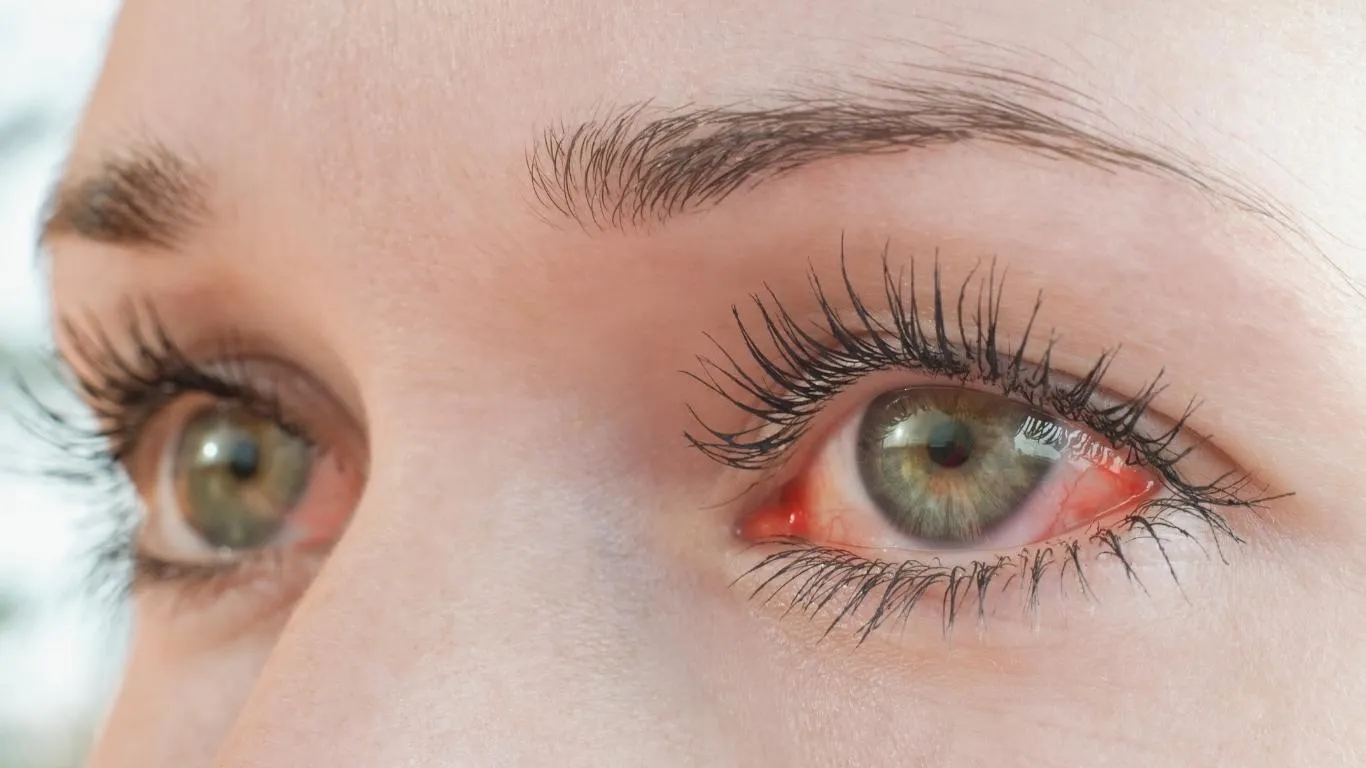
So let’s get personal for a sec. I noticed that my floaters would spike after I binged on Netflix in a dimly lit room (guilty), or after a flight. My eyes would feel like sandpaper. I started connecting the dots—more dryness, more floaters. What helped? Drinking more water (obvious, but I wasn’t doing it), using a humidifier, and actually blinking during screen time. Sounds silly, but it made a difference.
There’s even research suggesting that dry eye conditions contribute to a sudden burst of floaters, especially when combined with inflammation. That’s something ophthalmologists now look out for more proactively.
Other Signs Your Eyes Are Running Dry
- Burning or stinging sensations
- Watery eyes (ironically, a response to dryness)
- Sticky eyelids in the morning
- Difficulty wearing contact lenses
- Redness or sensitivity to light
If you’re seeing floaters and dealing with these symptoms, your problem may not just be vitreous floaters—it could be something broader, like meibomian gland dysfunction or tear instability. That’s why it’s essential to read up on both floaters and dry eye syndromes.
Here’s a helpful deep dive: Eye Floaters vs Other Eye Problems: How to Tell the Difference. It’s a solid resource to rule out things like cataracts, flashes, or corneal issues.
Floaters, Dehydration, and Environmental Stress
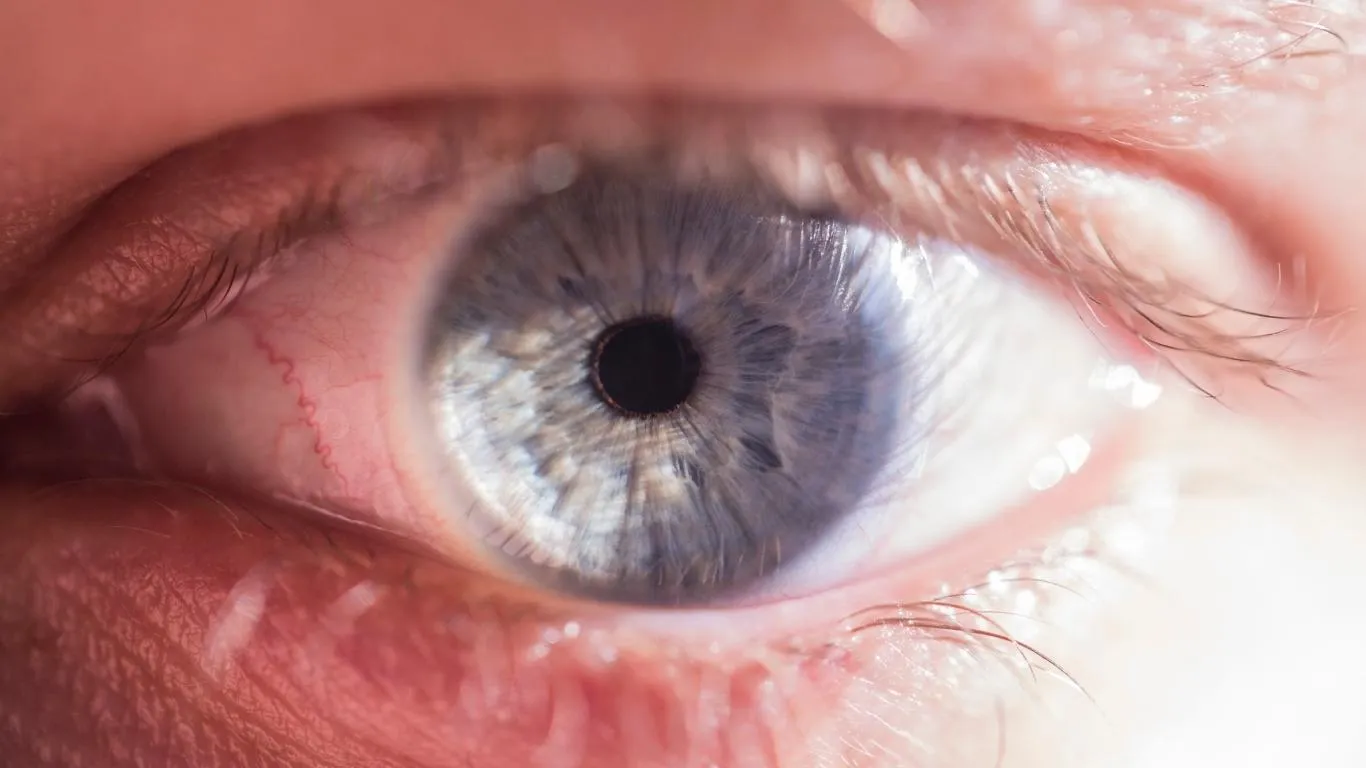
You don’t have to be in the desert to get dehydrated—coffee overload, low water intake, even just working indoors all day with the heater on can dry your eyes out. I found that during the winter, my floaters would show up like guests I didn’t invite. Turns out, humidity (or lack of it) makes a big difference.
According to American Academy of Ophthalmology, maintaining proper hydration is not only important for tear film stability, but also helps support vitreous integrity over time. Dehydrated vitreous? Welcome to the land of floaters.
Even this article on dehydration and floaters explains the feedback loop: dry eye leads to irritation, irritation leads to inflammation, and inflammation makes floaters far more visually disturbing.
When to Worry: Is It Just Dryness or Something More?
Let’s be real—not all floaters are harmless. Sure, dryness can exaggerate them, but if you’re seeing sudden flashes, a rapid increase in floaters, or dark curtain-like shadows, it could be a retinal tear or detachment. Been there—scary stuff. I didn’t take my symptoms seriously at first and ended up needing an urgent eye exam.
Check out the comprehensive breakdown here: When Are Eye Floaters Dangerous? That post helped me understand when to panic and when to just grab some artificial tears.
For a more in-depth understanding of treatments—ranging from lifestyle tweaks to vitrectomy surgery—don’t miss the excellent breakdown in this eye floater guide. It’s an excellent primer if you’re just starting to research solutions.
Also, the insights on floater-related issues tied to vision lubrication and light sensitivity in this treatment article really helped me narrow down what approach worked best for my specific case.
Real Solutions That Helped Me Manage Floaters and Dryness
I won’t lie—when my floaters started feeling constant and distracting, I got a bit obsessive. But good news: once I focused on improving eye moisture levels, the visibility of those floaters dropped noticeably. I wasn’t trying to eliminate them entirely (spoiler: most people can’t), but I did want to stop noticing them every time I looked at my laptop or stepped outside.
What Actually Worked for Me
- Omega-3 supplements: Helped stabilize my tear film big time.
- Preservative-free artificial tears: Game-changer, especially in the afternoon slump.
- Humidity control: I added a humidifier in my home office. Massive difference.
- Screen break rituals: Every 30 minutes, I’d look away and blink consciously for 10–15 seconds.
- Diet changes: More leafy greens, less caffeine. Helped with hydration overall.
Turns out, many of these strategies are also backed by science. For instance, a lack of essential fatty acids has been linked to poor tear quality and ocular inflammation. Curious? Read more in this deep dive on eye supplements for vitreous clarity and moisture.
Professional Treatments: What’s Worth Considering?
While many floaters fade into the background over time, some just don’t. If you’ve tried everything and still find them visually disruptive, there are medical options—but proceed carefully. I was offered laser vitreolysis at one point, but I passed because my ophthalmologist wasn’t confident it would help with my type of floaters.
Common Floater Treatments
- Observation: For most, the brain adapts. This “neuro-adaptation” is real and effective over time.
- Laser vitreolysis: Breaks up large floaters using a laser. It’s hit or miss depending on floater type and location.
- Vitrectomy: Surgical option to remove the vitreous. Effective but comes with higher risk—usually not first-line.
The full range of treatments and risks are well outlined in this treatment article. It really helped me weigh the pros and cons before deciding to stick with natural management techniques.
The Stress-Floater Connection: Don’t Overlook It

One thing I didn’t expect was how much stress played into all of this. During high-stress weeks (deadlines, poor sleep, way too much screen time), my floaters would feel more intrusive. The dryness worsened, and with it, the scatter and shimmer of those floaty shadows.
Turns out, stress-induced floaters are a very real phenomenon. Cortisol spikes, muscle tension, poor sleep—all of it messes with your visual perception and tear film balance. I’ve since added basic mindfulness practices to my routine—not to get woo-woo, but because reducing baseline stress levels does wonders for my eye comfort.
Why Consistency Beats Quick Fixes

Managing floaters and dry eyes isn’t about finding one magic cure—it’s about consistency. I didn’t notice a change overnight. But after a few weeks of tweaking my environment, cleaning up my diet, and staying on top of hydration, my eyes just felt…better. The floaters? Still there, but less of a nuisance.
Most people overlook how small habits stack up: keeping eye drops handy, choosing backlit screens over glare-heavy ones, limiting caffeine when dehydrated. It’s the combination of things that builds a better baseline for both floaters and moisture levels.
Other Daily Practices I Swear By
- Room lighting that reduces contrast glare
- Wearing blue-light filtering glasses (especially in dry indoor air)
- Switching to cold compresses when eyes feel inflamed or puffy
- Using apps to remind me to blink and sip water
Want to get even more precise about what’s happening inside your eye? I’d recommend reading this breakdown on age-related vitreous changes. It gave me more perspective on what’s normal versus what’s cause for concern.
When It’s Time to See an Expert
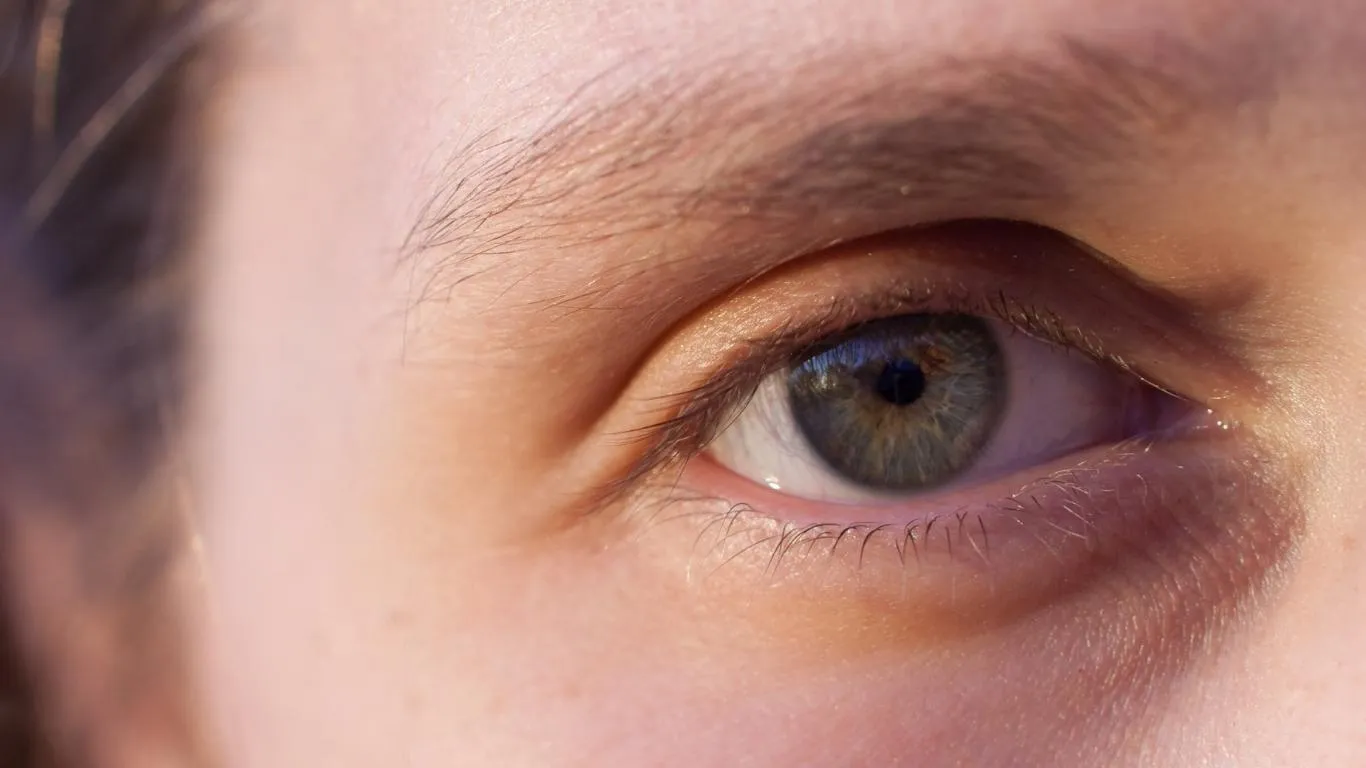
Here’s the deal—if your floaters come on suddenly, are accompanied by light flashes, or look like a storm of black dots, don’t wait. That’s not just dryness. That’s a “call your eye doctor today” situation. Retinal detachment and vitreous hemorrhage are rare but serious.
And if you’ve already ruled out emergencies but still feel unsure about what’s “normal,” this article can help guide you: Eye Floaters vs Other Eye Problems.
Of course, staying informed with accurate, medically reviewed info makes all the difference. I found ncbi.nlm.nih.gov and mayoclinic.org useful when diving deeper into clinical causes and management plans.
And honestly, one of the best foundational reads to tie it all together is this guide on eye floaters. It’s where I started, and it helped me separate myth from fact fast.
If dryness is part of your equation, this is a helpful article to bookmark as well: Natural Ways to Manage Eye Floaters. It gives a balanced look at what actually works, and what’s just hype.

Camellia Wulansari is a dedicated Medical Assistant at a local clinic and a passionate health writer at Healthusias.com. With years of hands-on experience in patient care and a deep interest in preventive medicine, she bridges the gap between clinical knowledge and accessible health information. Camellia specializes in writing about digestive health, chronic conditions like GERD and hypertension, respiratory issues, and autoimmune diseases, aiming to empower readers with practical, easy-to-understand insights. When she’s not assisting patients or writing, you’ll find her enjoying quiet mornings with coffee and a medical journal in hand—or jamming to her favorite metal band, Lamb of God.